
Why Abisko National Park stands out
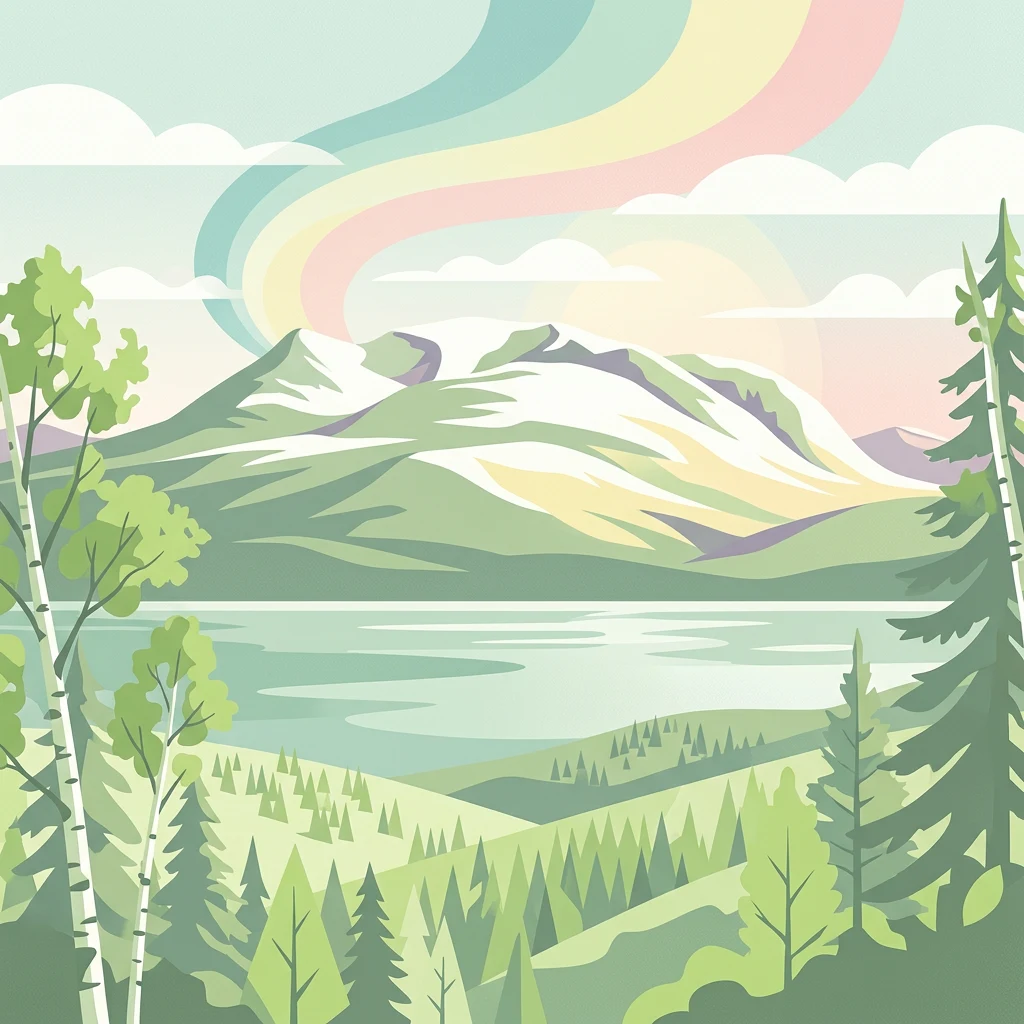
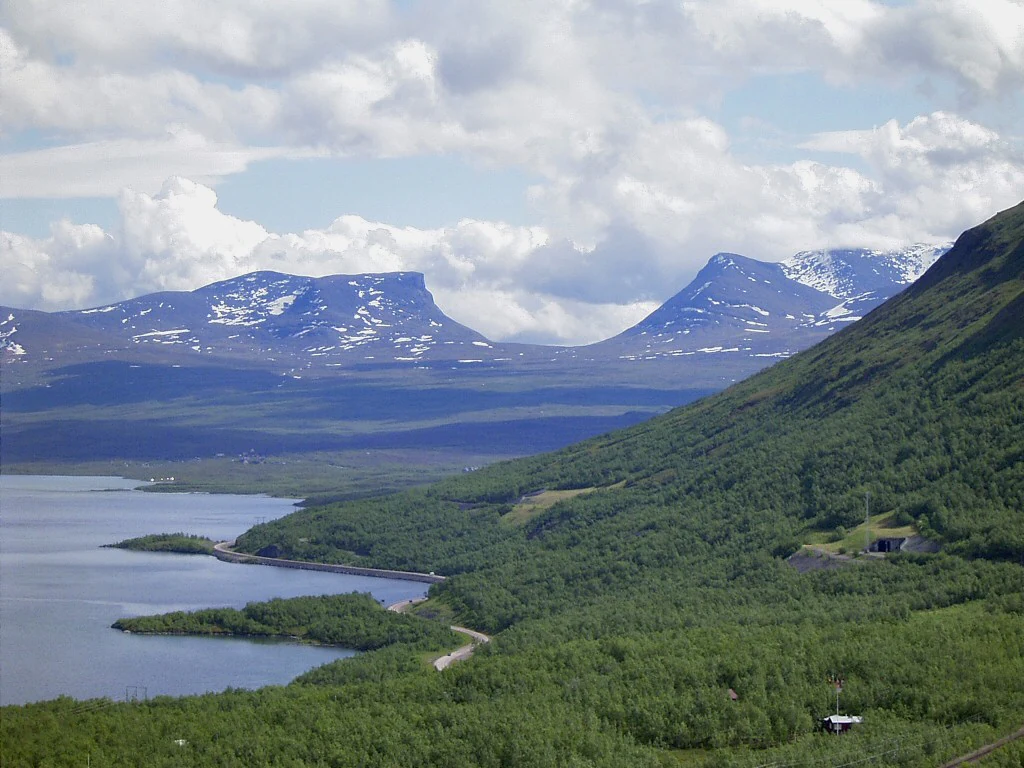
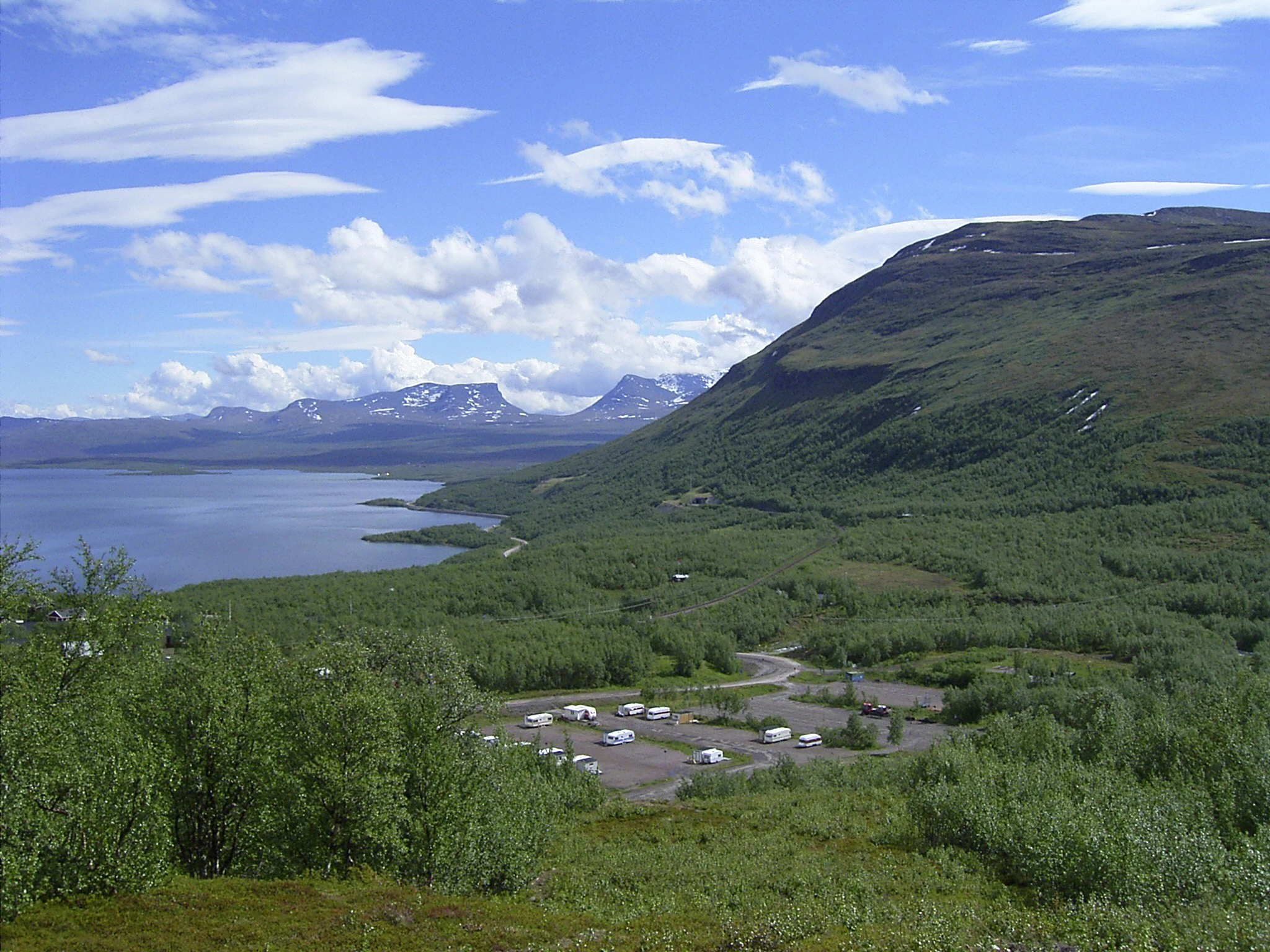
Abisko National Park is renowned for its exceptional Arctic light phenomena. During summer, the park experiences the midnight sun for over eight weeks around the summer solstice, when the sun remains above the horizon throughout the night. In winter, the dark season offers optimal conditions for viewing the aurora borealis, as Abisko lies in one of the world's best locations for this phenomenon due to its northerly latitude, minimal light pollution, and typically clear skies. The park is also famous as the starting or ending point of the Kungsleden, the famous 440-kilometer hiking trail that follows the Scandinavian mountain range. The distinctive Lapporten gateway, a U-shaped valley formed by surrounding mountains, provides one of the most photographed landscapes in northern Sweden. The Abiskojåkka canyon with its 20-meter deep gorge and the panoramic view from Mount Nuolja are additional standout natural features.
Abisko National Park history and protected-area timeline
Abisko National Park was established in 1909 alongside eight other national parks, making it one of the first protected areas created in Europe and the oldest in Sweden's current national park system. The park's creation coincided with Sweden's first nature conservation laws, reflecting a growing scientific and societal recognition of the need to preserve unique natural landscapes. The initiative came from a group of prominent Swedish scientists, with geologist Fredrik Svenonius playing a leading role in proposing the protected area.
The founding purpose was explicitly twofold: to preserve an area of northern Nordic fell landscape in its original condition and to create a memorial area for scientific research. This scientific emphasis was soon reflected in the establishment of the Abisko Scientific Research Station, which had originally been founded in 1903 approximately 31 kilometers west of Abisko in Vassijaure. After a fire destroyed the original facility in 1910, a new station was constructed in its present location in Abisko village and opened in 1913. The research station was incorporated into the Royal Swedish Academy of Sciences in 1935 and has since become a significant center for biological, climate, ecological, and geological research in the Arctic region.
The Swedish Tourist Association had already established a tourist station at Abisko in 1902, before the national park was formally created, recognizing the area's potential as a destination for nature tourism. This early infrastructure helped establish Abisko as a gateway to Swedish Lapland and contributed to its ongoing status as the most visited national park in Norrbotten County.
Abisko National Park landscape and geographic character
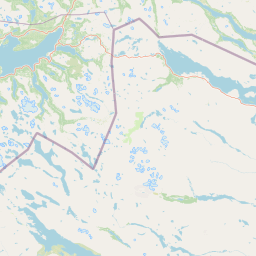
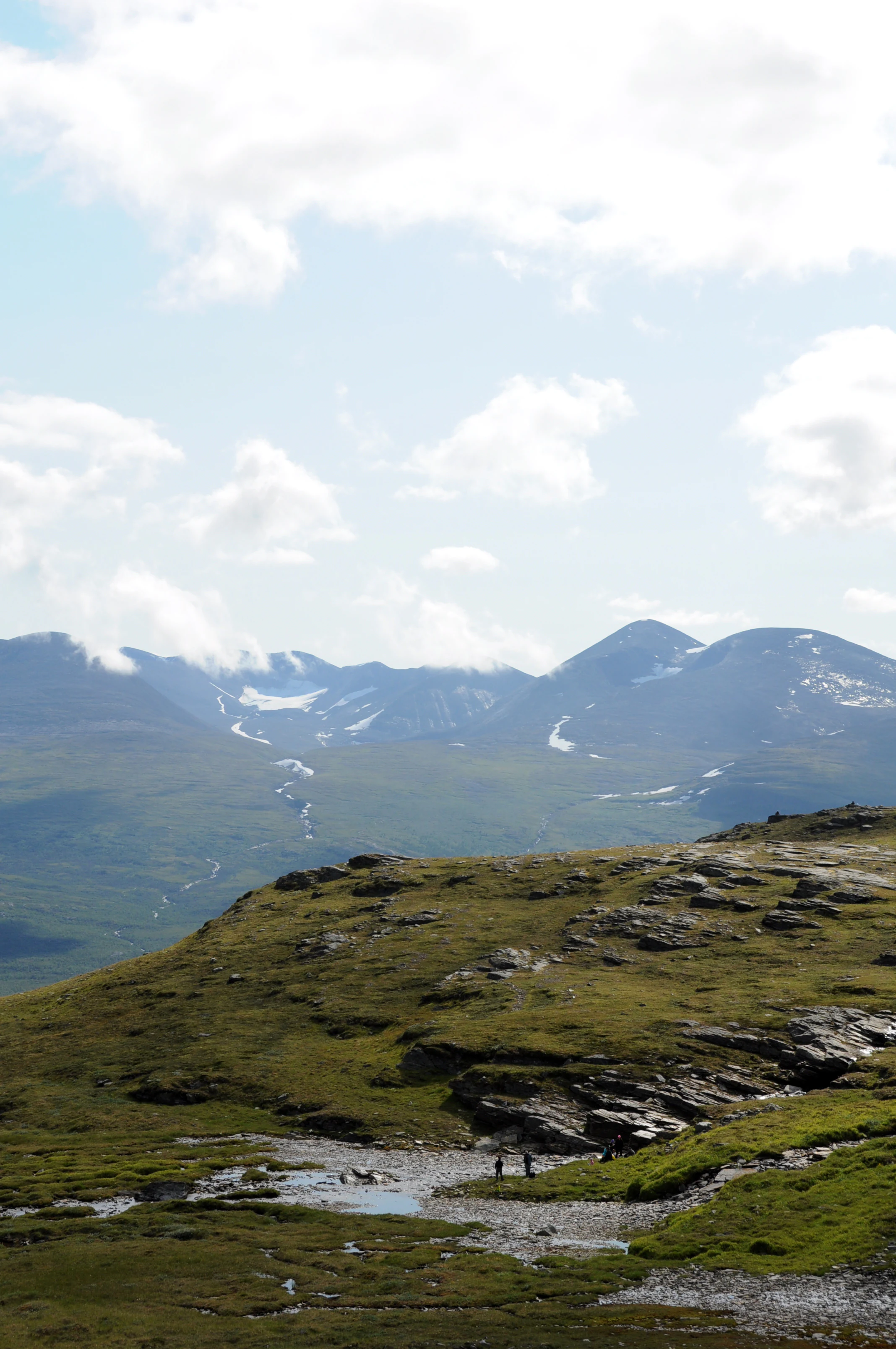
The physical landscape of Abisko National Park is characterized by a fundamental valley flanked by substantial mountain massifs to the south and west, with Lake Torneträsk forming the northeastern boundary. The terrain descends from alpine heights through mountain birch forest to the lake shore, creating a pronounced ecological gradient within a relatively compact area. The most prominent topographic feature is Mount Nuolja, which rises steeply above the valley floor and provides panoramic views of the surrounding landscape.
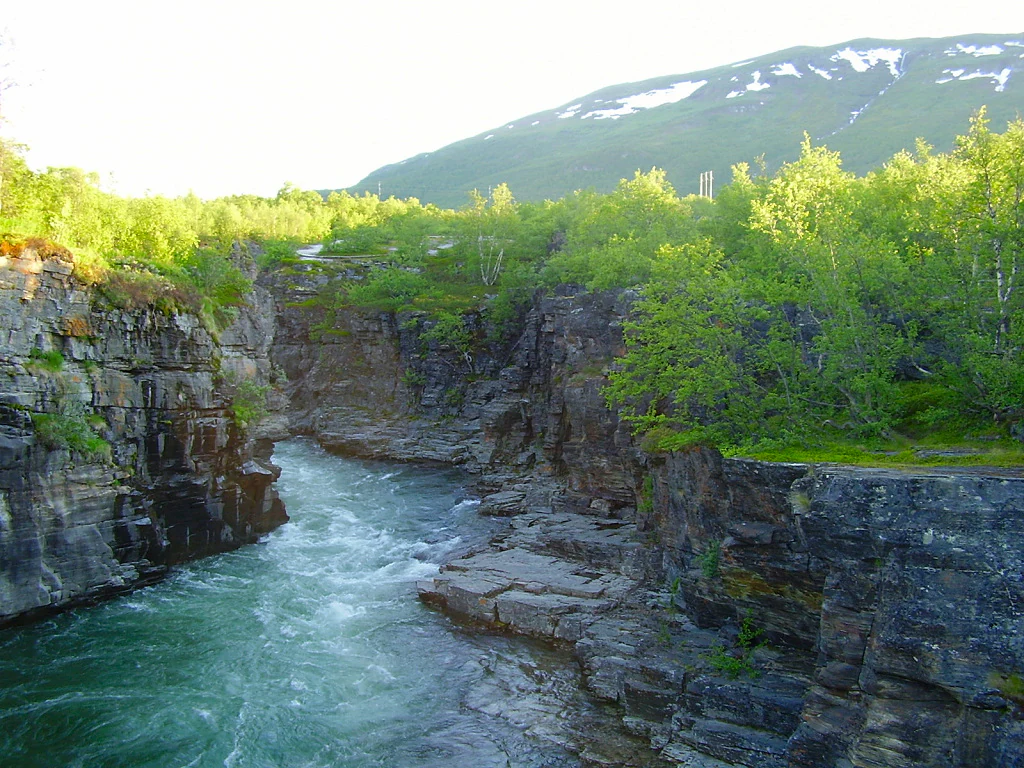
The Abiskojåkka river is a defining hydrological feature, flowing from Lake Abiskojaure in the southern part of the park through the valley before entering a dramatic 20-meter deep canyon with near-vertical walls just before its mouth at Torneträsk. This canyon provides a spectacular cross-section of the region's geology, exposing the layered structure of the bedrock. The river also forms a delta area at its confluence with Torneträsk, which functions as an important bird habitat.
The underlying geology consists primarily of hard schist and metamorphic rocks, with notable limestone and dolomite formations. The dolomite found in the canyon has been locally called "abisko marble" and was historically extracted on a small scale. The geological history is tied to the Caledonian orogeny, when rock masses were transported eastward from what was once an ancient ocean. The calcareous nature of the bedrock has significantly influenced the park's vegetation, supporting species-rich plant communities including many rare and northern-distributed species.
Above the tree line at approximately 650 to 800 meters elevation, the landscape opens into alpine heath and bare rock terrain, with the higher peaks providing exposed summits above the subalpine zone.
Abisko National Park ecosystems, habitats, and plant life
The ecological character of Abisko National Park is defined by the transition from subarctic birch forest to alpine tundra, creating a landscape of significant biodiversity and ecological interest. The mountain birch forest covers approximately 3,900 hectares of the park and exists in two distinct forms: heath birch forest on drier, poorer soils and meadow birch forest in wetter, more nutrient-rich locations. The heath birch forest dominates, characterized by birch trees growing in scattered groups with an understory of lingon, bearberry, and limited herbaceous vegetation.
The meadow birch forest occurs in more sheltered and fertile locations, particularly on the slopes of Nuolja and Slåttatjåkka, where taller birches support a richer ground flora including alpine herbs such as天山devil's-bit and woolly willow. The transition zone between forest and alpine terrain supports subalpine heath communities.
The park's location in a rain shadow creates unusual ecological conditions, with the dry climate supporting plant species more typical of continental rather than maritime Arctic environments. The calcareous bedrock further influences vegetation patterns, supporting species-rich communities in the canyon area where rare plants including Lapland rosebay, mountain avens, and purple saxifrage thrive. The canyon harbors particularly significant botanical diversity, including the only Swedish population of the protected orchid known as lapfela.
The Abiskojåkka delta provides important wetland habitat for breeding birds, though the area is protected from visitor disturbance during the early summer breeding season. The open alpine heaths above the tree line support characteristic tundra vegetation dominated by dwarf shrubs including Arctic bearberry and Arctic willow.
Abisko National Park wildlife and species highlights
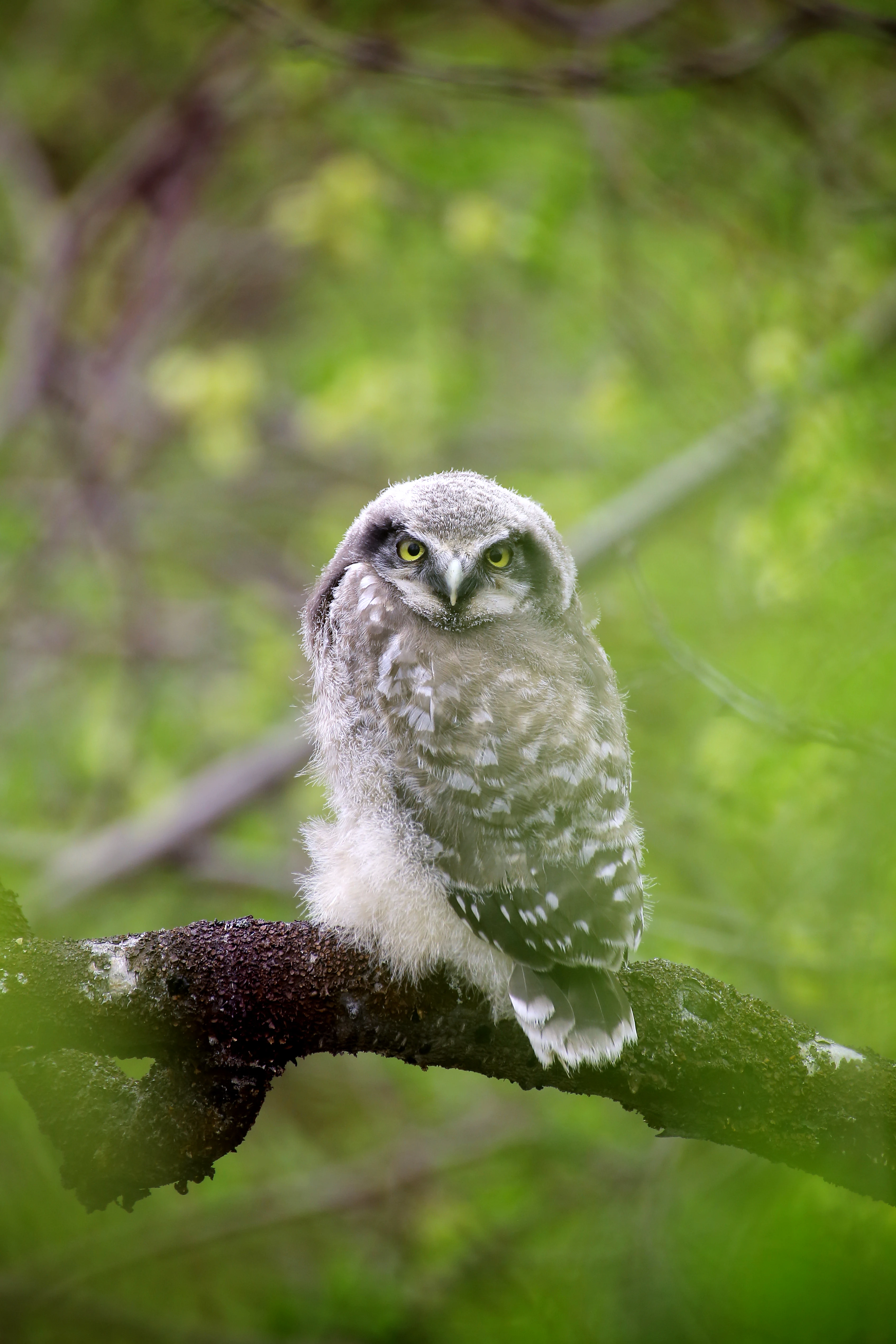
The wildlife of Abisko National Park reflects the subarctic location and the variety of habitats from lake shore through birch forest to alpine tundra. Bird diversity is particularly notable, with the park supporting both northern species adapted to harsh conditions and more southern species that reach the northern limit of their range here. Typical birch forest birds include redpoll, brambling, and bluethroat, while southern species such as dunnock, garden warbler, and robin also occur. The rare northern warbler has been recorded in the area.
Wetland areas support waders including greenshank, whimbrel, and spotted redshank, while small lakes harbor diving ducks such as tufted duck, goldeneye, and scaup. The delta area provides habitat for breeding waterfowl, though it is not exceptionally rich in seabirds. Alpine areas above the tree line support species including snow bunting, ptarmigan, and dotterel. Birds of prey include the common kestrel as the most frequently observed raptor, with golden eagle occurring less commonly.
Large mammals have been reduced in population but remain present. Moose are common throughout the park, with tracks and droppings found widely in the forest. Reindeer, both wild and semi-domesticated, pass through the area. Smaller mammals including pine marten, stoat, red squirrel, and mountain hare are regularly observed. The Norway lemming population fluctuates dramatically in cycles typical of this species. Predators including wolverine, Arctic fox, lynx, and brown bear occur but are seen only sporadically, as these wide-ranging species pass through the park intermittently rather than maintaining permanent populations.
Abisko National Park conservation status and protection priorities
Abisko National Park holds significant conservation importance as one of Sweden's oldest protected areas and a key site within the European Natura 2000 network. The park was established in 1909 with the explicit purpose of preserving northern Nordic fell landscape in its natural state, making it part of Sweden's pioneering conservation legacy. The inclusion in Natura 2000 reflects the European-level recognition of the park's importance for maintaining biodiversity and ecological processes.
The conservation significance stems from multiple factors: the intact ecological gradients from lake through birch forest to alpine terrain, the presence of rare and northern-distributed species, the calcareous bedrock supporting unusual plant communities, and the long-term scientific research that has documented environmental change in the region. The Abisko Scientific Research Station, operational since 1903, provides one of the longest continuous records of climate and ecological observations in the Arctic, offering crucial baseline data for understanding environmental change.
The park faces conservation challenges related to climate change, with evidence of warming temperatures affecting permafrost in lowland areas, changes in vegetation distribution including the upward movement of the birch tree line, and alterations to precipitation patterns. The mountain birch forests have also experienced significant historical disturbance from outbreaks of the autumnal moth, with massive defoliation events in the 1950s causing extensive forest death that is still visible in areas of sparse, regenerating woodland.
Abisko National Park cultural meaning and human context
The cultural context of Abisko National Park is deeply connected to the Sami people and the history of northern Sweden. The park's name derives from the Northern Sami word "Ábeskovvu," meaning "the forest by the big water," referencing the proximity to Torneträsk. This linguistic heritage reflects the long-standing presence of the Sami in the region, though the protected area was formally established without explicit recognition of Sami land use rights that would be more commonly incorporated in modern Swedish protected area management.
The establishment of the Swedish Tourist Association's station in 1902 and the subsequent creation of the national park in 1909 reflect the broader development of northern Sweden during the railway era. The Iron Ore Line connecting Kiruna with Narvik transformed the region's accessibility and supported the growth of tourism and scientific interest in Arctic landscapes. The Abisko Scientific Research Station further reinforced the area's role as a destination for scientific exploration and research.
Traditional land use in the surrounding region includes reindeer husbandry, with both wild and semi-domesticated herds moving through the landscape. The park's designation as a protected area has influenced but not eliminated these traditional practices in the broader region.
Top sights and standout views in Abisko National Park
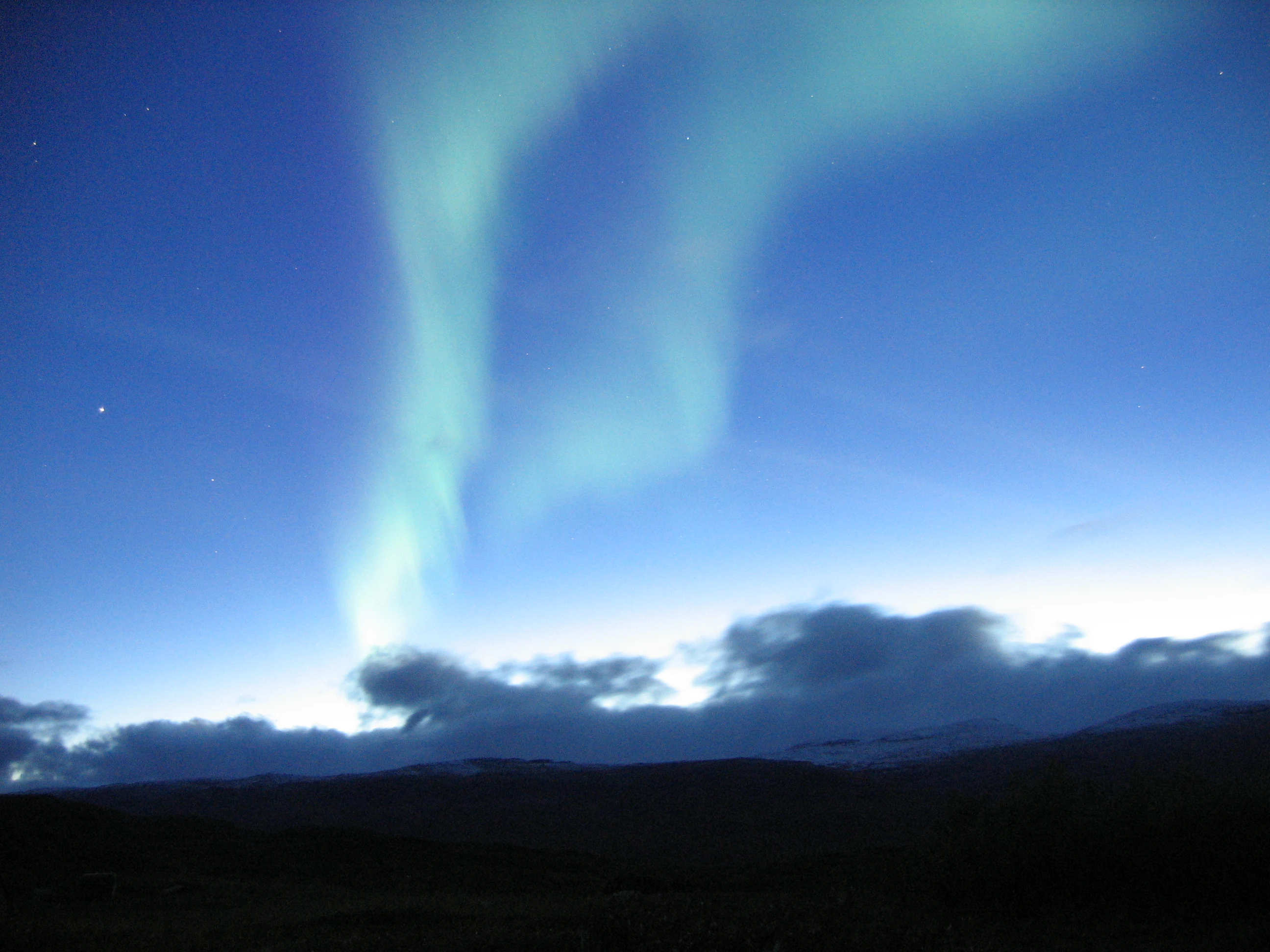
Abisko National Park offers an exceptional combination of Arctic natural phenomena and outdoor activities within a relatively accessible wilderness setting. The midnight sun of summer, when the sun remains above the horizon for weeks, creates extraordinary opportunities for extended hiking and skiing under持续 daylight. Winter brings the complementary experience of the aurora borealis, with the park's northerly position, minimal light pollution, and clear skies creating optimal viewing conditions for this spectacular natural phenomenon.
The starting point of the Kungsleden trail makes Abisko a gateway for hikers exploring the Swedish mountain range, with the well-equipped Abisko Turiststation providing logistical support. The spectacular Lapporten gateway valley provides one of northern Sweden's most iconic landscapes. Mount Nuolja offers accessible panoramic views via chair lift, while the Abiskojåkka canyon provides a dramatic natural feature with geological and botanical significance.
The combination of scientific heritage, with the long-running research station, and nature-based tourism infrastructure makes Abisko distinctive among Swedish national parks. The park successfully balances accessibility with wilderness character, allowing visitors to experience subarctic nature while providing comfortable facilities and well-maintained trails.
Best time to visit Abisko National Park
The visiting season at Abisko National Park is fundamentally divided by the Arctic light conditions, with each half of the year offering dramatically different experiences. Summer, from approximately late May through late July, brings the midnight sun with its extended daylight hours, creating ideal conditions for hiking, wildlife observation, and landscape photography. The warmest month is June with average temperatures around 11°C, though conditions can vary significantly with elevation and exposure. This period sees the highest visitor numbers and offers the most reliable access to trails and facilities.
Winter, from roughly late November through February, provides the optimal season for northern lights viewing as the darkness returns and the sky remains dark enough to observe the aurora borealis. January is the coldest month with average temperatures around -12°C, but the dry climate and relatively low snowfall in the valley compared to surrounding mountains create more comfortable conditions than might be expected. Cross-country skiing and winter hiking are popular activities, with the aurora watching being the primary draw for many visitors.
The shoulder seasons of spring and autumn offer quieter conditions with fewer visitors, though facilities may have more limited operating hours. The rapid transitions between seasons characterize the local experience, with the birch forest leafing out quickly in late spring and displaying autumn colors in early September. The choice of visiting season depends on whether travelers prioritize midnight sun experiences or northern lights viewing, as these two phenomena define the park's most distinctive seasonal character.