Mori Atlas logo
National parkPiatra Craiului National Park

Discover the geographic identity and mapped boundaries of this national park.

Piatra Craiului National Park: A Mapped Protected Landscape in Romania

(Parcul Național Piatra Craiului)

Piatra Craiului National Park represents a significant protected natural area within Romania's diverse geography. As a national park, its mapped boundaries define a unique landscape for atlas-based exploration. This page offers detailed insights into the park's protected area status, its geographic placement, and the regional context it occupies, providing a foundational understanding for anyone seeking to explore its natural features through a structured geographic lens.

Karst landscapeSouthern CarpathiansLimestone mountainsNational parkLarge carnivoresEndemic species

Piatra Craiului National Park

National park

Park overview

Structured park overview, official facts, and landscape profile for Piatra Craiului National Park

Piatra Craiului National Park park facts, protected area profile, and essential visitor context
Review the core facts for Piatra Craiului National Park, including designation, size, terrain, visitor scale, habitats, and operating context in one park-focused overview.

About Piatra Craiului National Park

Piatra Craiului National Park protects a remarkable mountain landscape in the Southern Carpathians of Romania, where dramatic limestone peaks rise abruptly from the surrounding foothills to create one of the most distinctive mountain silhouettes in Eastern Europe. The park encompasses the Piatra Craiului massif, a narrow, elongated ridge approximately 25 kilometers in length that presents a steep, saw-toothed profile against the sky. This geological character, combined with the extensive karst development throughout the range, creates a landscape of exceptional scenic complexity. The protection of this area began in 1938 when a small area was declared a nature reserve, and subsequent legislation in 2000 significantly expanded the protected boundaries to the current extent. Today the park serves as a critical refuge for Carpathian biodiversity while providing outstanding opportunities for mountain recreation and environmental education. The town of Zărnești serves as the primary access point and administrative center, with visitor facilities including a visitor center located west of the town and the Plaiul Foii chalet providing access to the ridge trail system.

Quick facts and research context for Piatra Craiului National Park

Piatra Craiului National Park is located in Brașov and Argeș counties in south-central Romania, forming part of the Southern Carpathian mountain system. The protected area encompasses a distinctive limestone massif characterized by a dramatic saw-toothed ridge, deep gorges, and complex karst terrain. The park was formally established through early conservation efforts beginning in 1938 and has been managed under a comprehensive framework since 1999, with a formal management plan in place since 2005. The area is renowned for its exceptional biodiversity, supporting approximately 1,100 plant species representing about one-third of Romania's total flora, including 50 Carpathian endemic species. Large carnivores including wolves, brown bears, and lynx maintain viable populations here, while the park also hosts significant bat and bird communities.

Park context

Deeper park guide and search-rich context for Piatra Craiului National Park

Piatra Craiului National Park history, landscape, wildlife, and travel context
Explore Piatra Craiului National Park through its history, landscape character, ecosystems, wildlife, conservation priorities, cultural context, and seasonal travel timing in a structured park guide built for atlas discovery and search intent.

Why Piatra Craiului National Park stands out

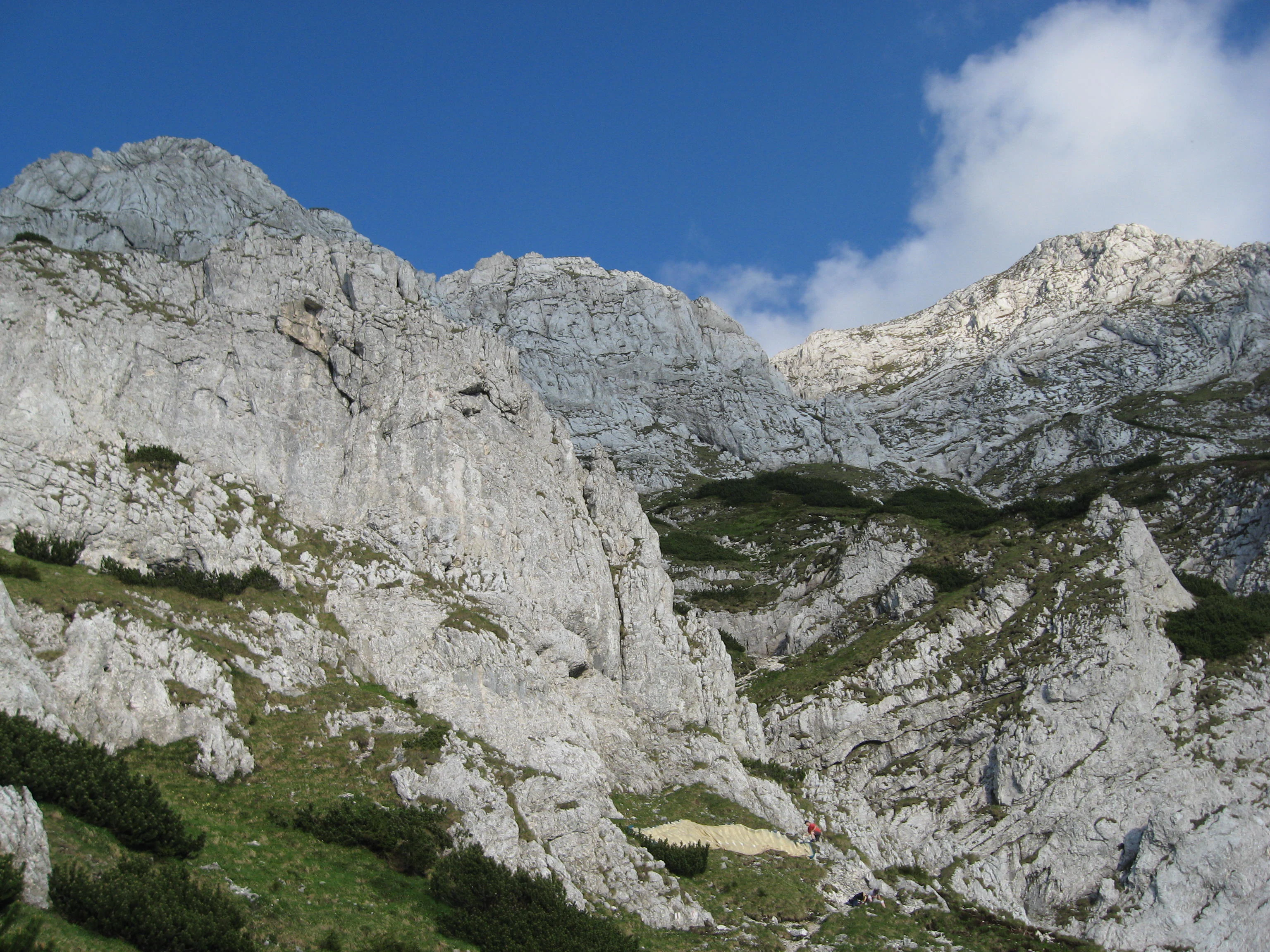
Piatra Craiului is best known for its spectacular limestone ridge, which is considered one of the most beautiful mountain landscapes in the entire Carpathian range. The two-day north-south traverse along the narrow ridge offers hikers one of Romania's most iconic and rewarding backcountry experiences, with dramatic views of sheer cliffs, alpine meadows, and the surrounding Carpathian foothills. The park's karst geology has produced an impressive network of caves, deep gorges including the spectacular Prăpăstiile Zărneștiului, and characteristic pitted terrain where dissolution has shaped the limestone into distinctive formations. The coexistence of diverse habitats supporting significant populations of brown bears, wolves, and lynx makes this one of Romania's most important large carnivore territories.
Piatra Craiului National Park history and protected-area timeline

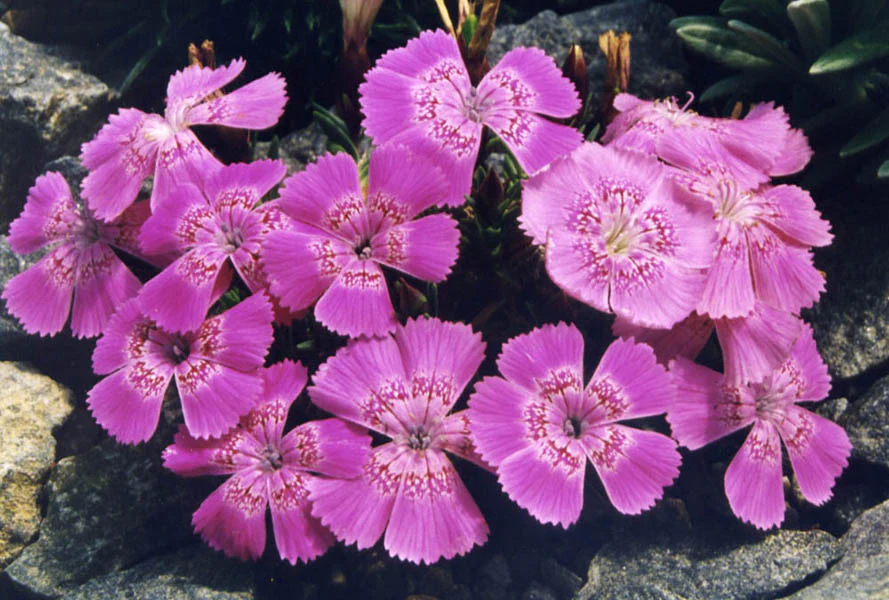
The protection of Piatra Craiului began modestly in 1938 when approximately 4.4 square kilometers were declared a nature reserve, recognizing the outstanding scenic and natural values of this distinctive Carpathian landscape. This early protection represented one of Romania's first conservation designations for mountain environments. The formal legal framework evolved significantly with the passage of Law 5/2000, which enlarged the protected area to 148 square kilometers, establishing the modern boundaries of the national park. A dedicated park administration was established in 1999, bringing professional management to the protected area, and a comprehensive management plan was adopted in 2005 to guide conservation and visitor use. The national park designation reflects Romania's commitment to maintaining ecological connectivity across the Carpathian mountain system while preserving this exceptional example of Carpathian mountain landscapes and biodiversity.

Piatra Craiului National Park landscape and geographic character

The Piatra Craiului landscape is defined by its dramatic limestone geology, which has produced one of the most visually striking mountain environments in the Carpathians. The main ridge presents a steep, serrated profile of sharp peaks and narrow cols, while the flanks are carved by deep river gorges that have cut into the limestone mass, creating vertical walls and cascade drops. The karst geology is particularly well-developed, with dissolution processes having created an intricate network of caves, sinkholes, and karst springs throughout the massif. The Prăpăstiile Zărneștiului gorge is especially notable, with its tall, steep walls providing both scenic value and excellent climbing opportunities. Below the alpine ridge, the mountain slopes support mixed forests that transition through distinct elevation zones, while the valley floors hold traditional agricultural landscapes and historic villages that contribute to the cultural character of the region.
Piatra Craiului National Park ecosystems, habitats, and plant life

The ecological diversity of Piatra Craiului reflects the combination of Carpathian biogeographic position, diverse altitudinal zones, and the variety of habitats provided by the complex terrain. The park supports approximately 1,100 species of superior plants, representing roughly one-third of all plant species found in Romania, a remarkable concentration for a relatively compact mountain area. Among these are 50 Carpathian endemic species, including two species found nowhere else on Earth, making this area globally significant for plant conservation. The fungal diversity is equally impressive, with roughly 300 species recorded, alongside 220 lichen species and 100 moss species, reflecting the moist, forested microclimates of the gorges and north-facing slopes. The mosaic of alpine grasslands, subalpine shrub communities, and forest habitats creates the ecological structure that supports this biodiversity.
Piatra Craiului National Park wildlife and species highlights

Piatra Craiului hosts a notable assembly of Carpathian wildlife, with particular significance attached to the large carnivore community. Brown bears, wolves, and lynx all maintain populations within the park, representing the full suite of Carpathian apex predators and making this one of Romania's most important areas for large mammal conservation. Chamois inhabit the rocky alpine zones, moving along the ridge and steep grass slopes. The bird community includes 110 species, of which 50 are listed under the Bern Convention and 6 under the Bonn Convention, reflecting the park's importance for migratory and resident bird species. Seventeen bat species have been recorded, utilizing the extensive cave systems for roosting. The invertebrate fauna is exceptionally diverse, with 270 butterfly species documented and two endemic spider species adding to the park's conservation significance.
Piatra Craiului National Park conservation status and protection priorities

Piatra Craiului National Park represents a core protected area within Romania's Carpathian network, safeguarding both outstanding scenic values and critical biodiversity. The presence of endemic species found nowhere else on Earth gives the park global conservation significance, while the intact large carnivore community demonstrates the ecological integrity of the protected area. The multiple international convention listings for bird species and the significant bat populations add additional conservation importance. The formal protection framework, including the 2005 management plan, provides adaptive management capacity while balancing conservation objectives with sustainable visitor use. The park's role in maintaining ecological connectivity across the Carpathian mountain system enhances its significance beyond its own boundaries.

Piatra Craiului National Park cultural meaning and human context

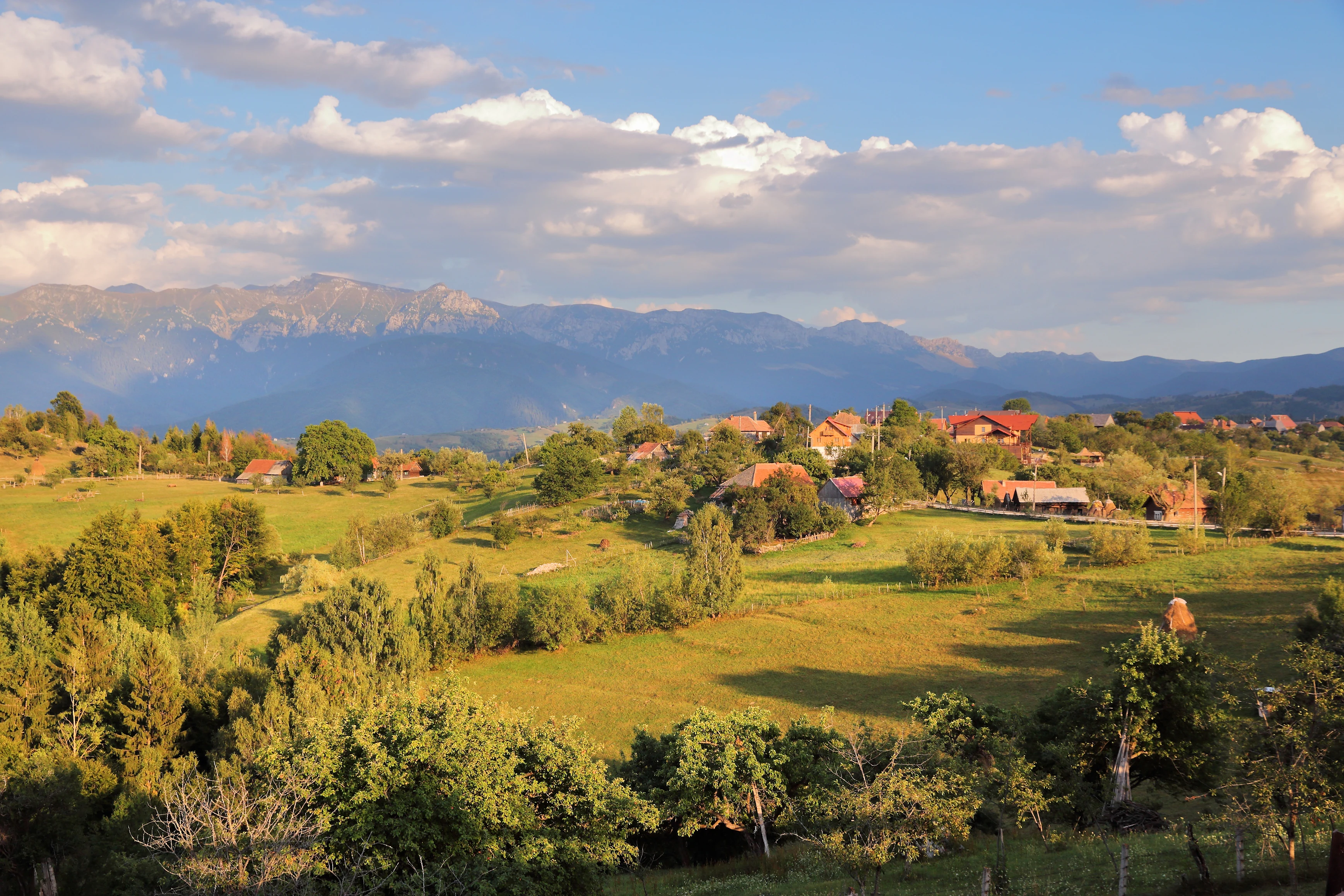
The landscape of Piatra Craiului is surrounded by traditional Romanian villages that maintain connections to historic land-use patterns and agricultural traditions. Măgura, Peștera, Ciocanu, and Șirnea are among the settlements that provide access to the eastern slopes of the park and offer visitors opportunities to experience traditional Romanian mountain culture. These communities have historically utilized the surrounding lands for pastoral activities, with seasonal grazing patterns contributing to the maintenance of open grasslands in the subalpine zone. The visitor center and park administration in Zărnești coordinate conservation activities while also supporting interpretation and environmental education. The 2003 film Cold Mountain, starring Nicole Kidman and Jude Law, was filmed in Prăpăstiile Zărneștiului, bringing international attention to this dramatic landscape.
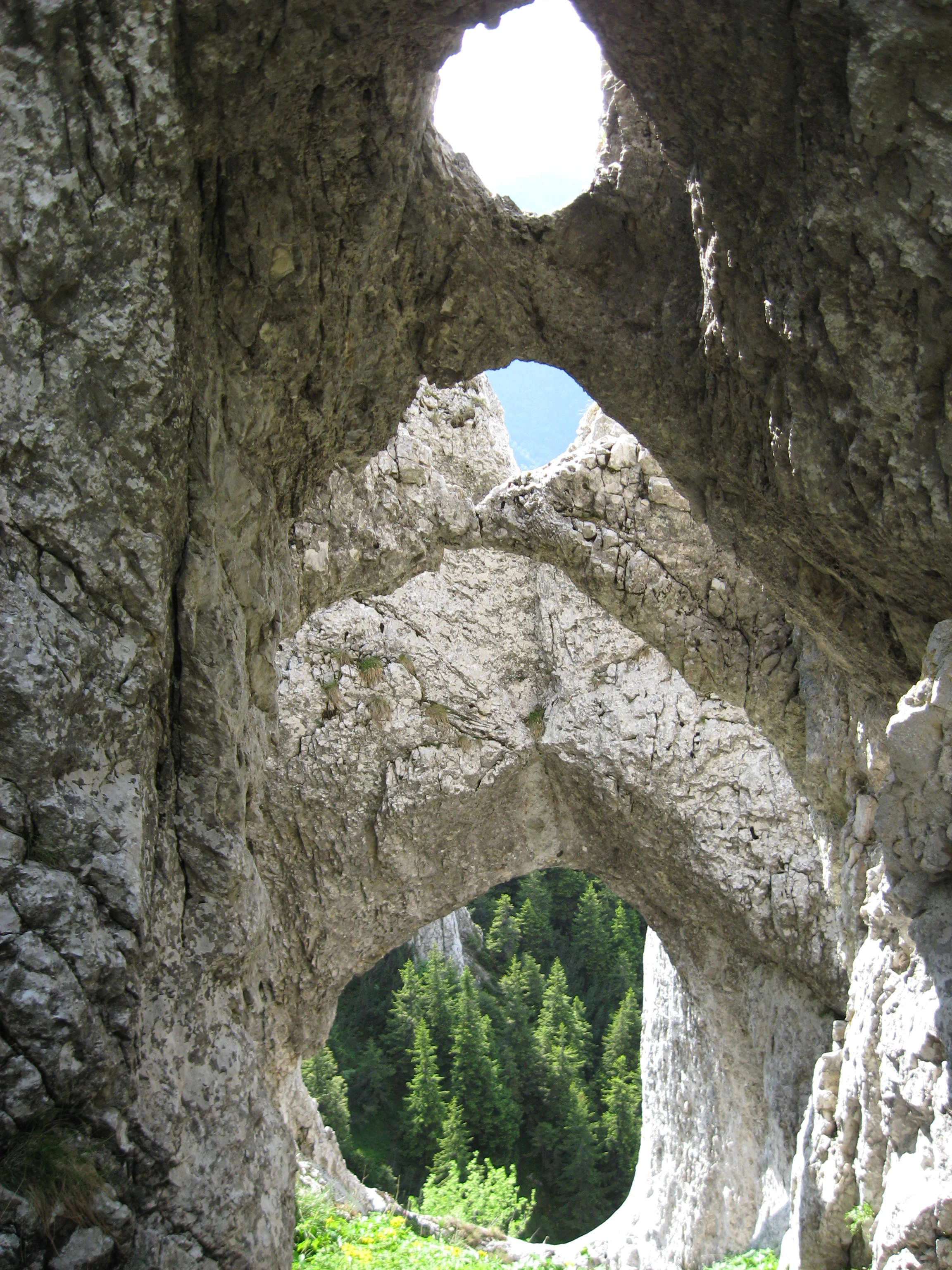
Top sights and standout views in Piatra Craiului National Park

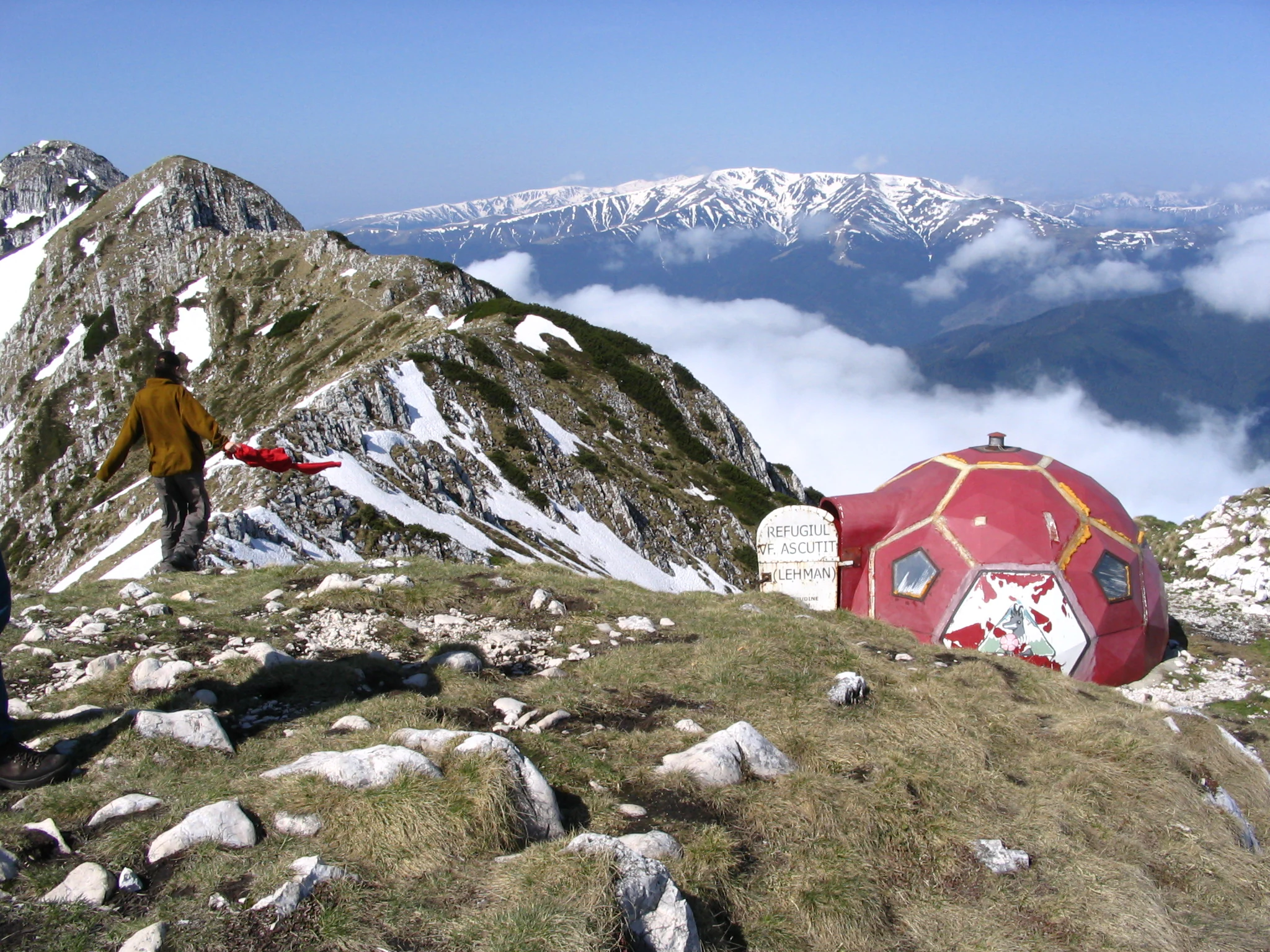
The Piatra Craiului ridge trail is the park's flagship hiking experience, offering a challenging two-day traverse along the narrow spine of the mountain with spectacular views in both directions. The Prăpăstiile Zărneștiului gorge provides accessible dramatic scenery with its towering limestone walls and is suitable for both sightseeing and rock climbing. The annual Piatra Craiului Marathon in early October attracts trail runners to test themselves against the mountain's demanding 42-kilometer course with 2,300 meters of elevation gain. The chamois populations and regular sightings of brown bears, wolves, and lynx provide wildlife observation opportunities for patient observers. The network of caves, including systems accessible for exploration, showcases the karst landscape beneath the surface.
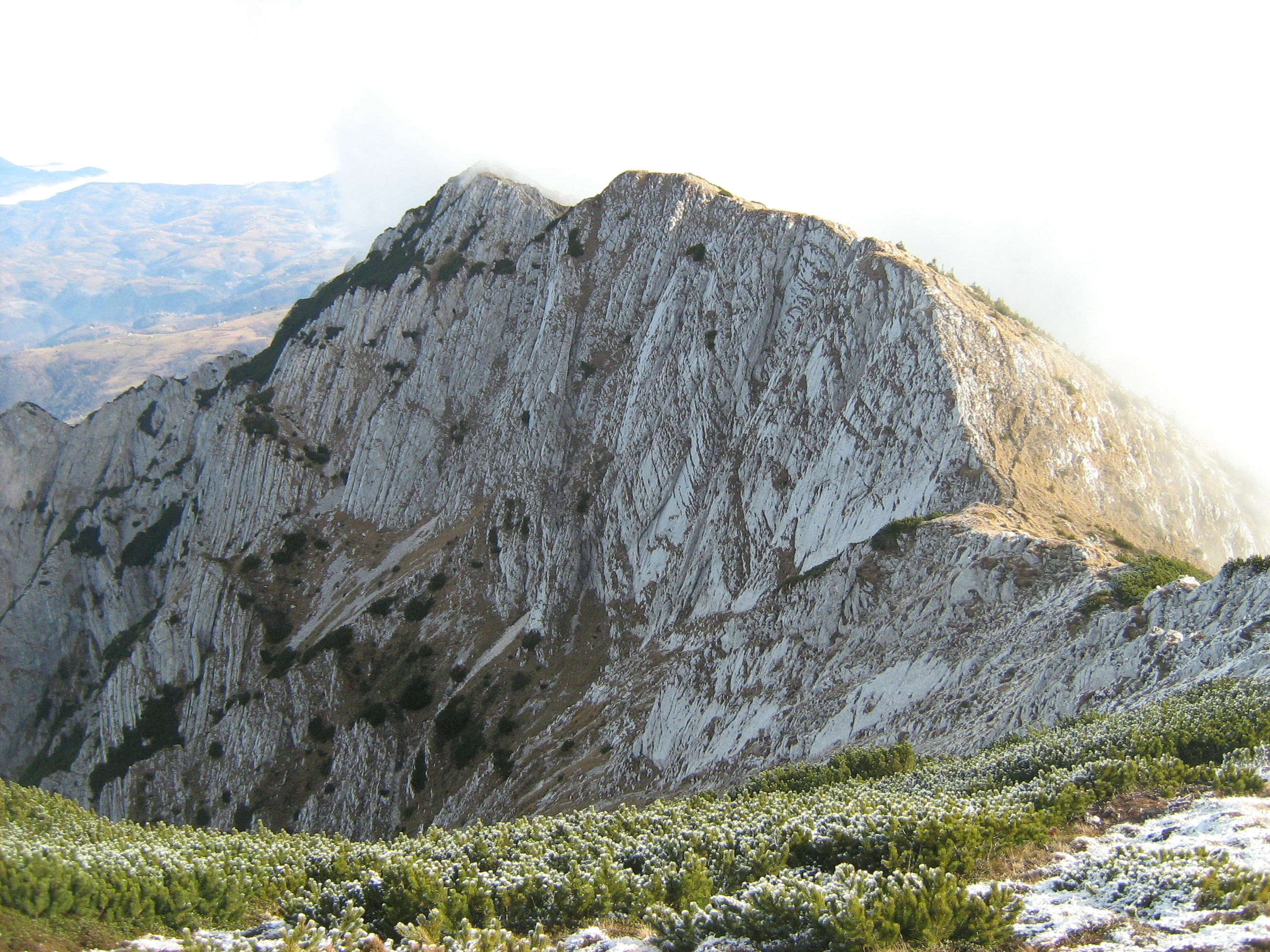
Best time to visit Piatra Craiului National Park

The summer months of July and August offer the most reliable conditions for ridge hiking, with warm temperatures and generally stable weather in the alpine zone, though afternoon thunderstorms are common. The shoulder seasons of June and September provide cooler conditions and fewer crowds, with the autumn season offering particularly dramatic light and the opportunity to witness the Piatra Craiului Marathon. Winter access is limited and requires mountaineering experience due to snow and ice on the ridge, but the snow-covered limestone presents a dramatically different landscape. Spring conditions can be variable as snow retreats and conditions change rapidly. The deep gorges are accessible for much of the year but can be dangerous during spring snowmelt or heavy rain events.

Park location guide

Geography guide, regional context, and park location map for Piatra Craiului National Park

Piatra Craiului National Park park geography, regions, and map view in Romania
Understand where Piatra Craiului National Park sits in Romania through a broader geographic reading of the surrounding landscape, nearby location context, and its mapped position within the national park landscape.

How Piatra Craiului National Park fits into Romania

Romania is a unitary semi-presidential republic located in Southeast and Central Europe. It borders Ukraine, Hungary, Serbia, Bulgaria, Moldova, and the Black Sea. The country has a population of approximately 19 million and covers an area of 238,397 km². Bucharest is the capital and largest city. Romania joined the European Union in 2007.

Wider geography shaping Piatra Craiului National Park in Romania

Romania lies on the lower course of the Danube River, north of the Balkan Peninsula, and on the northwestern shore of the Black Sea. The terrain is varied, featuring the Carpathian Mountains in the center, the Transylvanian Plateau, the Moldavian Plateau, and plains along the Danube and in the south. The country has a diverse landscape that includes forests, meadows, and wetland areas.

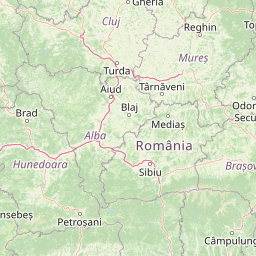
Map view of Piatra Craiului National Park

Use this park location map to pinpoint Piatra Craiului National Park in Romania, understand its exact geographic position, and read its mapped placement within the surrounding landscape more clearly.

Pigeon | © OpenStreetMap contributors

Location context for Piatra Craiului National Park

Argeș CountyBrașov County
Park atlas

Explore the Mapped Geography and Connected Protected Landscapes of Romania's Carpathian Mountain Range

Discover Other National Parks and Protected Areas Near Piatra Craiului National Park in the Southern Carpathians
After exploring Piatra Craiului National Park, browse other national parks and protected areas within Romania's Southern Carpathians, comparing diverse mountain, forest, and karst landscapes. Gain broader geographic and ecological context for conservation efforts and unique natural features defining this prominent European mountain range and its surrounding regions.
Protected landscape

Bucegi Natural Park: Protected Landscape Mapping and Regional Geographic Overview

Explore its mapped boundaries and natural terrain.

As a protected landscape in Romania, Bucegi Natural Park offers a distinct focus for geographic study and atlas exploration. This detail page provides access to its mapped protected boundaries, helping users understand its specific location and regional context. Discover how this natural area contributes to the broader understanding of protected lands within the national geography. MoriAtlas enables a clear view of Bucegi Natural Park's landscape characteristics and its place within a mapped system of natural reserves.

Area
0.327 km²
Established
2000
IUCN
V
Relief
Mountain
Watercolor painting showing green hills, trees, and a river
National parkVâlcea County

Cozia National Park: Protected Landscape and Regional Geography in Vâlcea County

Discover the mapped protected area in Romania's landscape.

Cozia National Park is a key national park situated within Vâlcea County, Romania. This page facilitates the exploration of its protected landscape, offering detailed insights into its geographic context and mapped features. Understand how Cozia National Park contributes to the regional geography and atlas of Romania's protected areas, providing a foundation for structured landscape discovery.

Area
171 km²
Established
2000
IUCN
II
Relief
Mountain
Protected landscapeSibiu County

Dumbrava Sibiului Natural Park: Protected Landscape Atlas and Geographic Discovery

Explore the mapped natural terrain and regional context.

Dumbrava Sibiului Natural Park is a designated protected landscape offering a unique lens into Romania's natural geography. This entry provides detailed atlas-level information on the park's protected boundaries and its setting within Sibiu County, part of the historic Transylvania region. Understand the park's landscape character and its role in the regional geography through structured map data.

Area
9.93 km²
Established
2000
IUCN
V
Relief
Lowland
National parkVâlcea County

Buila-Vânturarița National Park: Romania's National Park in Vâlcea County Geography

Mapped protected landscape within Vâlcea County.

Delve into the specifics of Buila-Vânturarița National Park, a designated national park in Vâlcea County, Romania. This detailed entry focuses on its protected landscape identity and geographic placement, offering precise mapped boundary information relevant for atlas exploration. Understand how this national park contributes to the regional geography and protected area network, providing a foundational element for structured discovery of Romania's natural environments.

Area
41.86 km²
Established
2005
IUCN
II
Relief
Mountain
Protected landscapeVrancea County

Putna-Vrancea Natural Park: A Protected Landscape in Vrancea County's Carpathian Mountains

Explore mapped terrain, natural park boundaries, and regional geography.

Putna-Vrancea Natural Park, designated as a protected landscape, offers detailed geographic insights into the Vrancea Mountains in Romania. Users can explore the park's mapped terrain, understand its protected boundaries, and contextualize its natural park status within Vrancea County and the broader Eastern Carpathians region. This atlas-focused view highlights the unique landscape features and regional geographic significance of this Romanian protected area.

Area
302.04 km²
Established
2005
IUCN
V
Relief
Mountain
Watercolor illustration of a landscape with mountains, trees, and a river
Protected landscapeSibiu County

Cindrel Natural Park: Protected Landscape within Sibiu County's Regional Geography

Mapped natural landscapes and protected area context.

Delve into the protected landscape of Cindrel Natural Park, situated in Sibiu County, Romania. This page offers a detailed geographic perspective, highlighting the park's mapped boundaries and its role within the broader natural terrain of the Southern Carpathians. Understand the structured atlas data that defines Cindrel Natural Park and its regional significance for protected land discovery.

Area
98.73 km²
Established
2000
IUCN
V
Relief
Mountain
National parkGorj County

Defileul Jiului National Park: Romania's Protected National Park Landscape in Gorj County

Explore maps, geography, and protected area context.

Defileul Jiului National Park is a vital protected natural area situated in Gorj County, Romania. This MoriAtlas page serves as a detailed entry point for understanding the park's specific geography, its mapped perimeters, and its significance within the regional landscape atlas. Discover the park's topographic features and its relationship to the surrounding terrain of the Southern Carpathians, providing essential context for geographic exploration.

Area
111.27 km²
Established
2005
IUCN
II
Relief
Mountain
National park

Cheile Bicazului-Hășmaș National Park: Protected Area Geography and Mapped Landscape Identity

Discover Romania's National Park mapped boundaries and regional context.

Cheile Bicazului-Hășmaș National Park represents a vital component of Romania's protected natural areas, offering rich geographic detail for atlas enthusiasts. This national park's mapped landscape and defined protected boundaries provide essential context for understanding regional geography and conservation efforts. Explore the specific identity of this protected terrain and its significance within the broader Romanian atlas.

Area
65.75 km²
Relief
Mountain
Scope
Mixed
Water
Minor water

Common questions about visiting, size, designation, and location context for Piatra Craiului National Park

Piatra Craiului National Park FAQs for park facts, access, geography, and protected area context
Find quick answers about Piatra Craiului National Park, including protected-area facts, park geography, trail and visitor context, and how the park fits into its surrounding country and regional landscape.
MoriAtlas Explorer

Continue Your Protected Areas Search Across the Global Atlas

Deepen your exploration by continuing the structured search for national parks and protected areas worldwide. Utilize the comprehensive filtering capabilities to compare different conservation landscapes and refine your understanding of global park geography. Discover more about the distribution and characteristics of protected natural areas.

Global natural geography