Why Pongara National Park stands out
Pongara National Park is best known for its exceptional coastal and wetland habitats that support remarkable biodiversity. The park's mangrove forests, dominated by Avicennia and Rhizophora species, form a critical stabilizing ecosystem along the estuary shoreline. Perhaps most significantly, the park serves as a vital nesting ground for leatherback sea turtles, with the beaches providing important breeding habitat for this endangered species. The Gabon Estuary hosts impressive concentrations of migratory waterbirds, with up to 10,000 waders overwintering in the area annually. The park also protects populations of African elephants, western gorillas, and chimpanzees within its forest interior, making it one of the few protected areas where large mammals can be found relatively close to Gabon's capital city.
Pongara National Park history and protected-area timeline
Pongara National Park was officially established on February 2, 2007, as part of Gabon's expansion of its national park network during the early 2000s. The park's designation coincided with its recognition as a Ramsar Wetland of International Importance under the Ramsar Convention, acknowledging the international significance of its coastal wetland ecosystems. The creation of the park was coordinated through Gabon's National Agency for National Parks, the governmental body responsible for managing the country's protected areas. Prior to formal protection status, the area had been known as the Pongara National Forest and had faced increasing pressure from human activities including logging, agriculture, and fishing. The transition to full national park status provided stronger legal protections and institutional frameworks for conservation management. Local communities have historically inhabited the Pongara region, with evidence of human presence dating back to the Neolithic era, and traditional land use practices including cassava and banana cultivation, hunting, and fishing have shaped the landscape over millennia.
Pongara National Park landscape and geographic character
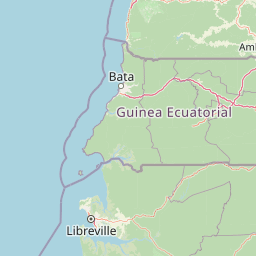
The landscape of Pongara National Park is defined by its position along the Gabon Estuary, where the combination of tidal influences, river outflows, and oceanic processes create a dynamic coastal environment. The park's coastline features a long, relatively unbroken strip of sandy beach that separates the forest from the Atlantic Ocean, providing important habitat for nesting sea turtles. Behind the beach, dense mangrove forests dominate the lower-lying areas, with characteristic salt-tolerant trees forming dense canopies over tidal channels and mudflats. The mangrove stands, primarily composed of Avicennia and Rhizophora species, extend inland along riverbanks and into areas of poor drainage, creating extensive forested wetlands. Moving away from the water, the terrain rises slightly into swamp forest zones that remain seasonally inundated, then transitions into riverine forest along watercourses and finally into seasonally dry forest on higher ground. The grassy savanna areas within the park occupy pockets where fire maintains open grassland conditions within the broader forest matrix. The rivers flowing through the park, including the Remboué, Igombiné, and Gomgoué, carve channels through the landscape and serve as important corridors for both wildlife movement and nutrient transport between the estuary and interior forests.
Pongara National Park ecosystems, habitats, and plant life
The ecological character of Pongara National Park centers on its diverse coastal forest and wetland habitats that together support exceptional biodiversity. The mangrove forests represent one of the most productive ecosystems in the park, with Avicennia and Rhizophora species forming dense stands that stabilize sediments, filter water, and provide critical nursery habitat for fish, crustaceans, and other marine organisms. The golden leather fern (Acrostichum aureum) thrives in the mangrove understory, contributing to the characteristic appearance of these coastal forests. The swamp forest and riverine habitats support a different suite of species adapted to periodic flooding, with buttressed trees and lianas common in these areas. The estuary itself functions as a major feeding and resting area for migratory birds traveling along the East Atlantic flyway, with impressive concentrations of waders present during the non-breeding season. The seasonal influx of birds to the estuary represents one of the most significant ornithological features of the park, with thousands of individuals overwintering in the protected waters.
Pongara National Park wildlife and species highlights
The wildlife community of Pongara National Park encompasses both terrestrial forest species and marine coastal organisms, reflecting the diverse habitats within the protected area. The rainforest interior supports populations of large mammals including African elephants, western gorillas, and chimpanzees, along with various monkey species, African buffaloes, and duikers. These forest-dwelling animals rely on the connected habitats within the park, using river corridors and forest paths to move through the landscape. The marine and coastal environments host particularly significant populations of sea turtles, with the beaches serving as nesting grounds for leatherback sea turtles and the waters providing foraging habitat for hawksbill, green, and olive ridley turtles. Conservation efforts by local organizations focus heavily on protecting nesting leatherback turtles, including monitoring of female turtles as they come ashore to lay eggs, nest protection, operation of a turtle hatchery, and environmental education programs for surrounding communities. The estuary and coastal waters support rich fish communities and attract numerous bird species, with migratory waders present in particularly impressive numbers during the winter months.
Pongara National Park conservation status and protection priorities
Pongara National Park holds significant conservation importance at both national and international levels, as recognized by its dual designation as a national park and Ramsar Wetland. The park protects one of the most extensive coastal mangrove systems in Gabon, habitat that provides critical ecosystem services including coastline stabilization, carbon storage, and support for fisheries. The leatherback turtle nesting beaches represent a conservation priority, as this species faces significant threats across its global range, and protection of nesting sites is essential for population survival. The estuary's importance for migratory waterbirds, hosting up to 10,000 overwintering waders, establishes the site as a key location along the East Atlantic flyway and an internationally significant bird area. The park's proximity to Libreville creates both opportunities and challenges for conservation, as accessible green space provides value for environmental education and tourism while also exposing the area to pressures from a growing capital region. Local conservation organizations play an active role in monitoring and protecting key species, particularly through turtle conservation programs that include nest protection, tagging, and community engagement.
Pongara National Park cultural meaning and human context
The Pongara region has supported human communities for thousands of years, with archaeological evidence indicating human presence in the area dating back to the Neolithic era. Local populations have traditionally practiced subsistence agriculture, cultivating cassava and banana in the forest margin areas, along with hunting and fishing as important livelihood activities. The relationship between human communities and the landscape has shaped the ecological character of the area over millennia, with traditional land use practices contributing to the mosaic of forest, savanna, and modified habitats present today. The communities surrounding the park maintain cultural connections to the coastal environment, and the turtle conservation programs have been developed with local participation, recognizing the importance of integrating community needs with conservation objectives. Environmental education programs operated by conservation organizations provide opportunities for local residents to learn about the ecological significance of the park and to participate in species protection efforts.
Top sights and standout views in Pongara National Park
Pongara National Park offers a rare combination of accessible coastal wilderness with exceptional biodiversity value. The mangrove-fringed estuary provides one of the most extensive and intact coastal wetland ecosystems in the region, supporting remarkable concentrations of migratory birds during the winter months. Leatherback sea turtle nesting represents a flagship conservation feature, with the protected beaches supporting one of the most significant nesting populations along the Gabon coast. The park's forest interior maintains viable populations of African forest elephants, gorillas, and chimpanzees, species that are increasingly rare in accessible locations. The proximity to Libreville makes Pongara an ideal destination for visitors seeking to experience Gabon's natural heritage without extensive travel, offering opportunities for wildlife observation, birdwatching, and exploration of coastal ecosystems. The Ramsar designation recognizes the international importance of the wetland habitats, while the national park status ensures protection of both coastal and forest ecosystems within a unified management framework.
Best time to visit Pongara National Park
The optimal time to visit Pongara National Park generally corresponds to the drier months, typically from June through September, when rainfall is reduced and wildlife viewing conditions are more favorable. During this period, the forest is more accessible and animals may congreg more visibly around remaining water sources. The sea turtle nesting season peaks earlier in the year, with leatherback turtles typically coming ashore to nest from around March through May, making this period particularly significant for those interested in observing this remarkable spectacle. Bird migration patterns bring the largest concentrations of waders to the estuary during the Northern Hemisphere winter months, roughly November through March, providing exceptional birdwatching opportunities. The wet season from October through May brings higher rainfall and can make some areas more difficult to access, though the forest is at its most lush and the overall atmosphere is notably green. Visitors should be aware that conditions can vary from year to year and that access to certain areas may be affected by seasonal weather patterns.