Why Pryazovia National Nature Park stands out
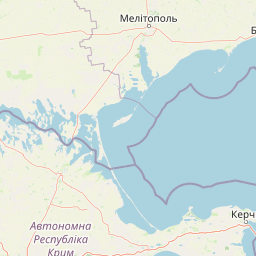
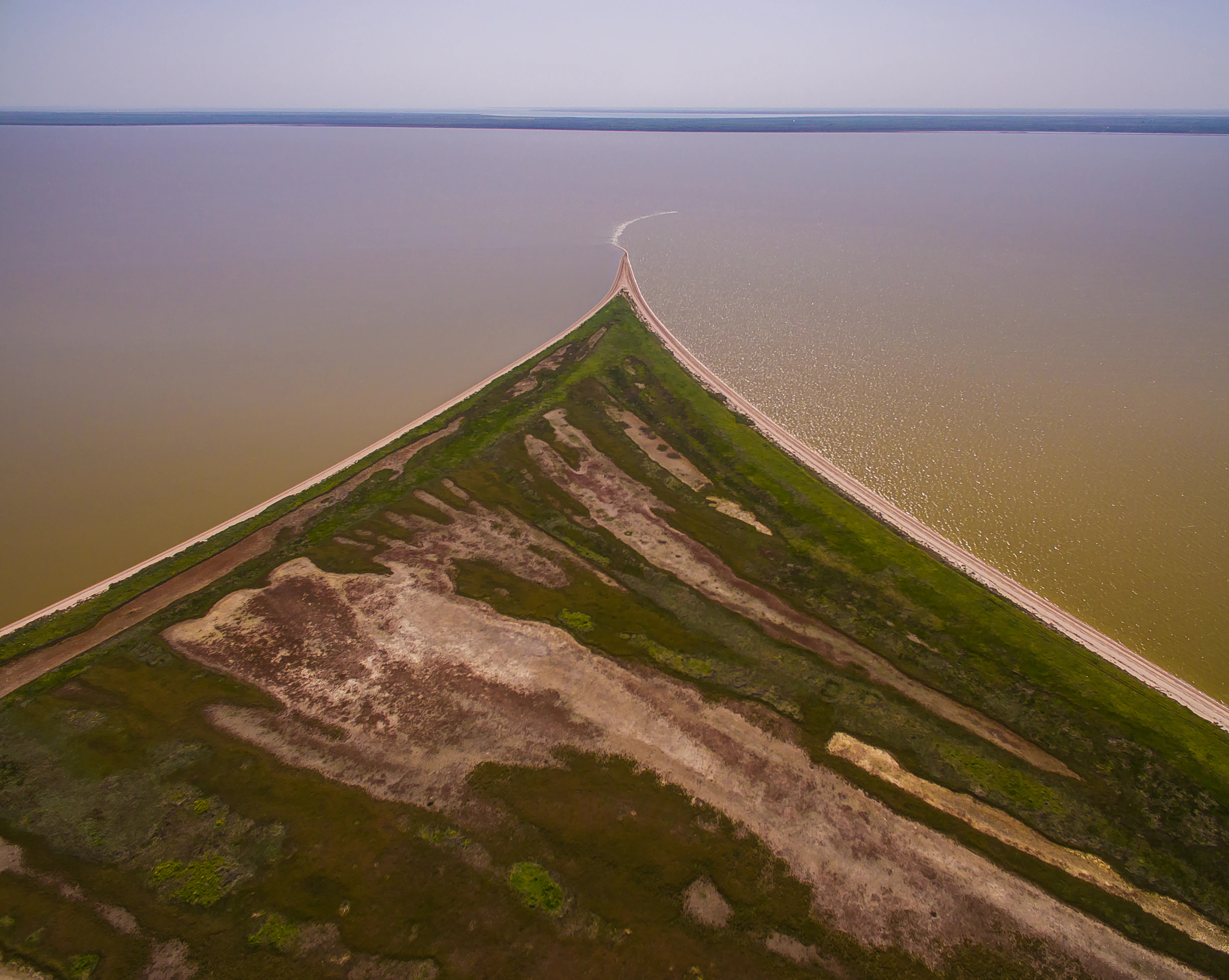
Pryazovia National Nature Park is best known for its exceptional wetland complexes that serve as major nesting and migratory staging grounds for waterfowl. The park protects the transitional ecosystems between the Pontic-Caspian steppe and the Azov Sea, creating unique habitats where steppe vegetation meets brackish estuarine environments. The Molochnyi Lyman and Berda River estuary are recognized as wetlands of international importance under the Ramsar Convention, supporting very large populations of nesting and migratory birds. The coastal landscape features distinctive spits, including the Fedotova Spit, which connects to Biryuchyi Island and forms part of a broader chain of coastal landforms along the Azov Sea.
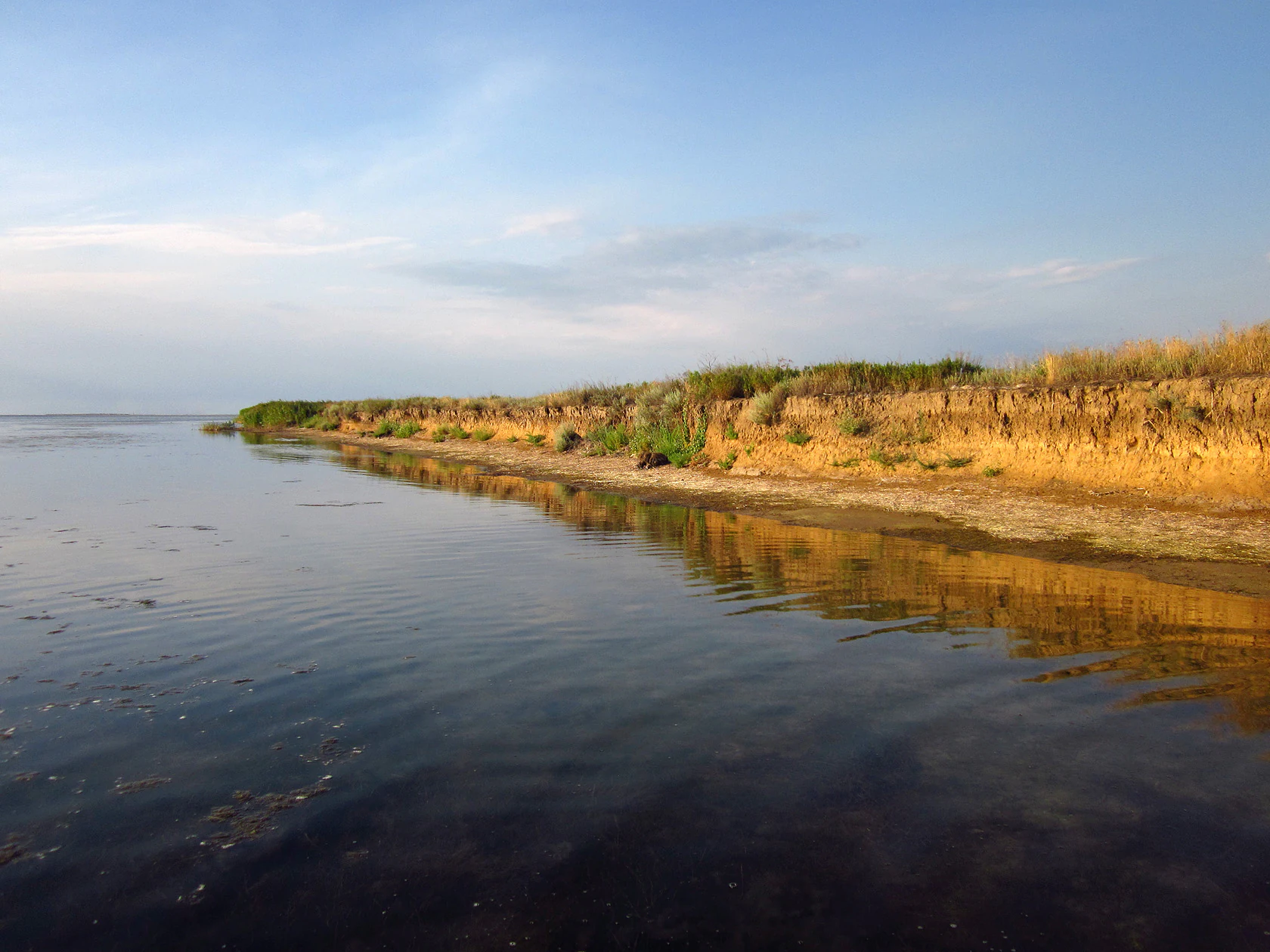
Pryazovia National Nature Park history and protected-area timeline
Pryazovia National Nature Park was established in 2010 as part of Ukraine's expanding network of protected areas. The creation of the park reflected growing recognition of the ecological significance of the Azov Sea coastal zone and the need to preserve the transition ecosystems between steppe and wetland habitats. The park was designated under Ukraine's protected areas legislation and is managed by the Ministry of Ecology and Natural Resources. Its establishment followed detailed scientific surveys documenting the area's biodiversity, particularly the importance of the Molochnyi Lyman and Berda River estuary as bird habitats. The park's classification as IUCN Category II reflects its status as a national park with the primary objectives of protecting ecological processes and native species while also allowing for compatible visitor use and environmental education.
Pryazovia National Nature Park landscape and geographic character
The physical landscape of Pryazovia National Nature Park is defined by its coastal position on the northwest shore of the Sea of Azov. The terrain is predominantly flat to gently rolling coastal plain, punctuated by the distinctive estuarine systems known as limans, which are partially enclosed lagoons where rivers meet the sea. The Molochnyi River, the largest watercourse flowing through the park, creates a broad delta that opens into the Molochnyi Lyman, a saline lagoon separated from the open sea by a narrow barrier. The park's topography includes extensive floodplain areas, sand spits such as the Fedotova Spit, peninsulas, and chains of sandy and shell-rich islands. The coastline features a mix of beach zones, dunes, and areas of saline marsh. Inland from the coast, the landscape transitions into the open steppe that characterizes much of the Pontic-Caspian region. The combination of flat terrain, rich soils, and proximity to water has historically made this region important for agriculture, though significant natural habitat remains within the park's boundaries.
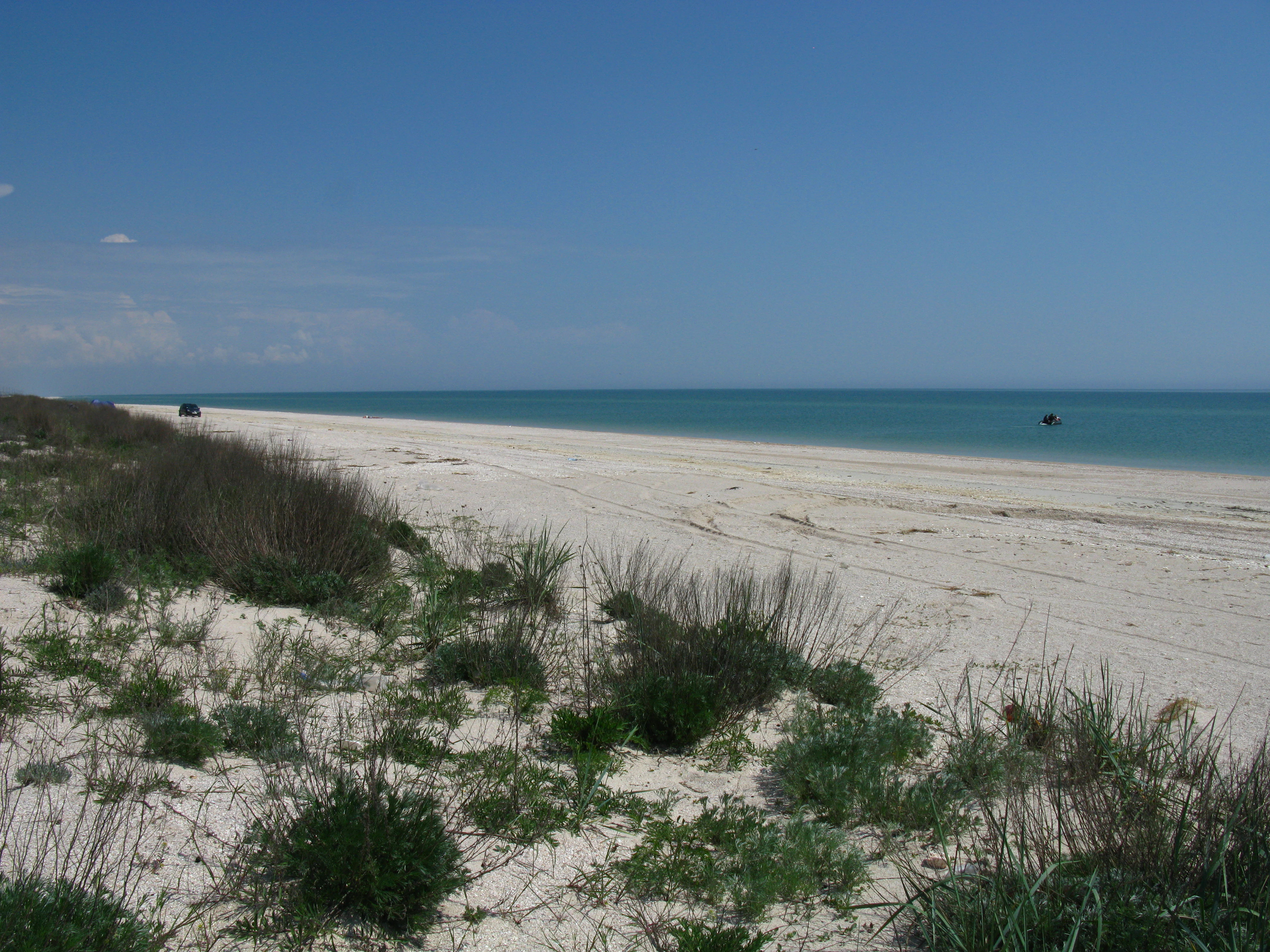
Pryazovia National Nature Park ecosystems, habitats, and plant life
The ecological character of Pryazovia National Nature Park centers on the intersection of two major biomes: the Pontic-Caspian steppe and the wetland ecosystems of the Azov Sea coast. This creates a mosaic of habitats that supports both steppe-adapted species and water-dependent wildlife. The park's wetlands are among the most productive in the region, with the estuarine waters supporting diverse communities of fish, invertebrates, and waterfowl. The variable salinity of the limans creates unique conditions that support both freshwater and marine species. Steppe areas within the park preserve fragments of the once-vast grasslands that covered this region, though much of the original steppe outside protected areas has been converted to agricultural use. The climate classification as humid continental with hot summers (Köppen Dfa) supports a growing season that sustains both agricultural use and natural vegetation. Precipitation averages 300-400mm annually, with evaporation rates of 800-900mm creating semi-arid conditions in some areas that influence vegetation patterns.
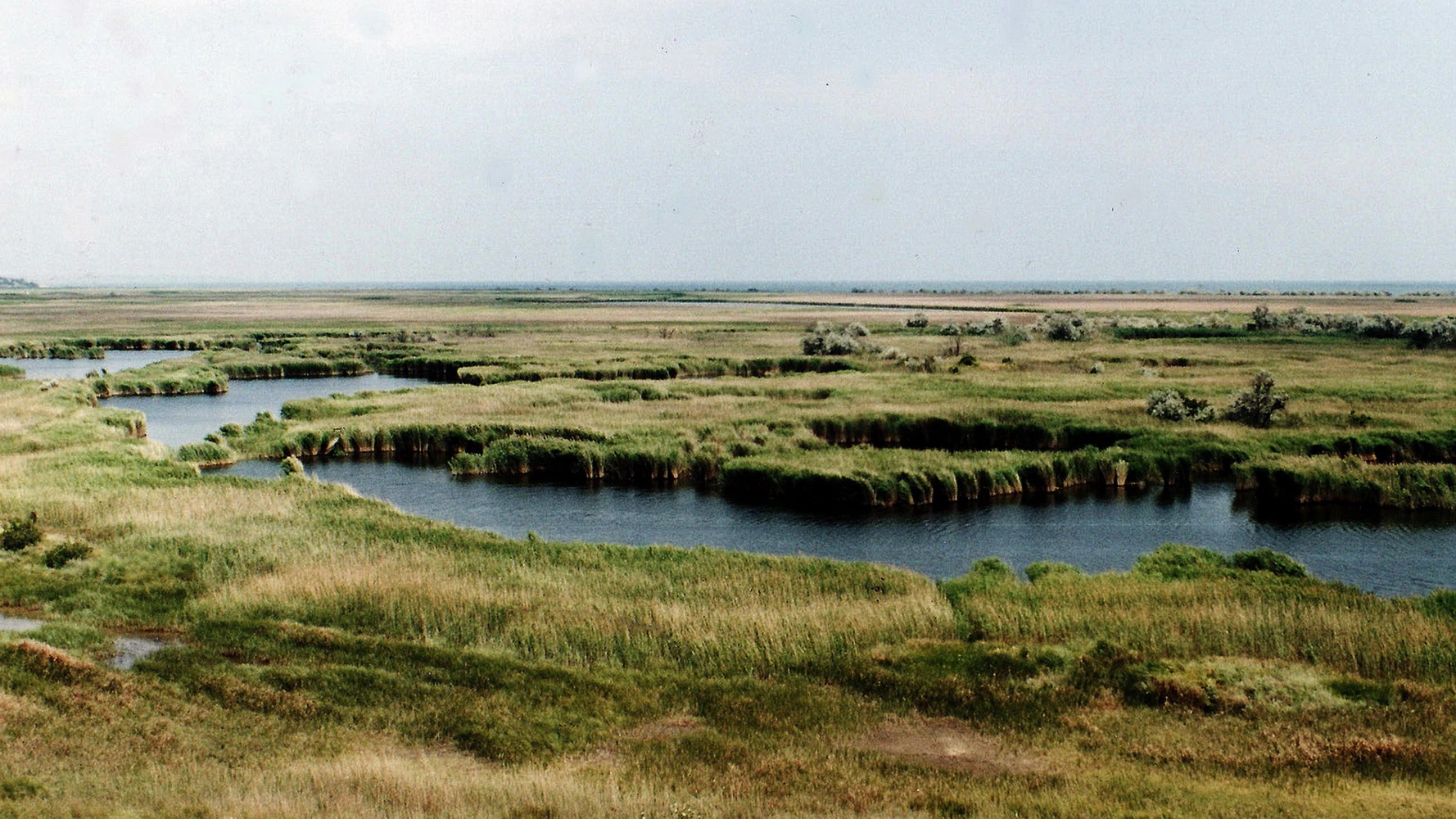
Pryazovia National Nature Park wildlife and species highlights
Pryazovia National Nature Park supports exceptionally large populations of nesting and migratory waterfowl, making it one of the most important bird areas in Eastern Europe. The wetlands provide critical habitat for colonial nesting birds, including various species of ducks, geese, swans, and waders that use the area during their annual migrations between northern breeding grounds and southern wintering areas. The diverse habitats support both breeding populations and vast numbers of birds that pause to rest and feed during their journeys. The fish populations in the estuaries and limans support predatory birds and provide important ecological connections between aquatic and terrestrial food webs. While specific species lists vary seasonally, the park's international importance for waterbird conservation is well established, particularly for species that depend on coastal wetlands throughout their annual cycle.
Pryazovia National Nature Park conservation status and protection priorities
The park's conservation significance is underscored by the designation of two wetland complexes as Ramsar sites of international importance. The Molochnyi Lyman (Milky River Delta) and the Berda River Mouth together with the Berdianska Spit and Bay represent some of the most significant coastal wetlands in the Black Sea and Azov Sea region. These designations recognize the critical role these areas play in supporting biodiversity, particularly for migratory waterfowl. As a national park with IUCN Category II status, Pryazovia is managed to maintain ecological integrity while allowing for sustainable recreational use. The zoning system within the park allocates approximately 10% to strict protection, with additional areas designated for regulated use. The conservation framework also addresses the challenge of balancing human use with habitat preservation in a region where coastal development and agricultural expansion have historically put pressure on natural ecosystems.
Pryazovia National Nature Park cultural meaning and human context
The region surrounding Pryazovia National Nature Park has a long history of human settlement and use of the coastal environment. The area near Berdiansk and Melitopol has been important for agriculture, fishing, and more recently, tourism and recreation. The coastal zone has developed as a destination for beach holidays, with resort villages such as Kyrylivka providing visitor infrastructure. The region's reputation for mineral waters and therapeutic muds has attracted visitors seeking wellness benefits, contributing to a tradition of spa and recreational use that predates the park's establishment. Scientists associated with the park engage in educational programs for local communities and schools, helping to build awareness of the park's ecological values. The human landscape around the park includes both agricultural land and the traditional coastal settlements that have shaped the cultural identity of the Pryazovia region.
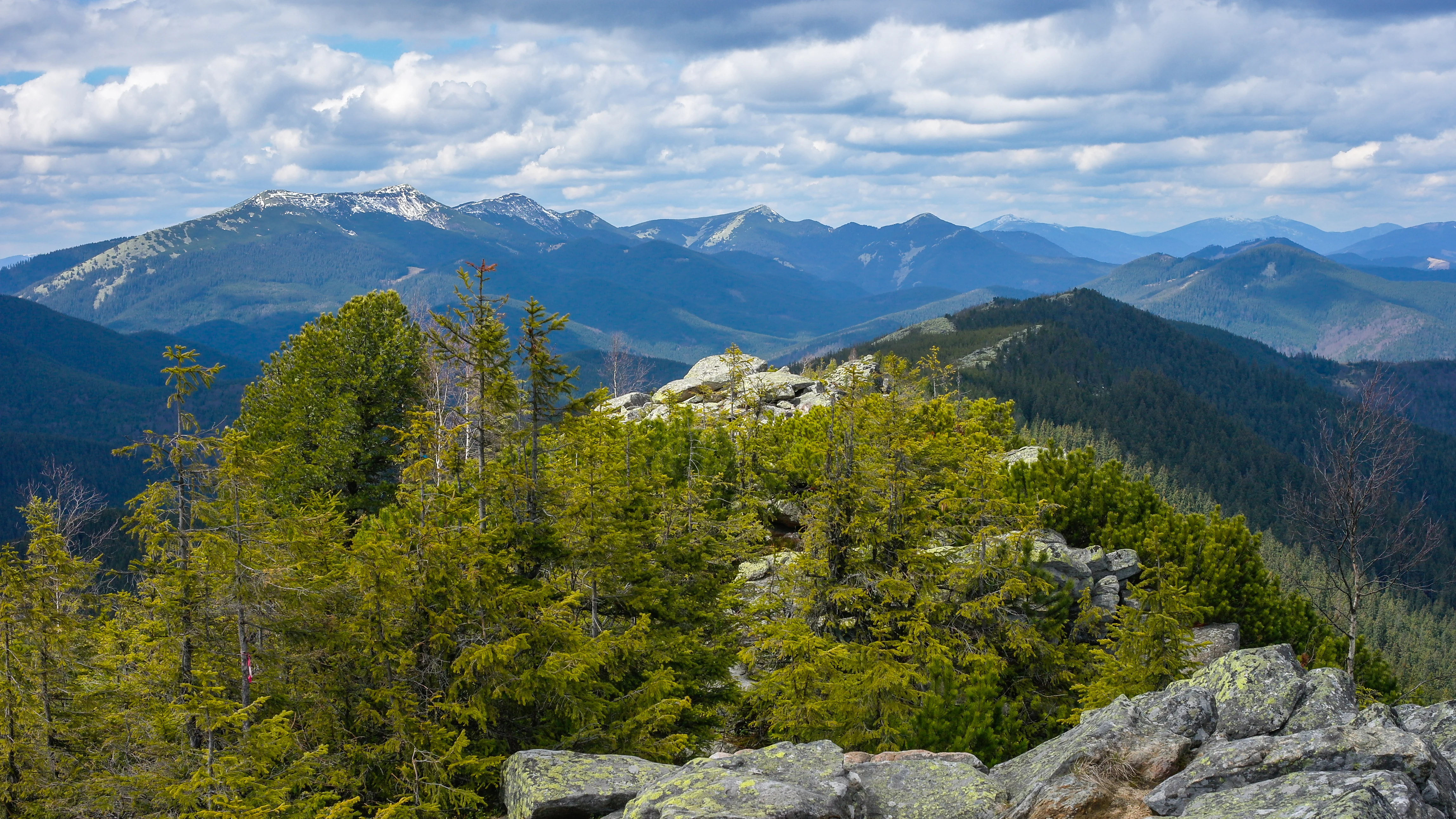
Top sights and standout views in Pryazovia National Nature Park
Pryazovia National Nature Park stands out as a premier destination for experiencing the unique ecosystems where the Pontic-Caspian steppe meets the Azov Sea. The park offers visitors the opportunity to explore extensive wetland complexes, observe large concentrations of migratory waterfowl, and traverse distinctive coastal landforms including spits, islands, and estuarine lagoons. The Fedotova Spit provides scenic beach access and connections to the broader chain of coastal islands. The park's position as the second-largest national park in Ukraine reflects both its ecological significance and the substantial area it encompasses. The presence of two Ramsar-designated wetlands demonstrates the international recognition of the park's importance for waterbird conservation and wetland ecosystem preservation.
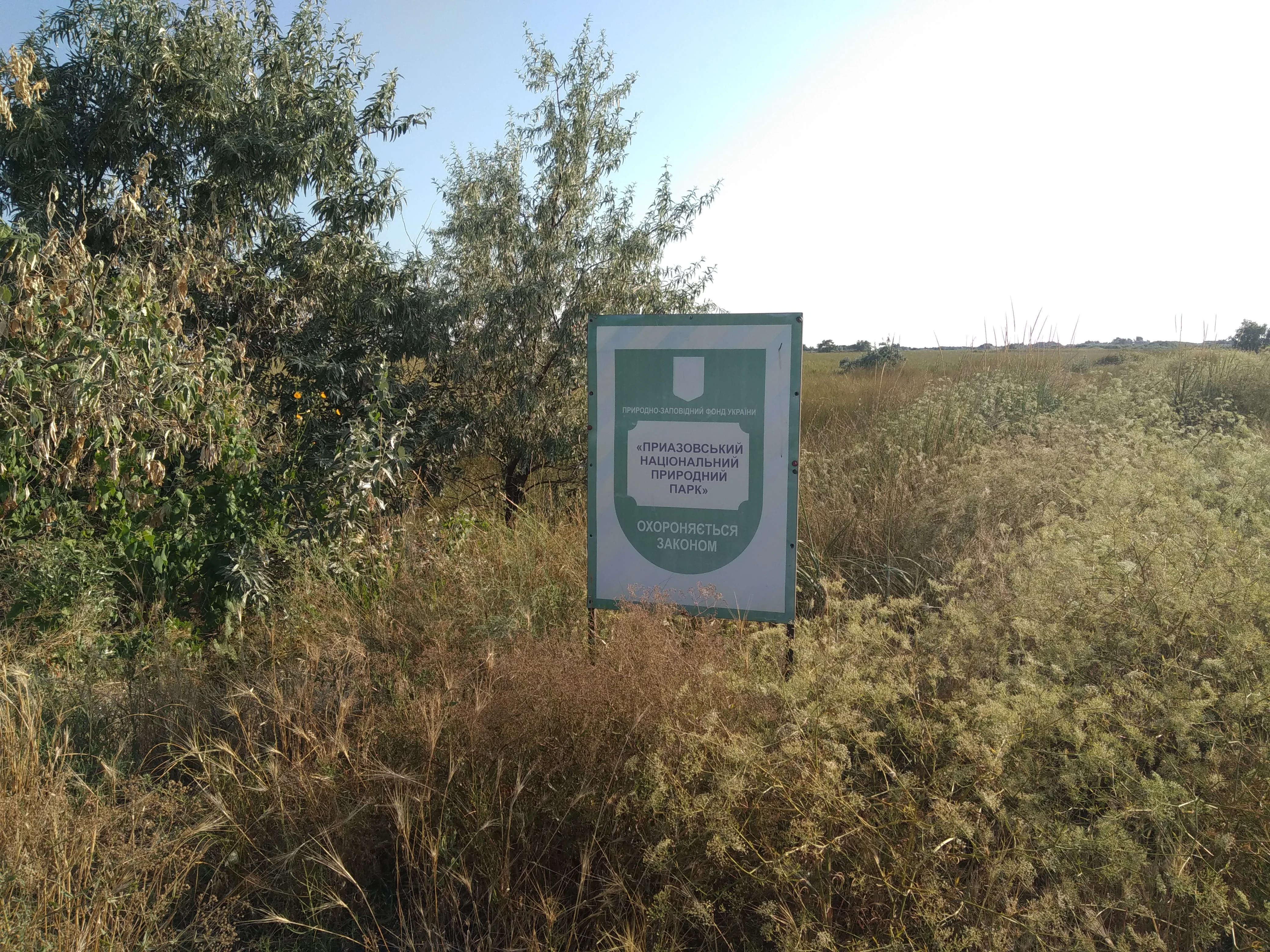
Best time to visit Pryazovia National Nature Park
The optimal time to experience Pryazovia National Nature Park depends on the type of activities and observations visitors wish to pursue. The summer months bring warm water temperatures reaching 30°C in June, making this the peak season for beach recreation along the coast and spit areas. However, the park's true ecological significance becomes most apparent during the spring and autumn migration periods when vast numbers of waterfowl pass through the wetlands. Birdwatchers and nature enthusiasts may find the migration seasons particularly rewarding, as the estuaries serve as crucial staging areas where birds rest and feed during their journeys. The shoulder seasons of spring and autumn also offer pleasant temperatures for exploring the park's landscapes, though visitors should be aware that some facilities may have seasonal availability.