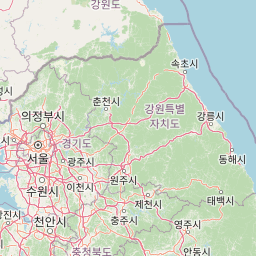
Why Seoraksan National Park stands out
Seoraksan is best known for its spectacular alpine scenery characterized by towering granite peaks, dramatic rock formations such as Ulsanbawi and Heundeulbawi, and cascading waterfalls including Biryeong and Yukdam that plunge through forested canyons. The park's ecological diversity is equally significant, supporting one of Korea's richest assemblages of flora and fauna across its elevational gradient from valley hardwood forests to subalpine pine communities. The presence of endangered species including the Korean goral, Korean musk deer, and Tristram's woodpecker underscores the park's conservation importance. Cultural landmarks such as the Buddhist temples Baekdamsa and Sinheungsa, nestled in the mountain valleys, add historical depth to the natural landscape and reflect the area's long spiritual significance.
Seoraksan National Park history and protected-area timeline
The protection of Seoraksan's natural heritage began in 1965 when the South Korean government designated the area as a nature reserve, recognizing the need to preserve its outstanding landscapes and ecological values. This initial protection laid the foundation for the park's formal establishment as South Korea's first national park on March 24, 1970, when the National Park Law came into effect and Seoraksan was designated under this new legal framework. The significance of the area was further recognized internationally when UNESCO designated Seoraksan as a biosphere reserve in 1982, acknowledging its importance as a representative temperate forest ecosystem with global conservation value. In 1991, the park hosted the 17th World Jamboree, a major international scouting event that brought thousands of young people from around the world to the mountain slopes, highlighting Seoraksan's capacity to accommodate large-scale international gatherings while maintaining its natural character. The park continues to be managed by the Korea National Park Service, which works to balance visitor access with conservation objectives across this heavily used but ecologically resilient protected landscape.
Seoraksan National Park landscape and geographic character
The physical landscape of Seoraksan National Park is defined by its location within the Baekdu mountain system, a range of ancient crystalline mountains that form the backbone of the Korean peninsula's eastern edge. The park's terrain is dominated by massive granite and gneiss formations that have been shaped by millions of years of erosion, creating the characteristic sharp ridges, steep cliffs, and towering rock spires that define the mountain's visual character. The highest peak, Daecheongbong, rises to 1,708 meters above sea level, while numerous other summits exceed 1,200 meters, creating an alpine environment unusual for the Korean peninsula. Deep valleys radiate from the central peaks, funnelling water drainage toward the eastern coast and creating habitats ranging from riparian corridors to steep north-facing slopes. The interplay of hard crystalline rock with the region's strong seasonal precipitation, including heavy summer monsoon rains and occasional typhoons, has produced the dramatic scenery of waterfalls, rock shelters, and carved passages that attract visitors to the park.
Seoraksan National Park ecosystems, habitats, and plant life
Seoraksan's ecological character reflects the park's position within a biologically diverse region of the Korean peninsula, supporting approximately 1,013 documented plant species including 822 vascular plant species across its elevational and aspect gradients. The southern slopes feature abundant Siberian pine forests, while the northern aspects are characterized by oak-dominated deciduous woodland that transitions to mixed conifer-hardwood communities in the deeper valleys where Thuja trees thrive. Dwarf pine and yew communities occupy higher elevation zones, while juniper, hawthorn, and Manchurian fir add to the forest composition on exposed ridges and slopes. The understory supports diverse herbaceous plants including forsythias and saw-worts, while the rare endemic plant Hanabusaya asiatica represents one of the park's botanical treasures. This vegetation diversity supports a corresponding animal richness, with 1,562 animal species documented to date, including mammals, birds, fish, and invertebrates that occupy the park's varied habitats from valley streams to alpine rock fields.
Seoraksan National Park wildlife and species highlights
The wildlife community within Seoraksan includes both common species and several rare taxa that find refuge within the protected area's diverse habitats. Mammals such as otters and the Siberian flying squirrel inhabit the riparian corridors and forested valleys, while birds of prey including kestrels and Chinese sparrowhawks hunt along the mountain slopes. The stream systems support fish species including lenok, Chinese minnow, and spotted barbel that require the cold, well-oxygenated waters of the park's mountain rivers. The park holds particular significance for endangered species including Tristram's woodpecker, a bird associated with old-growth forest, the Korean goral, a mountain-dwelling goat-antelope, and the Korean musk deer, a small forest deer that inhabits the steep terrain of the park's forested slopes. These species benefit from the protection afforded by the national park status and the broader biosphere reserve designation, which maintains habitat connectivity across the larger landscape.
Seoraksan National Park conservation status and protection priorities
Seoraksan National Park serves as a flagship protected area for South Korea, representing both the country's first national park and one of its most significant conservation landscapes. The park's designation as a UNESCO biosphere reserve in 1982 reflects international recognition of its ecological values, while its tentative World Heritage status acknowledges the outstanding universal value of its natural and cultural attributes. The protected area provides critical habitat for several endangered species, including the Korean goral and Korean musk deer, both of which are considered threatened at the national level. Management by the Korea National Park Service focuses on maintaining ecological integrity while providing controlled access for education and appreciation, balancing the heavy visitor use that the park receives with the conservation of its sensitive alpine ecosystems and rare species populations.
Seoraksan National Park cultural meaning and human context
The natural landscape of Seoraksan has been shaped by centuries of human presence, with Buddhist temples providing the most visible cultural layer within the park's boundaries. Baekdamsa and Sinheungsa, two significant Buddhist temples, are nestled within the mountain valleys, their architecture and setting reflecting the traditional Korean practice of siting sacred structures in prominent natural locations. These temples have drawn pilgrims and practitioners for generations, creating spiritual pathways and cultural practices that are interwoven with the physical landscape. The mountain itself holds significance in Korean cultural tradition, viewed as a sacred space where natural and spiritual realms intersect. This cultural heritage adds depth to the park's conservation values, creating a destination where visitors can experience both the natural world and the accumulated spiritual and historical meanings embedded in the landscape.
Top sights and standout views in Seoraksan National Park
Seoraksan offers visitors an exceptional combination of dramatic mountain scenery, ecological diversity, and cultural heritage within a protected wilderness setting. The iconic rock formation of Ulsanbawi, with its towering granite spires, stands as the park's most recognizable landmark, while the waterfalls of Biryeong and Yukdam provide dramatic natural spectacles as they cascade through the forested valleys. Hiking trails traverse the full range of the park's terrain, from accessible valley walks to challenging ridge routes that reward visitors with sweeping panoramas from the high peaks. The presence of ancient Buddhist temples within the forest setting creates moments of cultural discovery along trails that also offer encounters with diverse wildlife and plant communities. The park's status as South Korea's first national park and a UNESCO biosphere reserve underscores its significance both nationally and internationally as a conservation model and wilderness preserve.
Best time to visit Seoraksan National Park
Seoraksan can be visited year-round, though each season offers distinctly different experiences of the park's character. Spring brings flowering plants to the lower elevations and comfortable temperatures for hiking, while summer, though hot and humid, offers the full force of the park's waterfalls and lush green forest cover. Autumn provides perhaps the most spectacular season, with the deciduous forests displaying vivid fall coloration across the slopes and clear weather typically providing excellent visibility from the high ridges. Winter transforms the landscape into a stark alpine environment, with snow cover on the peaks creating dramatic contrast against the dark rock formations and offering a different kind of wilderness experience for those who embrace the cold. The heavy summer rains that characterize the region can bring flooding to valleys, so visitors planning summer trips should be aware of the potential for rapid weather changes and the park's susceptibility to typhoon conditions during late summer.