
Why Silent Valley National Park stands out
Silent Valley is renowned as the stronghold of the endangered lion-tailed macaque, one of India's most threatened primates. The park protects one of the most viable and undisturbed habitats remaining for this species, which depends on the flowering of Cullenia exarillata trees in the forest canopy. It is also notable for its exceptional plant diversity, including approximately 1,000 species of flowering plants with 108 orchid species, numerous endemic ferns, and economically valuable species such as cardamom and black pepper. The park's significance as a genetic resource for rice cultivation is historically important, as wild varieties from Silent Valley contributed to disease-resistant hybrid rice varieties that supported the Green Revolution in Asia.
Silent Valley National Park history and protected-area timeline
The history of Silent Valley National Park is profoundly shaped by the environmental movement that prevented its destruction. The first scientific exploration of the area occurred in 1847 by the botanist Robert Wight, and the British administration later declared the forest a reserve forest in 1914. Between 1927 and 1976, portions of the forest were subjected to forestry operations, but the valley itself remained largely undisturbed. In 1928, the site at Sairandhri on the Kunthipuzha River was identified as suitable for hydroelectric development, and by 1958 a 120-megawatt hydroelectric project costing Rs. 17 crore was proposed by the Kerala State Electricity Board. The valley became the focus of India's fiercest environmental movement of the 1970s when details of the Silent Valley Hydro-Electric Project emerged, revealing that the proposed reservoir would flood 8.3 square kilometres of virgin rainforest and threaten the lion-tailed macaque habitat. Scientists and activists including Romulus Whitaker mobilised public opposition, leading to the project's cancellation. The national park was officially established in 1980 and formally inaugurated on 7 September 1985, with a memorial at Sairandhri unveiled by Rajiv Gandhi. On 1 September 1986, it was designated as the core area of the Nilgiri Biosphere Reserve.
Silent Valley National Park landscape and geographic character
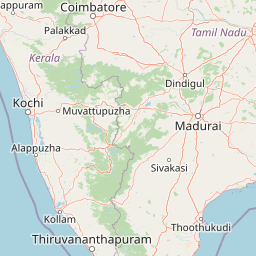
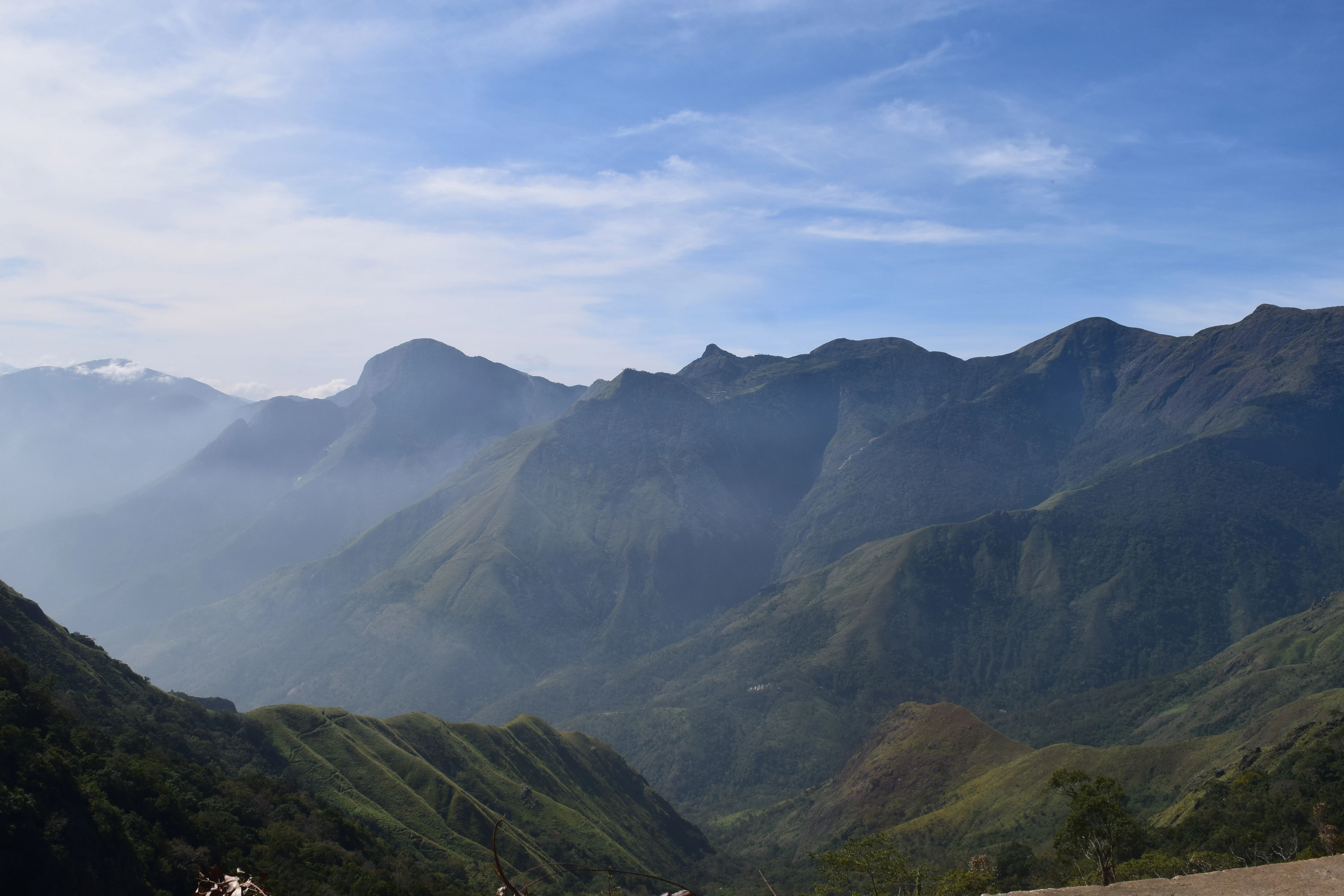
The physical landscape of Silent Valley National Park is defined by its position in the Nilgiri Hills at the southern extreme of the Western Ghats. The park forms a roughly rectangular basin measuring twelve kilometres from north to south and seven kilometres from east to west, cradled between continuous ridgelines that separate it from the higher plateaus to the north and east. The terrain slopes gradually southward toward the Palakkad plains while irregular ridges bound the western boundary. Elevation within the park ranges from 658 metres in the lower reaches to 2,328 metres at Anginda Peak, though most of the parkland lies between 880 and 1,200 metres. The underlying geology consists of granite with schists and gneiss, giving rise to loamy laterite soils on slopes and blackish, slightly acidic soils in the evergreen forests where organic matter accumulates. The Kunthipuzha River is the primary drainage, running the full north-south length of the park over a 12-kilometre course that drops from 1,861 metres to 900 metres in elevation, with the final eight kilometres being particularly gentle with a fall of only 60 metres.
Silent Valley National Park ecosystems, habitats, and plant life
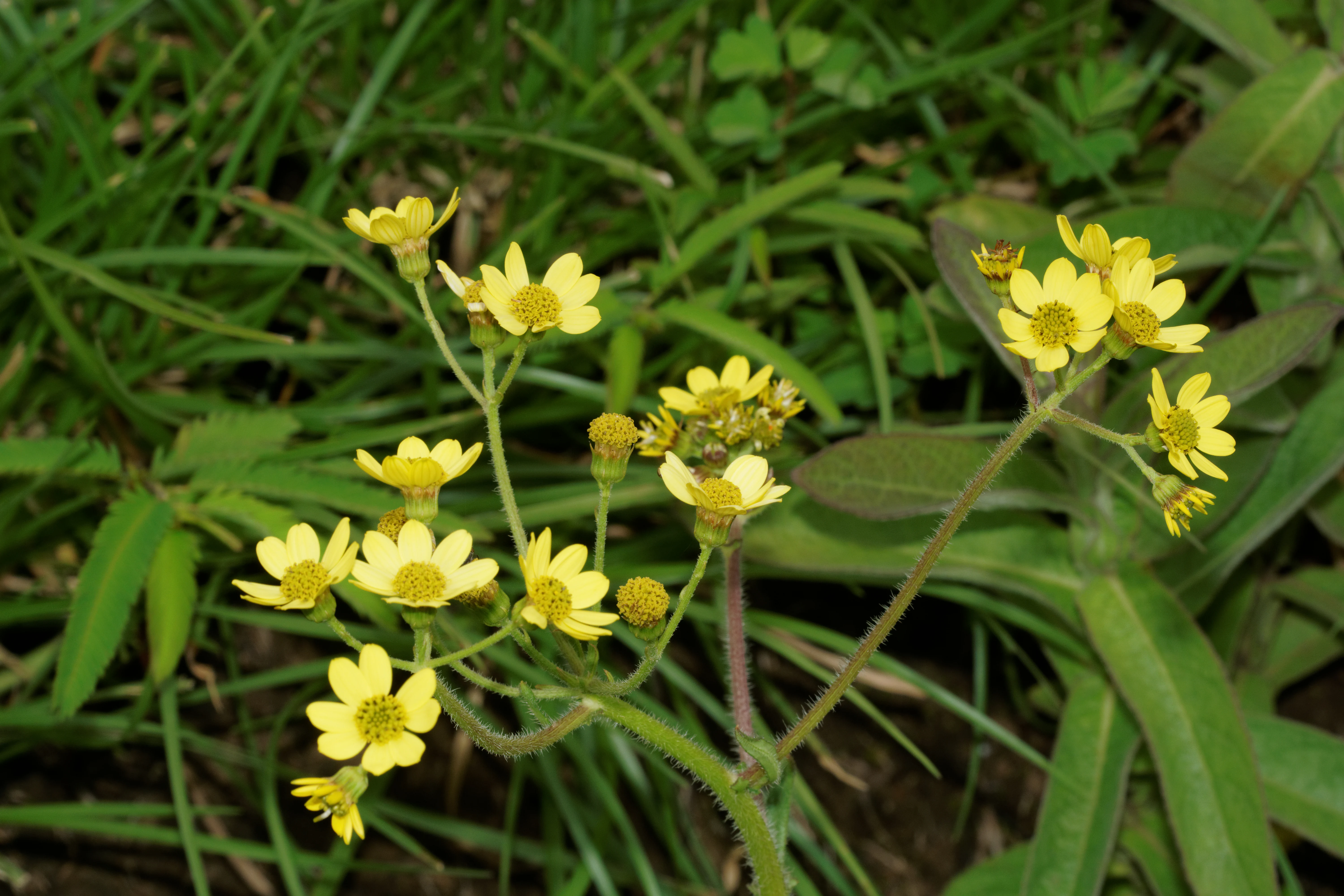
The ecological character of Silent Valley is defined by two principal forest types within the tropical and subtropical moist broadleaf forests ecoregion. The valley floors and lower slopes support tropical moist evergreen forest characterised by dense canopy species including Cullenia exarillata, Palaquium ellipticum, and Mesua ferrea, forming distinct tree associations that have been classified into six types across the park. At elevations above 1,000 metres, the vegetation transitions to South Western Ghats montane rain forest, and above 1,500 metres the evergreen canopy breaks into the characteristic shola forest formation, a mosaic of stunted trees interspersed with rolling grasslands that ecologists consider among the most biodiverse yet never-disturbed habitats on Earth. The park contains approximately 1,000 species of flowering plants, 108 orchid species including rare endemics like Ipsea malabarica and Bulbophyllum silentvalliensis, 100 ferns and fern allies, 200 liverworts, 75 lichens, and about 200 algae. The flora includes many economically valuable species such as cardamom, black pepper, and over 110 plant species used in Ayurvedic medicine, as well as a pest-resistant rice variety.
Silent Valley National Park wildlife and species highlights
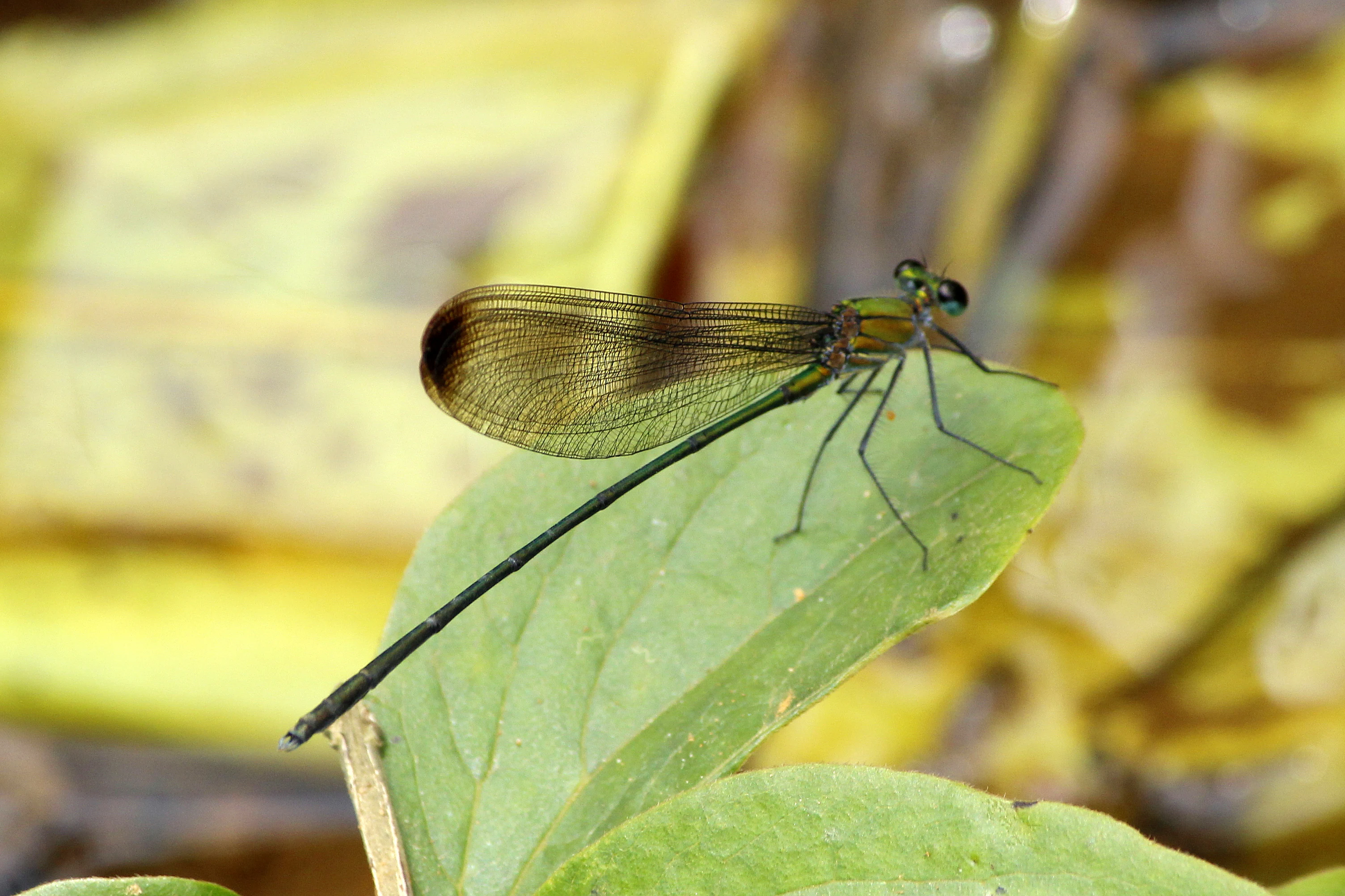
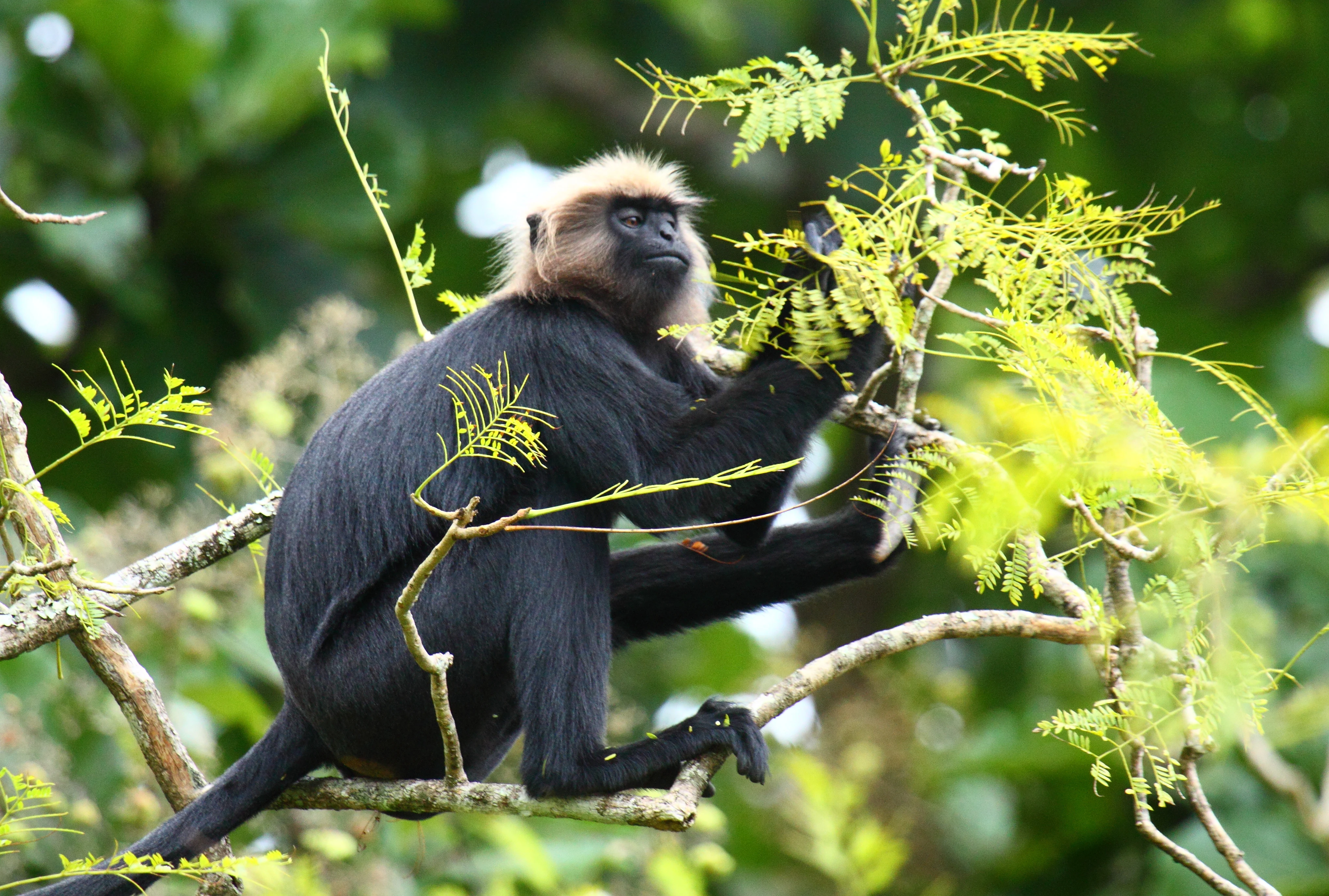
Silent Valley supports remarkable faunal diversity across multiple taxonomic groups. The park is most famous for its population of lion-tailed macaques, the largest remaining population of this endangered primate, which are confined primarily to the southern sector of the park and depend on the seasonal flowering of Cullenia exarillata trees. Fourteen troops of lion-tailed macaque and eighty-five troops of Nilgiri langur have been recorded, alongside occasional visits by bonnet macaques and Hanuman langurs. The mammal fauna includes at least 34 species including the Nilgiri tahr, Malabar giant squirrel, and several bat species. Bird diversity is exceptional, with 138 species documented including 16 listed by BirdLife International as threatened or restricted range species such as the Nilgiri wood-pigeon, Malabar grey hornbill, and Nilgiri flycatcher. The park supports over 730 identified insect species, including 128 butterfly species and 400 moth species, with numerous endemic odonates bringing the total documented dragonfly and damselfly species to 109.
Silent Valley National Park conservation status and protection priorities
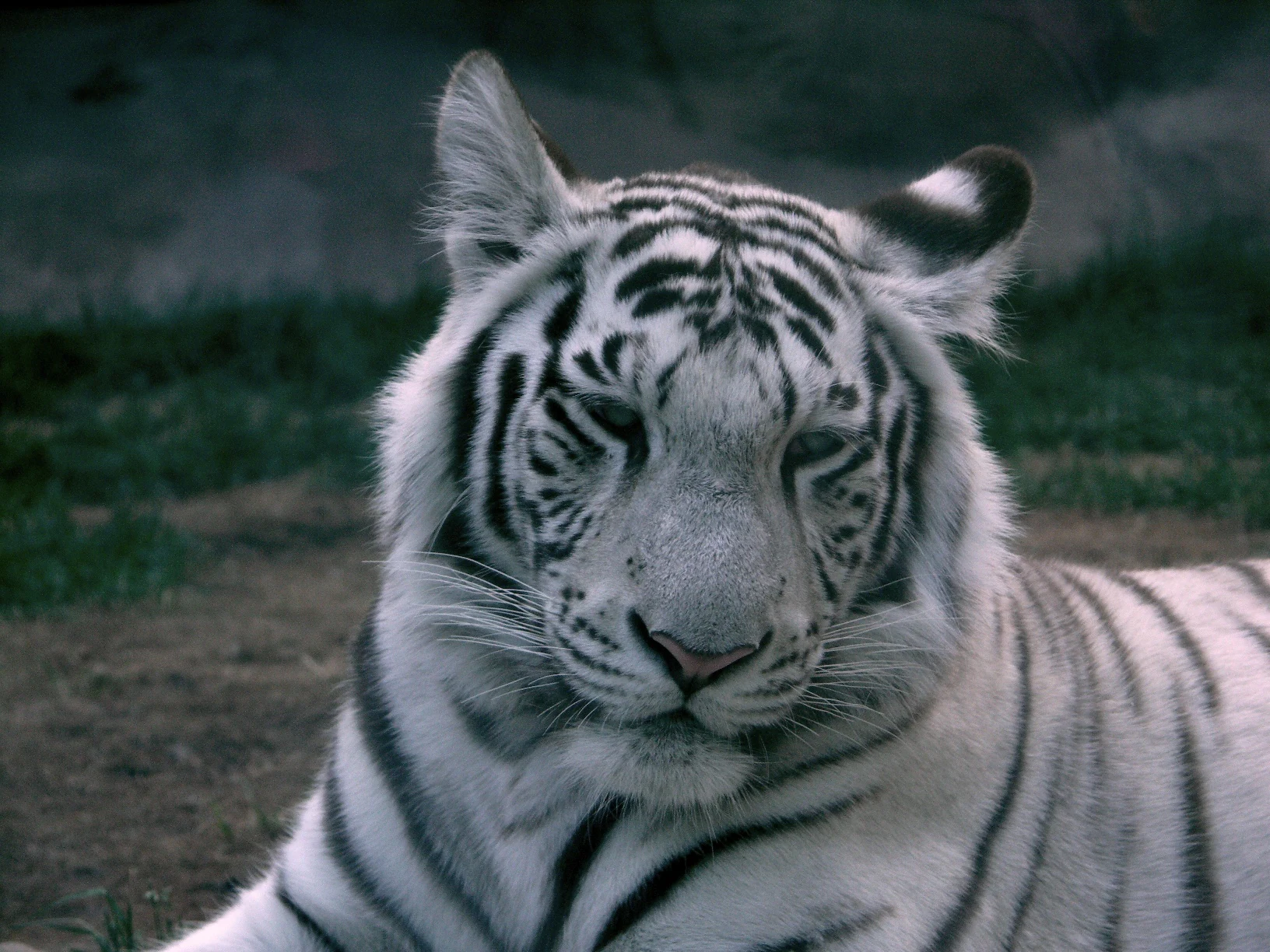
Silent Valley National Park holds exceptional conservation significance as the core area of the Nilgiri Biosphere Reserve within the Western Ghats World Heritage Site. The park represents one of the last viable habitats for the endangered lion-tailed macaque and Nilgiri langur, both endemic to the Western Ghats. Its protection preserves significant genetic resources, including wild rice varieties used in developing disease-resistant hybrid strains that underpinned the Asian Green Revolution. The park's biodiversity value has been recognised through its inclusion in the Nilgiri Sub-Cluster covering over 6,000 square kilometres. Conservation challenges include forest fire during dry seasons, illegal cannabis cultivation in the buffer zones, and encroachment pressures. The buffer zone of 147.22 square kilometres was approved in 2007 to provide additional protection, incorporating forests from Attappady, Mannarkkad, and Kalikavu ranges into a new Bhavani Forest Range. Ongoing research continues to discover new species, particularly insects and amphibians, underscoring the park's importance as a living laboratory of biodiversity.
Silent Valley National Park cultural meaning and human context
While Silent Valley itself shows no evidence of historical human settlement, the surrounding areas are home to indigenous tribal communities including the Mudugar, Irula, and Kurumbar peoples who inhabit the adjacent Attappady Reserved Forest. These communities have traditionally practiced agriculture and forest collection, with some engaged in the cultivation of a seedless cannabis variety known locally as Sairandhri, renowned for its quality. Many tribal members now work as day labourers and porters, with several communities facing economic hardship that has made them vulnerable to involvement in illegal activities. The visitors' centre at Sairandhri serves as the gateway to the park and includes a memorial commemorating the conservation movement that led to the park's establishment.
Top sights and standout views in Silent Valley National Park
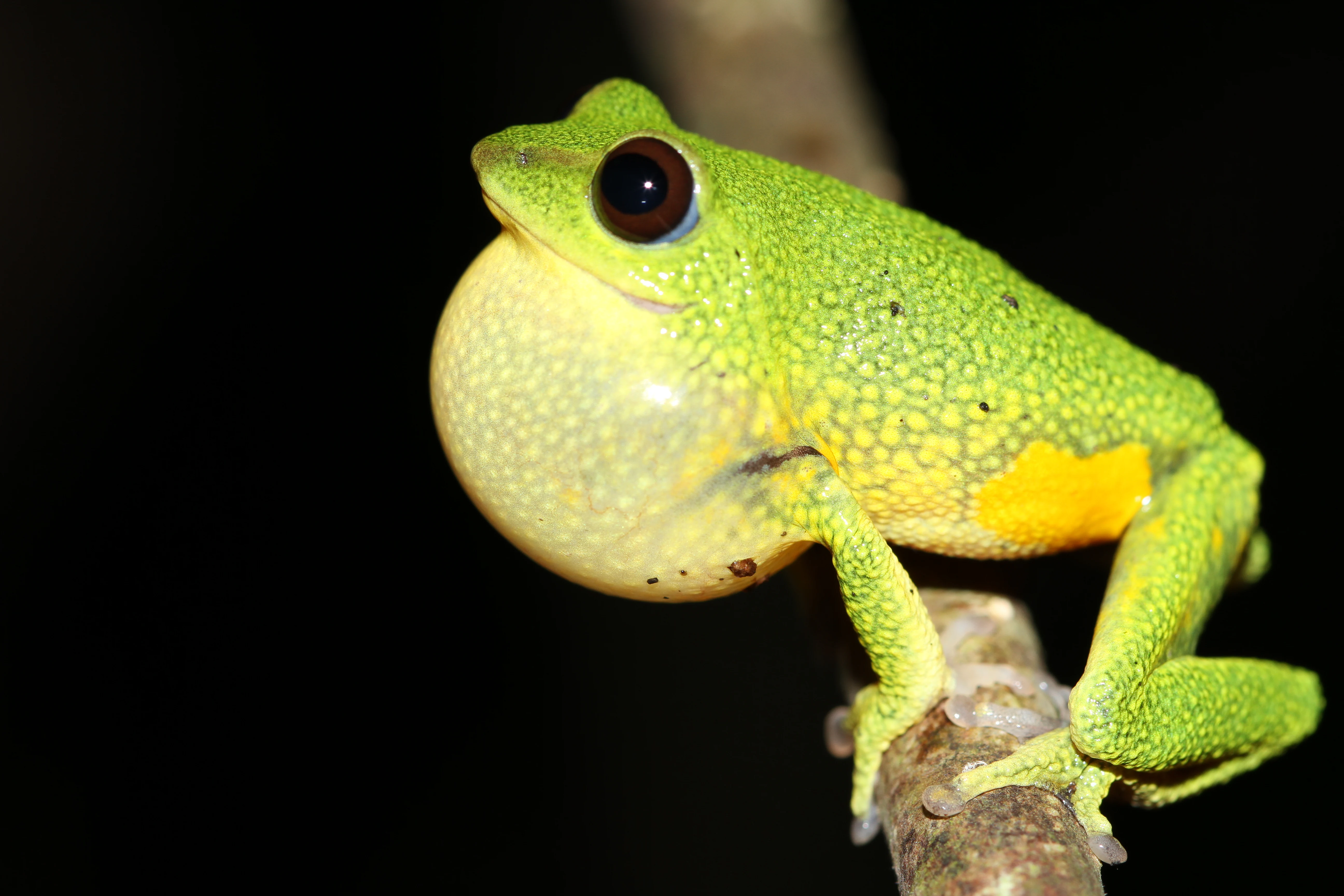
The Save Silent Valley movement of the 1970s stands as one of India's most significant environmental campaigns, ultimately resulting in the cancellation of a hydroelectric project that would have flooded eight square kilometres of virgin rainforest. The park contains the fifth-highest peak in South India, Mukurthi, and Anginda Peak within its vicinity. The Kunthipuzha River is one of the less torrential rivers of the Western Ghats, with a pesticide-free catchment. The park's Odonata diversity has been extensively studied, with 109 species documented through surveys conducted between 2018 and 2025. The Silent Valley Bush Frog, Raorchestes silentvalley, was first described from the park in 2016, named after this protected area.
Best time to visit Silent Valley National Park
Silent Valley can be visited throughout the year, though the ideal period is from October to March when the monsoon rainfall decreases and trails are more accessible. The southwest monsoon from June to September brings the heaviest precipitation, with the park receiving over 80% of its annual rainfall during this period, creating dramatic landscapes but potentially restricting access to some areas. The post-monsoon months offer lush green scenery, excellent visibility, and opportunities to observe wildlife as animals become more active in the cooler, drier conditions. The mean annual temperature is approximately 20.2°C, with April and May being the warmest months at around 23°C and January and February the coolest at 18°C. High humidity above 95% persists from June through December, creating a perpetually misty atmosphere throughout the forest.