Why Sioma Ngwezi National Park stands out
Sioma Ngwezi is best known for its significant elephant populations and its role as a critical wildlife corridor connecting Southern Africa's major protected areas. The park and surrounding Game Management Areas form an important link in the migratory route used by elephants and wildebeest moving between Botswana, Namibia, and Zambia. With over 3,000 African bush elephants, the park supports one of the more substantial elephant populations in Zambia's western corridor. The park is also notable for hosting endangered species including Cape wild dogs and South African cheetahs, and has been identified as a Lion Conservation Unit since 2005.
Sioma Ngwezi National Park history and protected-area timeline
Sioma Ngwezi National Park was established as part of Zambia's national park system to protect the unique ecosystems of the southwestern Silowana Plains region. The park's establishment reflected Zambia's commitment to preserving its western wildlife corridors and the migratory pathways used by large mammals moving between Southern African countries. In recent decades, the park has been considered for inclusion in the Kavango-Zambezi Transfrontier Conservation Area, a multinational initiative linking protected areas across Zambia, Botswana, Namibia, Angola, and Zimbabwe. Plans have been discussed by the Zambian government to open the park to private management arrangements and enhance wildlife protection efforts, though implementation has been gradual. The park's proximity to Angola has also influenced its conservation dynamics, as elephants migrating from Angola have sought refuge in the park and surrounding areas following periods of civil conflict and associated poaching in that country.
Sioma Ngwezi National Park landscape and geographic character
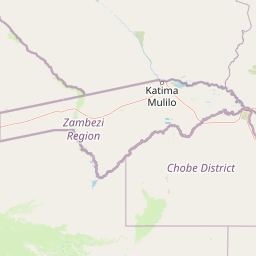
The physical landscape of Sioma Ngwezi is defined by its position on the ancient Silowana Plains, a vast flat to gently undulating terrain that was once part of the extensive Kalahari Desert system. The most distinctive geological feature is the presence of ancient wind-blown sand dunes, which remain visible as subtle ridges and rolling undulations across much of the park despite the current wetter climate. The soils throughout the plains are predominantly sandy, reflecting the Kalahari origins of the region. The park lies between three major water systems: the Zambezi River to the north, the Cuando River (which becomes the Chobe River further downstream) to the east, and the former Caprivi Strip corridor to the south. Unlike many other parts of Zambia, the Silowana Plains lack permanent rivers flowing through their center, though seasonal watercourses do appear during the wet season. During the rainy season, thousands of small seasonal lagoons, typically a few hundred meters across, form in the depressions between the ancient dune ridges, creating a dynamically changing wetland landscape.
Sioma Ngwezi National Park ecosystems, habitats, and plant life
The ecological character of Sioma Ngwezi is defined by a complex mosaic of three distinct ecoregions that create diverse habitats within and around the park boundaries. The Zambezian Baikiaea woodlands dominate the transitional areas surrounding the plains, characterized by forests of Zambian teak (Baikiaea plurijuga), a valuable and distinctive hardwood species of the region. The Western Zambezian grasslands cover the open plains themselves, supporting seasonal herbaceous vegetation that provides crucial grazing for migratory herbivores. Along the major rivers that border the park, the Zambezian flooded grasslands create wetland habitats that attract waterfowl and support aquatic ecosystems. This tripartite ecoregion structure gives the park remarkable ecological diversity within a relatively compact area, with each habitat type supporting different assemblages of wildlife species.
Sioma Ngwezi National Park wildlife and species highlights
Sioma Ngwezi supports substantial populations of large mammals, with African bush elephants numbering over 3,000 individuals forming the park's most conspicuous wildlife presence. The elephant population is particularly significant because the park serves as a crucial refuge for animals migrating from Angola, where poaching and illegal hunting have been severe during and after that country's civil war. The park hosts several species of antelope including roan antelope, sable antelope, puku, impala, and kudu, alongside large herds of Grant's zebra that move across the plains in search of fresh grazing. The park is also home to endangered predators including Cape wild dogs and South African cheetahs, both of which have been recorded within the protected area. Since 2005, Sioma Ngwezi has been recognized as a Lion Conservation Unit, indicating its importance for maintaining viable populations of African lions in the region. The entire park and its surrounding Game Management Areas form an essential corridor for the seasonal migration of elephants and wildebeest between the national parks of Botswana and Namibia.
Sioma Ngwezi National Park conservation status and protection priorities
Sioma Ngwezi National Park plays a significant role in regional conservation efforts due to its strategic position at the crossroads of four Southern African countries. The park forms part of a much larger conservation landscape when combined with the adjacent West Zambezi Game Management Area, creating an extensive protected corridor that facilitates wildlife movement across international boundaries. This connectivity is particularly important for elephants, which rely on migratory routes that span multiple countries and face increasing pressure from habitat fragmentation elsewhere in Africa. The park's inclusion in planning for the Kavango-Zambezi Transfrontier Conservation Area underscores its potential significance in multinational conservation strategies. While poaching remains a challenge, particularly for elephants, the relative remoteness of the area provides some protection compared to more accessible parks. The presence of endangered species including cheetahs, wild dogs, and lions further elevates the park's conservation importance within Zambia's protected area network.
Sioma Ngwezi National Park cultural meaning and human context
The cultural context of Sioma Ngwezi National Park is closely tied to the indigenous communities of the Barotse Floodplain region and the broader western Zambian landscape. The area surrounding the park falls within traditional lands inhabited by Barotse people and other local communities whose relationship with the land predates formal protection designations. These communities have historically practiced subsistence agriculture, fishing, and traditional pastoral activities that shape the human landscape around the park boundaries. The Game Management Areas that buffer the national park allow for regulated hunting and land use under traditional governance systems, creating a model where conservation and local livelihood needs are balanced. The park's proximity to Angola, Namibia, and Botswana also places it at the intersection of multiple cultural zones in southern Africa, though the park itself remains minimally developed and sparsely populated.
Top sights and standout views in Sioma Ngwezi National Park
Sioma Ngwezi offers visitors the rare opportunity to experience a genuinely remote and undeveloped African wilderness where wildlife viewing occurs in near-complete solitude. The park's elephant populations, particularly the herds migrating from Angola, represent a major draw for wildlife enthusiasts seeking encounters with these iconic animals in an unpolluted environment. The seasonal transformation of the landscape during the rainy season, when thousands of lagoons fill the dune depressions, creates a visually stunning wetland spectacle. The three ecoregions present within and around the park offer diverse scenery ranging from dense teak woodlands to open grasslands. The park's position at the edge of the KAZA transfrontier conservation area future potential for international wildlife viewing experiences. The opportunity to explore this remote area via guided safari with experienced operators provides access to a landscape that remains largely unchanged by modern development.
Best time to visit Sioma Ngwezi National Park
The optimal time to visit Sioma Ngwezi National Park depends on what visitors hope to experience, with the dry season from May to October generally offering the most accessible conditions for wildlife viewing. During these months, the seasonal lagoons dry up and animals concentrate around permanent water sources, making wildlife easier to locate. The dry season also means that tracks are more passable, though four-wheel-drive vehicles remain essential due to the sandy terrain. The wet season from November to April transforms the landscape dramatically as the plains become dotted with filling lagoons and fresh green vegetation covers the dunes, though some areas become inaccessible and wildlife disperses more widely. The shoulder months of April and November offer a compromise between accessibility and landscape atmosphere, though visitor facilities remain extremely limited year-round. The park's remoteness means that visits should be planned well in advance through specialized tour operators who understand the logistical requirements of this challenging destination.