Why Sør-Spitsbergen National Park stands out
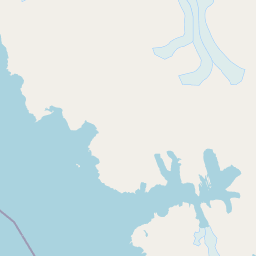
Sør-Spitsbergen is best known for its extraordinary seabird colonies nesting on the coastal islands and cliffs. The park hosts one of the world's largest breeding concentrations of thick-billed guillemots, with over 200,000 pairs occupying the rocky seabird colonies. The Isøyane bird sanctuary, recognized under the Ramsar Convention, protects a cluster of islands with grassy vegetation, freshwater ponds, and bare rock ideal for nesting barnacle geese, common eiders, and black-legged kittiwakes. The dramatic contrast between extensive ice caps and ice-free tundra valleys defines the park's visual character, while the relative absence of human activity has allowed natural processes to continue largely uninterrupted.
Sør-Spitsbergen National Park history and protected-area timeline
Sør-Spitsbergen National Park was established in 1973, representing one of Norway's earlier designations of Arctic wilderness areas as national parks. The creation of the park built upon earlier conservation measures that had recognized the international significance of Svalbard's wildlife, particularly the seabird colonies that had drawn attention from ornithologists and naturalists since the early twentieth century.
Prior to national park designation, portions of the area had been protected as bird sanctuaries, reflecting the extraordinary concentrations of breeding seabirds found along the coast and on the offshore islands. The Isøyane archipelago, with its cluster of grassy islands and freshwater ponds, had long been recognized as a particularly important breeding site and received early protection as a bird sanctuary.
In 1985, the international importance of the Isøyane wetlands was further recognized through designation as a Ramsar Wetland of International Importance, bringing the site under the global framework for wetland conservation. This Ramsar designation acknowledged both the ecological significance of the freshwater and coastal wetland habitats and the critical role they play in supporting breeding bird populations.
Sør-Spitsbergen National Park landscape and geographic character
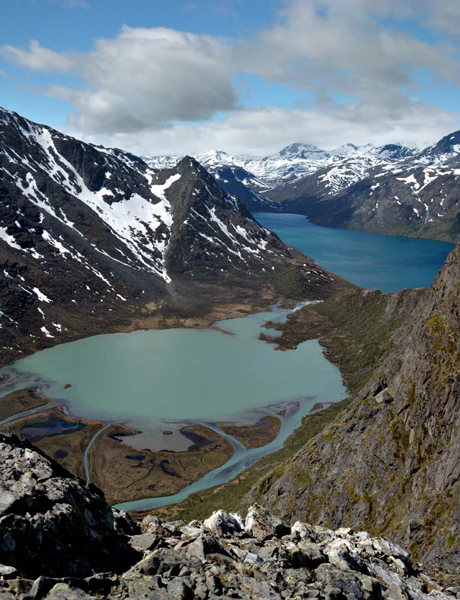
The landscape of Sør-Spitsbergen National Park exemplifies the dramatic contrasts of high Arctic terrain. Massive ice caps dominate the interior, their white and blue surfaces extending across mountain ridges and valleys in vast sheets of frozen water. These glaciers, some of which reach sea level, have carved deep valleys and sculpted the surrounding mountains into sharp-edged peaks and dramatic ridges.
Between the glacial areas, ice-free valleys and coastal plains support tundra vegetation, though the plant cover remains sparse due to the extreme climate. The terrain transitions from the glaciers to coastal zones characterized by rocky shores, beach ridges, and cliff faces that provide nesting habitat for seabirds. The offshore islands of the Isøyane archipelago offer a different character, with their grassy slopes and sheltered ponds providing visual variety from the more austere mainland terrain.
The coastline alternates between steep cliffs where seabirds nest in spectacular colonies and more gently sloping beaches where meltwater streams create freshwater pockets amid the brackish coastal environment. Overall, the landscape conveys a sense of raw, elemental Arctic wilderness where natural processes dominate and human presence remains minimal.
Sør-Spitsbergen National Park ecosystems, habitats, and plant life
The nature of Sør-Spitsbergen reflects the harsh but ecologically productive conditions of the Arctic tundra and coastal marine environment. Despite the extreme latitude and cold climate, the park supports a surprising diversity of habitats that together sustain significant wildlife populations. The tundra vegetation, while not lush, includes mosses, lichens, and low-growing vascular plants that form the base of the terrestrial food web.
The coastal islands and cliff sites represent the most ecologically significant habitats within the park, providing the conditions necessary for large seabird colonies to thrive. The grassy vegetation on islands like those in the Isøyane group supports breeding barnacle geese, while the cliff ledges and rocky surfaces accommodate massive colonies of thick-billed guillemots, black-legged kittiwakes, and common eiders. Freshwater ponds scattered across the tundra and island areas provide additional habitat diversity and feeding grounds for waterfowl.
The marine environment surrounding the coastal areas is integral to the park's ecology, as the seabirds depend on productive waters for their food supply. The intersection of cold Arctic currents creates conditions that support abundant fish populations and invertebrate prey species that sustain the breeding bird populations.
Sør-Spitsbergen National Park wildlife and species highlights
The wildlife of Sør-Spitsbergen National Park is defined by its remarkable seabird colonies, which represent some of the most significant breeding concentrations in the Arctic. Thick-billed guillemots form the most spectacular component, with over 200,000 pairs nesting in dense colonies on cliff faces and coastal rocks. These black and white diving birds nest in such density that the cliff surfaces appear black with their numbers.
Black-legged kittiwakes, named for their distinctive call, breed in substantial numbers with approximately 25,900 pairs recorded within the park. Their graceful flight and white markings make them a visible presence along the coastlines. Common eiders, the large sea ducks that winter in Arctic waters, nest in sheltered locations with about 1,000 pairs using the park's islands and coastlines.
Barnacle geese, which migrate from wintering grounds in western Europe to breed in the high Arctic, find ideal habitat in the grassy island environments of Isøyane, with 850 to 950 pairs breeding annually. Beyond these key species, the park supports additional birdlife including various seabirds, shorebirds, and occasional encounters with Arctic foxes that hunt along the coastline. The surrounding waters host marine mammals including seals and walruses that occasionally appear along the coast.
Sør-Spitsbergen National Park conservation status and protection priorities
Sør-Spitsbergen National Park represents a significant commitment to Arctic ecosystem preservation at a time when climate change and increasing human activity pose growing challenges to northern environments. The park's designation as an Important Bird Area by BirdLife International reflects the global responsibility Norway has accepted in protecting these seabird breeding populations. The Ramsar designation of Isøyane as a wetland of international importance further demonstrates the site's significance within international conservation frameworks.
The protection framework addresses both the terrestrial and marine components of the ecosystem, recognizing that the health of the bird populations depends on both the nesting habitat and the surrounding marine environment where they feed. Management by the Norwegian Directorate for Nature Management ensures that conservation priorities guide any permitted activities within the park boundaries. The extreme remoteness and harsh conditions of the park provide some natural protection, but active conservation measures remain important for maintaining the ecological integrity of this Arctic wilderness area.
Sør-Spitsbergen National Park cultural meaning and human context
The cultural context of Sør-Spitsbergen National Park is limited compared to more southerly protected areas, as the extreme Arctic conditions have never supported permanent human settlement. The Svalbard archipelago has a history of seasonal hunting and fishing activity by Norwegian and other northern European peoples, but the harsh climate and limited resources made sustained habitation difficult.
Today, the park remains essentially wilderness, with no permanent human population and minimal infrastructure. Any historical relationship between human communities and this particular landscape was transient and seasonal rather than establishing deep cultural ties to the land. The modern context is primarily one of scientific research and conservation management, with occasional visitors engaged in guided wilderness exploration of this remote Arctic environment.
Top sights and standout views in Sør-Spitsbergen National Park
The extraordinary density of seabird breeding colonies makes Sør-Spitsbergen one of the most significant bird habitats in the Arctic. Over 200,000 pairs of thick-billed guillemots nest within the park, creating one of the world's largest colonies of this species. The Isøyane archipelago offers a more accessible introduction to the park's wildlife, with its grassy islands and freshwater ponds supporting barnacle geese, common eiders, and black-legged kittiwakes in spectacular settings. The contrast between massive ice caps and ice-free tundra valleys creates visually striking landscapes that convey the essence of Arctic wilderness. The Ramsar-protected wetlands at Isøyane represent international recognition of the park's ecological importance and provide specific focus for conservation attention.
Best time to visit Sør-Spitsbergen National Park
The brief Arctic summer from approximately mid-June to late August offers the most accessible window for visiting Sør-Spitsbergen National Park. During this period, temperatures remain above freezing, though rarely warm by temperate standards, and the midnight sun provides continuous daylight for exploration. Wildlife viewing peaks during this season as seabirds nest and rear their young, with the bird colonies at their most active and visible.
The winter months present dramatically different conditions, with extended polar night, extreme cold, and limited accessibility that make the park essentially a wilderness for specialized expeditions rather than general visitation. Those who experience the Arctic winter find a stark beauty in the ice-covered landscape, but the practical challenges of extreme cold, limited daylight, and the need for specialized equipment make this a destination for experienced Arctic travelers only. The shoulder seasons of spring and autumn offer transitional conditions but with less predictable accessibility and wildlife activity.