Why Ulaagchinii Khar Nuur National Park stands out
Ulaagchinii Khar Nuur National Park is best known for its unusual combination of freshwater lake ecosystems set within a sand dune and mountain landscape at high altitude. The park provides critical habitat for several globally threatened bird species, most notably the endangered White-headed duck, a diving duck species whose survival depends on secure freshwater wetlands. The presence of vulnerable species including the Great bustard and White-throated bush chat further elevates the conservation importance of this site. The visual contrast between the clear freshwater lakes, their surrounding sand dunes, and the distant mountain ranges creates a landscape of particular scenic and ecological distinction within Mongolia's western protected areas.
Ulaagchinii Khar Nuur National Park history and protected-area timeline
Ulaagchinii Khar Nuur National Park was established in 2010 through the Mongolian government's Ministry of Environment and Green Development, receiving designation as a national park under the country's protected area system. The creation of this protected area reflected growing recognition of the ecological importance of Mongolia's western lake systems and the need to conserve habitats for globally threatened species. The park's establishment followed broader trends in Mongolian conservation during the 2000s and 2010s, a period that saw the creation of numerous new protected areas aimed at representing the country's diverse ecological regions. As an IUCN Category II protected area, the park benefits from national-level protection that regulates activities within its boundaries and supports long-term conservation of its freshwater lakes and surrounding landscapes.
Ulaagchinii Khar Nuur National Park landscape and geographic character
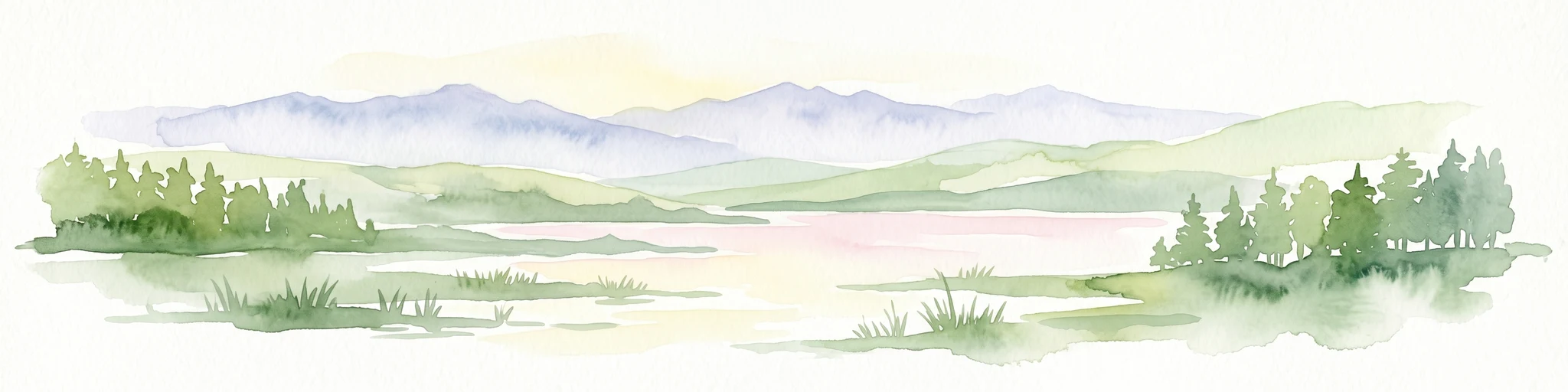
The landscape of Ulaagchinii Khar Nuur National Park is defined by its two major freshwater lakes set within the broader Great Lakes Depression of western Mongolia. Ulaagchinii Khar Nuur, the primary lake, stretches approximately 23 kilometers from west to east and 5 kilometers north to south, making it a substantial body of freshwater in this arid region. The lake is bordered to the south by sand dunes and local hills, creating an unusual association of aquatic and desert-like environments that produces striking visual contrasts. A smaller lake, Baga Lake, sits to the northwest of the main water body. Bayan Lake, the second major lake in the park, lies approximately 60 kilometers to the west. The lakes occupy positions at roughly 2,000 meters elevation, placing them in a high-altitude setting that influences their ecological character. The Tarvagatai range of the Khangai Mountains rises immediately east of the park, providing mountain scenery that frames the lake basins and contributes to the diversity of landforms within the protected area.
Ulaagchinii Khar Nuur National Park ecosystems, habitats, and plant life
The nature of Ulaagchinii Khar Nuur National Park reflects its position within the cold semi-arid climate zone of western Mongolia, producing a semi-desert environment that differs markedly from the more humid forest-steppe found in other parts of the country. The Great Lakes Depression region represents a transition zone between Mongolia's more arid southern deserts and its greener northern mountain regions, and this park captures the distinctive character of that ecological boundary. The freshwater lakes provide critical habitat within the broader semi-desert landscape, supporting vegetation communities adapted to both aquatic and dry conditions. The presence of substantial water bodies at this altitude creates microhabitats that support species assemblages unusual for the region, making the park ecologically significant beyond its relatively limited geographic extent.
Ulaagchinii Khar Nuur National Park wildlife and species highlights
The wildlife of Ulaagchinii Khar Nuur National Park is particularly notable for its population of rare and threatened waterbird species that depend on the park's freshwater lake habitats. The endangered White-headed duck, a distinctive diving duck species with a specialized habitat requirement for freshwater lakes with emergent vegetation, uses these waters as important nesting and feeding grounds. This species faces significant population pressures across its global range, making the protection of Mongolian lake habitats like those in this park essential for its survival. The vulnerable Great bustard, one of the heaviest flying birds in the world, also occurs in the park's steppe and wetland margins, reflecting the importance of these habitats for ground-nesting bird species. The White-throated bush chat, another vulnerable species, finds suitable breeding habitat in the park's diverse landscape of dunes, wetlands, and open terrain. These three species alone, representing different taxonomic groups and ecological niches, demonstrate the significance of this protected area for Central Asian bird conservation.
Ulaagchinii Khar Nuur National Park conservation status and protection priorities
Ulaagchinii Khar Nuur National Park serves important conservation functions as a protected area in one of Mongolia's more arid regions, where freshwater lakes represent critical biological refugia. The park's designation as an IUCN Category II national park provides a framework for protecting the lake ecosystems and surrounding landscapes from development pressures while enabling sustainable management of natural resources. The presence of globally threatened species, particularly the endangered White-headed duck, elevates the international conservation significance of this protected area. Conservation of the park also contributes to broader goals of representing Mongolia's diverse ecological regions within its protected area network, ensuring that the unique combination of high-altitude lakes, sand dunes, and semi-desert habitats found here receives formal protection. The cold semi-arid ecosystem type that characterizes this region is underrepresented in many protected area systems, making this park's role in conservation biogeography particularly valuable.
Ulaagchinii Khar Nuur National Park cultural meaning and human context
Ulaagchinii Khar Nuur National Park exists within a landscape that has been part of the traditional pastoral territory of Mongolia's western provinces, where nomadic herding communities have maintained relationships with the land and its resources over generations. While the park itself focuses on lake and desert-steppe ecosystems rather than areas of intensive human settlement, the broader region maintains connections to traditional Mongolian land-use practices. The lakes within the park have historically provided water resources for wildlife and, occasionally, for local communities traversing this arid landscape. The establishment of the national park represents a modern approach to land management that balances conservation objectives with the continued recognition of these lands as part of Mongolia's natural and cultural heritage.
Top sights and standout views in Ulaagchinii Khar Nuur National Park
Ulaagchinii Khar Nuur National Park offers distinctive highlights centered on its combination of high-altitude freshwater lakes, surrounding sand dunes, and proximity to mountain terrain. The two major lakes, Ulaagchinii Khar Nuur and Bayan Lake, provide substantial freshwater habitats in an otherwise arid region, creating ecological islands of exceptional biodiversity. The rare waterbird populations, particularly the endangered White-headed duck, represent a major highlight for conservation interest and birdwatching potential. The visual landscape of dunes meeting lake shores against a mountain backdrop creates scenic appeal rare among Mongolia's protected areas. The park's relative remoteness and recent establishment contribute to a sense of pristine wilderness, while the cold semi-arid climate produces seasonal contrasts in atmosphere and wildlife viewing opportunities.
Best time to visit Ulaagchinii Khar Nuur National Park
The optimal time to visit Ulaagchinii Khar Nuur National Park aligns with the warmer summer months of Mongolia, when temperatures are more temperate at the park's 2,000-meter elevation and wildlife activity around the lakes reaches its peak. Summer months offer the best conditions for observing waterbird species, as breeding season brings increased activity at the lakes and surrounding wetlands. The cold semi-arid climate means that even summer visitors should prepare for variable conditions and cooler evenings. Spring and early summer bring bird migration activity, while autumn offers different but equally meaningful wildlife observation opportunities as species prepare for winter. Winter visits would encounter harsh conditions typical of Mongolia's high-altitude interior, with frozen lakes and very cold temperatures limiting accessibility and wildlife viewing.