
Why Uzh National Nature Park stands out
Uzh National Nature Park is renowned for its exceptional primeval beech forests, which constitute some of the most intact and ecologically significant woodland in the Carpathian region. The park contains over 3,000 hectares of ancient beech-fir-sycamore forests that were included in the UNESCO World Heritage listing. The Stuzhytsia area preserves the best example of the upper forest boundary in the Ukrainian Carpathians, featuring a distinctive beech forest krummholz with mountain ash and sycamore maple. The park is also notable for its exceptional biodiversity, with more than 1,500 plant species including 22 endemic vascular plants and 52 nationally protected species, of which 23 are orchids. The presence of six historic wooden churches from the 17th-18th centuries adds cultural significance to the natural landscape.

Uzh National Nature Park history and protected-area timeline
The protection of Uzh National Nature Park's forests began over a century ago during the Austro-Hungarian period. In 1908, when Transcarpathia was part of the Austro-Hungarian Empire, a nature reserve was established in the upper valley of the Stuzhychanka River to protect the beech forest landscape, covering 331.8 hectares. In the same year, a smaller forest reserve of 14.9 hectares was created in the upper valley of the Uzh River. Following the end of World War I, Transcarpathia became part of Czechoslovakia from 1919 to 1938, during which time both reserves were considerably expanded in area. An additional reserve was established on Yavirnyk Mountain during this period. After World War II, the region became part of the Soviet Union, and the area experienced periods of neglect and intensive timber production. In 1974, during the Soviet era, the Stuzhytsia Forest Landscape Reserve was established with an area of 2,542 hectares. This protected area was upgraded to a regional landscape park in 1995, and finally elevated to national nature park status in 1999. In 2019, the park's territory was expanded by 6,988 hectares through the incorporation of land from the state enterprise "Velykyi Bereznyi Forestry."
Uzh National Nature Park landscape and geographic character
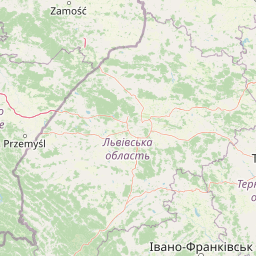
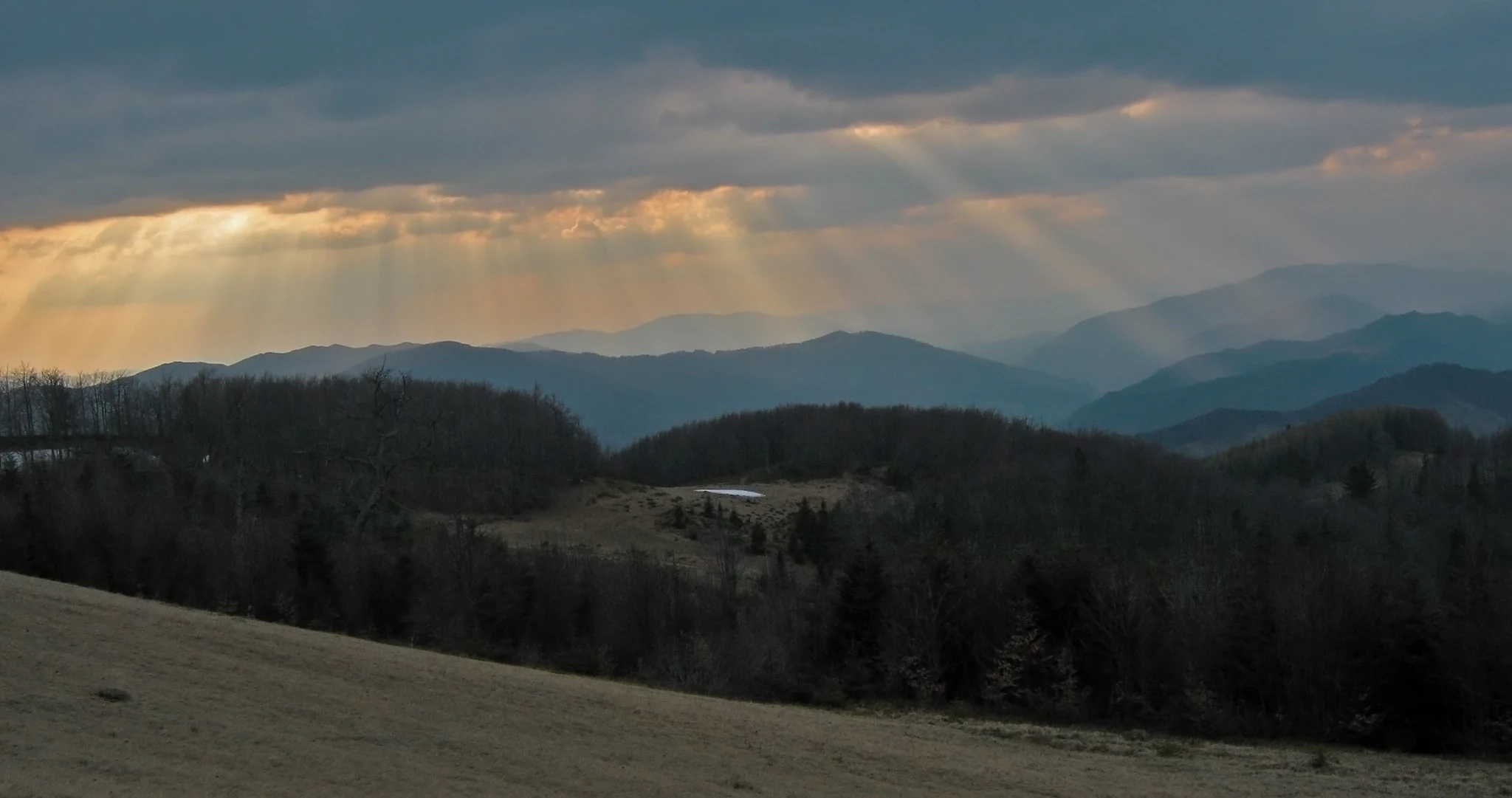
The landscape of Uzh National Nature Park is defined by its position on the western slopes of the Carpathian Mountains, where the terrain rises from valley floors to mountain peaks exceeding 1,200 meters. The park's highest point, Kinchyk Bukovskyi Mountain, reaches 1,251 meters and provides panoramic views of the surrounding Carpathian ridges. The park encompasses the valleys of the Uzh River and its tributaries, as well as portions of the San River basin, creating a network of watercourses that have shaped the local terrain over millennia. The topography supports four distinct altitude zones, with beech forests dominating the lower slopes, alder forests in wetter valley areas, and alpine meadows appearing above 1,100 meters elevation. The Stuzhytsia area within the park preserves the most intact upper forest boundary in the Ukrainian Carpathians, where beech trees adopt a krummholz form, their trunks curving along the ground before producing upright branches that create a distinctive twisted canopy. The park also contains notable geological features, including karst caves near the village of Knyahynia and the site of the Knyahynia meteorite fall, the largest in Europe.
Uzh National Nature Park ecosystems, habitats, and plant life
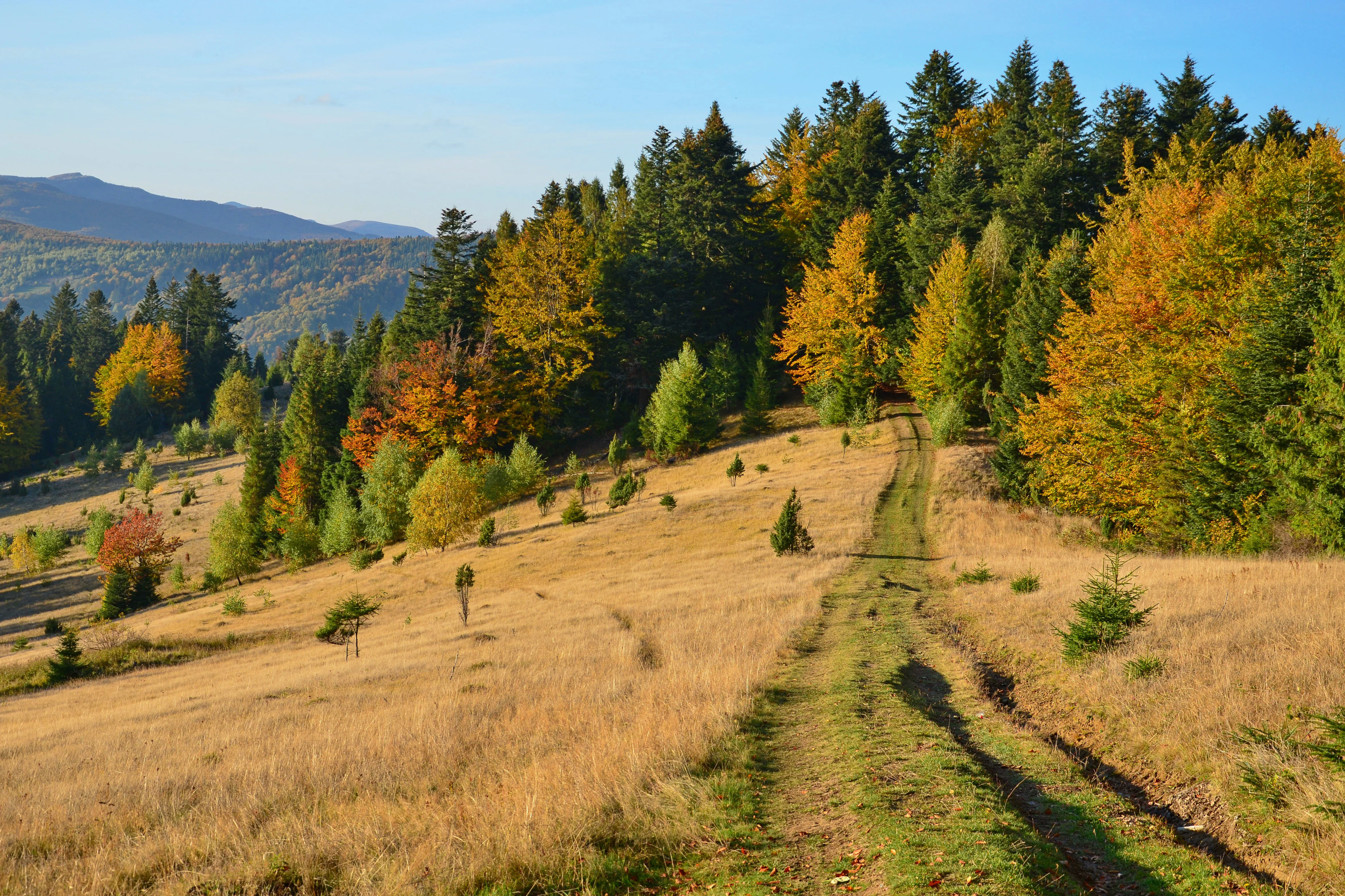
The ecological systems within Uzh National Nature Park represent some of the most biodiverse and well-preserved habitats in the Carpathian region. The park supports over 1,500 species of plants, with approximately 22 species of vascular plants being endemic to the area and 52 species protected at the national level, including 23 orchid species. The ancient beech forests, particularly those in the Stuzhytsia area, constitute the core of the park's ecological significance, representing primeval forest ecosystems that have developed over centuries without significant human disturbance. These forests are characterized by giant beech trees whose lower trunks sprawl along the ground for one to one and a half meters before sending up vertically oriented branches, creating a distinctive growth form known as krummholz. The upper forest boundary zone, occurring at elevations between 1,200 and 1,280 meters, features dense undergrowth of raspberry that often forms impenetrable thickets. Above this zone, subalpine meadows (poloniny) occur on summit slopes. The park also contains over 15 mineral springs, adding to its ecological diversity.
Uzh National Nature Park wildlife and species highlights
The wildlife populations of Uzh National Nature Park reflect the Carpathian region's ecological richness and the park's diverse habitats. The park is home to several species of large mammals, including red deer, roe deer, wild boar, red fox, and badger, which inhabit the forests and meadows throughout the protected area. The bird population is particularly notable, with 114 species recorded within the park boundaries. These include numerous species associated with old-growth forests, as well as species that inhabit the alpine meadows and rocky areas at higher elevations. The protected status of the park provides crucial habitat for species that have declined in surrounding areas due to forest fragmentation and human disturbance. The presence of ancient trees with hollows and decay provides nesting sites for cavity-nesting birds and shelter for various mammal species.
Uzh National Nature Park conservation status and protection priorities
Uzh National Nature Park holds significant conservation importance at both national and international levels. Its inclusion in the UNESCO World Heritage site "Primeval Beech Forests of the Carpathians and Other Regions of Europe" since 2007 recognizes the global significance of its ancient forest ecosystems. The park is also an integral component of the East Carpathian Biosphere Reserve, the world's first trilateral Ukrainian-Polish-Slovak biosphere reserve, which is part of UNESCO's World Network of Biosphere Reserves. However, the park has faced significant conservation challenges. Reports indicate that illegal logging has occurred within the park, particularly in areas designated as buffer zones of the World Heritage site. Investigative findings have documented harvesting volumes significantly exceeding official limits. Despite these challenges, the park continues to protect significant tracts of primeval forest and serves as a crucial conservation area for Carpathian biodiversity.
Uzh National Nature Park cultural meaning and human context
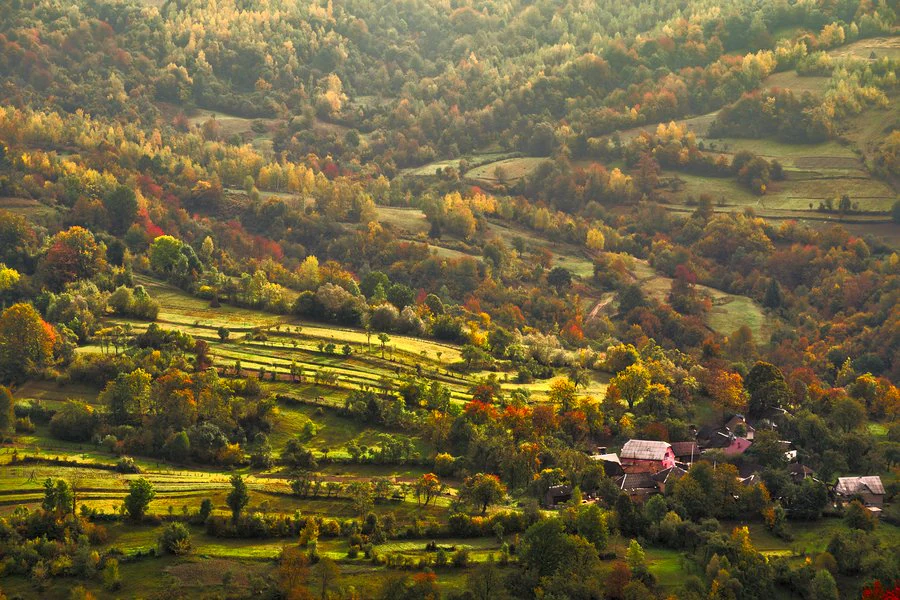
The cultural landscape of Uzh National Nature Park is deeply shaped by the presence of the Lemko people, an ethnic group indigenous to the Carpathian region. The park territory is populated by Lemkos, whose cultural influence is prominently displayed through architecture, particularly the six wooden churches from the 17th and 18th centuries that survive within the park boundaries. These churches represent masterpieces of folk architecture and are protected as cultural heritage sites. The traditional settlement patterns and land use practices of the Lemkos have contributed to the cultural character of the landscape over centuries. The park is also home to traditional villages where local communities maintain connections to the land and its resources. This human presence adds cultural depth to the natural landscape, creating a living cultural landscape where traditional practices and natural ecosystems coexist.
Top sights and standout views in Uzh National Nature Park
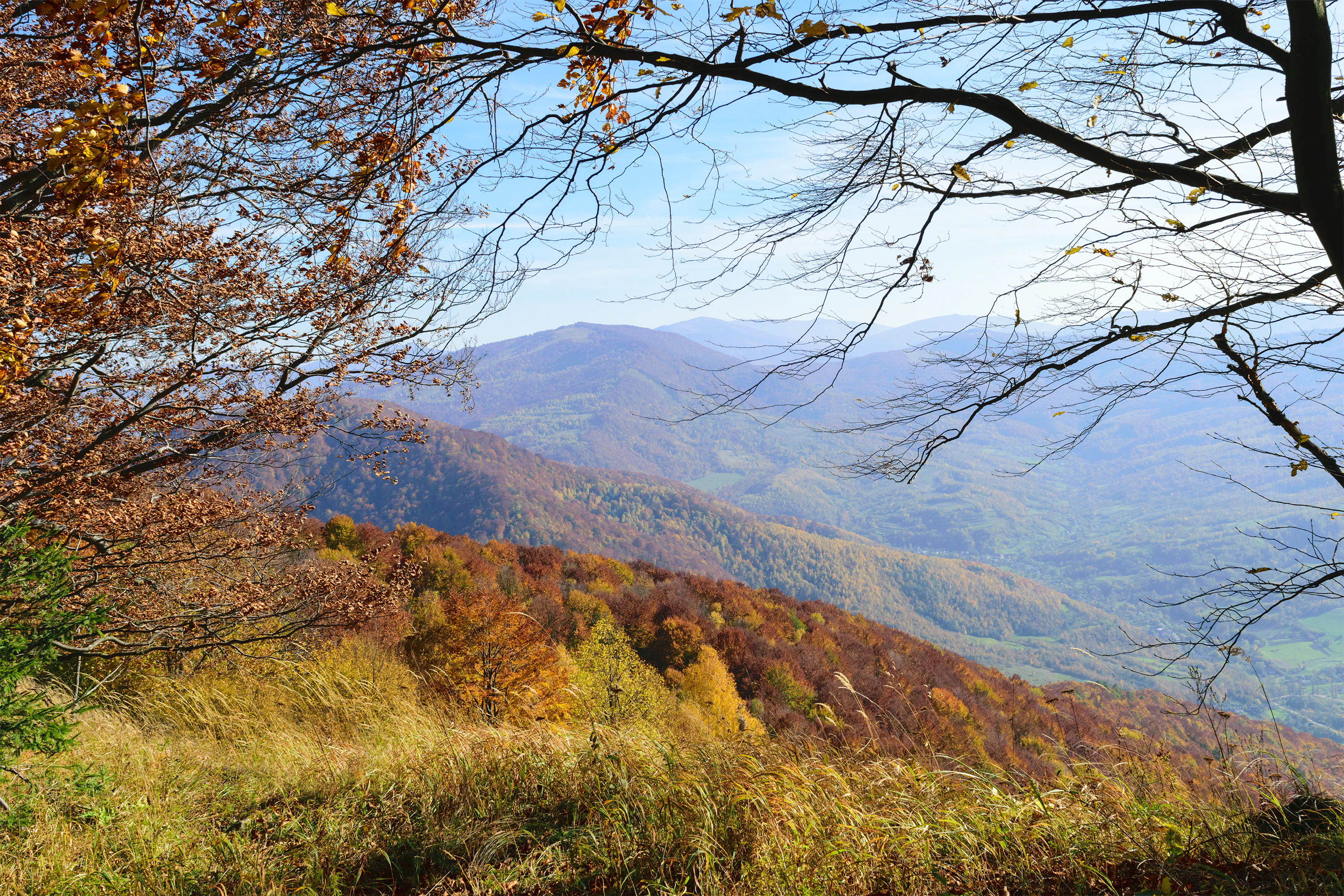
Uzh National Nature Park protects the most significant primeval beech forests in the Ukrainian Carpathians, representing ecosystems of global importance recognized by UNESCO World Heritage status. The Stuzhytsia area preserves the finest example of the upper forest boundary in the region, where beech trees form distinctive krummholz at elevations between 1,200 and 1,280 meters. The park contains exceptional biodiversity with over 1,500 plant species, including 52 nationally protected species and 23 orchid species. Its location at the crossroads of Ukraine, Poland, and Slovakia places it within the first trilateral biosphere reserve in the world. The six historic wooden churches of the Lemko people add cultural dimension to the natural landscape. Seventeen marked trails provide access for visitors to explore the park's diverse landscapes, from valley forests to alpine meadows.
Best time to visit Uzh National Nature Park
The best time to visit Uzh National Nature Park depends on the experience sought. Summer months from June to August offer warm conditions ideal for hiking the numerous trails, with alpine meadows in full bloom and wildlife most active. Autumn provides spectacular displays of forest colors as beech trees change, with September and October offering pleasant temperatures and fewer visitors. Winter transforms the park into a snowy landscape, with the Carpathian mountains covered in snow and temperatures dropping below freezing, suitable for those interested in winter landscapes though some trails may be inaccessible. Spring brings the renewal of vegetation and is particularly rewarding for botanical interests, though conditions can be variable. The climate is temperate with annual rainfall around 900 millimeters, so visitors should be prepared for changeable weather regardless of season.