Mori Atlas logo
National parkVirgin Islands National Park

Discover the park's volcanic terrain, tropical rainforests, and surrounding marine protected areas.

Virgin Islands National Park: Protected Landscape, Mapped Boundaries, and Caribbean Geography

Virgin Islands National Park preserves a significant portion of Saint John island and its surrounding waters, showcasing a remarkable Caribbean landscape. This protected area features volcanic uplands, lush tropical rainforests, pristine beaches, and vibrant coral reefs vital for regional marine ecosystems. Explore its mapped boundaries and discover the unique geological and ecological context of this vital protected land.

Marine Protected AreaCaribbean IslandsCoral ReefsTropical RainforestSnorkelingScuba Diving

Virgin Islands National Park

National park

Park overview

Structured park overview, official facts, and landscape profile for Virgin Islands National Park

Virgin Islands National Park park facts, protected area profile, and essential visitor context
Review the core facts for Virgin Islands National Park, including designation, size, terrain, visitor scale, habitats, and operating context in one park-focused overview.

About Virgin Islands National Park

Virgin Islands National Park preserves a remarkable concentration of Caribbean natural and cultural heritage on the island of Saint John in the U.S. Virgin Islands. The park encompasses nearly 60 percent of the island's land area, along with substantial marine waters extending into the surrounding Caribbean Sea, and includes virtually all of Hassel Island in the Charlotte Amalie harbor on neighboring Saint Thomas. This extensive protection creates a continuous preserve that spans from the volcanic ridgelines of the island's interior down through tropical forest to coral-fringed shores and underwater reef systems. The park's establishment in 1956 resulted from thevision of Laurance Rockefeller, whose Jackson Hole Preserve organization donated substantial lands to the National Park Service with the condition that they remain protected from future development. This founding principle of preservation has guided subsequent land acquisitions, including the significant expansion of marine protection with the creation of the Virgin Islands Coral Reef National Monument in 2001 and the ongoing integration of properties like Estate Maho Bay into the park system. The park serves multiple conservation purposes: protecting Caribbean tropical marine and terrestrial ecosystems in their natural conditions, preserving scenic features of outstanding quality, and maintaining cultural heritage spanning from pre-Columbian Taíno settlements through the Danish colonial period to the mid-20th century.

Quick facts and research context for Virgin Islands National Park

Virgin Islands National Park occupies 14,737 acres of land and ocean on Saint John, U.S. Virgin Islands, making it one of the smaller U.S. national parks by area but one of the most significant for tropical marine conservation. The park was established in 1956 through a landmark land donation and has since expanded through additional acquisitions, including significant additions from the Estate Maho Bay property in the 2010s. The park is classified as IUCN Category V, indicating a protected landscape where nature and human activities coexist. Cruz Bay serves as the primary gateway and visitor center location, accessible by ferry from Saint Thomas and other Virgin Islands. The park experiences a tropical savanna climate with an average temperature of 79°F and approximately 55 inches of rainfall annually, with the driest months from December through April constituting the primary tourist season.

Park context

Deeper park guide and search-rich context for Virgin Islands National Park

Virgin Islands National Park history, landscape, wildlife, and travel context
Explore Virgin Islands National Park through its history, landscape character, ecosystems, wildlife, conservation priorities, cultural context, and seasonal travel timing in a structured park guide built for atlas discovery and search intent.

Why Virgin Islands National Park stands out

Virgin Islands National Park is best known for its exceptional marine environments and world-class snorkeling and scuba diving opportunities. The park's coral reefs, which nearly encircle Saint John, feature underwater trails such as the one at Trunk Bay, allowing visitors to explore vibrant coral formations and tropical fish. The tropical rainforest trails provide a contrasting terrestrial experience, with routes like the Reef Bay Trail offering access to historic sugar plantation ruins, Taíno petroglyphs, and a spring-fed waterfall. The park's beaches, including Trunk Bay, Cinnamon Bay, Honeymoon Beach, and Maho Bay, are regularly recognized among the world's finest. The combination of protected marine ecosystems, colonial-era historical sites, and diverse wildlife within a relatively compact area makes this park uniquely significant in the Caribbean.

Virgin Islands National Park history and protected-area timeline

The establishment of Virgin Islands National Park in 1956 marked a significant moment in American conservation history, representing one of the first national parks established outside the contiguous United States. Laurance Rockefeller, a prominent conservationist and philanthropist, arranged for his Jackson Hole Preserve organization to donate extensive lands on Saint John to the National Park Service, with the explicit condition that the land be protected from future development. This donation formed the core of the park and established a model for public-private conservation partnerships. The park boundaries ultimately came to include approximately 75 percent of the island, though various private inholdings such as Peter Bay and Maho Bay reduced actual park lands to about 60 percent of the island's acreage. The protection of marine environments expanded significantly in 2001 with the creation of the Virgin Islands Coral Reef National Monument, adding thousands of acres of ocean to the protected area. The park continued to grow through the 2000s and 2010s as The Trust for Public Land acquired parcels for preservation, including the 415-acre Estate Maho Bay in 2006, followed by subsequent transfers to the National Park Service of 18 acres at Mamey's Peak in 2011, 58 acres in 2012, and 72 acres in 2013 in the largest single addition to the park. The park faced catastrophic disruption in September 2017 when Category 5 Hurricanes Irma and Maria struck the Virgin Islands, causing visitor numbers to drop dramatically from 304,408 in 2017 to just 112,287 in 2018. The park was reopened in December 2017 with all roads, trails, and beaches declared accessible, and visitor numbers have since recovered to pre-hurricane levels, reaching 471,074 in 2025.

Virgin Islands National Park landscape and geographic character

The landscape of Virgin Islands National Park encompasses a dramatic transition from volcanic uplands to Caribbean shores across the relatively compact terrain of Saint John. The island's highest point, Bordeaux Mountain, rises to 1,277 feet above sea level and can be reached via a challenging hiking trail. The terrain is characterized by steep ridges and valleys carved by tropical rainfall, with the landscape transitioning from exposed rocky summits through diverse forest types to coastal beaches and underwater reef systems. The park's geology reflects its position at the eastern end of the Greater Antilles along the Caribbean Plate, with the island having formed during the Cretaceous period through volcanic activity. The underlying bedrock consists of ancient volcanic formations including keratophyres, pillow basalts, and andesites, with limestone deposits in some areas. Offshore, the marine landscape features coral reefs that virtually encircle the island, creating a complex underwater terrain of coral heads, sea grass beds, and sandy channels. Hassel Island, included almost entirely within the park, adds additional coastal and historical character to the preserve, featuring the historic Fort Willoughby and formerly an important harbor installation.

Virgin Islands National Park ecosystems, habitats, and plant life

The nature of Virgin Islands National Park represents a Caribbean tropical ecosystem of significant scientific and conservation value. The park protects both terrestrial and marine environments, with tropical forest covering the island's interior and coral reef systems surrounding much of the coastline. The terrestrial environment features tropical vegetation that ranges from dry scrub forest on exposed slopes to lush rainforest in valleys and higher elevations, supporting a diversity of plant species adapted to the Caribbean climate. The marine environment is particularly significant, with the Virgin Islands Coral Reef National Monument protecting extensive reef systems that support hundreds of species of fish, invertebrates, and marine plants. The waters around Saint John include fringing reefs, sea grass beds, and deep coral formations, creating a complex marine habitat. The park's designation as an Important Bird Area by BirdLife International recognizes its significance for avian biodiversity, with the island supporting populations of bridled quail-doves, green-throated caribs, Antillean crested hummingbirds, brown pelicans, Caribbean elaenias, Puerto Rican flycatchers, pearly-eyed thrashers, and Lesser Antillean bullfinches.

Virgin Islands National Park wildlife and species highlights

Wildlife within Virgin Islands National Park reflects the Caribbean island ecosystem, with a mix of native and introduced species. Bats represent the only native land mammals in the park, as most terrestrial mammals found on Saint John have been introduced, including wild donkeys, deer, mongoose, pigs, and goats that descend from historical livestock operations. The reptile and amphibian populations include iguanas, skinks, and frogs, while the marine environment supports diverse fish species, sea turtles, and crabs. The birdlife is particularly notable, with the park recognized as an Important Bird Area supporting significant populations of tropical bird species. The underwater wildlife is a major attraction, with coral reefs hosting countless species of tropical fish, invertebrates, and marine plants. Sea turtles and stingrays are commonly encountered in the shallow waters of Maho Bay and other beach areas, while larger marine species may be found at deeper reef sites. The combination of terrestrial and marine habitats creates an environment where visitors can encounter wildlife both onshore and beneath the waves.

Virgin Islands National Park conservation status and protection priorities

Virgin Islands National Park plays a crucial role in Caribbean conservation, protecting some of the most significant tropical marine and terrestrial ecosystems in the U.S. Virgin Islands. The park's dual focus on marine and terrestrial environments reflects the interconnected nature of island ecosystems, where watershed health directly affects reef quality and marine protected areas provide essential habitat for species that also rely on terrestrial environments. The establishment of the Virgin Islands Coral Reef National Monument in 2001 significantly expanded marine protection, creating a contiguous marine protected area that safeguards coral reef ecosystems from the impacts of development and resource extraction. The park's IUCN Category V designation reflects its role as a protected landscape where conservation works in concert with sustainable human use, allowing for activities like hiking, snorkeling, and limited resort development while maintaining the essential ecological character of the area. The ongoing land acquisition efforts, particularly the Estate Maho Bay additions, demonstrate continued commitment to expanding protection of both natural habitats and cultural resources, with the property containing not only undisturbed forest but also significant historic Danish colonial and Taíno archaeological artifacts.

Virgin Islands National Park cultural meaning and human context

The cultural landscape of Virgin Islands National Park spans thousands of years of human occupation, from pre-Columbian indigenous settlements through the colonial era to modern tourism. The Taíno people, the indigenous inhabitants of the Caribbean, left their mark on the landscape in the form of petroglyph rock carvings located near waterfalls along the Reef Bay Trail, one of the park's most significant archaeological sites. The subsequent Danish colonial period, during which the Virgin Islands were part of the Danish West Indies, transformed much of the island into sugar cane plantations, leaving behind the ruins of sugar factories, windmills, and plantation houses that now dot the park landscape. Sites like the Annaberg Historic District, Reef Bay Sugar Factory Historic District, and Catherineberg Sugar Mill Ruins preserve these historical remains and provide insight into the plantation economy that once dominated the island. The park's cultural resources also include the historic structures on Hassel Island, particularly Fort Willoughby, which reflects the island's strategic importance in colonial defense. The park purpose explicitly acknowledges this cultural heritage, identifying preservation of cultural heritage from pre-Columbian through Danish colonial times as a core mission alongside protection of natural resources.

Top sights and standout views in Virgin Islands National Park

Virgin Islands National Park offers an exceptional concentration of natural and cultural highlights within a relatively compact Caribbean setting. The underwater snorkeling trail at Trunk Bay provides one of the Caribbean's most accessible coral reef experiences, allowing visitors to swim among tropical fish and coral formations from a beach-based location. The Reef Bay Trail combines natural beauty with cultural history, offering hikers views of tropical forests, sugar mill ruins, Taíno petroglyphs, and a waterfall before reaching a coral reef at Genti Bay. The park's beaches, including the renowned Trunk Bay, Cinnamon Bay, and Honeymoon Beach, rank among the world's finest, with the added benefit of being protected within a national park. The historic Annaberg sugar plantation provides a window into the island's colonial past, with partially restored structures and knowledgeable park staff explaining the sugar production process. The hiking trail to Bordeaux Mountain summit offers panoramic views from the island's highest point, while the Caneel Hill Trail provides a more accessible summit experience with views spanning multiple islands on clear days.

Best time to visit Virgin Islands National Park

The optimal time to visit Virgin Islands National Park is during the dry season from December through April, when rainfall is minimal and visitor services are fully operational. These months coincide with the primary tourist season, when accommodation prices are at their highest but the weather is most reliably pleasant, with lower humidity and reduced chance of rain interrupting outdoor activities. The average temperature remains warm year-round at approximately 79°F, so winter visitors experience minimal temperature relief compared to summer but benefit from the drier conditions. The summer months from May through November constitute the wet season and coincide with the Atlantic hurricane season, though significant rainfall typically occurs in brief afternoon showers rather than continuous precipitation. Summer and fall visitors benefit from substantially reduced accommodation prices and fewer crowds, though the risk of hurricane disruption exists. The park's camping facilities at Cinnamon Bay Campground operate from November through August, while Caneel Bay Resort offers luxury accommodations from November through July. The underwater visibility for snorkeling and diving is generally best during the calmer summer months, despite the increased chance of afternoon rain.
Park location guide

Geography guide, regional context, and park location map for Virgin Islands National Park

Virgin Islands National Park park geography, regions, and map view in United States of America
Understand where Virgin Islands National Park sits in United States of America through a broader geographic reading of the surrounding landscape, nearby location context, and its mapped position within the national park landscape.

How Virgin Islands National Park fits into United States of America

The United States of America is a federal presidential republic and one of the world's largest countries by area and population. It consists of 50 states across a vast territory spanning multiple time zones, with its capital in Washington, D.C. and largest city in New York City. The nation has a diverse economy, influential political system, and significant cultural and military presence globally.

Wider geography shaping Virgin Islands National Park in United States of America

The United States occupies a vast territory in North America, bordered by Canada to the north and Mexico to the south. The 48 contiguous states stretch from the Atlantic to the Pacific Ocean, while Alaska occupies the northwestern region and Hawaii is an archipelago in the Pacific. The country encompasses diverse terrain including the Rocky Mountains, Appalachian Mountains, Great Plains, and extensive river systems.

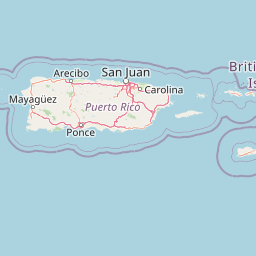
Map view of Virgin Islands National Park

Use this park location map to pinpoint Virgin Islands National Park in United States of America, understand its exact geographic position, and read its mapped placement within the surrounding landscape more clearly.

Pigeon | © OpenStreetMap contributors
Park atlas

Browse Caribbean protected landscapes and marine areas, extending your regional park discovery.

Compare Related National Parks and Protected Areas Near Virgin Islands National Park
Continue your exploration from Virgin Islands National Park by discovering nearby national parks and protected areas throughout the wider Caribbean region. Compare varied island landscapes, marine ecosystems, and distinct conservation efforts to gain a richer atlas view of protected natural areas.
Watercolor painting of mountains, a lake, and green hills
National parkGuadeloupe

Guadeloupe National Park: Volcanic Rainforest and Protected Landscape Identity

Explore mapped boundaries and regional geography.

Guadeloupe National Park stands as a significant protected landscape, primarily defined by the dramatic volcanic terrain of Basse-Terre. This atlas entry focuses on the park's vital role in preserving one of the Caribbean's most extensive tropical rainforest ecosystems, centered around the active La Soufrière volcano. Understand its mapped boundaries, unique geographic setting within the Lesser Antilles, and its importance as a national park and UNESCO biosphere reserve.

Area
173 km²
Established
1989
IUCN
II
Relief
Mountain
National parkDominica

Cabrits National Park: Protected Landscape and Geographic Context in Dominica

Explore Dominica's volcanic terrain and mapped protected areas.

Delve into the protected landscape of Cabrits National Park, a key component of Dominica's natural heritage. This entry provides an atlas-focused view of the park, detailing its geographic setting and mapped boundaries within the island nation. Understand how Cabrits National Park contributes to the regional geography of the Lesser Antilles and appreciate its significance as a protected natural area for structured discovery.

Area
5.3 km²
Established
1986
IUCN
II
Relief
Upland
National parkDominican Republic

Cueva de las Maravillas National Park: Dominican Republic National Park Protected Landscape and Geography

Explore the mapped features and natural terrain of this Dominican national park.

Cueva de las Maravillas National Park is a key protected entity within the Dominican Republic, offering rich geographic context for atlas exploration. This entry focuses on the park's identity as a national park, detailing its mapped boundaries and natural landscape features. Understand its specific role within the Dominican Republic's broader geography and its significance as a conservation area, providing essential context for landscape discovery.

Area
4.5 km²
Established
1997
IUCN
II
Relief
Lowland
National parkDominica

Morne Trois Pitons National Park: Dominica's Volcanic Protected Area Atlas

Explore its unique geothermal terrain and mapped natural boundaries.

Morne Trois Pitons National Park represents a core protected area within Dominica, renowned for its dramatic volcanic landscapes and rich geothermal activity. This national park features steep volcanic cones, deep canyons, and diverse terrain shaped by intense geological forces. The park's mapped boundaries encompass unique natural wonders, offering a focused study of volcanic geography and protected ecosystems. Discover the contours of this significant Caribbean landscape and its inherent natural value.

Area
68.57 km²
Established
1975
IUCN
II
Relief
Mountain
National parkDominican Republic

Los Haitises National Park: Dominican Republic Protected Landscape & Park Geography

Mapped terrain and protected area boundaries in the Dominican Republic.

Los Haitises National Park is a vital protected national park in the Dominican Republic, offering unique insights into the region's geography and natural landscapes. This page delves into its mapped boundaries, regional context, and the importance of its protected status for understanding Dominican Republic's conservation areas. Gain a structured view of this important natural landscape and its place within a broader geographic atlas.

Area
826 km²
Established
1976
IUCN
II
Relief
Upland
National parkDominican Republic

José Armando Bermúdez National Park: Dominican Republic National Park Atlas and Landscape Context

Discover the mapped protected area and geographic setting of this Dominican Republic national park.

Gain an understanding of José Armando Bermúdez National Park as a distinct protected landscape within the Dominican Republic. This entry focuses on its role as a national park, providing geographic context and highlighting its mapped boundaries for atlas exploration. Explore the park's specific terrain and its place within the nation's conservation network.

Area
766 km²
Established
1956
IUCN
II
Relief
Mountain
National parkIndependencia Province

La Gran Sabana National Park: National Park Identity and Geographic Mapping

Exploring protected landscapes and regional context.

This detail entry focuses on La Gran Sabana National Park, delineating its identity as a protected national park within Independencia Province. It provides essential context for understanding the park's mapped boundaries, its specific geographic setting, and its role within the natural landscape. Users can explore its atlas-relevant features and understand its place in the broader geography of the Dominican Republic.

Area
219.58 km²
Established
2009
IUCN
II
Relief
Lowland
National parkPedernales Province

Jaragua National Park: Dominican Republic National Park Protected Landscape Atlas

Discover the mapped geography and protected boundaries of Jaragua National Park.

Jaragua National Park stands as a crucial national park within the Dominican Republic, located in Pedernales Province. This entry provides an in-depth, atlas-style examination of the park's protected landscape, focusing on its geographic features and mapped extent. Users can explore the park's position within the regional geography and understand its significance as a conservation area.

Area
1,374 km²
Established
1983
IUCN
II
Relief
Mountain

Common questions about visiting, size, designation, and location context for Virgin Islands National Park

Virgin Islands National Park FAQs for park facts, access, geography, and protected area context
Find quick answers about Virgin Islands National Park, including protected-area facts, park geography, trail and visitor context, and how the park fits into its surrounding country and regional landscape.
MoriAtlas Explorer

Continue Your Protected Areas Search Across the Global Atlas

Deepen your exploration by continuing the structured search for national parks and protected areas worldwide. Utilize the comprehensive filtering capabilities to compare different conservation landscapes and refine your understanding of global park geography. Discover more about the distribution and characteristics of protected natural areas.

Global natural geography