Why Vodlozero National Park stands out
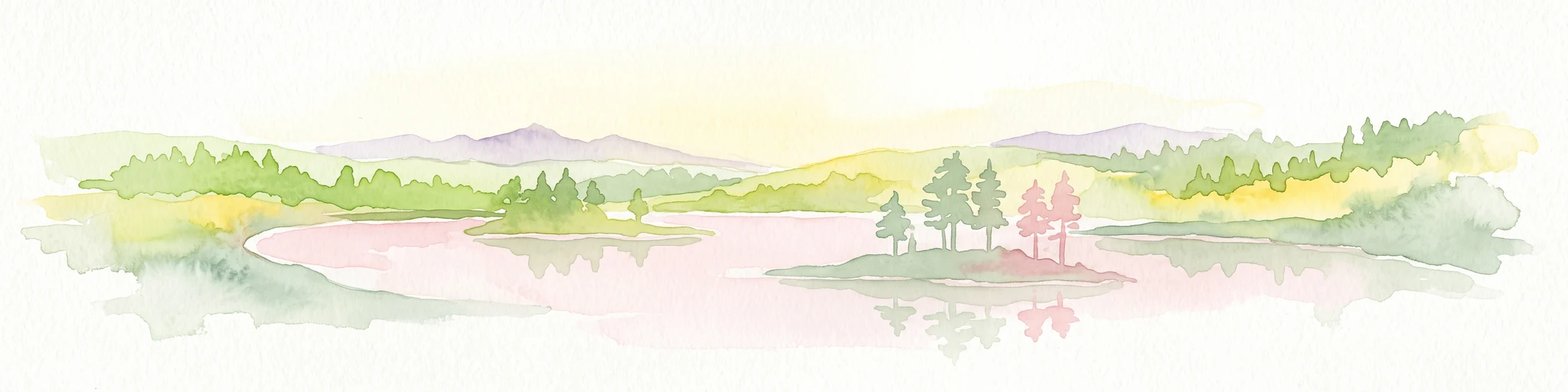
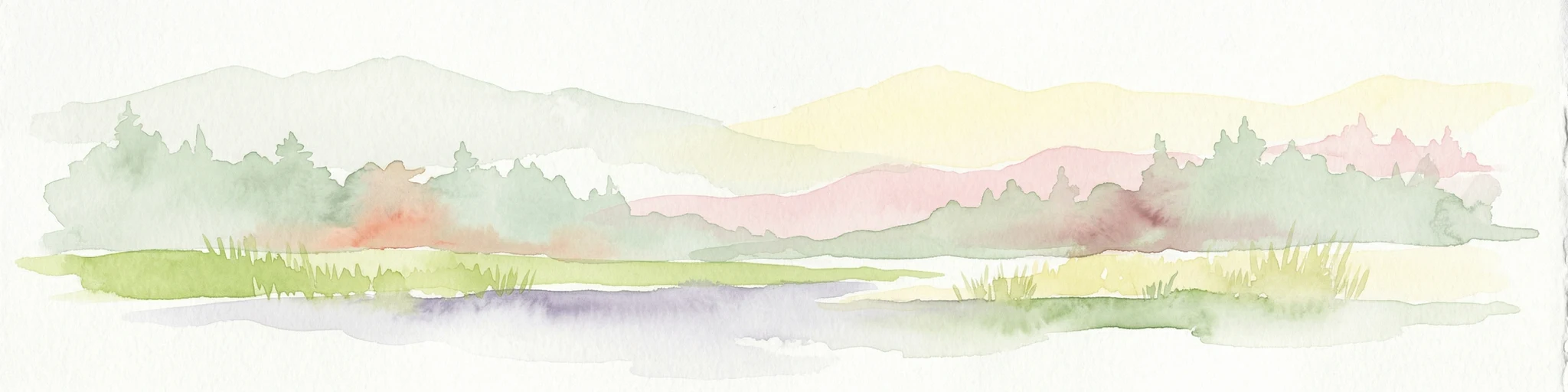
Vodlozero National Park is best known for its sweeping expanse of pristine boreal taiga, often cited as one of the largest surviving tracts of untouched forest in Europe's northwest, along with the deep, lake-dotted landscape around Lake Vodlozero. It is also distinguished as the first Russian national park to be awarded UNESCO biosphere reserve status, reflecting its combined natural and cultural importance. Equally defining is its setting in Vodlozerye, a cultural region of the Russian North where archaeological sites, medieval frontier history, Old Believer heritage, and surviving wooden religious architecture, including chapels and the Ilyinsky pogost, sit within the same protected landscape.
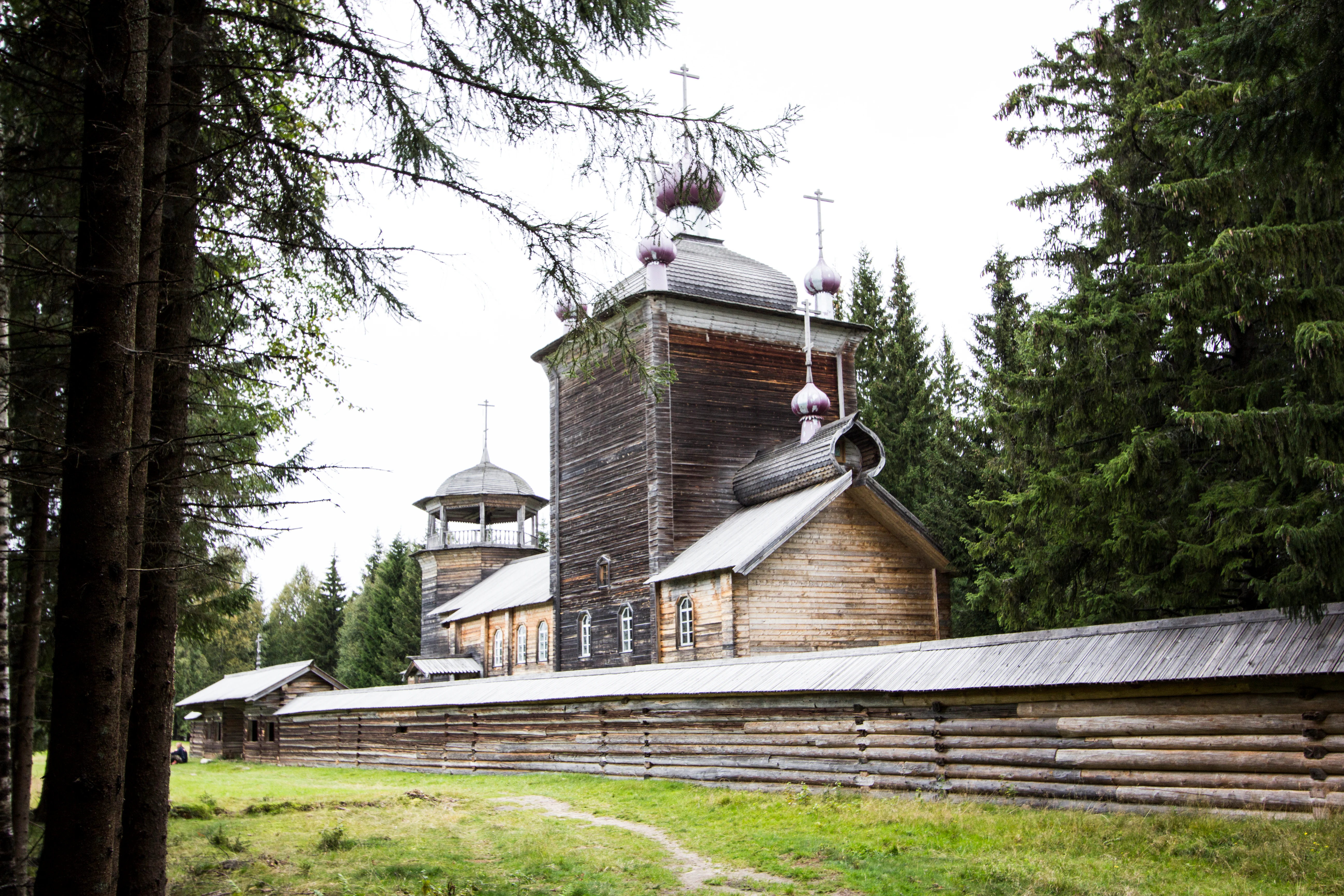
Vodlozero National Park history and protected-area timeline
Vodlozerye, the cultural landscape surrounding Lake Vodlozero, is among the oldest settled regions of the Russian North, with human habitation stretching back roughly eight to nine thousand years. Archaeological sites scattered across the territory mark Mesolithic and Neolithic presence, followed by a transition in which the area was inhabited by Saami and Finnic groups before Slavic populations arrived in the 10th and 11th centuries. By the medieval period, Vodlozerye had been incorporated into the Obonezhskaya pyatina of the Novgorod Republic, tying it into the broader political and economic networks of medieval northern Rus.
After the fall of the Novgorod Republic in the 15th century, the region receded into marginal status, becoming what historical accounts describe as a remote backwater. Its remoteness again became historically significant in the 17th and 18th centuries, when Old Believers fleeing persecution moved into the area, bringing with them a distinctive religious and material culture. The Kozheozersky Monastery became an important spiritual center and at one point sheltered the future Patriarch Nikon, while thirteen old chapels still survive as visible markers of this era. Early 20th-century records describe Vodlozerye as a landscape of forty villages with about 2,600 inhabitants; by 2005 the population had fallen dramatically, with only five settlements and roughly 550 people remaining within the park.
In April 1991, the Council of Ministers of the Russian SFSR formally established Vodlozero National Park to protect the natural complex of the Lake Vodlozero and Ileksa River basin. A decade later, in 2001, the park was designated a UNESCO biosphere reserve, becoming the first such site within the Russian national park system. The park has since played a pioneering role in applying international approaches to ecotourism planning and biodiversity research in Russia.
Vodlozero National Park landscape and geographic character
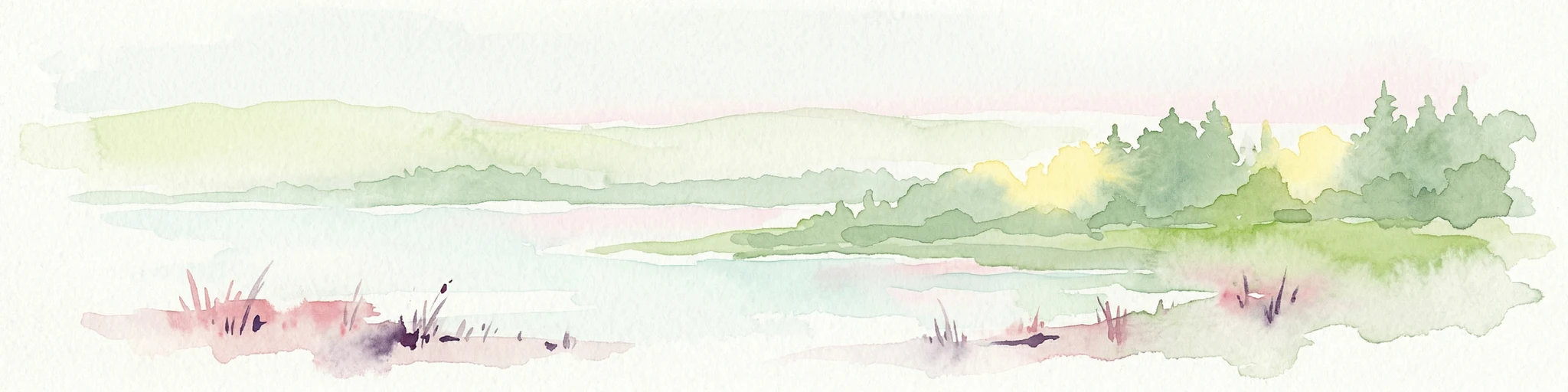
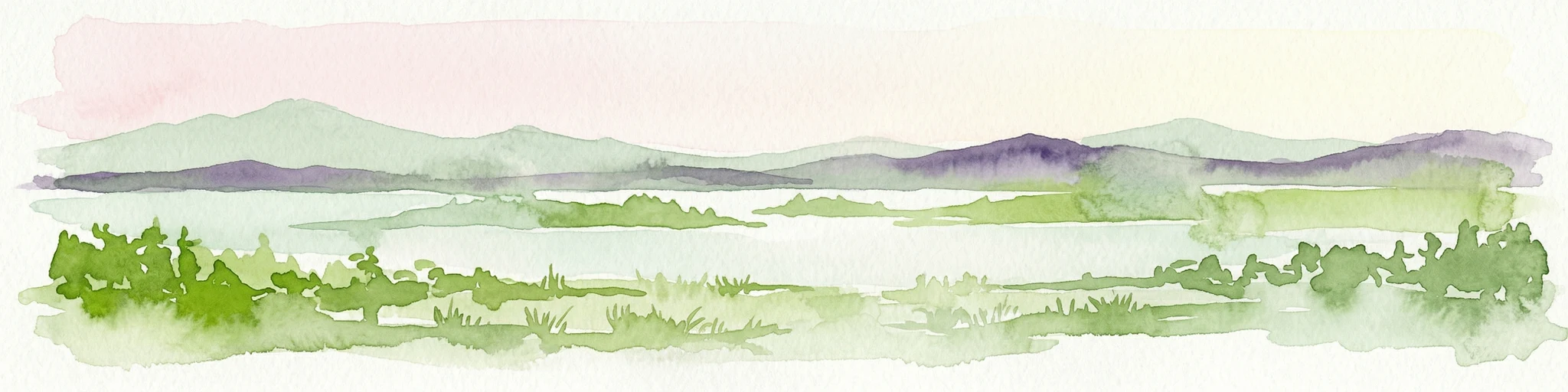
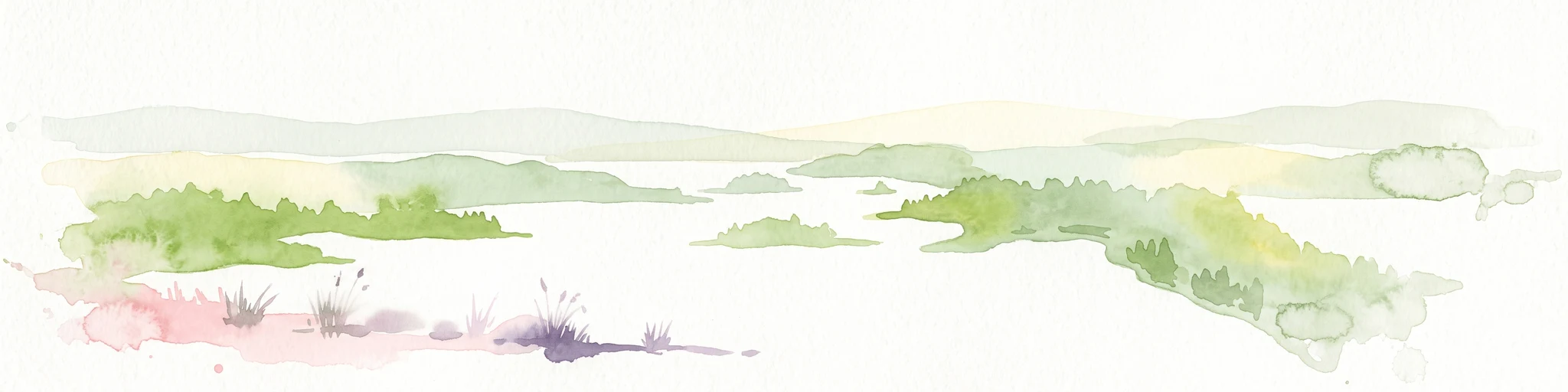
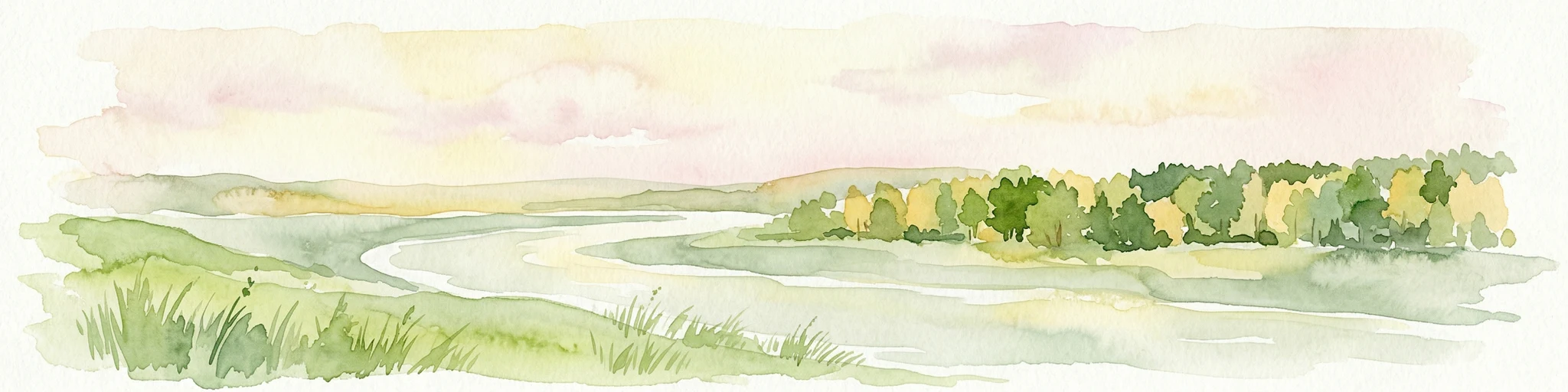
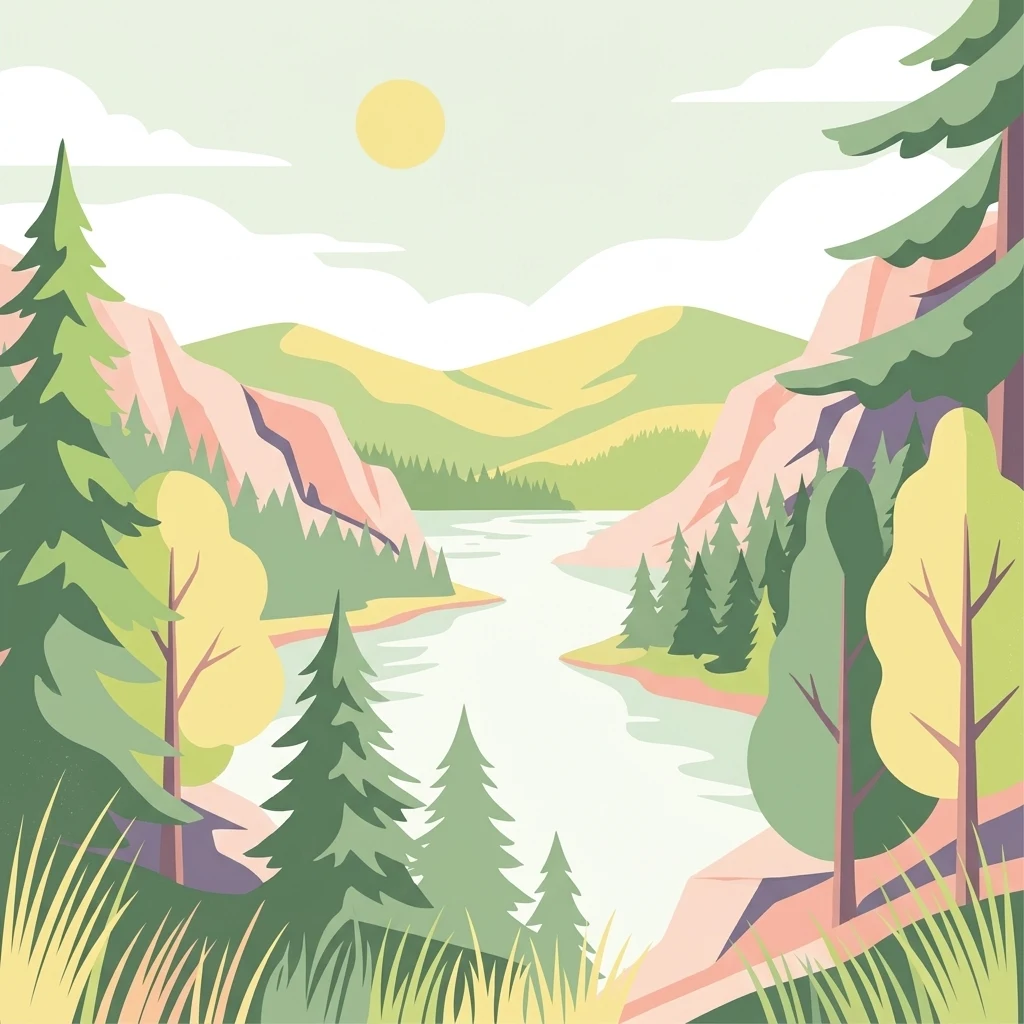
The landscape of Vodlozero National Park is defined by vast expanses of boreal taiga, lake basins, river valleys, and glacial terrain typical of the east Fennoscandian north. Lake Vodlozero, the park's hydrological centerpiece, anchors a basin shaped by meltwater and glacial activity, producing a mosaic of low ridges, broad mires, forested shorelines, and quieter inlets that together create the visual rhythm of the protected area. The Ileksa River, flowing into the lake, extends this network of freshwater systems across the territory.
The forested character of the park is one of its most striking qualities, with mature and largely unmodified stands of spruce, pine, and birch covering large continuous tracts. Mire systems, including raised bogs and transition mires, appear throughout the lowland areas, while patches of higher ground carry denser, more diverse woodland communities. This terrain has been shaped by long-term natural processes, with very limited industrial disturbance, contributing to the claim that the park's untouched forest area exceeds that of any comparable bloc in Western Europe.
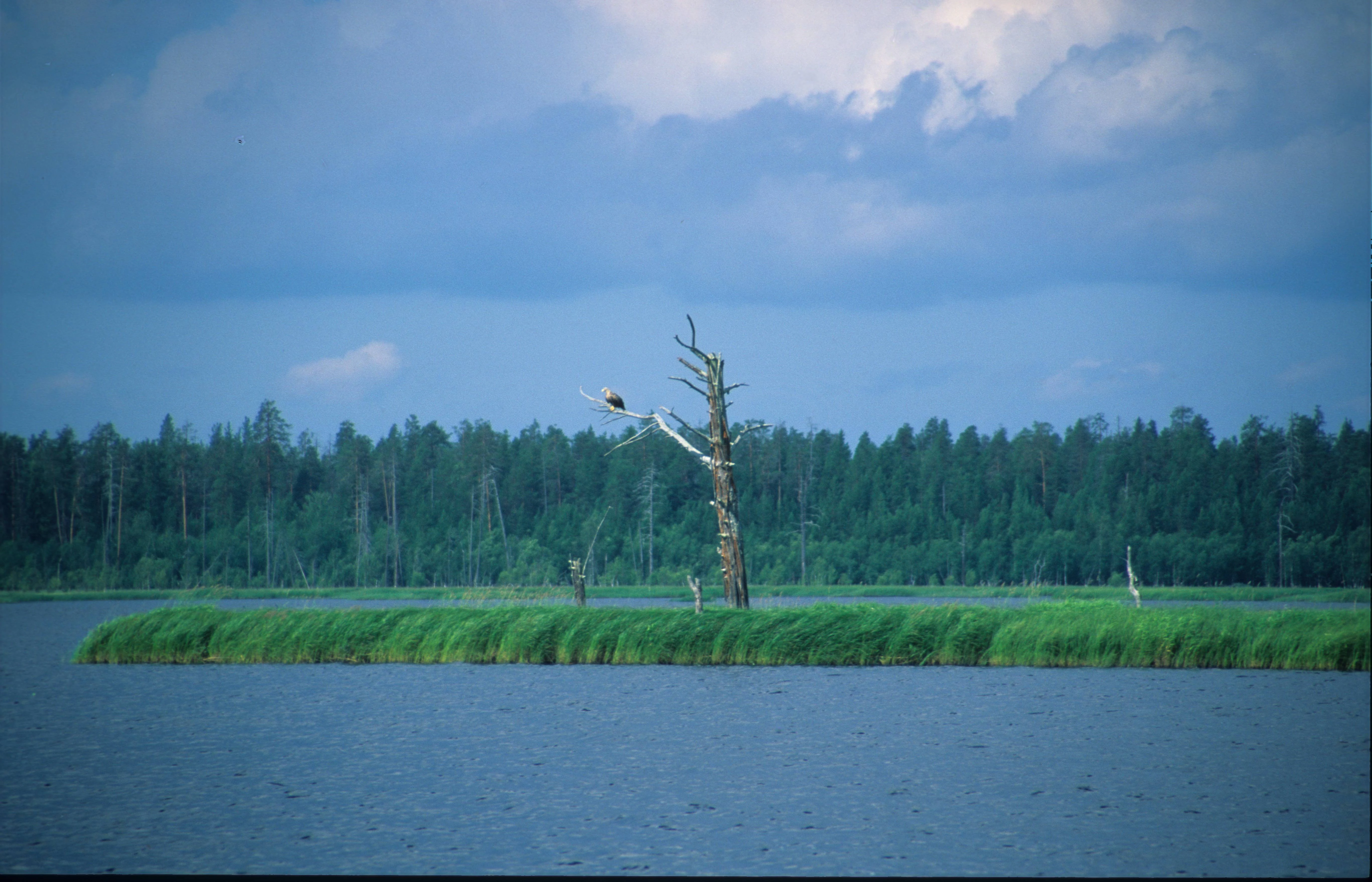
Vodlozero National Park ecosystems, habitats, and plant life
Vodlozero National Park protects representative examples of northwestern Russian taiga ecosystems, including extensive coniferous forests, mire systems, riverine and lakeside habitats, and the transitional zones where boreal woodland meets open wetland. The park is often treated as a reference site for the natural taiga landscapes of European Russia's northwest, and is used as a baseline for biodiversity research comparing intact and modified forest conditions across the region.
Habitat diversity within the protected territory reflects the underlying topography, from lake and river margins, where riparian vegetation and wetland communities fringe the water, to drier upland forests carrying dense, multi-aged tree stands. Mire complexes contribute their own specialized flora and fauna, including hygrophilous plant communities and the invertebrate and aquatic life associated with peatland systems. The combination of aquatic and terrestrial habitats within a single large protected area gives Vodlozero strong ecological coherence as a representative of the east Fennoscandian taiga.
Vodlozero National Park wildlife and species highlights
The wildlife of Vodlozero National Park reflects the broader character of the east Fennoscandian taiga, with species groups typical of mature boreal forest, freshwater systems, and open mire environments. The park's large tracts of undisturbed coniferous forest support populations of mammals commonly associated with old-growth taiga, while the shores and wetlands of Lake Vodlozero and the Ileksa River provide habitat for waterfowl, waders, and other bird species linked to northern lake districts.
The park's research programs place particular emphasis on the study of biodiversity within intact taiga habitats, treating the park as a benchmark for understanding native animal communities in forests that have not been subjected to heavy industrial exploitation. This focus makes Vodlozero a significant site not only for the presence of typical taiga wildlife but also for the broader scientific value of those populations as reference data.
Vodlozero National Park conservation status and protection priorities
Vodlozero National Park plays an important role in the conservation of northwest Russian taiga, safeguarding one of the largest continuous blocks of relatively untouched boreal forest in the region. Its designation in 1991 was explicitly aimed at preserving the natural complex of the Lake Vodlozero and Ileksa River basin, including the forest stands, water bodies, and mires that together form an ecologically coherent landscape. In 2001, recognition as a UNESCO biosphere reserve added an international conservation dimension, making it the first national park in Russia's national park system to be admitted to that network.
Internally, the park is managed through a zoned approach that separates strict conservation areas from zones of regulated access, traditional natural resource use, forestry, and recreation. This zoning allows the protected landscape to serve as both a reservoir of intact ecosystems and a space where scientific research, sustainable forestry, and traditional livelihoods can continue in a controlled framework. The park's scale, ecological integrity, and dual natural and cultural mandate together give it considerable conservation significance at both national and international levels.
Vodlozero National Park cultural meaning and human context
The cultural context of Vodlozero National Park is inseparable from the historical landscape of Vodlozerye, described as one of the oldest cultural regions of the Russian North. Settlement evidence reaches back into the Mesolithic and Neolithic, while the medieval period saw the area integrated into Slavic and Novgorod networks; it later served as a refuge for Old Believer communities in the 17th and 18th centuries. Surviving elements of this layered history include scattered archaeological sites, thirteen old chapels, the Ilyinsky pogost ensemble, and the active Saint Ilyinsky Vodlozersky hermitage located within the park.
Demographic change has been dramatic, from about forty villages and 2,600 inhabitants in the early 20th century to five settlements and around 550 people recorded by 2005. The park's management framework reflects this cultural dimension directly, with a designated zone for traditional natural resource use that supports the remaining local communities. The combination of active religious sites, vernacular wooden architecture, archaeological heritage, and still-living rural traditions makes Vodlozero a notable example of an integrated natural and cultural landscape in Russia's protected-area system.
Top sights and standout views in Vodlozero National Park
Vodlozero's strongest distinguishing features are the sheer scale of its intact boreal forest, its position as the first UNESCO biosphere reserve in Russia's national park system, and the depth of its historical landscape. The park protects the Lake Vodlozero and Ileksa River basin at a magnitude rarely matched elsewhere in European Russia, encompassing enough untouched taiga that its forest reserves have been compared in aggregate to all such forests in Western Europe combined.
Equally notable is the cultural layering of Vodlozerye, where Mesolithic and Neolithic sites, medieval Slavic frontier history, Novgorod-era estates, Old Believer settlements, and surviving wooden religious architecture sit within a single managed protected landscape. Together, these natural and cultural threads make Vodlozero both an ecological benchmark for taiga conservation and a meaningful site for understanding the long human history of the Russian North.
Best time to visit Vodlozero National Park
As a remote, forest-dominated landscape in the Russian North, Vodlozero's character shifts notably with the seasons. The warmest months bring broad daylight, accessible navigation on Lake Vodlozero, and the most active conditions for wildlife observation, hiking, and boat-based exploration along the Ileksa and within the lake system. This period also aligns with the flowering and growth seasons of the taiga and with cultural events tied to surviving settlements.
The colder half of the year brings snow cover, frozen lake and river surfaces, and a quieter, more austere version of the taiga landscape, more suited to experienced winter visitors than to general travel. Because the park's climate is harsh and its infrastructure oriented toward seasonal use, planning around the summer to early autumn window is generally most rewarding for those seeking a full sense of the park's landscapes, waters, and cultural sites.