

Mori Atlas logo
National parkWolchulsan National Park

Discover the mapped boundaries and natural terrain of this South Korean national park.

Wolchulsan National Park: Protected Landscape and Geographic Context in Jeollanam-do

Wolchulsan National Park represents a significant protected landscape within the Jeollanam-do region of South Korea. As a national park, its designation signifies a commitment to preserving its unique natural terrain and geographic characteristics. This MoriAtlas entry provides an atlas-driven perspective, detailing the park's mapped boundaries and its role within the broader regional geography, allowing for structured discovery of its protected landscape identity.

National ParksSouth KoreaMountain ParksRocky LandscapesJeollanam-doBuddhist Temples

Wolchulsan National Park

National park

Park overview

Structured park overview, official facts, and landscape profile for Wolchulsan National Park

Wolchulsan National Park park facts, protected area profile, and essential visitor context
Review the core facts for Wolchulsan National Park, including designation, size, terrain, visitor scale, habitats, and operating context in one park-focused overview.

About Wolchulsan National Park

Wolchulsan National Park occupies a distinctive place among South Korea's protected areas as the smallest national park in the system, yet it punches well above its weight in terms of natural and cultural significance. The park's landscape is dominated by Mount Wolchul, a mountain range that rises dramatically from the surrounding plains of Jeollanam-do province in the southwestern part of the Korean peninsula. The mountain's name, which translates as "Moonrise Mountain," reflects its prominent position in the local landscape and its cultural importance to communities that have lived in its shadow for centuries. The rocky character of the mountain sets it apart from many of South Korea's other parks, with exposed granite peaks, steep cliffs, and deeply incised valleys creating a landscape that visitors frequently compare to the famous Kumgang Mountains in the north, hence the "Mount Kumgang of Honam" nickname that locals have long applied to Wolchulsan. The park spans the administrative boundaries of Gangjin and Yeongam counties, incorporating both the natural mountain environment and the human cultural heritage that has developed there over generations. Three national treasures and several local cultural properties are protected within the park boundaries, making it an important repository of Korea's cultural heritage in addition to its ecological value.

Quick facts and research context for Wolchulsan National Park

Wolchulsan National Park is located in Jeollanam-do province in southwestern South Korea, spanning the counties of Gangjin and Yeongam. The park covers 56.6 square kilometers, making it the smallest national park in South Korea. The highest peak is Cheong-hwang-bong at 809 meters elevation. The park was established in 1988 and is managed by the Korea National Park Service. It contains three South Korean National Treasures, including the Dogapsa Temple and the Wolchulsan Seated Buddha statue.

Park context

Deeper park guide and search-rich context for Wolchulsan National Park

Wolchulsan National Park history, landscape, wildlife, and travel context
Explore Wolchulsan National Park through its history, landscape character, ecosystems, wildlife, conservation priorities, cultural context, and seasonal travel timing in a structured park guide built for atlas discovery and search intent.

Why Wolchulsan National Park stands out

Wolchulsan National Park is best known for its dramatic rocky landscape featuring rugged peaks and deep valleys that rival some of Korea's more famous mountains. The park's defining characteristic is its exposed granite rock formations that create distinctive silhouettes against the sky. Notable features include the Cloud Bridge, a 52-meter suspension bridge suspended 120 meters above the valley floor, and the Wolchulsan Seated Buddha, an 8.6-meter-tall National Treasure statue. The park is also famous for Dogapsa Temple, a historic Buddhist site that remains in its burned state from the Korean War, offering a unique window into the region's wartime heritage. The Wolchulsan Sculpture Park provides an additional cultural attraction set within the natural mountain environment.

Wolchulsan National Park history and protected-area timeline

Wolchulsan National Park was officially designated on June 11, 1988, becoming one of the later additions to South Korea's national park system. The establishment of the park reflected growing recognition in Korea of the need to protect the country's mountainous landscapes and cultural heritage sites from development pressures. Prior to national park designation, the mountain and its associated Buddhist temples and cultural properties had long served as sites of religious importance and local pilgrimage. The establishment of the park brought the mountain under the management of the Korea National Park Service, ensuring coordinated protection of both natural and cultural resources. The park contains Dogapsa Temple, founded in the 6th century according to historical records, which houses National Treasure #50. The temple's current state, damaged and never fully restored following destruction during the Korean War, represents an important historical artifact of that turbulent period in Korean history. The Wolchulsan Seated Buddha, designated National Treasure #144, stands as another significant historical artifact within the park, representing the Buddhist heritage that has shaped the mountain for centuries.

Wolchulsan National Park landscape and geographic character

The landscape of Wolchulsan National Park is defined by its dramatic mountainous terrain characterized by rugged rocky peaks, steep cliffs, and deep valleys carved into the granite bedrock. The park's highest point, Cheong-hwang-bong, rises to 809 meters above sea level, providing commanding views across the surrounding countryside of Jeollanam-do province. The mountain's exposed granite formations create a distinctive visual character, with rock faces and boulders scattered throughout the forest cover and along the ridge lines. The valleys within the park contain streams and small waterfalls that add to the scenic variety, while the transition from valley floor to ridgeline provides diverse microhabitats and visual interest. The landscape supports a mix of deciduous and evergreen forest cover that changes with the seasons, adding to the park's appeal. The rocky character of the terrain is particularly notable, distinguishing Wolchulsan from many of South Korea's more heavily forested mountain parks and giving it a more austere, alpine character despite its relatively modest elevation.

Wolchulsan National Park ecosystems, habitats, and plant life

The natural environment of Wolchulsan National Park reflects the ecological characteristics of the southwestern Korean peninsula, with forest communities that vary with elevation and aspect. The lower slopes support mixed deciduous forest, while the higher elevations feature evergreen species adapted to the more exposed conditions. The park's relatively small area contains a surprising diversity of habitats, from valley streams to rocky ridgelines, supporting a variety of plant communities. The forest provides important habitat for birdlife and small mammals, contributing to the park's ecological value despite its compact size. The protection afforded by national park status helps preserve these natural communities and the ecological processes they support, maintaining biodiversity in a region where development pressure is significant. The rocky habitats provide specialized niches for species adapted to cliff environments and exposed rock faces.

Wolchulsan National Park wildlife and species highlights

The wildlife of Wolchulsan National Park includes species typical of the forests and rocky habitats of southwestern South Korea. The forest environment supports a variety of bird species, and the rocky peaks provide habitat for birds of prey. Small mammals including squirrels and other forest-dwelling species inhabit the wooded areas of the park. The valley streams support aquatic life and provide water sources that attract wildlife throughout the park. While the park is not specifically known for any particular flagship species, the protected forest environment provides important habitat for the region's native wildlife. The diverse habitats within the relatively small park area support ecological communities that would be vulnerable to loss without the protection that national park status provides.

Wolchulsan National Park conservation status and protection priorities

Wolchulsan National Park represents an important conservation priority within South Korea's protected area network despite its small size. The park protects a distinctive mountain landscape with significant rocky terrain that is relatively rare among South Korea's national parks, preserving both the natural environment and important cultural heritage sites. The presence of three national treasures within the park boundaries adds cultural significance to the conservation value, making Wolchulsan a model for integrated natural and cultural protection. The Korea National Park Service manages the park to balance conservation objectives with public access, maintaining trails and facilities while protecting sensitive areas. The park's designation in 1988 reflected a recognition that even small areas can have significant conservation and cultural value, and the ongoing management of Wolchulsan demonstrates the importance of protecting representative samples of Korea's diverse mountain environments.

Wolchulsan National Park cultural meaning and human context

Wolchulsan National Park contains significant cultural heritage that reflects centuries of human interaction with the mountain landscape. Buddhist culture has shaped the mountain for over a millennium, with Dogapsa Temple dating to the 6th century as one of the oldest religious sites in the region. The temple's incomplete restoration following destruction during the Korean War preserves an important historical witness to that period while also symbolizing the endurance of faith in challenging circumstances. The Wolchulsan Seated Buddha, standing 8.6 meters tall and designated National Treasure #144, represents an important example of Korean Buddhist sculpture. The Wolchulsan Sculpture Park, covering approximately 5,000 square meters, demonstrates the continuing cultural vitality of the mountain as a site for artistic expression. The nickname "Mount Kumgang of Honam" reflects the mountain's cultural importance to the people of Jeolla-do (Honam), connecting the landscape to broader Korean cultural identity and aesthetic traditions regarding mountain beauty.

Top sights and standout views in Wolchulsan National Park

Wolchulsan National Park offers visitors a compact but rich experience combining dramatic mountain scenery, significant cultural heritage, and modern attractions. The Cloud Bridge, a 52-meter suspension bridge spanning a valley at a height of 120 meters, provides an exhilarating viewpoint and has become a signature attraction for visitors seeking contemporary adventure within a traditional mountain setting. Hiking to the rocky peaks, particularly Cheong-hwang-bong, rewards visitors with panoramic views across Jeollanam-do province. The historical and cultural sites, including Dogapsa Temple and the Wolchulsan Seated Buddha, provide meaningful connections to Korea's Buddhist heritage and historical experiences. The Wolchulsan Sculpture Park adds a contemporary cultural dimension to the park visit experience. The park's small size makes it accessible for day trips while still offering enough variety to warrant extended exploration, making it particularly suitable for visitors seeking a concentrated mountain experience in southwestern Korea.

Best time to visit Wolchulsan National Park

The best time to visit Wolchulsan National Park depends on what visitors hope to experience, but spring and autumn generally offer the most favorable conditions for exploring the mountain. Spring brings new foliage and pleasant temperatures, while autumn offers colorful foliage that enhances the dramatic rocky landscape with warm seasonal colors. Summer can be hot and humid but provides the advantage of long daylight hours for hiking. Winter reveals the mountain in its most austere character, with bare trees exposing the rocky formations and fewer visitors on the trails. The Cloud Bridge and outdoor attractions are most enjoyable in moderate weather, making spring and autumn particularly suitable for visitors prioritizing the full park experience. The cultural sites can be appreciated in any season, though the mountain trails are most comfortable in cooler months.
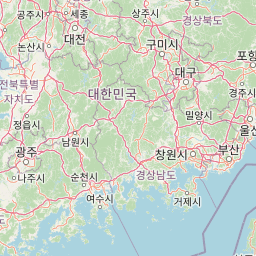
Park location guide

Geography guide, regional context, and park location map for Wolchulsan National Park

Wolchulsan National Park park geography, regions, and map view in South Korea
Understand where Wolchulsan National Park sits in South Korea through a broader geographic reading of the surrounding landscape, nearby location context, and its mapped position within the national park landscape.

How Wolchulsan National Park fits into South Korea

South Korea is a presidential republic on the Korean Peninsula in East Asia. It has a population of about 51 million and Seoul as its capital and largest city. The country is known for its rapid economic development, high technology industry, and cultural exports.

Wider geography shaping Wolchulsan National Park in South Korea

South Korea occupies the southern half of the Korean Peninsula in East Asia. It borders North Korea along the Demilitarized Zone to the north, the Yellow Sea to the west, and the Sea of Japan to the east. The terrain is predominantly mountainous with coastal plains along the southern and eastern shores.

Map view of Wolchulsan National Park

Use this park location map to pinpoint Wolchulsan National Park in South Korea, understand its exact geographic position, and read its mapped placement within the surrounding landscape more clearly.

Pigeon | © OpenStreetMap contributors

Location context for Wolchulsan National Park

Jeollanam-do
Park atlas

Explore diverse protected landscapes and mountain park geography in the surrounding Jeollanam-do province.

Discover Nearby National Parks and Protected Areas Around Wolchulsan National Park
After exploring Wolchulsan National Park's dramatic rocky peaks and cultural heritage, browse other national parks and protected areas across South Korea's southwestern region. This regional overview allows for direct comparison of diverse mountain terrains, forest reserves, and coastal protected landscapes, providing valuable geographic context for your park discovery.
National parkJeollanam-do

Mudeungsan National Park: Mapped Protected Landscape and Regional Geography Context

Explore Mudeungsan National Park's geographic setting in Jeollanam-do.

Mudeungsan National Park offers a distinct protected landscape within the Jeollanam-do region of South Korea. This atlas-focused page details its mapped geographic boundaries and the surrounding natural terrain, providing essential context for understanding its role as a national park. Explore the park's identity through its unique landscape and regional geography.

Area
75.45 km²
Established
2012
IUCN
II
Relief
Mountain
National parkSouth Korea

Dadohaehaesang National Park: Exploring South Korea's Coastal Protected Area Boundaries

Mapped landscape context and regional geography.

Delve into the protected landscape of Dadohaehaesang National Park, a significant national park located in South Korea. This entry provides critical geographic information, detailing the park's mapped boundaries and its place within the broader regional terrain. It serves as an essential resource for understanding the park's protected status and its unique natural features for those exploring national parks and protected areas within an atlas framework.

Area
2,321.5 km²
Established
1981
IUCN
II
Visitors
560K annual
National parkSouth Korea

Naejangsan National Park: South Korea's Mapped Protected Landscape and Geography

Discover the park's protected boundaries and regional context.

Investigate Naejangsan National Park, a protected area within South Korea, through its mapped geography and landscape context. This detailed atlas entry provides insight into the park's specific geographic identity and its role as a national park, offering a structured understanding of its protected natural features for focused exploration and research.

Area
81.45 km²
Established
1971
IUCN
II
Relief
Mountain
National parkJeollabuk-do

Byeonsan-bando National Park: Protected Landscape and Geographic Context in Jeollabuk-do

Explore mapped terrain and regional park geography.

This detail page provides an in-depth look at Byeonsan-bando National Park, a protected area located in South Korea's Jeollabuk-do region. Users can discover the park's specific geographic identity, understand its mapped boundaries, and explore its role within the broader regional landscape. The content is structured for atlas exploration, offering detailed insights into the park's natural terrain and its significance as a national park.

Area
154.71 km²
Established
1988
IUCN
II
Relief
Mixed relief
National parkSouth Korea

Jirisan National Park: South Korea's Premier Protected Landscape and Map Resource

Explore the mapped terrain and protected area geography.

Jirisan National Park is a key protected area within South Korea, serving as a vital component of the nation's natural landscape. This atlas-focused content provides detailed geographic information, highlighting the park's mapped boundaries and its role within the regional context of the Korean Peninsula. Understand the distinct characteristics of this protected national park for comprehensive geographic discovery.

Area
471.75 km²
Established
1967
IUCN
II
Visitors
1.5M annual
National parkSouth Korea

Hallyeohaesang National Park: South Korea National Park Geographic Atlas Entry

Explore mapped protected area boundaries and natural terrain.

As a designated national park in South Korea, Hallyeohaesang National Park offers a distinct geographic profile crucial for atlas exploration. This entry focuses on its protected landscape features, mapped territorial extent, and regional context within the Republic of Korea. Understand the park's specific geographical markers and its significance as a mapped protected area.

Area
545.63 km²
Established
1968
IUCN
II
Access
Access unknown
National parkJeju Province

Hallasan National Park: South Korea's Highest Mountain National Park on Jeju

Volcanic Terrain and Mapped Protected Boundaries

Hallasan National Park encompasses South Korea's highest mountain, a massive shield volcano on Jeju Island. This page details the park's protected landscape, from sub-tropical forests to alpine environments, and its prominent role within Jeju Province's geography. Discover its mapped terrain and unique geological features, including the summit crater lake Baekrokdam.

Area
153.11 km²
Established
1970
IUCN
II
Relief
Mountain
National parkJeollabuk-do

Deogyusan National Park: National Park Identity and Geographic Mapping

Explore its protected land boundaries and regional landscape context.

Examine Deogyusan National Park, a designated national park situated in the Jeollabuk-do region of South Korea. This entry provides critical geographic context, focusing on the park's mapped boundaries and its role as a protected landscape. Users can gain a structured understanding of its natural terrain and regional significance, contributing to a broader atlas of protected areas.

Area
231.65 km²
Established
1975
IUCN
V
Visitors
1M annual

Common questions about visiting, size, designation, and location context for Wolchulsan National Park

Wolchulsan National Park FAQs for park facts, access, geography, and protected area context
Find quick answers about Wolchulsan National Park, including protected-area facts, park geography, trail and visitor context, and how the park fits into its surrounding country and regional landscape.
MoriAtlas Explorer

Continue Your Protected Areas Search Across the Global Atlas

Deepen your exploration by continuing the structured search for national parks and protected areas worldwide. Utilize the comprehensive filtering capabilities to compare different conservation landscapes and refine your understanding of global park geography. Discover more about the distribution and characteristics of protected natural areas.

Global natural geography