
Why Xuân Thủy National Park stands out
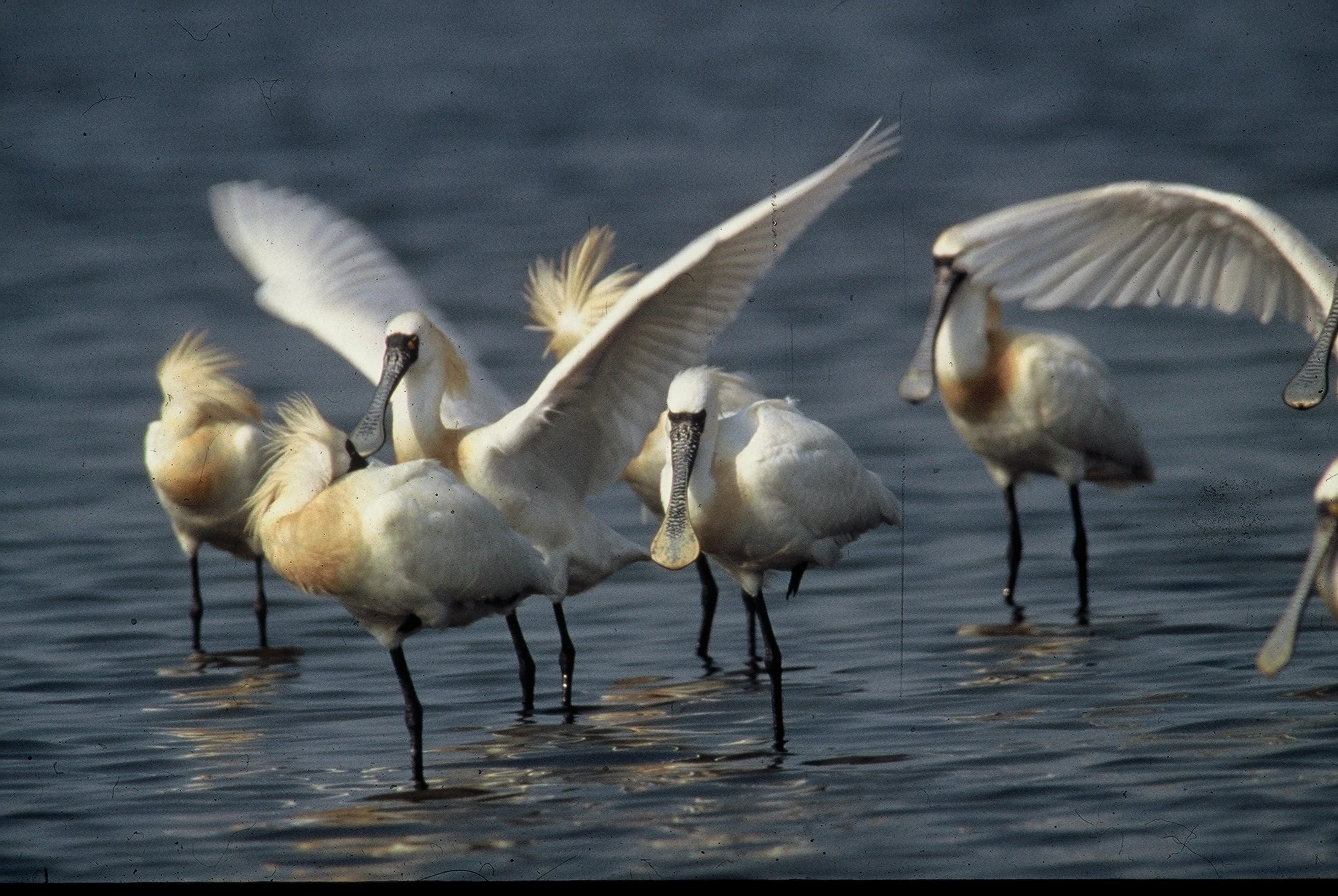
Xuân Thủy National Park is best known as one of the most important migratory bird habitats in Southeast Asia. The park serves as a critical staging and wintering ground for shorebirds, gulls, and waterfowl traveling along the East Asian-Australasian flyway. It hosts the largest population of black-faced spoonbill in Vietnam, with 65 to 75 individuals recorded during migration season, representing about 5% of the global population of this endangered species. The park is also notable for supporting globally threatened species including the spoon-billed sandpiper and Nordmann's greenshank. Its extensive mangrove forest ecosystem, the largest in northern Vietnam, provides flood protection, soil stabilization, and nursery habitat for diverse aquatic species.
Xuân Thủy National Park history and protected-area timeline
Xuân Thủy National Park traces its protected status to January 1989, when the 12,000-hectare area around the Red River mouth was designated as Southeast Asia's first Ramsar site, becoming the 50th such site worldwide. This international recognition came after six years of preparation and advocacy, establishing the area's significance for waterbird conservation. In 1995, the Vietnamese government established the Xuân Thủy Wetland Natural Reserve, formalizing national protection. The park achieved its current status on January 2, 2003, when Prime Minister Nguyễn Tấn Dũng signed Decision 01/2003/QĐ-TTg, elevating the reserve to national park status and placing it under the management of the Nam Định Province People's Committee's Department of Agriculture and Rural Development. In December 2004, UNESCO recognized the park as part of the core zone of the Red River Biosphere Reserve. The park's evolution reflects Vietnam's growing commitment to wetland conservation and international environmental cooperation, with support from various governmental and non-governmental organizations.
Xuân Thủy National Park landscape and geographic character
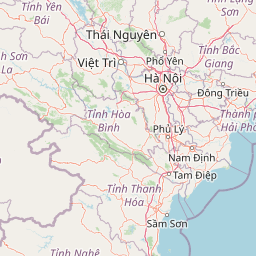
The physical landscape of Xuân Thủy National Park consists of a complex delta and estuarine environment where the Red River meets the Gulf of Tonkin. The park's terrain is predominantly flat and low-lying, characterized by alluvial soils deposited over millennia by riverine and tidal processes. Three primary islands dominate the core zone: Con Ngan (the largest, supporting extensive aquaculture farms and mangrove forest), Con Lu (characterized by sandy alluvial flats and expanding through ongoing sediment deposition), and Con Xanh. The landscape includes extensive mudflats exposed at low tide, mangrove-lined channels, and reclaimed land enclosed by sea dikes. The Ba Lat river mouth creates a distinctive estuarine environment supporting coastal mangroves and the mudflat ecosystem. Soils in the area range from alluvial mud (developing into loam) to sandy coastal soils, with heavy clay deposits in lower-lying areas. The landscape remains dynamic, with Con Lu actively expanding through ongoing alluvium deposition from the Red River.
Xuân Thủy National Park ecosystems, habitats, and plant life
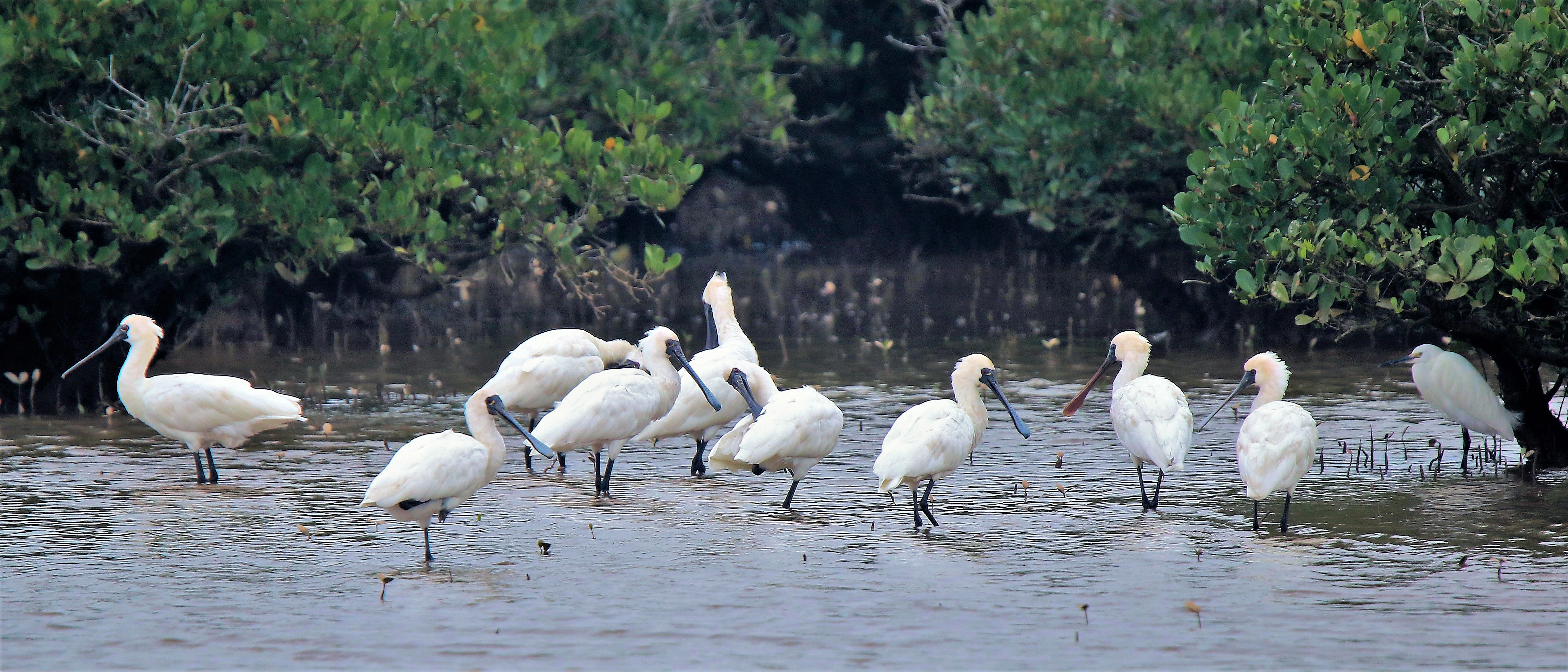
The ecological character of Xuân Thủy is defined by its coastal wetland ecosystem, which supports exceptional biodiversity across multiple habitat types. The park contains approximately 120 vascular plant species, with around 20 adapted to permanent wetland conditions. The mangrove forests represent the dominant vegetation community, stabilizing alluvial soils, providing flood protection, and functioning as nurseries for aquatic species. Over 500 species of benthos and zooplankton, including shrimp, fish, crabs, and oysters, have been recorded within the park's waters. The aquatic plant community includes 111 species from 43 genera across 20 families of macroalgae, with diatoms dominating. Certain seaweed species hold significant economic value, with Gracilaria species used for agar production. The ecosystem supports fundamental biochemical cycles and provides critical services including carbon sequestration, water filtration, and sediment stabilization. The interaction between freshwater and saltwater creates a dynamic estuarine environment supporting species adapted to varying salinity levels.
Xuân Thủy National Park wildlife and species highlights
Xuân Thủy National Park supports an extraordinary concentration of birdlife, with approximately 250 species from 41 families and 13 orders documented, including 150 migratory species and 50 waterbird species. Nine species are globally threatened according to the IUCN Red List, most notably the critically endangered spoon-billed sandpiper and the endangered Nordmann's greenshank. The black-faced spoonbill, chosen as the park's symbol, visits in numbers representing about 5% of the global population, typically 65 to 75 individuals during the migratory season. The park serves as a vital staging and wintering area for shorebirds, gulls, and waterfowl crossing the East Asian-Australasian flyway. Beyond avifauna, the park provides habitat for marine mammals including Chinese white dolphins, finless porpoises, and rorqual whales. Otter species and approximately 30 reptile species have been recorded, alongside diverse insect communities. The wetland ecosystem supports fish communities dominated by Perciformes and Pleuronectiformes orders, with economically important species including barramundi, mackerel, and eel providing significant income for local communities.
Xuân Thủy National Park conservation status and protection priorities
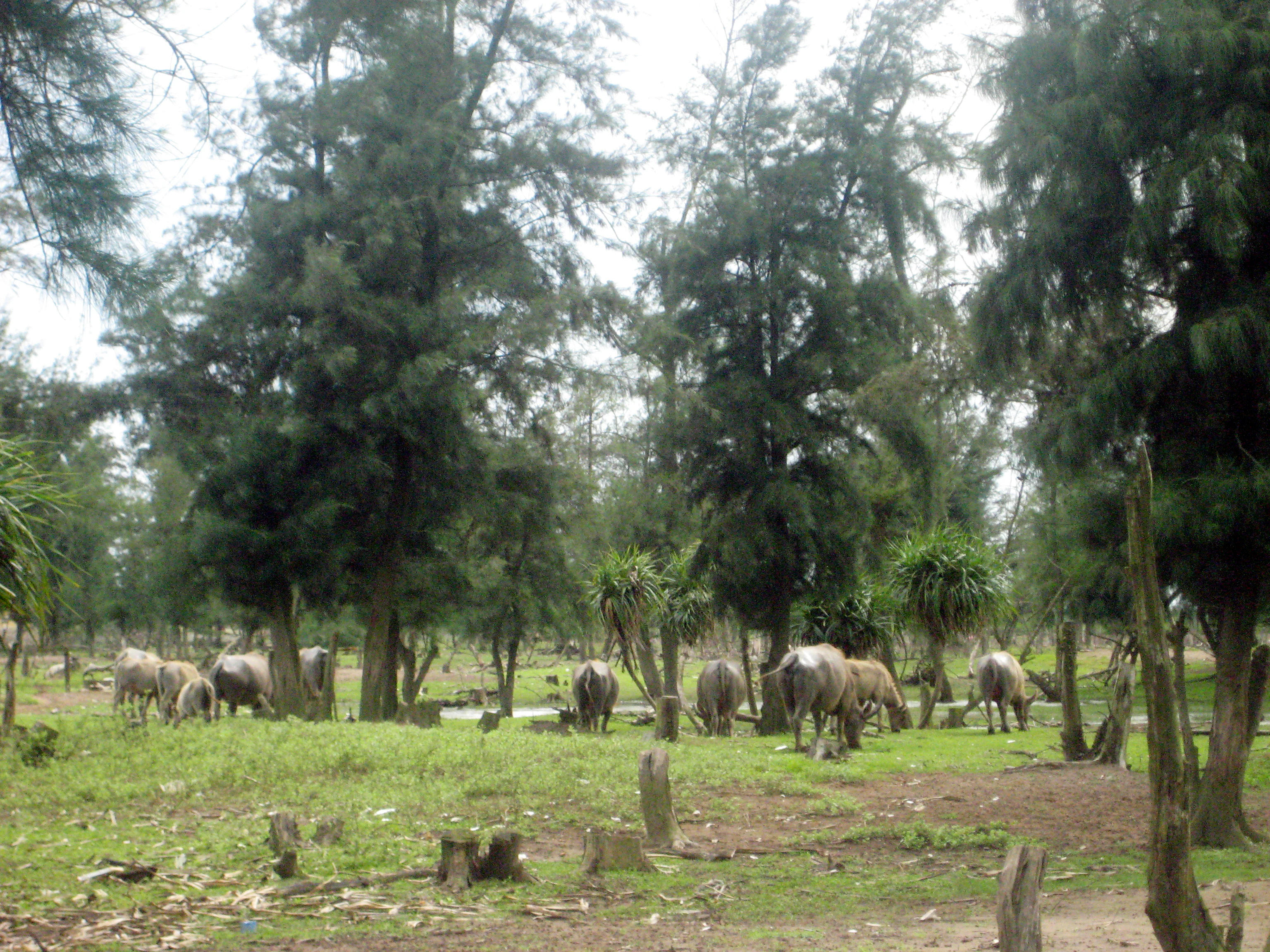
Xuân Thủy National Park represents a cornerstone of wetland conservation in Southeast Asia, serving as the region's first and most internationally recognized protected coastal wetland. Its Ramsar designation in 1989 established the precedent for wetland protection across the region, while its inclusion in the Red River Biosphere Reserve reinforces its role in broader landscape-level conservation. The park's conservation significance derives from its role as a critical node in the East Asian-Australasian flyway, supporting globally significant populations of migratory waterbirds. Conservation challenges include managing the approximately 19 extensive shrimp-rearing ponds within the core zone, addressing illegal bird hunting, and preventing buffalo grazing that damages mangrove regeneration. Projects such as the Mushroom Club provide alternative livelihoods reducing pressure on natural resources, while environmental education programs in nine local schools build community stewardship. Co-management arrangements for clam culture demonstrate successful collaboration between park authorities and local fishers, though institutional capacity strengthening remains an ongoing priority.
Xuân Thủy National Park cultural meaning and human context
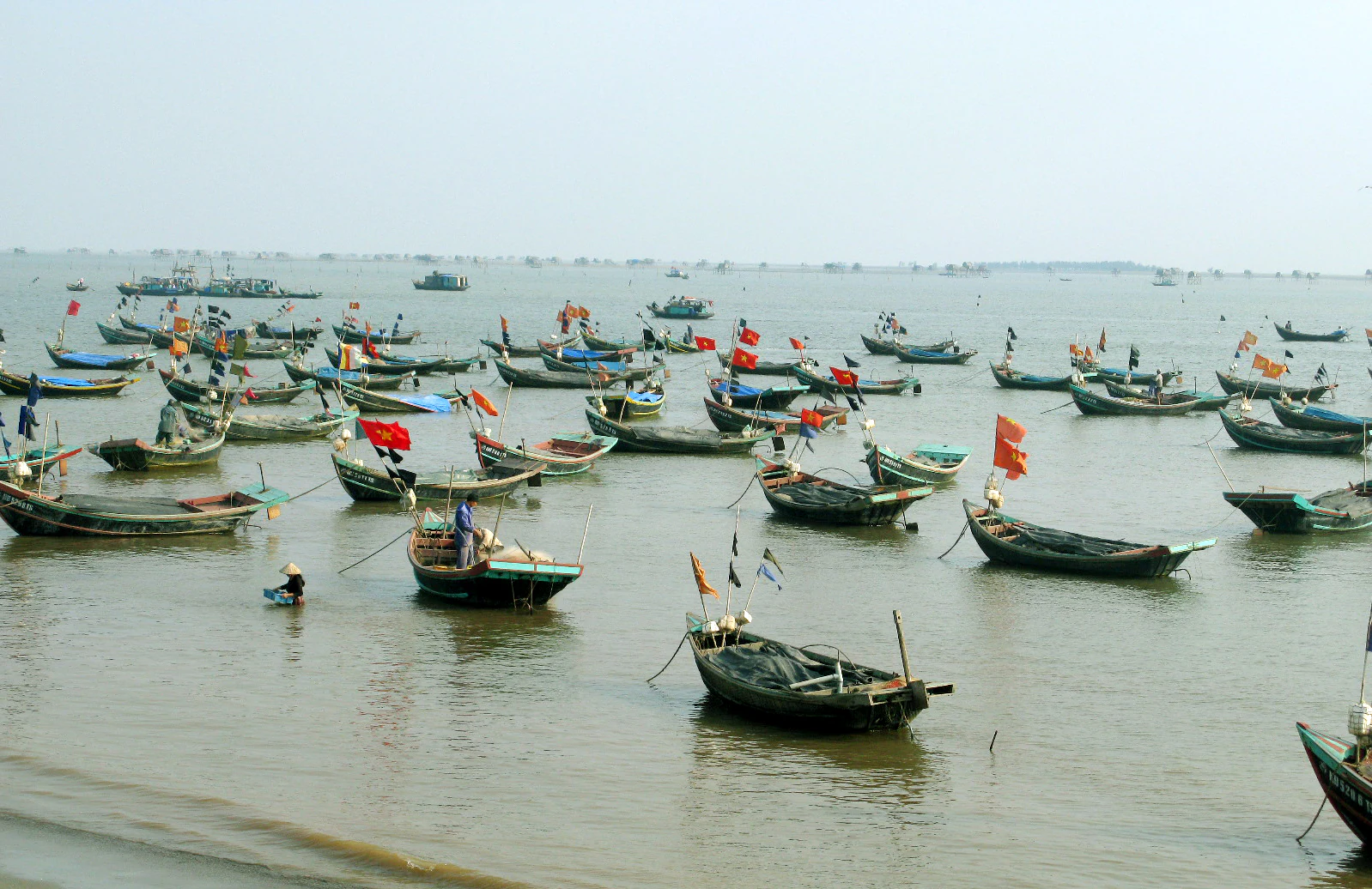
The Xuân Thủy area reflects centuries of human interaction with the coastal wetland environment, embodying the flooded rice cultivation traditions of the Red River Delta. Local communities practice the VAC model integrating vegetable gardens, fish ponds, and animal husbandry within homesteads, alongside silvofishery systems combining mangrove management with aquaculture. The Ba Lat river mouth region represents a cultural cradle of wetland civilization, one of the birthplaces of Vietnam's rice-farming civilization. Traditional fishing using small boats remains integral to local livelihoods, while aquaculture ponds for shrimp and clam cultivation dominate the buffer zone. The area hosts diverse religious communities including Buddhists, Catholics, and followers of folk traditions, reflected in temples, churches, and traditional architecture. Cultural practices such as traditional boat racing, folk dancing, and seasonal festivals maintain community cohesion tied to the wetland landscape and agricultural calendar.
Top sights and standout views in Xuân Thủy National Park
Xuân Thủy National Park stands as Vietnam's premier coastal wetland conservation site, combining international Ramsar recognition with exceptional biodiversity value. The park's mangrove forests represent the largest coastal wetland ecosystem in northern Vietnam, providing critical habitat for migratory birds along the East Asian-Australasian flyway. Sightings of the endangered black-faced spoonbill, with up to 5% of the global population wintering here, represent a flagship conservation achievement. The dynamic landscape of shifting islands, mudflats, and channel systems offers a vivid demonstration of deltaic processes in action. The park's integration of conservation with sustainable community livelihoods through initiatives like mushroom cultivation and ecotourism provides a model for coastal wetland management. Scientific research conducted by Vietnamese and international organizations has produced significant knowledge on wetland ecology, migratory bird patterns, and sustainable development approaches.
Best time to visit Xuân Thủy National Park
The optimal time to visit Xuân Thủy National Park coincides with the migratory bird season from October through April, when shorebirds, waterfowl, and the iconic black-faced spoonbill are present in the greatest numbers. November to March represents the cool, dry season with comfortable temperatures averaging around 24°C, though winter months can see temperatures drop to 6.8°C. The hot, rainy season from April to October brings higher temperatures (up to 40.3°C) and heavy rainfall, with the park receiving 1700-1800mm annually. July and August represent the stormiest period, coinciding with Red River flooding and the northeast monsoon. Visitors seeking birdwatching opportunities should plan for the winter months when the maximum number of species can be observed, though the wetland's year-round ecological value provides meaningful experiences in any season. The park's accessibility and facilities remain under development, with basic guest accommodations available and planned upgrades through 2025.