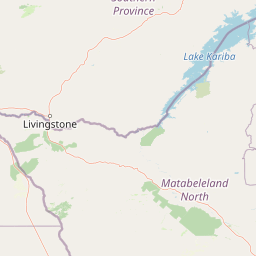
Why Zambezi National Park stands out
Zambezi National Park is best known for its exceptional wildlife viewing along the Zambezi River, where elephants, buffalo, and hippos congregate at waterholes and riverbanks. The park offers some of the best birdwatching in Zimbabwe, with species such as Pel's fishing owl, African skimmer, goliath heron, and the distinctive African finfoot inhabiting the riverine corridors. The tiger fish, one of Africa's most prized sporting fish, draws anglers to the Zambezi's waters. The park's proximity to Victoria Falls makes it a natural complement to the falls visit, yet it retains a quiet, uncrowded atmosphere even during peak tourist seasons.
Zambezi National Park history and protected-area timeline
Zambezi National Park was established in 1979 when the Zimbabwean government carved it out of the larger Victoria Falls National Park, creating a dedicated protected area that could be managed specifically for wildlife conservation and sustainable tourism. This separation reflected a growing recognition that the unique riverine ecosystems of the Zambezi required focused management attention separate from the more arid woodland landscapes that characterized the former combined park. The park's creation came during a period when Zimbabwe was developing its modern conservation framework, building on earlier colonial-era protected area traditions while expanding access and management capacity. The decision to maintain a separate park entity allowed for more targeted conservation efforts focused on the riverine and woodland habitats that define the Zambezi corridor.
Zambezi National Park landscape and geographic character
The landscape of Zambezi National Park is defined by the interaction between the perennial Zambezi River and the surrounding woodland and savanna ecosystems. Along the riverbank, narrow strips of riparian forest create a lush green corridor against the generally drier terrain, with riverine trees such as ebony and various acacia species providing shade and habitat for many bird and mammal species. The park is bisected by the road to Kazungula, which conveniently divides the park into two distinct character areas. The western portion along the river features more dense vegetation and better wildlife concentrations near the water, while the eastern Chamabonda Vlei side offers more open savanna with seasonal pans and clearer views of wildlife at a distance. The southern reaches of the park transition into the Zambezian Baikiaea woodlands, a distinct ecological community characterized by the iconic Baikiaea plurijuga tree, also known as the Zambezi redwood. The overall terrain is relatively flat with gentle undulations, punctuated by the occasional rocky outcrop and the seasonal watercourses that fill during the rainy season.
Zambezi National Park ecosystems, habitats, and plant life
The ecological character of Zambezi National Park reflects its position within the Zambezian biogeographic region, a vast sweep of southern African savanna that extends across multiple countries. The park's dominant vegetation type is the Zambezian and Mopane woodlands, characterized by the extensive presence of Colophospermum mopane, a tree species that dominates much of the landscape and gives the park its distinctive appearance during the dry season when the leaves turn a muted yellow-green. The riverine areas support a different suite of plant species adapted to the higher water table and periodic flooding, including various figs, sycamores, and water-resistant shrubs. The southern portion of the park falls within the Zambezian Baikiaea woodlands, where the Baikiaea tree forms a distinct canopy layer over a grassy understory. These woodland systems support a complex web of ecological interactions, from pollination and seed dispersal to predator-prey relationships that sustain the park's wildlife populations.
Zambezi National Park wildlife and species highlights
Zambezi National Park supports an impressive roster of mammalian species, headlined by the African elephant, which is regularly encountered along the river and at waterholes throughout the park. Herds of Cape buffalo are a common sight, often numbering in the hundreds during the dry season when they congregate around the limited water sources. Lion and leopard maintain viable populations in the park, though they are more elusive than the herbivores and require patience and luck to observe. The antelope community is particularly diverse, with sable antelope, common eland, greater kudu, waterbuck, impala, common zebra, and Southern giraffe all present in significant numbers. The birdlife is exceptional, with over 400 species recorded, including the highly sought Pel's fishing owl, which hunts fish along the river, the distinctive African skimmer that skims the water's surface, the goliath heron standing sentinel at water's edge, and the African finfoot, a secretive riverine specialist. The Zambezi River itself supports approximately 75 fish species, with the tiger fish being the most famous, prized by anglers for its fighting ability and sharp teeth.
Zambezi National Park conservation status and protection priorities
Zambezi National Park plays an important role in Zimbabwe's conservation estate by protecting a representative sample of the Zambezian woodland and riverine ecosystems. The park's position along a major river system means it serves as a corridor for wildlife migration and provides critical water access for species ranging from elephants to birds. The protected status ensures that the woodland habitats remain intact despite surrounding agricultural and settlement pressures. The park's management balances conservation objectives with tourism access, with the fee revenue from visitors helping to fund ongoing protection and infrastructure maintenance. The proximity to Victoria Falls also creates an economic incentive for conservation, as the park's wildlife populations are a key attraction that supports local employment and community benefits.
Zambezi National Park cultural meaning and human context
Zambezi National Park lies within the traditional territory of the Batonga and other indigenous groups who have lived along the Zambezi River for generations. The river has long been a source of fish, water, and transportation for local communities, and the landscape holds cultural significance beyond its modern conservation designation. The park's establishment created new frameworks for land use and wildlife management that affected local communities, with subsequent initiatives working to ensure that conservation benefits flow to surrounding villages. The area also has historical connections to the broader regional trade routes and movement patterns that shaped the development of the Zambezi valley over centuries.
Top sights and standout views in Zambezi National Park
The Zambezi River Game Drive offers visitors the opportunity to explore the park along the riverbanks, where elephants, buffalo, and hippos are regularly spotted. The Chamabondo Game Drive penetrates the wilder southern reaches of the park, offering more remote wildlife encounters in a less-visited landscape. The birdwatching along the river is exceptional, with chances to see Pel's fishing owl, African finfoot, and the acrobatic African skimmer. Fishing for tiger fish in the Zambezi draws anglers from around the world, with several operators offering catch-and-release excursions. The park's lodges and camps provide comfortable accommodation options that allow guests to experience the sounds and rhythms of the African bush.
Best time to visit Zambezi National Park
The optimal time to visit Zambezi National Park is during the dry season from April to October, when wildlife concentrates around water sources and vegetation is less dense, making animal spotting easier. The cooler months of May to August offer comfortable temperatures for game drives, though mornings can be chilly. The hot season from September to November brings intense heat but excellent wildlife viewing as animals seek relief at the river. The rainy season from November to March transforms the landscape with fresh green growth and migratory bird arrivals, though some roads may become difficult to navigate and wildlife becomes more dispersed.