Why Ziarat Juniper Forest stands out
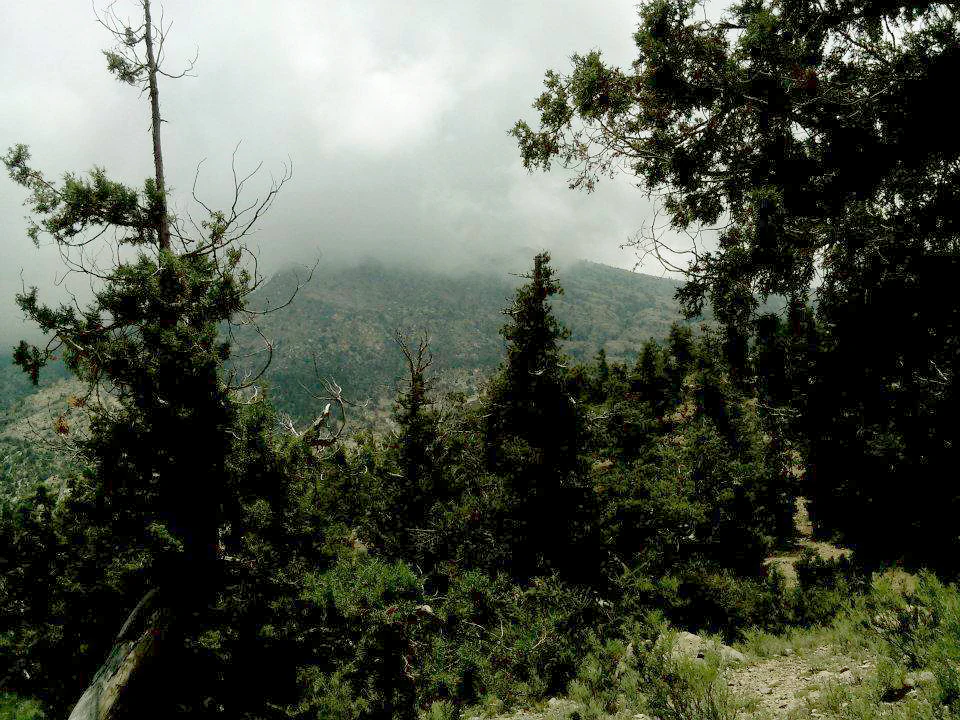
The Ziarat Juniper Forest is renowned above all for its extraordinary ancient juniper trees. The dominant species, Juniperus seravschanica, includes individuals estimated to be 5,000 to 7,000 years old, making the forest one of the oldest living woodlands of its kind in the world. Beyond its age, the forest is distinguished by the sheer scale of its juniper-dominated landscape. Stands of juniper grow in dense, open, and pure formations along ridge tops and steep slopes, supported by a semi-arid temperate climate with cold, snowy winters. This combination of antiquity, size, and ecological character gives the forest its identity as both a natural heritage site and a living archive of long-term climate tolerance.
Ziarat Juniper Forest history and protected-area timeline
The Ziarat Juniper Forest has a long history of human interaction that has shaped both its cultural identity and its conservation challenges. Local communities have used the forest for centuries, harvesting firewood, timber, and a wide range of medicinal and aromatic plants. Roughly half of the native plant species in the area are used medicinally, reflecting the forest's traditional importance as a source of remedies and essential oils.
The modern protected-area history of the forest began in 1971, when a 372 square kilometer portion was designated a wildlife sanctuary. This marked a formal recognition of the forest's ecological value, even as pressures on it continued to mount through the latter half of the twentieth century. By the early 2000s, observers noted increasing human population pressure, overgrazing, illegal timber cutting, and overharvesting of firewood and juniper seeds, all of which contributed to declining forest cover and limited regeneration.
A turning point in awareness came after the 2008 Ziarat earthquake, when disrupted local livelihoods led to increased use of juniper wood for fuel, intensifying conservation concerns. In 2013, the forest was declared a Biosphere Reserve, with a defined core area, buffer zone, and transition area totaling 111,852 hectares. Three years later, in 2016, the Government of Pakistan nominated the Ziarat Juniper Forest for inscription as a World Heritage Site, underscoring its recognized global significance.
Ziarat Juniper Forest landscape and geographic character
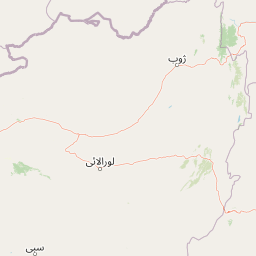
The Ziarat Juniper Forest occupies a rugged mountain landscape in the Ziarat district of Balochistan, centered around the town of Ziarat and the slopes of Mount Zarghoon. Elevations within the forest range from roughly 1,181 meters to 3,488 meters, producing a varied topography of ridge tops, moderate slopes, and steeper inclines between 18 and 30 degrees. The terrain is shaped by long-term erosion and weathering, creating the dry, exposed setting that juniper woodlands depend on.
The climate is temperate and semi-arid, with mild summers and cold winters. Annual rainfall in Ziarat averages around 269 millimeters, concentrated heavily in the summer months, with July being the wettest and January the driest. July is also the warmest month, with average temperatures reaching about 27.4 degrees Celsius, while January is the coldest at roughly 7.9 degrees Celsius. Snowfall is a defining seasonal feature, occurring between November and April and reaching depths of up to 68 centimeters in February.
These conditions produce a transition zone between the lower arid landscapes of Balochistan and the higher mountain environments of the region. The junipers cling to ridge crests and exposed slopes, while watercourses cutting through the terrain support a narrower band of moisture-loving broadleaf species. Together, geology, elevation, and climate shape the distinctive character of the Ziarat landscape.
Ziarat Juniper Forest ecosystems, habitats, and plant life
The Ziarat Juniper Forest is defined by a juniper-dominated ecosystem adapted to semi-arid mountain conditions. The principal species, Juniperus seravschanica, forms open, dense, and pure stands without the layered canopy structure typical of more mesic forests. This unusual structural pattern reflects both the slow growth of junipers and the limited moisture availability of the region.
Beneath and alongside the junipers, roughly 54 species of plants have been documented, including Afghan ash, wild pistachio, wild almond, makhi, surai rose, and several species of barberry. Many of these plants are used medicinally by local communities, and the forest's essential oils have been valued for their antioxidant properties since antiquity. The juniper woodlands also serve an important hydrological function, slowing evaporation and protecting water reserves that sustain both wildlife and human populations.
Historically, the forest supported a richer mix of broadleaf species, but long-term human activity has altered its composition. Once-common trees such as Afghan ash and wild pistachio are now rare, largely restricted to the margins of watercourses. The current forest reflects a simplified but ecologically distinctive juniper woodland, shaped by climate, elevation, and centuries of selective human use.
Ziarat Juniper Forest wildlife and species highlights
The Ziarat Juniper Forest supports a community of mountain mammals adapted to dry-temperate conditions and rugged terrain. Iconic species include the Sulaiman markhor, a subspecies of wild goat native to the region, and the urial, a wild sheep found across parts of Balochistan. Larger carnivores such as the Asian black bear, wolf, and golden jackal also occur in the area, alongside smaller mammals like the Afghan pika, which inhabits rocky slopes and open ground.
The forest's birdlife is similarly adapted to juniper-dominated habitats. Resident and visiting species include the chukar partridge, mistle thrush, black-throated thrush, streaked laughingthrush, rufous-naped tit, and bar-tailed treecreeper. Together, these species reflect the forest's position at the intersection of Central Asian and South Asian avifaunas, with both resident mountain birds and seasonal migrants using the woodlands.
The presence of large ungulates, predators, and small mammals indicates a functioning mountain ecosystem, though wildlife populations have likely been affected by the same pressures that have shaped the forest itself. The continued presence of markhor and urial in particular gives the Ziarat Juniper Forest significant conservation value beyond its tree cover.
Ziarat Juniper Forest conservation status and protection priorities
The Ziarat Juniper Forest is one of the most ecologically significant protected landscapes in Pakistan and has been the focus of growing conservation attention. Its ancient junipers, with some individuals estimated at 5,000 to 7,000 years old, represent an irreplaceable biological and cultural heritage, and the forest's scale makes it a critical reservoir of juniper genetic diversity in the region.
Conservation efforts have increasingly focused on the forest's vulnerabilities. Because junipers grow slowly and reproduce unevenly in semi-arid conditions, the forest has shown limited regeneration in recent decades, particularly at higher elevations where human pressures have expanded. Threats include overgrazing, illegal timber harvesting, firewood collection, overharvesting of juniper seeds, periodic drought, parasitic fungi, infestation by dwarf mistletoe, and broader climate change. These pressures have also shifted the species composition of the forest, reducing once-common broadleaf companion trees.
Recognition of these challenges has shaped the forest's institutional history. A 372 square kilometer area was designated a wildlife sanctuary in 1971, and the forest was formally declared a Biosphere Reserve in 2013, with distinct core, buffer, and transition zones. In 2016, Pakistan nominated it for World Heritage status, signaling both national and international recognition of its conservation importance.
Ziarat Juniper Forest cultural meaning and human context
The Ziarat Juniper Forest is deeply woven into the cultural and economic life of the surrounding communities. For centuries, local people have relied on the forest for firewood, timber, medicinal plants, and aromatic materials, with roughly half of its native plant species used in traditional medicine. Juniper essential oils in particular have been part of local health practices since antiquity.
The forest's ancient trees also carry symbolic weight in the region. Their extraordinary age has made them objects of cultural pride and a focal point for local environmental advocacy. Figures such as Hayatullah Khan Durrani, recognized in 2010 with the Silver Jubilee Juniper Defender Award for decades of conservation work, have become emblematic of efforts to link cultural identity with the protection of this landscape. The forest thus occupies a place not only as an ecological site but also as a marker of regional heritage and identity.
Top sights and standout views in Ziarat Juniper Forest
The Ziarat Juniper Forest stands out for the exceptional age of its juniper trees, with some individuals estimated to be between 5,000 and 7,000 years old. It is also the largest juniper forest in Pakistan, covering roughly 110,000 hectares of mountainous terrain around Ziarat and Mount Zarghoon.
As a UNESCO Biosphere Reserve since 2013 and a World Heritage tentative site since 2016, the forest combines formal international recognition with deep local significance. Its rugged landscape, ancient woodlands, and associated mountain wildlife, including the Sulaiman markhor and Asian black bear, give it a layered identity as both a natural and cultural landmark.
Best time to visit Ziarat Juniper Forest
The Ziarat Juniper Forest experiences a temperate, semi-arid climate marked by clear seasonal contrast. Summers are mild and are also the wettest period, with July bringing both the highest temperatures and the peak rainfall of the year. This season offers the warmest conditions for travel, though the terrain remains dry for much of the year.
Winters are cold and snowy, with snowfall typically beginning in November and continuing into April. February can bring snow depths of around 68 centimeters, transforming the juniper-covered ridges and slopes into a distinctly wintery landscape. Spring and early summer, as snow recedes and temperatures rise, often present a balanced combination of accessible conditions and dramatic scenery, while autumn offers cooler temperatures before the onset of winter snowfall.