State or regional parkPuerto Rico
About 22 km away#1 closest
Northeast
Carite State Forest: Volcanic Mountain Geography and Protected Watersheds in Puerto Rico
Mapping the Sierra de Cayey ecosystem and river headwaters.
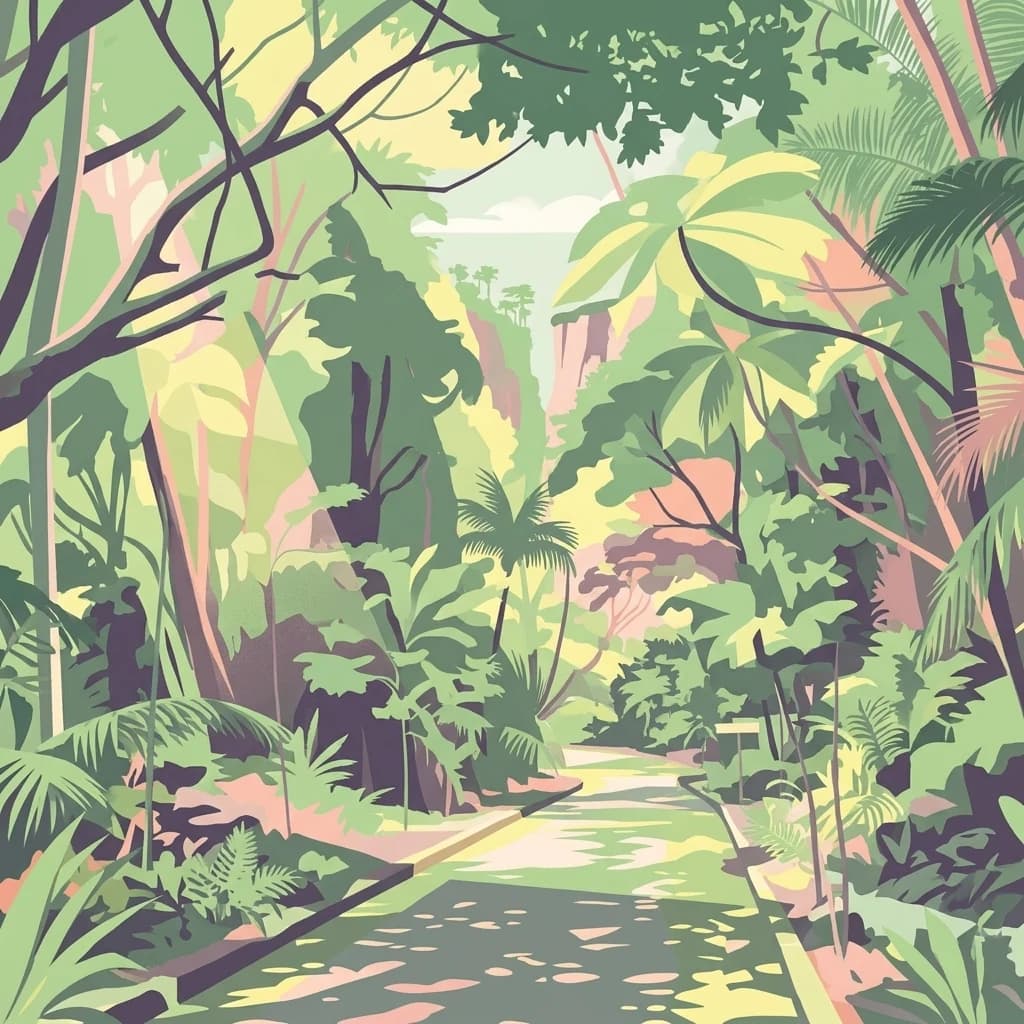
Carite State Forest protects 2,600 hectares of rugged, volcanic mountain landscape in southeastern Puerto Rico. Known for its subtropical moist forest and high-elevation dwarf zones, the terrain provides a critical habitat for rare endemic species. The forest serves as a vital hydrological watershed, sustaining regional river systems through its complex network of ravines and forested mountain slopes.
- Area
- 26 km²
- Established
- 1935
- Relief
- Mountain
- Climate
- Tropical