Why Binnenveld stands out
Binnenveld is best known for hosting one of the largest continuous areas of blue grassland in the Netherlands, together with a nationally rare example of a stream-valley quaking bog sustained by calcareous seepage water. These two habitats, protected within the Natura 2000 site, give the area an ecological significance far beyond its modest size, placing Binnenveld among the most important surviving lowland wet-grassland landscapes in the country.
Binnenveld history and protected-area timeline
The Binnenveld landscape has its roots in the late Middle Ages, when the natural peat and wet-meadow environment of the southern Gelderse Vallei was reclaimed, drained, and reorganized into a field pattern still visible today in its long, straight roads and rectangular parcel layout. The southern part of the area sits on clay-over-peat soils, while the western portion originally consisted of raised bog that was also reclaimed after the medieval period; the peat-cutting and settlement that followed this reclamation gave rise to the town of Veenendaal.
For centuries the reclaimed land has been used primarily as meadow, supporting dairy farming and the traditional hay harvest typical of the Gelderse Vallei. Although much of this cultural landscape has been simplified by modern agriculture, fragments of older, species-rich grassland survived in low-lying areas where groundwater conditions were too difficult to drain completely, and these fragments eventually became the basis for modern nature conservation.
In the early twenty-first century, Binnenveld entered a new phase of active restoration. In 2014, approximately 111 hectares east of Veenendaal were formally designated as a Natura 2000 site under the name Binnenveld (formerly the Bennekomse Meent). Beginning around 2019, the provinces of Gelderland and Utrecht, together with Staatsbosbeheer and local partners, set in motion a long-term plan to improve recreational access and to reconstruct lost landscape features, including the remediation of former landfill sites and the large-scale conversion of former farmland into hay-meadow nature reserves.
Binnenveld landscape and geographic character
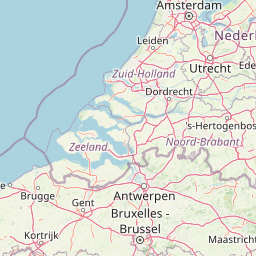
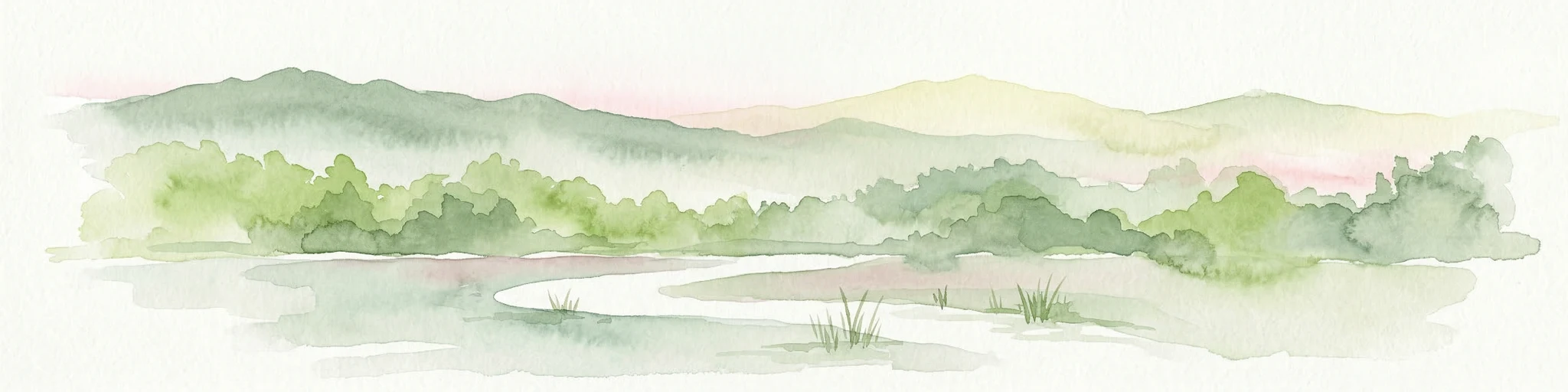
Binnenveld lies at the bottom of a wide, flat valley, where the flatness of centuries-old meadow polders contrasts sharply with the wooded ridges that frame the area. To the southwest rises the Grebbeberg, the northern spur of the Utrechtse Heuvelrug, with its forested slopes forming a green backdrop to the otherwise open plain. The Valleikanaal and the Nieuwe Kanaal cut through the landscape near Wageningen, while the Grift and other small historical waterways continue to shape drainage patterns and field boundaries.
The soils reflect the area's transition between two landscapes. In the south, clay-over-peat profiles dominate, the legacy of an ancient peatland that once stretched across the valley. In the west, the original raised-bog peat has long since been cut and settled, giving rise to Veenendaal and to a slightly different agricultural mosaic. Where modern drainage has not been complete, low-lying parcels remain wet year-round, and these are the places where the most distinctive vegetation still survives.
Binnenveld ecosystems, habitats, and plant life
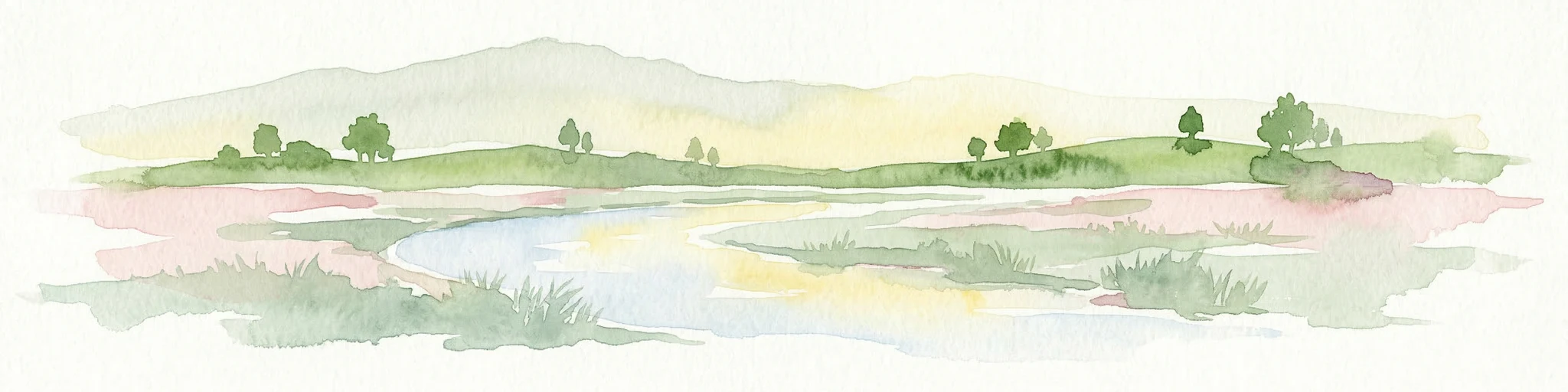
The ecological identity of Binnenveld is built on the meeting of mineral-rich groundwater, traditional meadow management, and surviving traces of ancient peatland. Two habitat types in particular define the Natura 2000 site: blue grassland, an extremely rare Dutch habitat of low-productive, species-rich meadows sustained by base-rich seepage; and quaking bog, a fragile, floating peatland that forms in stream valleys where groundwater under pressure keeps the peat saturated and slightly buoyant.
Together, these habitats support a rich flora adapted to wet, calcareous conditions, including the kind of sedges, orchids, and mosses that have largely vanished from the wider Dutch agricultural landscape. Outside the strictly protected reserves, the restored hay meadows of the Binnenveldse Hooilanden and Achterbergse Hooilanden extend the same ecological logic over a much larger area, providing continuity for meadow birds, marsh plants, and insects that depend on a network of suitably managed wet grassland.
Binnenveld wildlife and species highlights
Binnenveld is above all a landscape for meadow birds and wetland species. The traditional hay meadows and damp grasslands around the Natura 2000 reserves form an important refuge for ground-nesting birds typical of the Dutch countryside, such as lapwings, redshanks, godwits, and various species of duck and snipe that depend on open, wet meadows for feeding and breeding.
The rare flora of the blue grasslands and quaking bogs also supports a distinctive invertebrate community, including dragonflies, damselflies, and specialized butterflies and moths that rely on the combination of calcareous seepage, low-intensity mowing, and late-season flooding. Mammals typical of the wider countryside, including fox, roe deer along the wooded edges, and small mammals along the field margins, are also part of everyday Binnenveld fauna, using the reserves and surrounding meadows as stepping stones between larger habitat complexes.
Binnenveld conservation status and protection priorities
Binnenveld has become a focal point of Dutch lowland wet-grassland conservation. The designation of approximately 111 hectares as a Natura 2000 site gives the area formal European protection, anchoring the survival of two habitats of national and international importance: the blue grasslands of the Bennekomse Meent, and the quaking bogs of the Hel and Blauwe Hel. Province of Gelderland has additionally designated the wider Binnenveld as a meadow-bird area and a quiet zone, restricting housing, road, and industrial development and giving the broader cultural landscape a layer of planning protection.
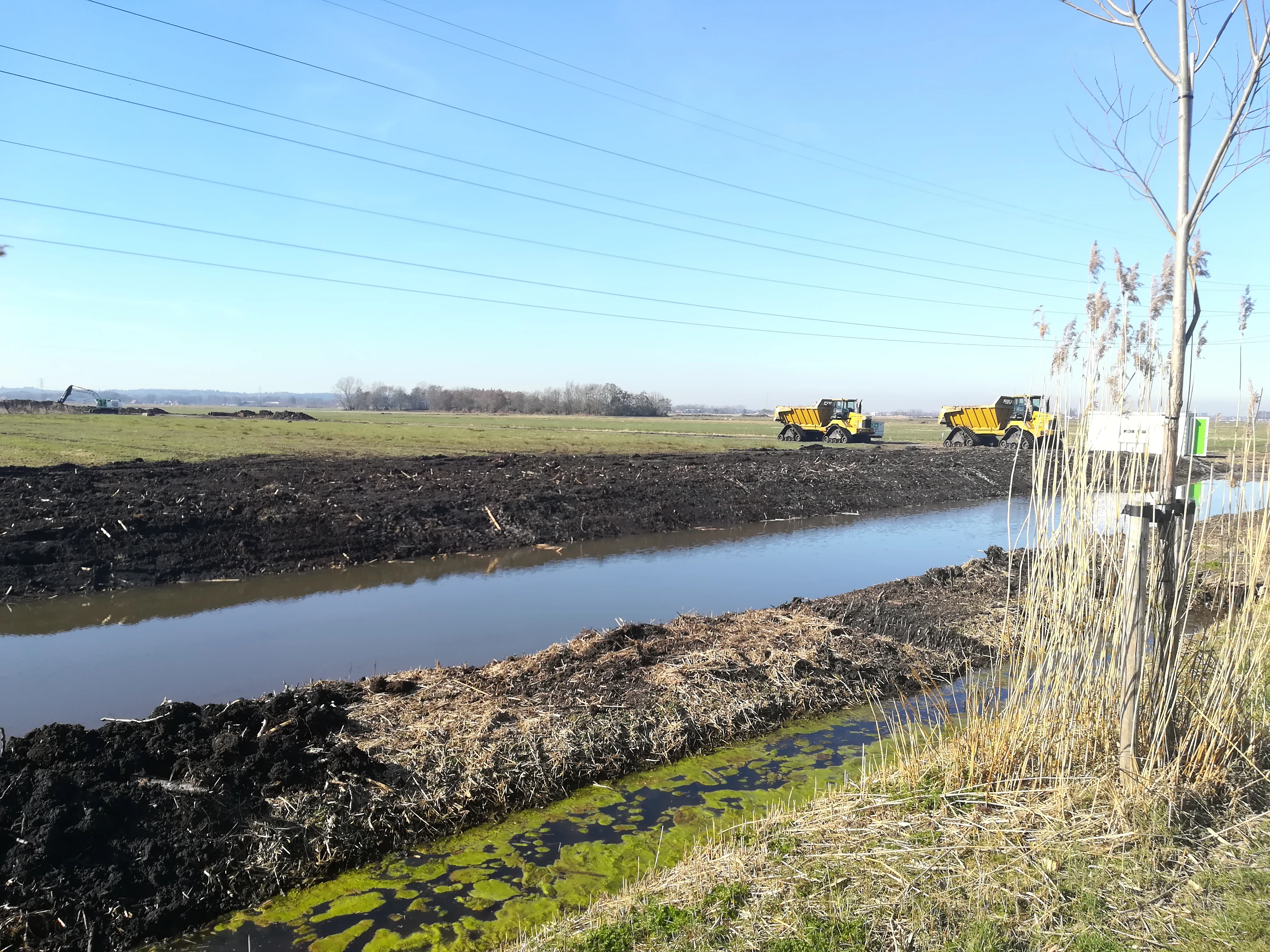
Beyond these designations, the area is being physically reshaped for conservation. Former landfill sites near the Veensteeg and the Grift have been cleaned up, and about 70 hectares of former farmland were excavated in 2022 under Staatsbosbeheer to create new wet nature, forming the Achterbergse Hooilanden in Utrecht and connecting to the Binnenveldse Hooilanden in Gelderland. These restoration efforts, integrated into Natuurnetwerk Nederland, are intended to make the Natura 2000 site less isolated by surrounding it with ecologically compatible land.
Binnenveld cultural meaning and human context
Binnenveld is a cultural landscape as much as a natural one. Its long, straight roads, regular field patterns, and persistent use as meadowland all testify to the medieval origins of the Gelderse Vallei as a reclaimed and reorganized farming region. The very name Veenendaal, the town that grew within the western part of the Binnenveld, records the historical peat-cutting economy that once shaped this corner of the valley.
The area also has a strong contemporary identity as a contested rural landscape, in which local communities actively engage with questions of conservation, planning, and infrastructure. Plans to extend the A30 motorway through the Binnenveld, for example, have become a sensitive local issue, reflecting the broader Dutch debate over how to balance rural development with the protection of open countryside and Natura 2000 values. Community initiatives such as the Mooi Binnenveld residents' platform reflect this ongoing cultural engagement with the future of the area.
Top sights and standout views in Binnenveld
Binnenveld's strongest single feature is the Bennekomse Meent, one of the largest contiguous blue-grassland reserves in the Netherlands, complemented by the nearby Hel and Blauwe Hel, where calcareous seepage sustains an exceptionally rare stream-valley quaking bog. Beyond these two reserves, the wider Binnenveld combines traditional meadowland, restored hay-meadow nature areas, and protected quiet-zone status, making it a compact but unusually rich example of how a Dutch polder landscape can simultaneously support farming, meadow birds, and habitats of European importance.
Best time to visit Binnenveld
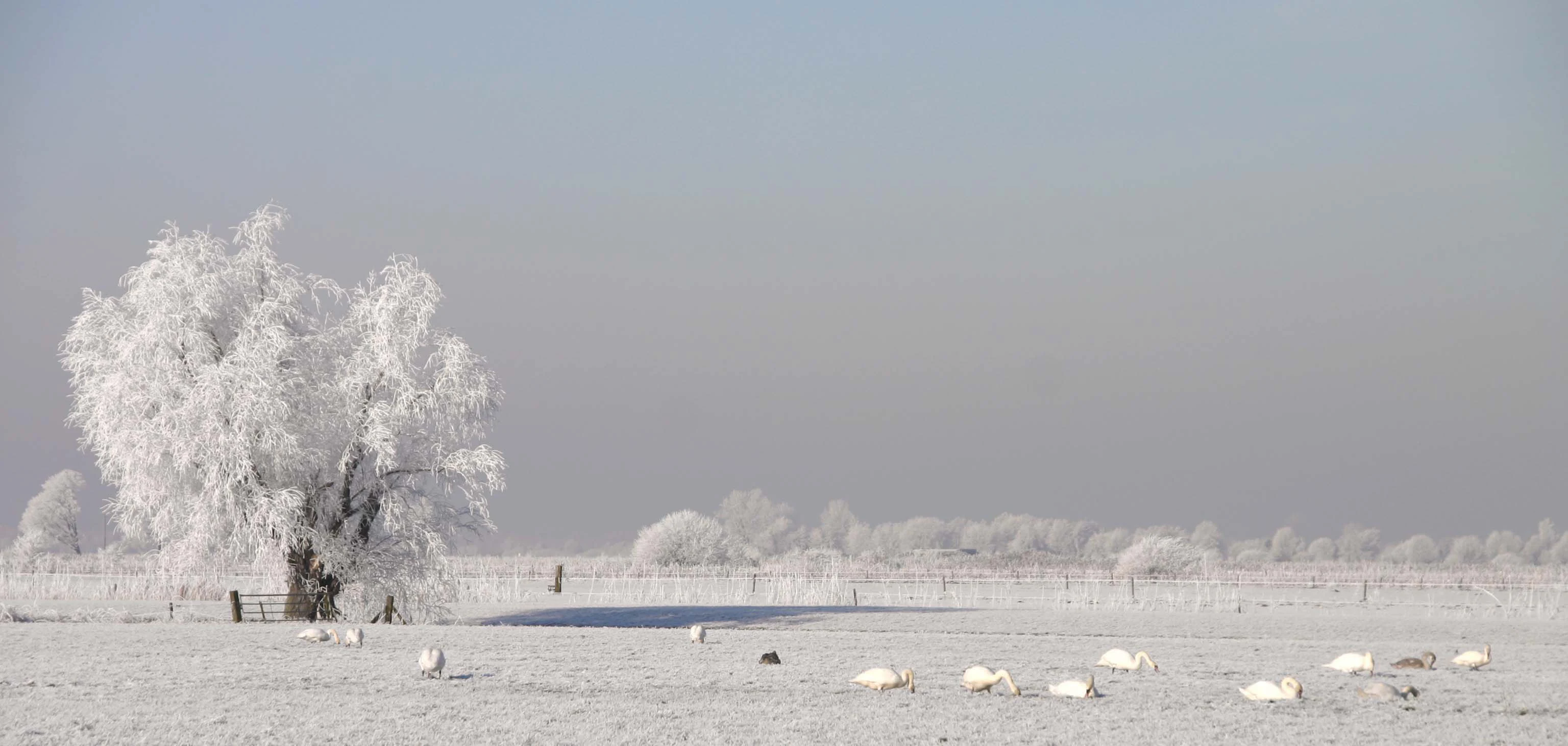
Late spring and early summer are typically the most rewarding seasons to experience Binnenveld, when the meadows are at their greenest and meadow-bird activity, from displaying lapwings to nesting redshanks, reaches its peak. Summer visits, especially early mornings, offer the best chance to see marsh flora in the blue grasslands and quaking bogs and to hear the characteristic sounds of insects and wetland birds. Winter brings a quieter, more austere beauty, with frost or light snow highlighting the contrast between the flat valley floor and the forested ridge of the Grebbeberg.