
Why Blue Eye stands out
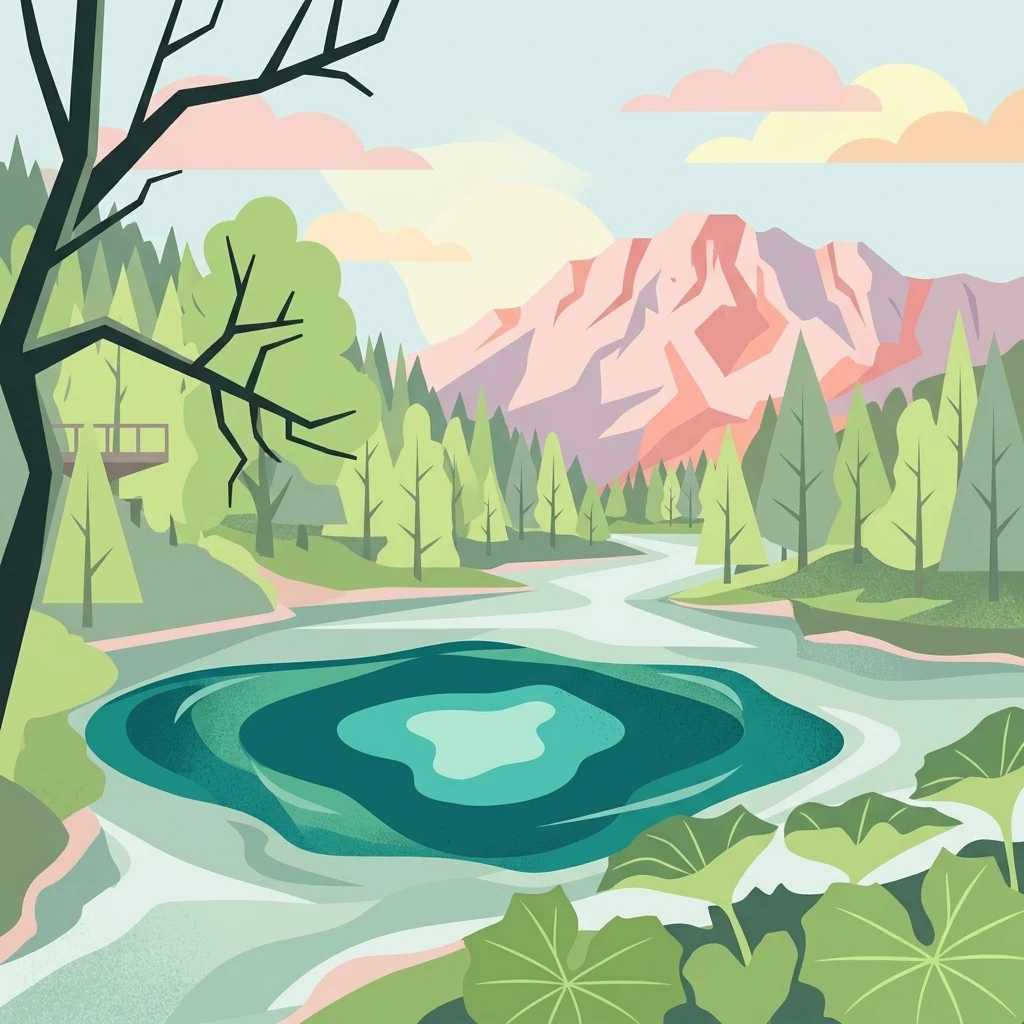
The Blue Eye is renowned for the extraordinary clarity and colour of its water, which rises from a deep karst vent and takes on an intense blue and turquoise hue. The oval shape of the karst depression and the contrast between the dark centre and the glowing blue edges create the visual impression of a giant eye set into the landscape. It is equally recognized for its scale. With a discharge rate among the highest of Albania's karst springs, the Blue Eye feeds an entire river system from a single powerful upwelling. The combination of depth, clarity, and volume has made it one of the most iconic natural landmarks in southern Albania.
Blue Eye history and protected-area timeline
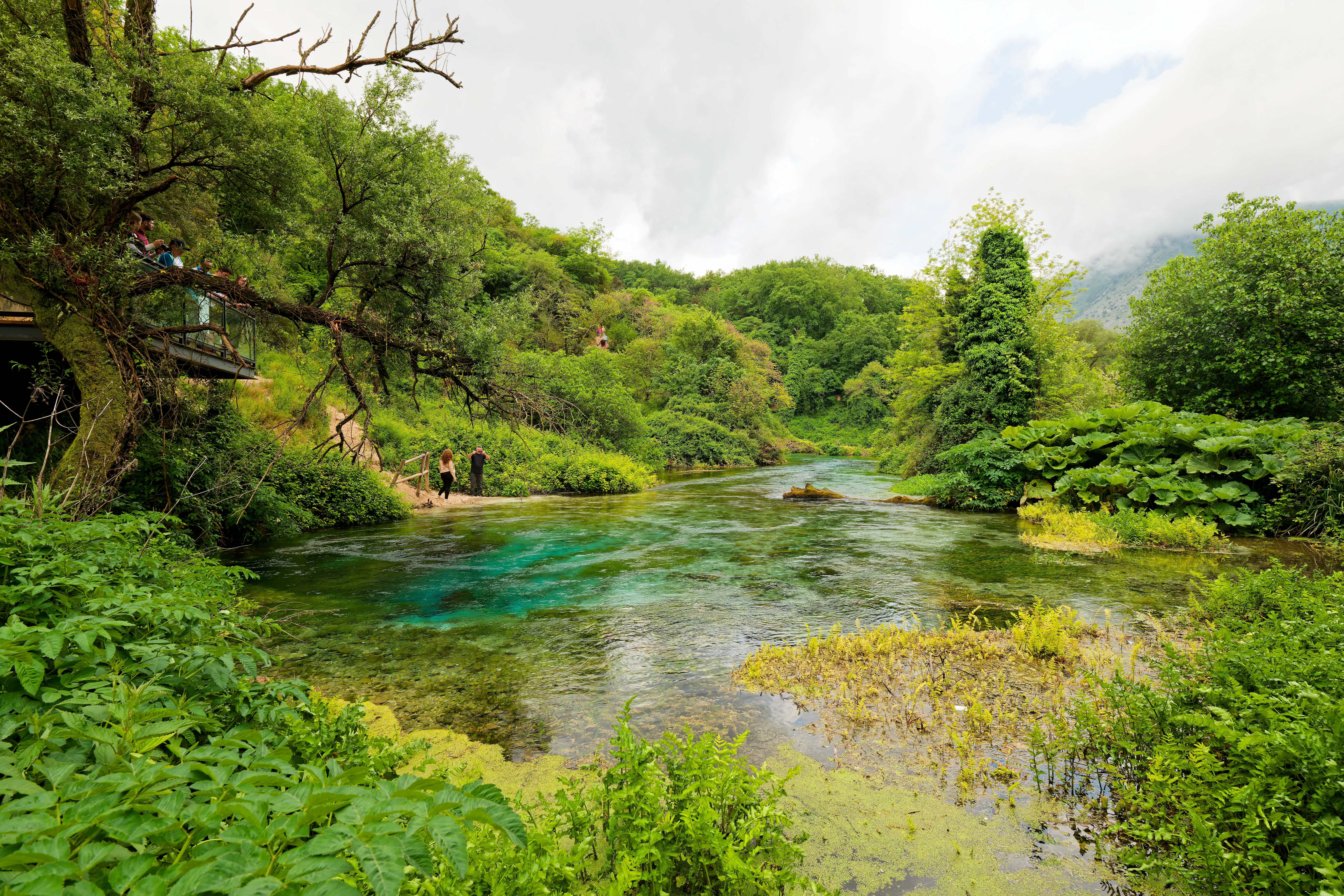
The Blue Eye has long functioned as the headwater source of the Bistricë River, but the formal recognition of its natural importance is more recent. In 1996, the area surrounding the spring was officially designated as a Natural Monument under Albanian environmental legislation, placing it within the national system of protected areas.
The designation reflected growing awareness of the spring's geological, hydrological, and ecological value, particularly its role as the principal outlet of the Mali i Gjerë karst system. Since then, the protection status has anchored ongoing management of the surrounding woodland and riparian environment, even as the spring's popularity as a visitor attraction has grown substantially. The site has also experienced environmental pressures. In summer 2004, the spring reportedly ran dry temporarily, and in summer 2017 a wildfire affected part of the location, highlighting the vulnerability of the ecosystem around this otherwise resilient karst feature.
Blue Eye landscape and geographic character
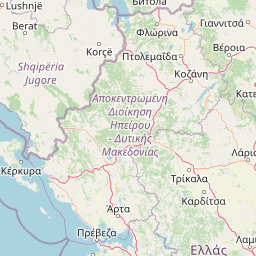
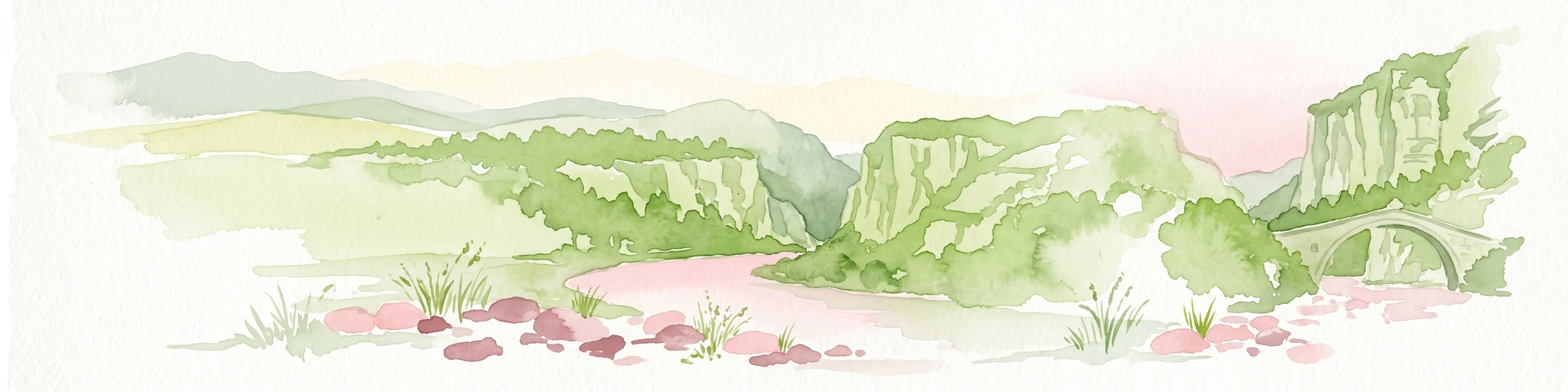
The Blue Eye sits within a karst landscape in the interior of southern Albania, between the coastal zone around Sarandë and the higher terrain that leads toward Gjirokastër. The local geology is dominated by limestone formations shaped by long-term dissolution of rock by groundwater, producing the underground conduits, sinkholes, and sudden resurgences that characterize the regional topography.
The spring itself occupies a deep karst depression that opens unexpectedly into a small, intensely coloured basin. From this basin, water spills outward to begin the course of the Bistricë River, a short but ecologically important stream that flows generally southward toward the Ionian coast. The river traces a narrow corridor through a woodland valley, with cool, clear water characteristic of karst-fed systems.
Around the spring, the terrain is gently to moderately sloped, supporting mature deciduous woodland. Oak and sycamore form the principal canopy, with their roots anchored in shallow soils over limestone bedrock. The combination of forested slopes and the striking blue basin produces a contrast that gives the site a notably memorable visual character within an otherwise typical southern Albanian hill country.
Blue Eye ecosystems, habitats, and plant life
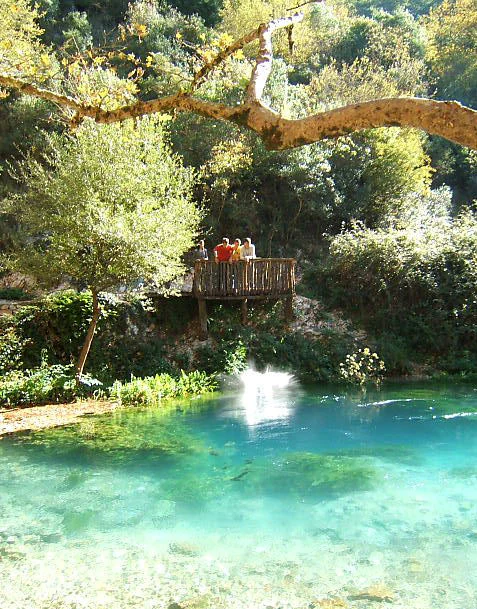
Ecologically, the Blue Eye belongs to the karst ecosystem of Mali i Gjerë and the broader limestone uplands of southern Albania. The spring itself creates a distinctive microclimate around it; air temperatures near the rising water are noticeably cooler than the surrounding summer heat, and humidity stays consistently high where spray and damp ground meet the forest.
The vegetation of the protected area reflects this cool, moist influence. Mature oak and sycamore trees dominate, forming a shaded canopy over leaf litter and mossy boulders. The spring feeds into the upper Bistricë, so the riparian vegetation along the river's first kilometres thrives on constant, cold, oxygen-rich karst water, supporting a greener corridor than much of the surrounding Mediterranean hill country.
The broader landscape is also part of a wider karst network, in which groundwater flows through underground passages in soluble limestone and emerges at various points across the region. The Blue Eye is the most visible and dramatic outlet of this network, but it shares its hydrogeological character with many other karst features nearby.
Blue Eye wildlife and species highlights
The Blue Eye is best understood ecologically through its freshwater habitats and its surrounding woodland rather than through charismatic large mammals. The consistently cold, clear karst water of the spring and the upper Bistricë River creates conditions suitable for freshwater species adapted to stable temperatures and high oxygen content, while the surrounding oak and sycamore forest supports typical animal communities of Mediterranean deciduous woodland.
Birds typical of southern Albanian hillside forests and riparian corridors are likely to be found in the protected zone, particularly species that favour mature broadleaf canopy and water-edge environments. Small mammals, reptiles, and invertebrates associated with karst landscapes and leaf-litter habitats also contribute to the site's broader biodiversity, though the spring itself is more important ecologically as a hydrological feature than as a wildlife viewing destination.
Blue Eye conservation status and protection priorities
The Blue Eye is protected as a Natural Monument, a designation that recognizes its combined geological, hydrological, ecological, and landscape value. This status places it within Albania's network of formally protected natural areas and acknowledges the spring as a defining natural feature of the Mali i Gjerë karst region.
The conservation significance of the site lies primarily in its role as the main outlet of a substantial karst aquifer and as the source of the Bistricë River. Protecting the spring and its immediate catchment helps safeguard water quantity and quality downstream, including for the river's lower reaches and its eventual discharge into the Ionian Sea. The surrounding oak and sycamore forest further contributes to soil protection, microclimate regulation, and habitat continuity in a region where karst ecosystems are particularly sensitive to disturbance.
The site has also faced environmental pressures, including a reported temporary drying of the spring in summer 2004 and a wildfire affecting part of the location in summer 2017. These episodes underscore why formal protection and careful management of the surrounding woodland and watershed matter for the long-term integrity of the spring.
Blue Eye cultural meaning and human context
The Blue Eye sits in a region of southern Albania with a layered history of rural settlement, trans-regional travel routes, and proximity to the Ionian coast. The spring has been a persistent feature of local life as the starting point of the Bistricë River and as a recognizable landmark in the inland area between Sarandë, Delvinë, and Gjirokastër.
In local and national culture, the spring is part of how southern Albanians describe the natural identity of their region. It is frequently presented as a symbol of the country's karst heritage and as a must-see natural stop for visitors traveling between the coastal Riviera and the historic city of Gjirokastër, reflecting its embedded role in regional travel and tourism narratives.
Top sights and standout views in Blue Eye
The defining highlight of the Blue Eye is its extraordinarily deep, blue karst vent, whose clarity and colour give the site its name. The spring's scale is equally striking: it discharges enough water to feed the entire 25-kilometre Bistricë River from a single concentrated upwelling, and serves as the main outlet of the Mali i Gjerë karst system.
Equally compelling is the protected forest setting around the spring. Mature oak and sycamore woodland surrounds the basin, creating a cool, shaded atmosphere that contrasts with the broader Mediterranean hill country. Together, the powerful spring, the exceptionally clear water, and the surrounding deciduous canopy make the Blue Eye one of the most visually memorable protected natural sites in southern Albania.
Best time to visit Blue Eye
The Blue Eye can be visited across much of the year, but character varies with the seasons. Late spring and early summer typically bring richer forest foliage, fuller water levels in the spring, and a more vivid contrast between the cool blue water and the green woodland canopy. Mid-summer is the busiest period, as the site draws many visitors traveling between Sarandë and Gjirokastër; visitors who prefer quieter conditions often aim for shoulder seasons.
Winter and early spring can bring higher rainfall and cooler conditions, which can affect local access and make the trail environment more demanding, though the spring itself remains striking. Because the site has historically experienced very low discharge during unusually dry summers, visiting during periods of normal rainfall offers the most representative view of the spring's full power and colour.