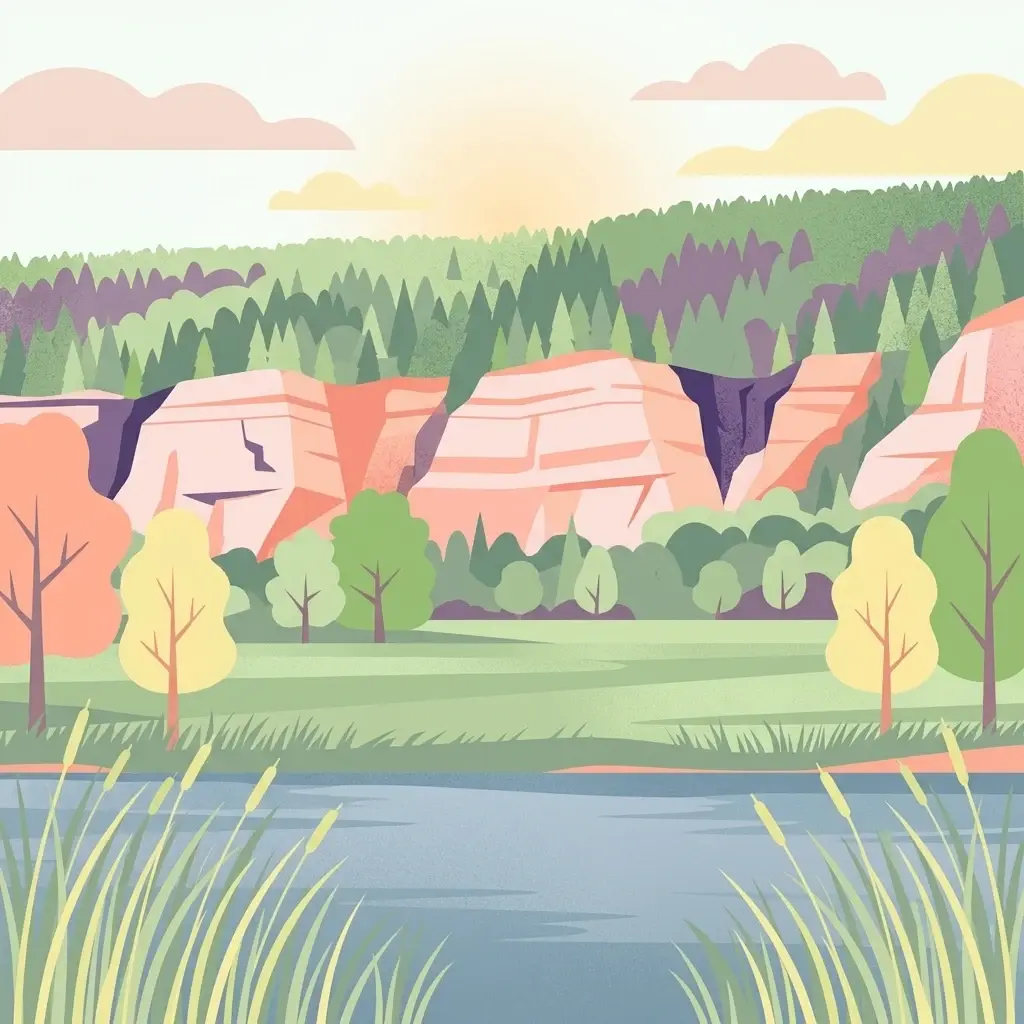
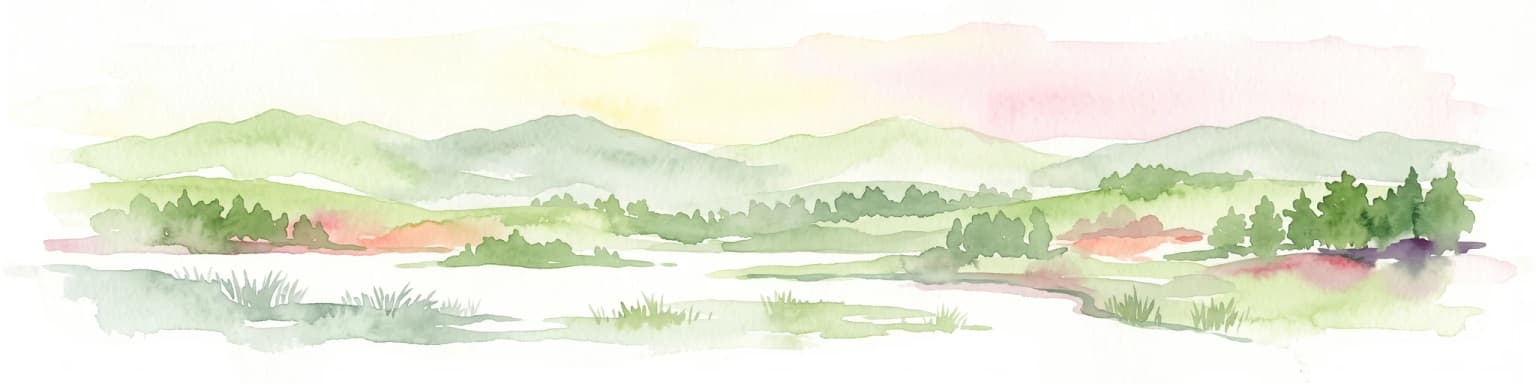
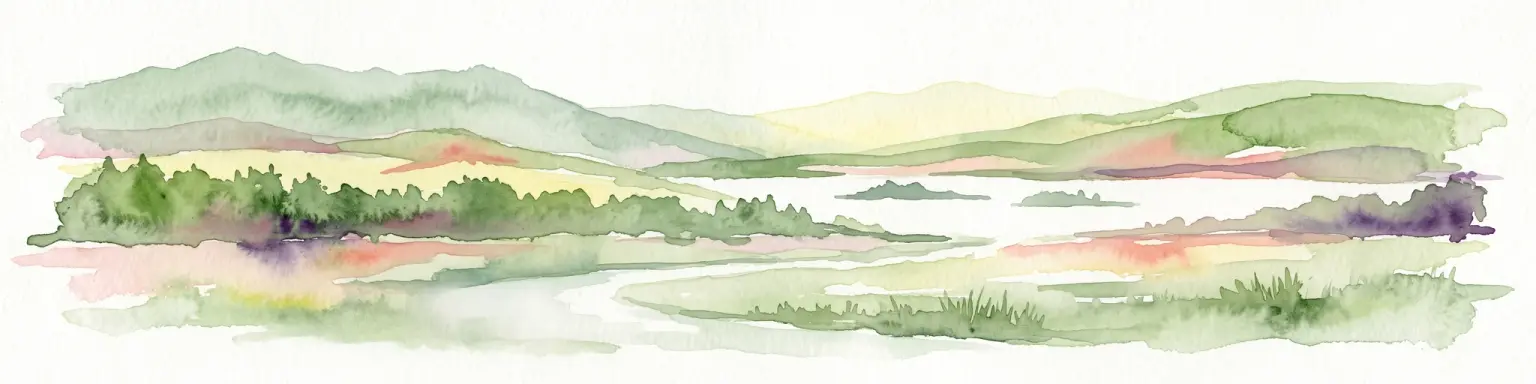
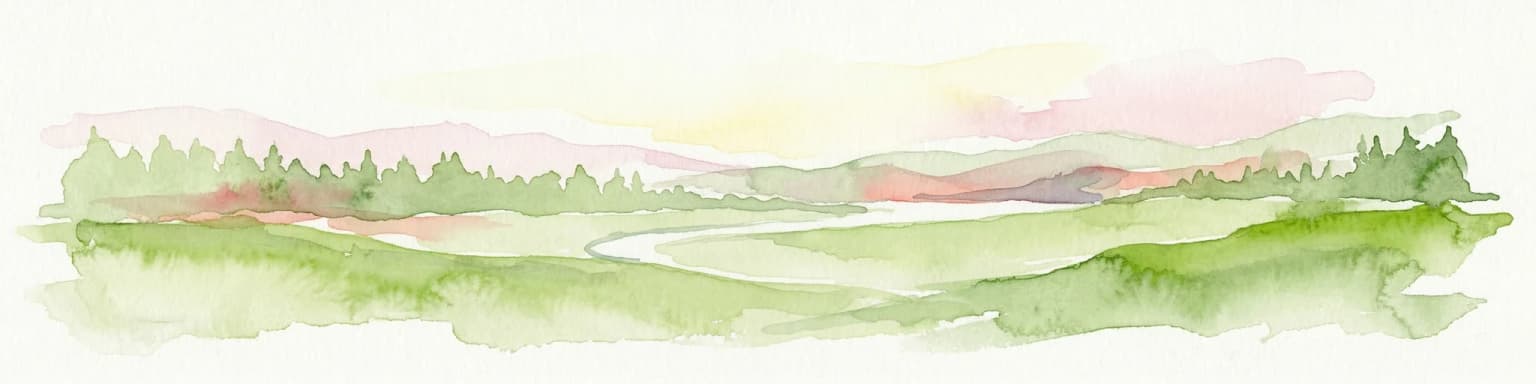
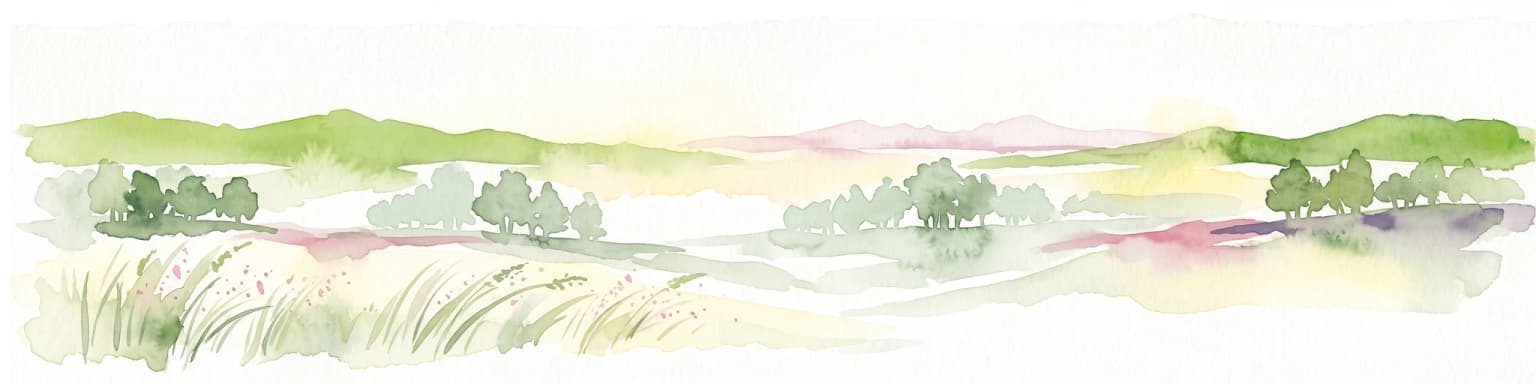
A Natura 2000 limestone cliff landscape along the Werra river in Thuringia, protecting rare orchid-rich dry grasslands and ancient beech forests.
Creuzburger Werratal-Hänge
Creuzburger Werratal-Hänge is a protected landscape in the western Thuringian Wartburgkreis, along the steep Muschelkalk (shell limestone) cliffs of the Werra valley near the town of Creuzburg. The site brings together three previously separate nature reserves: Lienig, Klosterholz und Nordmannssteine, and Ebenauer Köpfe und Wisch, which were combined into a single European Fauna-Flora-Habitat (FFH) area under the Natura 2000 network.
The protected area is shaped by the dramatic canyon-like valley that the Werra has carved through the Muschelkalk escarpment of the Thuringian Basin, producing steep, rocky south- and west-facing slopes and a mosaic of nutrient-poor habitats. These harsh, warm, dry slopes support a fine-grained pattern of calcareous dry grasslands, rock-pioneer vegetation, juniper heath, and orchid-rich beech forest, while the cooler shaded ravines and gullies retain moisture-loving mixed forests rich in geophytes.
Creuzburger Werratal-Hänge is especially notable for its flora: around twenty orchid species have been recorded across the dry grasslands and forest edges, including the Lady's Slipper orchid, several Ophrys species, and a number of nationally or regionally rare mosses and lichens growing directly on the Muschelkalk rock faces. Above its ecological value, the area forms a striking scenic backdrop for hiking and cycling within the larger Eichsfeld-Hainich-Werratal Nature Park, where the former Werratal railway line is now part of the popular Werratal cycle route.