Why Djebel Aissa National Park stands out
Djebel Aissa National Park is particularly known for its juniper and pine forest ecosystems that survive in the Saharan Atlas, representing the westernmost extension of Mediterranean forest types into the Sahara's edge. The park protects critical habitat for the Barbary sheep, a distinctive North African mountain ungulate, as well as populations of Dorcas gazelle, bustards, and other Saharan-adapted wildlife. Its conservation significance stems from protecting forest stands of Juniperus phoenicea, Quercus ilex, and Pinus halepensis in an environment where desertification pressures threaten to eliminate these habitats.
Djebel Aissa National Park history and protected-area timeline
Djebel Aissa National Park was established in 2003 through official governmental decree, marking a formal commitment to conserving the Saharan Atlas ecosystems of western Algeria. The park's creation reflected growing recognition among Algerian environmental authorities that the Western Highlands region required dedicated protection to prevent further ecosystem collapse. Prior to formal protection status, the area had experienced gradual environmental degradation from human activities and climate pressures. The establishment of the park placed it under the management of the Ministry of Spatial Planning and Environment, aligning it with Algeria's broader national park system. The designation also aimed to provide a framework for sustainable management that could balance conservation objectives with the needs of local communities who depend on the landscape.
Djebel Aissa National Park landscape and geographic character
The terrain of Djebel Aissa National Park consists of mountainous and plateau landscapes characteristic of the Saharan Atlas range. The topography features rugged mountain slopes, elevated plateaus, and intervening valleys that channel seasonal precipitation and support vegetation growth. The elevation range creates microclimatic conditions that allow forest species to persist in an otherwise arid regional context. The landscape includes exposed rocky outcrops, forest-covered slopes, and open steppe areas that transition between the forested highlands and the desert lowlands. This varied topography contributes to the park's ecological diversity by creating multiple habitat zones within a relatively compact area.
Djebel Aissa National Park ecosystems, habitats, and plant life
The ecological character of Djebel Aissa National Park reflects its position at the boundary between Mediterranean and Saharan biomes. The park supports forest communities dominated by juniper species, including Juniperus phoenicea and Juniperus oxycedrus, alongside Aleppo pine and evergreen oak. These forest formations represent relict species assemblages that have survived in favorable microhabitats within the Saharan Atlas. The understory and surrounding areas support steppe vegetation including Esparto grass and Artemisia alba, which provide additional habitat structure and ecological function. The combination of forest and steppe creates a complex habitat matrix that supports diverse species assemblages.
Djebel Aissa National Park wildlife and species highlights
The mammalian fauna of Djebel Aissa National Park includes several species adapted to the mountainous Saharan environment. The Barbary sheep represents one of the park's most notable large mammals, a species well-suited to rocky terrain and arid conditions. Dorcas gazelle populations persist in the park's more open terrain, while smaller mammals include hares, porcupines, and various carnivores such as foxes and jackals. Wild boar inhabit the forest areas where ground cover and seasonal food sources are available. The bird fauna includes bustards, which are characteristic ground-nesting birds of open steppe and grassland habitats throughout the Saharan Atlas region.
Djebel Aissa National Park conservation status and protection priorities
Djebel Aissa National Park serves as a critical refuge for forest ecosystems in a region facing severe desertification pressures. The park protects genetic reservoirs of Mediterranean tree species at their southern and eastern range limits, where climate stress and human activity have reduced forest cover across the Hauts Plateaux. Conservation of this area addresses multiple environmental challenges including soil stabilization, watershed protection, and maintenance of biodiversity corridors. The park's designation provides a framework for managed use that can reduce extractive pressures while allowing sustainable engagement with the landscape. Protecting the Barbary sheep and Dorcas gazelle populations is particularly important for maintaining viable breeding populations of these species in Algeria.
Djebel Aissa National Park cultural meaning and human context
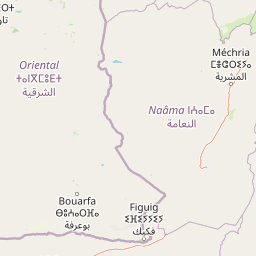
The park exists within a cultural landscape where traditional pastoral activities have shaped the relationship between local communities and the mountain environment. The region's Berber heritage includes long-established patterns of transhumance and seasonal resource use that interact with the park's ecosystems. While the park's primary focus is on ecological conservation, its management must account for the historical presence of pastoral communities whose activities influence landscape character. The Arabic designation of the park reflects its integration into the broader regional identity of the Naâma wilaya.
Top sights and standout views in Djebel Aissa National Park
Djebel Aissa National Park protects some of the most significant remaining juniper and pine forests in the Saharan Atlas, offering a glimpse of the Mediterranean forest ecosystems that once covered broader areas of this mountain range. The park provides habitat for Barbary sheep and Dorcas gazelle, two iconic North African ungulates whose conservation depends on protected area networks. Its position on the edge of the Sahara makes it a valuable location for understanding ecosystem transitions and climate change impacts on mountain environments. The combination of forest, steppe, and mountain habitats creates ecological diversity uncommon in Saharan-protected areas.
Best time to visit Djebel Aissa National Park
The optimal period for visiting Djebel Aissa National Park spans from spring through early autumn, when temperatures in the highlands are moderate and vegetation provides ecological interest. Spring brings blooming vegetation and active wildlife activity, while summer months offer warm conditions suitable for exploring the park's trails. The shoulder seasons of spring and autumn generally provide the most comfortable conditions for outdoor activities, though visitors should be prepared for temperature variations between day and night. The park's mountain setting means that weather conditions can change rapidly, and visitors should check current conditions before planning activities.