Mori Atlas logo
National parkDovre National Park

Explore the mapped boundaries of this vital subarctic mountain terrain in Innlandet.

Dovre National Park: Norway's Protected Alpine Landscape & Regional Geographic Anchor

Dovre National Park represents a key protected landscape within Norway's central Innlandet region, safeguarding a crucial ecological corridor for Fennoscandian wild reindeer. Spanning 289 square kilometers of distinctive alpine plateau terrain, the park offers a glimpse into a weathered mountain environment shaped by glaciation, connecting users to its significant regional geographic context and mapped natural boundaries. Discover the essence of Scandinavian high mountain scenery and its importance for conservation through this detailed atlas entry.

mountain parksalpine landscapesreindeerprotected corridorsNorwayInnlandet

Dovre National Park

National park

Park overview

Structured park overview, official facts, and landscape profile for Dovre National Park

Dovre National Park park facts, protected area profile, and essential visitor context
Review the core facts for Dovre National Park, including designation, size, terrain, visitor scale, habitats, and operating context in one park-focused overview.

About Dovre National Park

Dovre National Park occupies a strategic position in Norway's system of protected alpine areas, serving as a connecting corridor between two larger and older national parks in the Dovrefjell mountain region. Established in 2003, the park was created as part of a broader expansion of protected areas in central Norway, with the explicit purpose of linking the ecosystems of Rondane National Park to the southeast and Dovrefjell-Sunndalsfjella National Park to the north. This connectivity approach reflects modern conservation thinking that emphasizes large, contiguous habitats over isolated protected zones. The park's terrain consists primarily of high plateaus and rounded mountain peaks weathered by centuries of glacial and meteorological processes—a landscape typical of Fennoscandian alpine environments. The elevation range from approximately 1,000 meters at the tree line to 1,716 meters at Fokstuhøe creates distinct ecological zones within the park, supporting diverse plant communities adapted to subarctic conditions. The Norwegian name, Dovre nasjonalpark, derives from Dovre Municipality and reflects the park's position within the broader Dovrefjell mountain region, an area that has held cultural and practical significance as a north-south travel route for centuries.

Quick facts and research context for Dovre National Park

Dovre National Park is located in central Norway's Innlandet county, near the settlement of Dombås. The park was established in 2003 and covers 289 km² of alpine terrain at elevations between 1,000 and 1,716 meters. It serves as a connecting protected area between two larger national parks—Rondane to the southeast and Dovrefjell-Sunndalsfjella to the north. The park protects wild Fennoscandian reindeer and their migration corridors, representing a key element in Norway's mountain conservation network.

Park context

Deeper park guide and search-rich context for Dovre National Park

Dovre National Park history, landscape, wildlife, and travel context
Explore Dovre National Park through its history, landscape character, ecosystems, wildlife, conservation priorities, cultural context, and seasonal travel timing in a structured park guide built for atlas discovery and search intent.

Why Dovre National Park stands out

Dovre National Park is best known for its population of wild Fennoscandian reindeer, which inhabit a contiguous protected landscape spanning three adjacent Norwegian national parks. The park's open alpine plateaus and rounded mountain peaks provide essential habitat for these reindeer of Beringian origin, making the area significant for one of Scandinavia's most important terrestrial wildlife populations. The park also sits within the broader Dovrefjell mountain region, historically recognized as the traditional border between northern and southern Norway, a cultural landmark reflected in the Norwegian expression "til Dovre faller" (until the Dovre mountains fall apart, meaning until the end of the world).
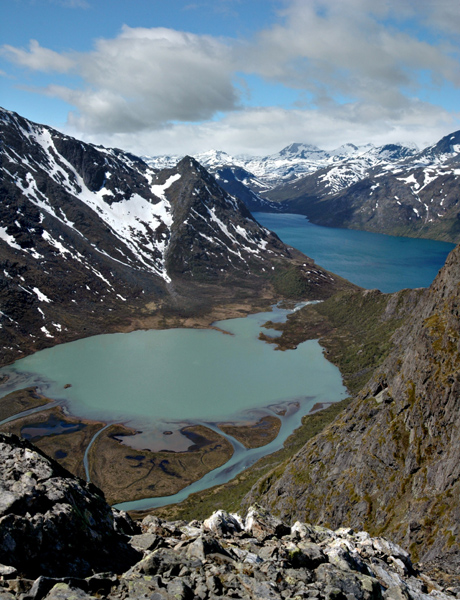
Wide view of mountainous landscape with turquoise lakes, rocky slopes, snow-covered peaks, and a blue sky with clouds
Mountainous landscape view from Knutshøi, showcasing turquoise lakes, rocky terrain, and snow-capped peaks under a partly cloudy sky

Dovre National Park history and protected-area timeline

Dovre National Park was established in 2003 as part of an expansion of Norway's national park network in the Dovrefjell mountain region. The creation of this park addressed a gap in the protected area system by preserving the ecological corridor connecting the older Rondane National Park (established in 1971) and Dovrefjell-Sunndalsfjella National Park. The driving motivation behind establishing Dovre was the recognition that large, connected habitats are essential for the survival of the wild reindeer populations that migrate seasonally across these mountain areas. The management of the park falls under the Norwegian Directorate for Nature Management, which oversees protected areas throughout Norway. The park's establishment reflected a growing emphasis on ecological connectivity in conservation planning, ensuring that wildlife populations could maintain genetic exchange and natural migration patterns across the broader mountain landscape.

Dovre National Park landscape and geographic character

The landscape of Dovre National Park is defined by its alpine character—open plateaus stretching across the high mountain terrain with scattered, weathered peaks rising above the general elevation level. The rounded character of the mountains reflects the region being heavily shaped by glacial processes during past ice ages, resulting in smooth, eroded rock formations rather than sharp, jagged peaks. The terrain varies from gentle plateau sections to more rugged hillsides, with the elevation gain from around 1,000 meters at the tree line to 1,716 meters at the park's highest point, Fokstuhøe. The landscape lacks significant forest within the park boundaries, as the altitude exceeds the tree line across most of the protected area, resulting in alpine heath vegetation and exposed bedrock. This austere yet distinctive mountain scenery forms part of the larger Dovrefjell range, which has long served as a natural boundary between Norway's northern and southern regions.

Dovre National Park ecosystems, habitats, and plant life

The nature of Dovre National Park is characterized by subarctic alpine ecosystems adapted to harsh mountain conditions. The park's elevation range creates conditions suitable for heath vegetation, mosses, lichens, and cold-adapted plant communities that thrive in the short growing season above the tree line. The open plateaus support a characteristic alpine flora distinct from the forested valleys below. As part of a larger connected protected area network, the park contributes to maintaining ecological processes across a broad mountain landscape, supporting biodiversity in what would otherwise be fragmented habitats. The alignment of Dovre with the two adjacent national parks creates one of the most extensive contiguous protected mountain ecosystems in Scandinavia, enabling natural processes like migration, seasonal movement, and genetic exchange to continue across political boundaries.

Dovre National Park wildlife and species highlights

The wildlife of Dovre National Park is most notably defined by its population of wild Fennoscandian reindeer, a subspecies of reindeer that originated from Beringian populations during prehistoric migrations. These reindeer represent one of the last remaining wild reindeer populations in mainland Europe, and they move seasonally across the connected landscape of Dovre and the adjacent parks. The park serves as critical habitat within this larger migratory range, providing the open alpine terrain that the reindeer require for grazing and movement. The presence of these wild reindeer was a primary ecological justification for establishing the park and for ensuring connectivity between the three adjacent protected areas. Other species typical of Norwegian mountain environments also inhabit the area, though the reindeer remain the most ecologically and conservation significant wildlife presence.

Dovre National Park conservation status and protection priorities

Dovre National Park contributes to one of Norway's most significant conservation initiatives: the protection of contiguous mountain habitat for wild reindeer across the Dovrefjell region. The park's role as a connecting corridor between Rondane and Dovrefjell-Sunndalsfjella ensures that wildlife can move freely between these protected areas, maintaining healthy population dynamics for species like the Fennoscandian reindeer. This network approach to conservation recognizes that isolated protected areas are insufficient for long-term species survival, particularly for migratory animals requiring large territories. The three parks collectively form one of Europe's largest continuous protected mountain landscapes, serving as a model for large-scale ecological connectivity planning. The park is managed under Norway's national park framework with the Norwegian Directorate for Nature Management overseeing protection and visitor management.

Dovre National Park cultural meaning and human context

The Dovrefjell mountain region, within which Dovre National Park sits, carries deep cultural significance in Norwegian history. From the earliest times, Dovrefjell has served as the traditional border region between northern and southern Norway, with the mountain crossing routes being well known throughout Norwegian history. This cultural significance is reflected in the common Norwegian expression "til Dovre faller"—meaning "until the Dovre mountains fall apart"—which is used to signify "until the end of the world" and appears in various historical and literary contexts. The park is named after Dovre Municipality, which encompasses this historic mountain region. The area's role as a travel corridor between Norway's regions has given it lasting importance in Norwegian cultural identity and transportation history.

Top sights and standout views in Dovre National Park

Dovre National Park's primary highlight is its role in protecting one of Europe's most important wild reindeer habitats through its connection to the larger Dovrefjell mountain park network. The park offers access to classic Norwegian alpine plateaus and mountain terrain, providing visitors with an authentic experience of the subarctic high mountain landscape. The connection to the broader protected area network means that visitors can explore across park boundaries, experiencing an extensive mountain wilderness. The park's position within the historic Dovrefjell region adds cultural depth to the natural landscape, connecting visitors to centuries of Norwegian travel and settlement patterns.

Best time to visit Dovre National Park

The best time to visit Dovre National Park is during the summer months when conditions are most suitable for hiking and outdoor exploration. The park's high elevation means that conditions are harsh during winter, with snow covering the terrain for much of the year. Summer visitors can experience the alpine plateaus in bloom and may encounter reindeer grazing in the higher areas. The shoulder seasons of late spring and early autumn offer opportunities for those seeking quieter visits, though trail conditions and access may be more limited. The dramatic mountain landscape changes significantly with the seasons, each offering a different perspective on this subarctic environment.
Park location guide

Geography guide, regional context, and park location map for Dovre National Park

Dovre National Park park geography, regions, and map view in Norway
Understand where Dovre National Park sits in Norway through a broader geographic reading of the surrounding landscape, nearby location context, and its mapped position within the national park landscape.

How Dovre National Park fits into Norway

Norway, officially the Kingdom of Norway, is a Nordic country in Northern Europe located on the Scandinavian Peninsula. It encompasses mainland Norway, the Arctic islands of Svalbard and Jan Mayen, and maintains dependencies including Bouvet Island and Antarctic claims. The country has a population of about 5.6 million and is bordered by Sweden, Finland, and Russia. Norway is a unitary parliamentary constitutional monarchy with Oslo as its capital and largest city.

Wider geography shaping Dovre National Park in Norway

Norway occupies the western and northern portions of the Scandinavian Peninsula in Northern Europe. The country shares a long eastern border with Sweden, and borders Finland and Russia to the northeast. Norway has an extensive coastline facing the Skagerrak, North Sea, Norwegian Sea, and Barents Sea. The terrain is predominantly mountainous with numerous fjords along the coastline.

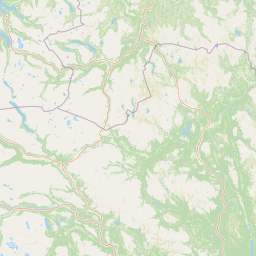
Map view of Dovre National Park

Use this park location map to pinpoint Dovre National Park in Norway, understand its exact geographic position, and read its mapped placement within the surrounding landscape more clearly.

Pigeon | © OpenStreetMap contributors

Location context for Dovre National Park

Innlandet

See the expansive alpine plateaus, weathered mountain peaks, and protected corridors that define Dovre National Park's unique environment.

Explore Dovre National Park Photos: Visualizing Norwegian Alpine Landscapes and Reindeer Habitats
Visually explore the distinctive high mountain terrain of Dovre National Park, showcasing its open alpine plateaus, rounded glacial peaks, and critical wild reindeer habitats. Understanding these detailed park images helps clarify the protected area's unique ecological corridor and its significance within Norway's broader Scandinavian mountain geography.

Wide view of mountainous landscape with turquoise lakes, rocky slopes, snow-covered peaks, and a blue sky with clouds

Park atlas

Map adjacent mountain parks and trace interconnected protected landscapes within Norway's Innlandet county.

Explore National Parks and Protected Areas Near Dovre National Park, Innlandet
Explore nearby national parks and protected areas in Norway's Innlandet county, offering diverse alpine landscapes and critical wildlife habitats for comparison. Continue your atlas-style park discovery by mapping these adjacent reserves, understanding their regional context and conservation significance within the wider Dovrefjell mountain range.
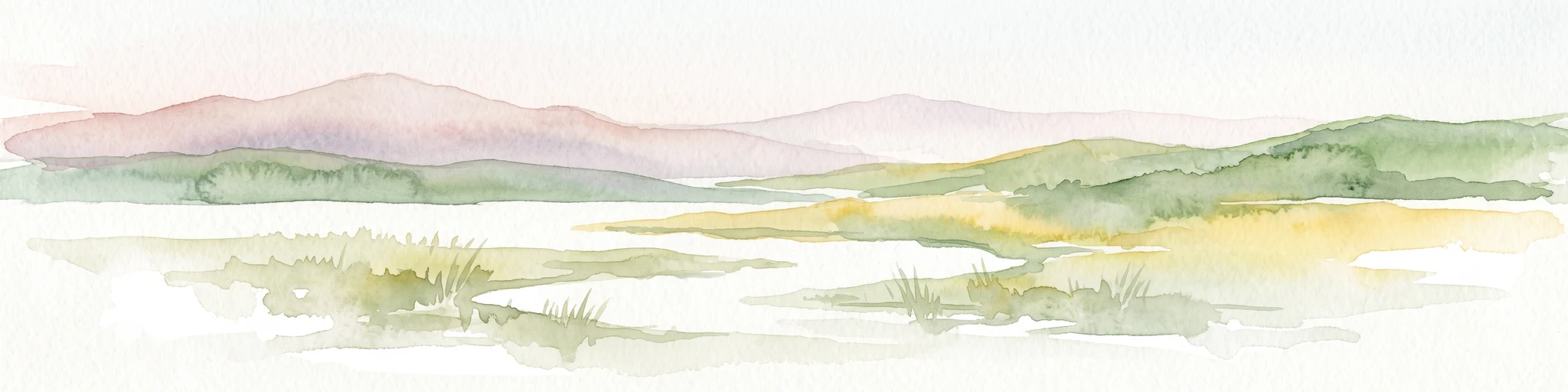
Watercolor painting of mountain peaks with green valleys and grassy foreground
National parkInnlandet

Rondane National Park: Norway's Premier Alpine Protected Landscape and Historic National Park

Mapped glacial terrain, iconic peaks, and wild reindeer sanctuary.

As Norway's first national park, Rondane offers a profound exploration of a protected alpine environment. Situated in Innlandet county, its 963 square kilometers showcase a landscape sculpted by glaciers, featuring a striking array of ten peaks exceeding 2,000 meters. This page details Rondane National Park's distinct mapped boundaries, dramatic mountain geography, and its ecological significance as a refuge for wild reindeer, making it a cornerstone of Scandinavian natural heritage.

Area
963 km²
Established
1962
IUCN
II
Relief
Mountain
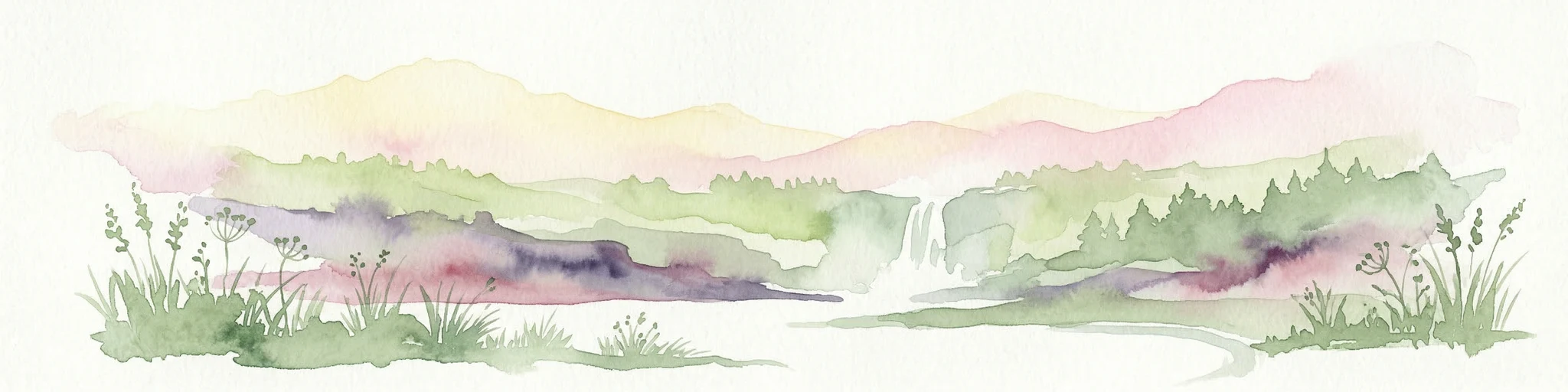
Watercolor painting showing a mountainous landscape with a waterfall, grassy fields, and wildflowers
National parkInnlandet

Dovrefjell, Sunndalsfjella National Park: Mapping Norway's Largest Alpine Protected Landscape

Explore its protected boundaries, mountain terrain, and unique ecological significance.

Dovrefjell, Sunndalsfjella National Park is a cornerstone of Norwegian protected areas, offering an expansive alpine wilderness with dramatic mountain scenery. This page details the park's geographic context, mapped landscape features, and its importance as a refuge for unique wildlife like wild reindeer and muskox. Users can investigate the park's protected boundaries and understand its role within the regional geography of Innlandet, contributing to a structured atlas of Scandinavia's natural heritage.

Area
1,693 km²
Established
2002
IUCN
II
Relief
Mountain
National parkInnlandet

Reinheimen National Park: Norway's Vast Protected Wilderness Landscape and Alpine Geography

Map of protected boundaries and diverse mountain terrain.

Reinheimen National Park is a cornerstone of Norway's protected areas, encompassing a substantial portion of Western Norway's alpine wilderness. This national park protects a dynamic landscape characterized by dramatic western peaks and gentler eastern plateaus, providing critical habitat for wild reindeer and other wildlife. Its extensive mapped boundaries and varied natural terrain offer a rich subject for geographic discovery and atlas exploration, highlighting the ecological significance of well-preserved mountain ecosystems within Innlandet.

Area
1,969 km²
Established
2006
IUCN
II
Relief
Mountain
National park

Forollhogna National Park: Norway's Gently Rolling Alpine Protected Landscape Atlas

Explore unique terrain and vital wild reindeer habitat in Central Norway.

MoriAtlas provides structured geographic context for Forollhogna National Park, Norway's nineteenth national park. This area is best known for its distinctively gentle, rolling alpine terrain, a contrast to other Norwegian mountain ranges, and as a critical habitat for wild reindeer. Discover the park's unique landscape character, its role as a protected area, and the ongoing cultural traditions tied to its mountain pastures, all visualized within a comprehensive atlas framework.

Area
1,062 km²
Established
2001
IUCN
II
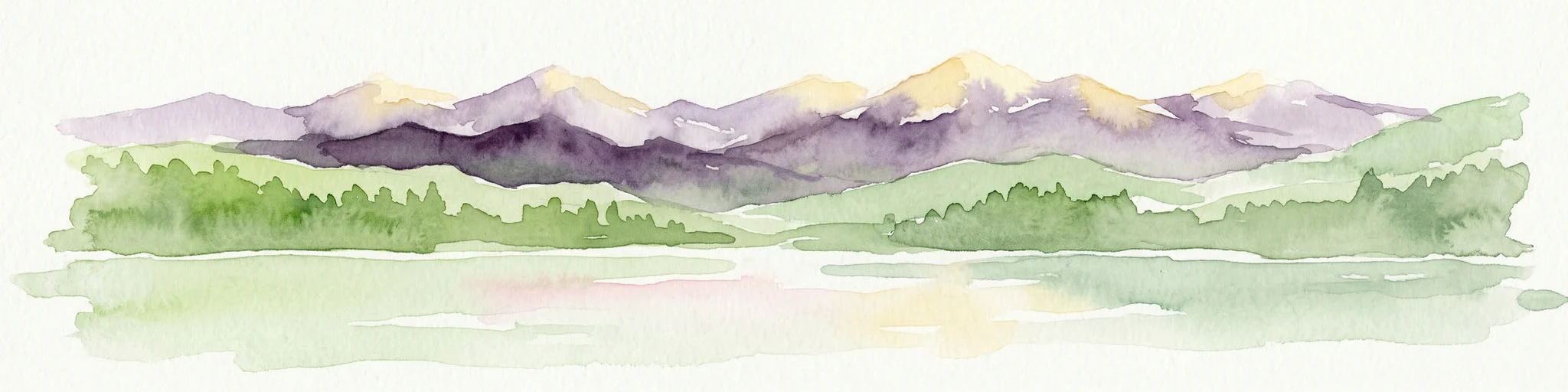
Watercolor illustration of a mountain range with green hills and a lake in the foreground
National park

Jotunheimen National Park: Norway's Iconic Alpine Protected Landscape and Geographic Core

Explore mapped glacial terrain and alpine geography.

Jotunheimen National Park stands as a monument to Norway's alpine grandeur, protecting over 1,151 square kilometers of spectacular mountainous terrain. This protected area is defined by its dramatic glacial features, including sharp peaks exceeding 1,900 meters, U-shaped valleys, and pristine alpine lakes, making it a significant focus for geographic exploration and mapped landscape study. Delve into the core of Norway's mountain heartland, understanding the mapped boundaries and regional geological context that shape this iconic protected landscape.

Area
1,151 km²
Established
1980
IUCN
II
Relief
Mountain
National parkInnlandet

Langsua National Park: Protected Mountain Forests and Inland Wilderness in Innlandet, Norway

Discover mapped boundaries and regional geographic context.

Langsua National Park, a designation expanded in 2011, is a prominent protected area in Norway's Innlandet county. This national park encompasses 537.1 square kilometers of diverse mountainous terrain, characterized by extensive mountain forests and inland wilderness habitats. Its creation consolidates fragmented nature reserves into a significant contiguous protected landscape, offering valuable insight into Norway's conservation strategies and the geographic context of its eastern mountain regions.

Area
537.1 km²
Established
2011
IUCN
II
Relief
Mixed relief
National parkInnlandet

Breheimen National Park: Protected Glacial Landscapes and Mountain Terrain in Innlandet

Norway's prominent national park featuring active glaciers and alpine geography.

Breheimen National Park represents a significant protected landscape within Norway's Innlandet region, dedicated to conserving its unique glacial formations and dramatic alpine terrain. The park's vast area encompasses active glaciers, soaring peaks, and a notable diversity of natural environments, from lush valleys to barren plateaus. MoriAtlas facilitates a detailed exploration of Breheimen National Park, highlighting its mapped protected boundaries and its integral role in the regional geography and protected areas atlas.

Area
1,671 km²
Established
2009
IUCN
II
Relief
Mountain
National parkInnlandet

Femundsmarka National Park: Exploring Norway's Distinctive Wetland and Boreal Protected Landscape

Mapped boundaries and regional geography in Innlandet.

Femundsmarka National Park in Innlandet, Norway, offers a profound look into a preserved wetland wilderness characterized by vast marshlands, numerous lakes, and scattered boreal forests. As a designated national park, its ecological significance is tied to the surrounding water systems and the unique landscape stretching towards the Swedish border. This entry provides detailed geographic context, mapping information, and an understanding of its protected area status, inviting exploration of its remote boreal terrain and notable wildlife habitats.

Area
573 km²
Established
1971
IUCN
II
Relief
Mixed relief

Common questions about visiting, size, designation, and location context for Dovre National Park

Dovre National Park FAQs for park facts, access, geography, and protected area context
Find quick answers about Dovre National Park, including protected-area facts, park geography, trail and visitor context, and how the park fits into its surrounding country and regional landscape.
MoriAtlas Explorer

Continue Your Protected Areas Search Across the Global Atlas

Deepen your exploration by continuing the structured search for national parks and protected areas worldwide. Utilize the comprehensive filtering capabilities to compare different conservation landscapes and refine your understanding of global park geography. Discover more about the distribution and characteristics of protected natural areas.

Global natural geography