Mori Atlas logo
National parkDovrefjell–Sunndalsfjella National Park

Discover the rugged terrain, glacial formations, and unique wildlife habitats of this expansive national park.

Dovrefjell–Sunndalsfjella National Park: Mapping Norway's Premier Alpine Protected Wilderness

(Dovrefjell-Sunndalsfjella nasjonalpark)

Dovrefjell–Sunndalsfjella National Park represents one of Scandinavia's most vital alpine wilderness regions, spanning 1,693 square kilometers of dramatic mountain terrain in Innlandet, Norway. This protected landscape offers an unparalleled opportunity to explore its mapped boundaries, rugged peaks like Snøhetta, deep glacial valleys, and remarkably intact ecosystems. As a key national park, its vast expanse showcases unique geological formations and provides critical habitat for species including wild Fennoscandian reindeer and reintroduced muskox, making it a cornerstone for understanding Norwegian protected area geography.

Alpine WildernessMountain Protected AreaWild Reindeer ConservationMuskox HabitatNorwegian National ParksGlacial Landscape
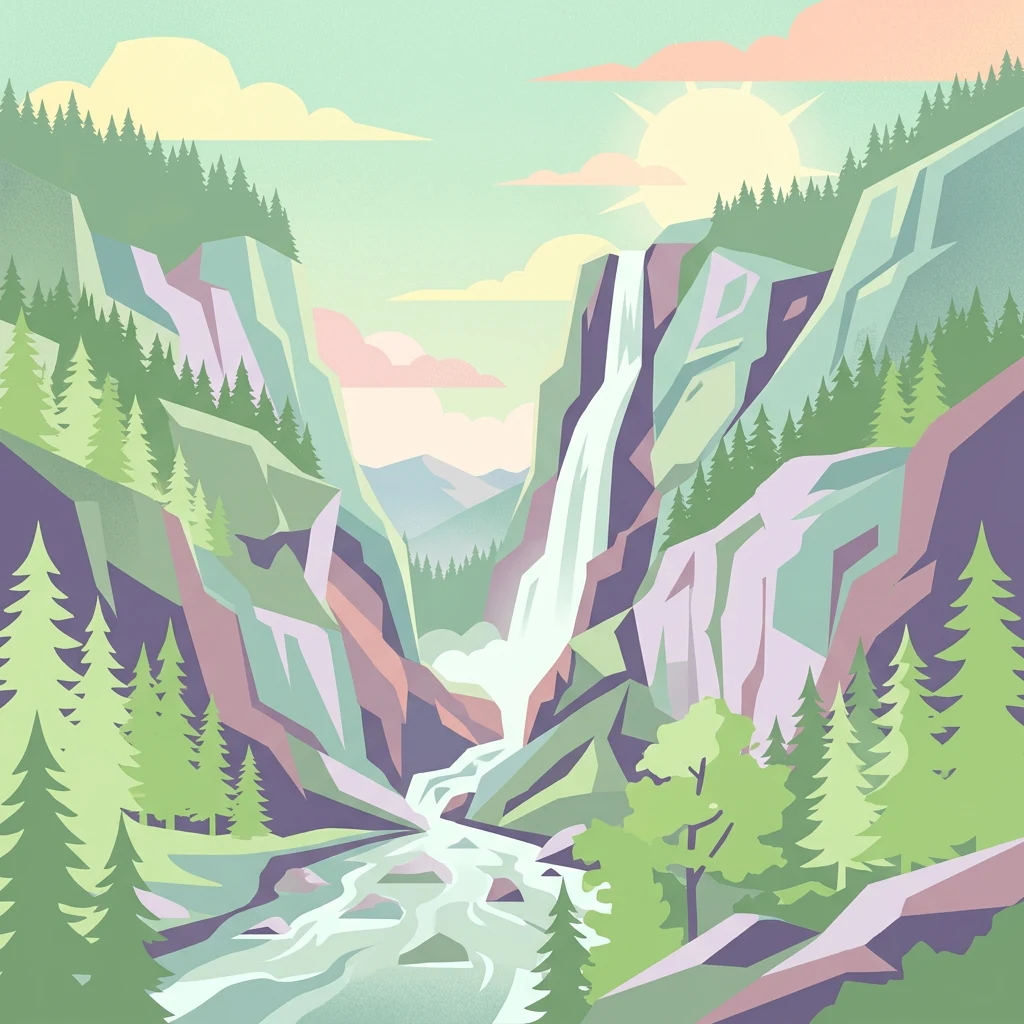
Stylized illustration of a mountain landscape featuring a waterfall, river, and forested slopes

Dovrefjell–Sunndalsfjella National Park

National park

Park overview

Structured park overview, official facts, and landscape profile for Dovrefjell, Sunndalsfjella National Park

Dovrefjell, Sunndalsfjella National Park park facts, protected area profile, and essential visitor context
Review the core facts for Dovrefjell, Sunndalsfjella National Park, including designation, size, terrain, visitor scale, habitats, and operating context in one park-focused overview.

About Dovrefjell, Sunndalsfjella National Park

Dovrefjell–Sunndalsfjella National Park represents one of Norway's most important conservation achievements, protecting a vast contiguous alpine wilderness that remains essentially untouched by modern development. The park was established in 2002 as an expansion of the original Dovrefjell National Park, creating a unified protected area spanning three counties and encompassing both the Dovrefjell range and the Sunndalsfjella mountains. The protection framework extends beyond the national park itself to include adjacent landscape protected areas and biotope zones, creating a connected conservation landscape of over 4,300 square kilometres.

The park's ecological significance is profound, centered on the preservation of a complete alpine ecosystem with its natural biodiversity and the protection of the Fennoscandian wild reindeer herds in the Snøhetta and Knutshø areas. These reindeer represent the last wild population of possible Beringia origin in Norway, genetically distinct from other herds that have interbred with domesticated reindeer. The park's management philosophy emphasizes preserving the landscape in its natural state while allowing public access for traditional outdoor experiences, though the harsh terrain and limited infrastructure mean the area is recommended only for experienced and well-equipped visitors.

Quick facts and research context for Dovrefjell, Sunndalsfjella National Park

The park occupies 1,693 km² of alpine terrain in central Norway, making it one of the country's largest protected mountain areas. Together with eight surrounding landscape protected areas and two biotope protected areas, the total connected protected territory spans 4,366 km². The park lies within Dovre, Lesja, Oppdal, Sunndal, and Molde municipalities. The park is bisected by European Route E6 and the Dovrebanen railway connecting Oslo and Trondheim. Management is handled by the Dovrefjell National Park Board, a governmental body with representatives from the region's municipalities and counties.

Park context

Deeper park guide and search-rich context for Dovrefjell, Sunndalsfjella National Park

Dovrefjell, Sunndalsfjella National Park history, landscape, wildlife, and travel context
Explore Dovrefjell, Sunndalsfjella National Park through its history, landscape character, ecosystems, wildlife, conservation priorities, cultural context, and seasonal travel timing in a structured park guide built for atlas discovery and search intent.

Why Dovrefjell, Sunndalsfjella National Park stands out

Dovrefjell, Sunndalsfjella is especially known for housing the last remaining population of wild Fennoscandian reindeer, a herd of possible Beringia origin that represents a unique genetic legacy distinct from other Norwegian reindeer populations. The park is also renowned for its muskox population, reintroduced in 1947, which has thrived in the harsh alpine environment. The landscape features Norway's famous Snøhetta mountain and the spectacular 156-metre Åmotan waterfall, one of the country's most impressive natural attractions. The protected area preserves ancient plant life predating the last ice age and supports significant biodiversity including wolverine, golden eagle, and gyrfalcon.
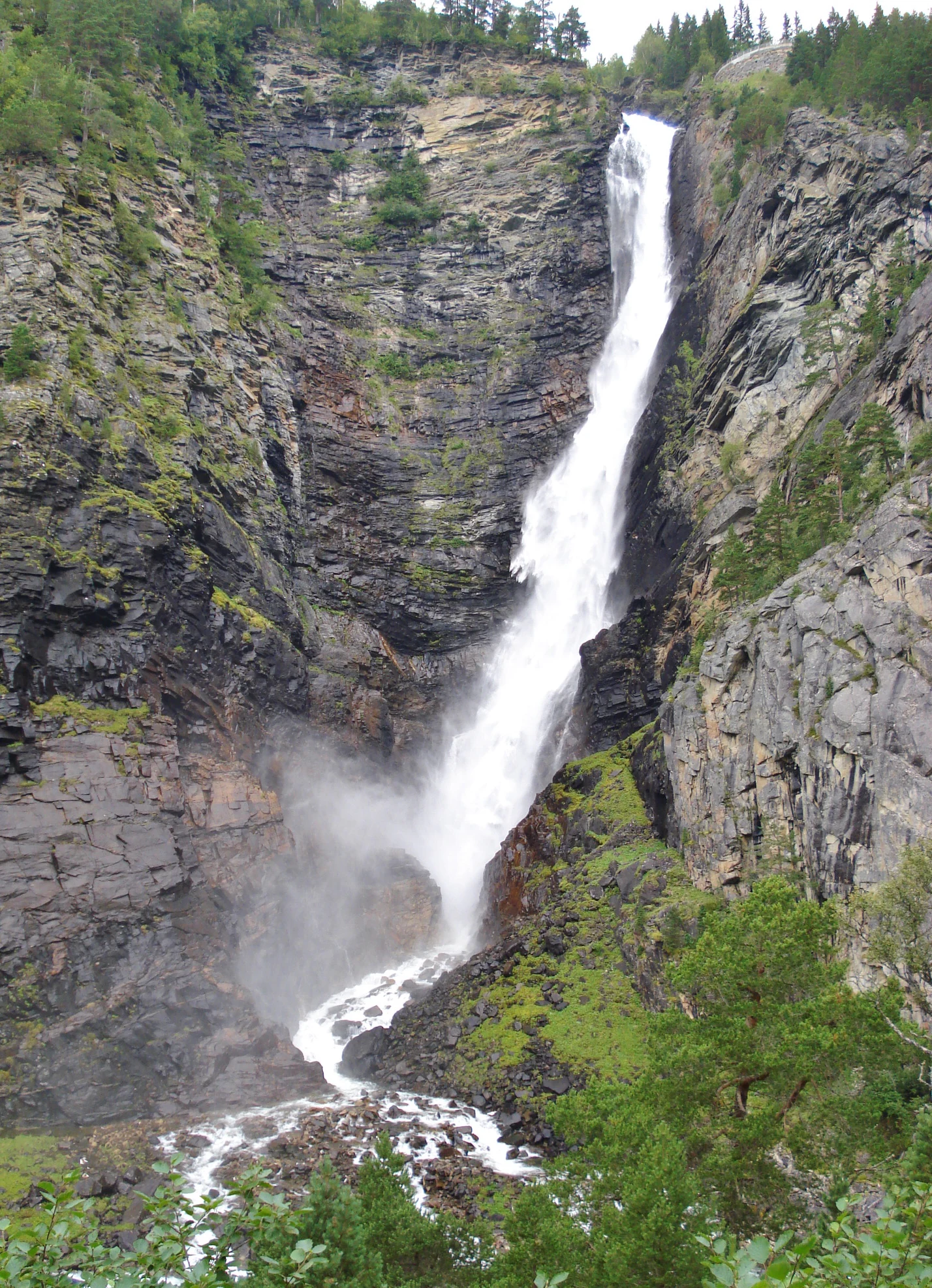
Tall waterfall flowing down a steep rocky cliff surrounded by green vegetation and trees.
Åmotan Waterfall cascading down a rocky cliff face in Dovrefjell, Sunndalsfjella National Park.

Dovrefjell, Sunndalsfjella National Park history and protected-area timeline

The original Dovrefjell National Park was established in 1974, protecting a significant portion of Norway's alpine mountain range. In 2002, the park was substantially expanded and renamed to Dovrefjell–Sunndalsfjella National Park, increasing the protected area and incorporating the Sunndalsfjella mountains. This expansion created a more comprehensive protection framework for the region's alpine ecosystems.

The park is managed by the Dovrefjell National Park Board, a governmental body established following a trial management period from 2003 to 2007. The board consists of members nominated by the eight municipalities and four counties within the region, appointed by the Ministry for the Environment. Prior to the board's establishment, the Dovrefjell Council managed the park from 2007 to 2011, coordinating conservation efforts across the broader protected area network. The council was dissolved in 2011, with its sustainable tourism coordination responsibilities transferred to the new board.

Dovrefjell, Sunndalsfjella National Park landscape and geographic character

The park encompasses a spectacular alpine landscape defined by rugged mountain terrain, deep valleys, and dramatic glacial features. The Dovrefjell range forms the backbone of the park, rising to Snøhetta at 2,286 metres, the highest peak within the protected area. The terrain is characterized by sharp peaks, steep cliffs, and extensive mountain plateaus typical of Scandinavian alpine environments. The landscape includes numerous watercourses, glacial valleys, and the remarkable Åmotan waterfall, which drops 156 metres in a dramatic cascade along the park's northern edge. The geology includes distinctive glacial deposits and ancient formations that predate the last ice age, contributing to the landscape's scientific and aesthetic significance.
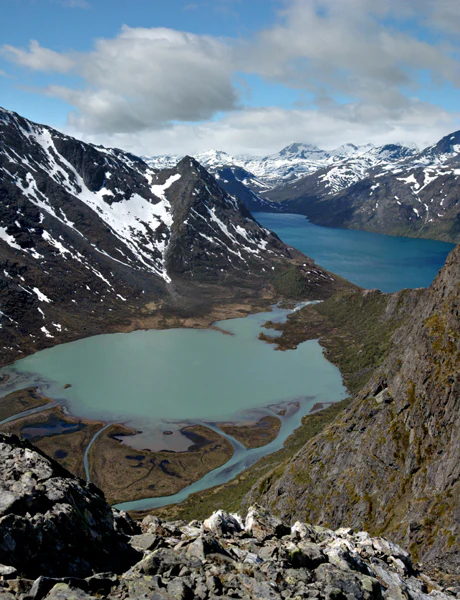
A panoramic view of a turquoise lake surrounded by rocky mountains with patches of snow under a partly cloudy sky
Panoramic mountain view with turquoise lake and snow-capped peaks

Dovrefjell, Sunndalsfjella National Park ecosystems, habitats, and plant life

The ecological character of Dovrefjell–Sunndalsfjella is defined by a harsh but biodiverse alpine environment. The park preserves a complete alpine ecosystem with significant habitat variation, from valley floors to mountain summits. The most ecologically significant element is the wild reindeer population of Snøhetta and Knutshø, representing the last remaining population of wild Fennoscandian reindeer with possible Beringia ancestry. This makes the park globally significant for reindeer conservation. The area supports a remarkable diversity of habitats, and the botanical significance is exceptional—some plant species predate the last ice age, and the area contains numerous endemic species adapted to the extreme mountain conditions.
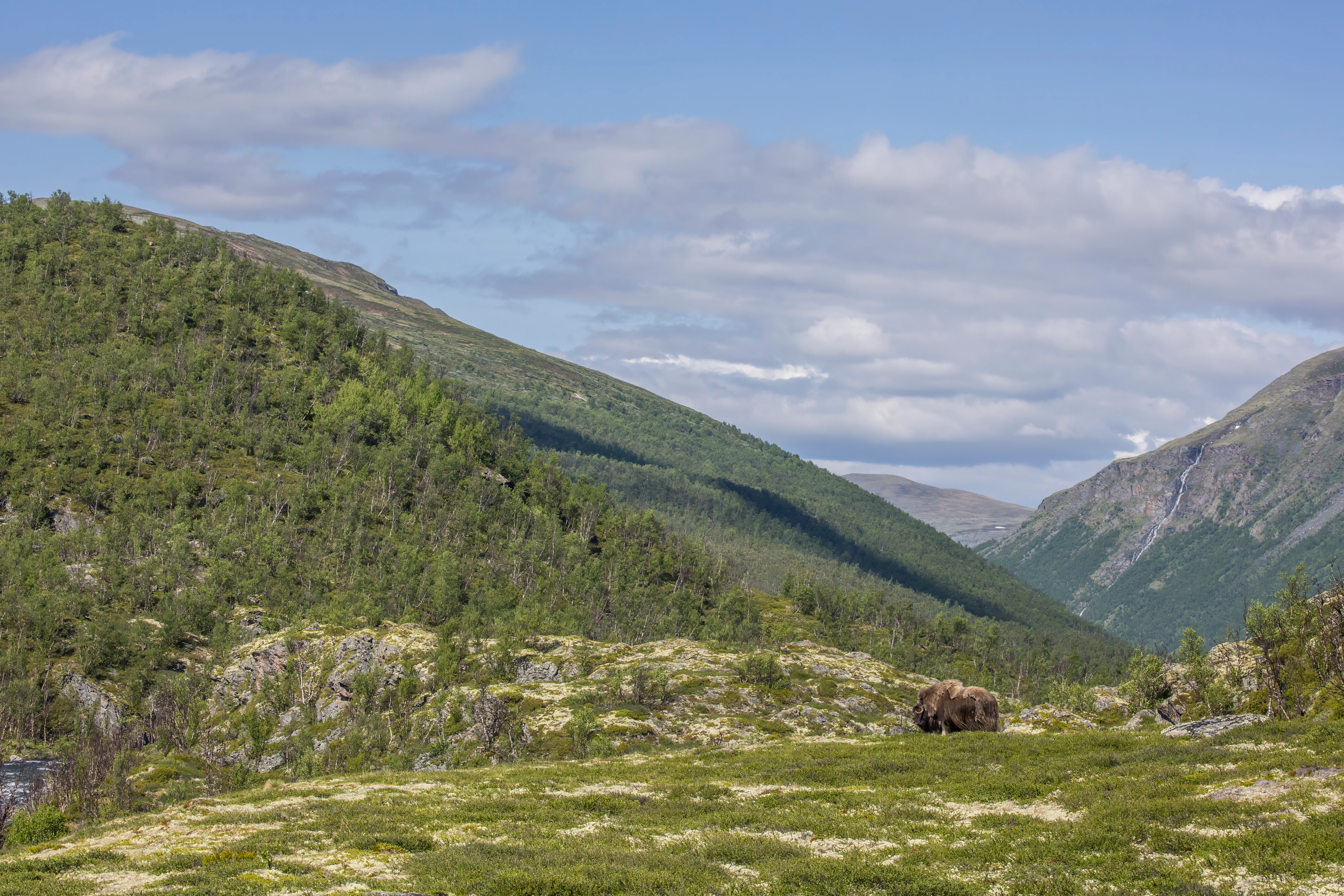
A male muskox standing in a grassy field with mountains and forests in the background
Male muskox in the alpine landscape of Dovrefjell, Sunndalsfjella National Park

Dovrefjell, Sunndalsfjella National Park wildlife and species highlights

The wildlife of Dovrefjell–Sunndalsfjella is notable for its Arctic and alpine species adapted to harsh mountain conditions. The wild reindeer herd represents the park's most significant wildlife feature, a population of possible Beringia origin that has remained genetically distinct from domesticated and other wild reindeer populations. Large predators present include wolverine, a secretive and powerful carnivore inhabiting the remote mountain terrain. The avian fauna includes impressive birds of prey, with golden eagle and gyrfalcon nesting in the cliff faces. Muskox, imported to Norway in 1947, now roam the park and have established viable populations. The park historically supported arctic fox, which was common a century ago but was extirpated by the 1990s; a reintroduction program initiated in 2010 has shown promising success in restoring this species.
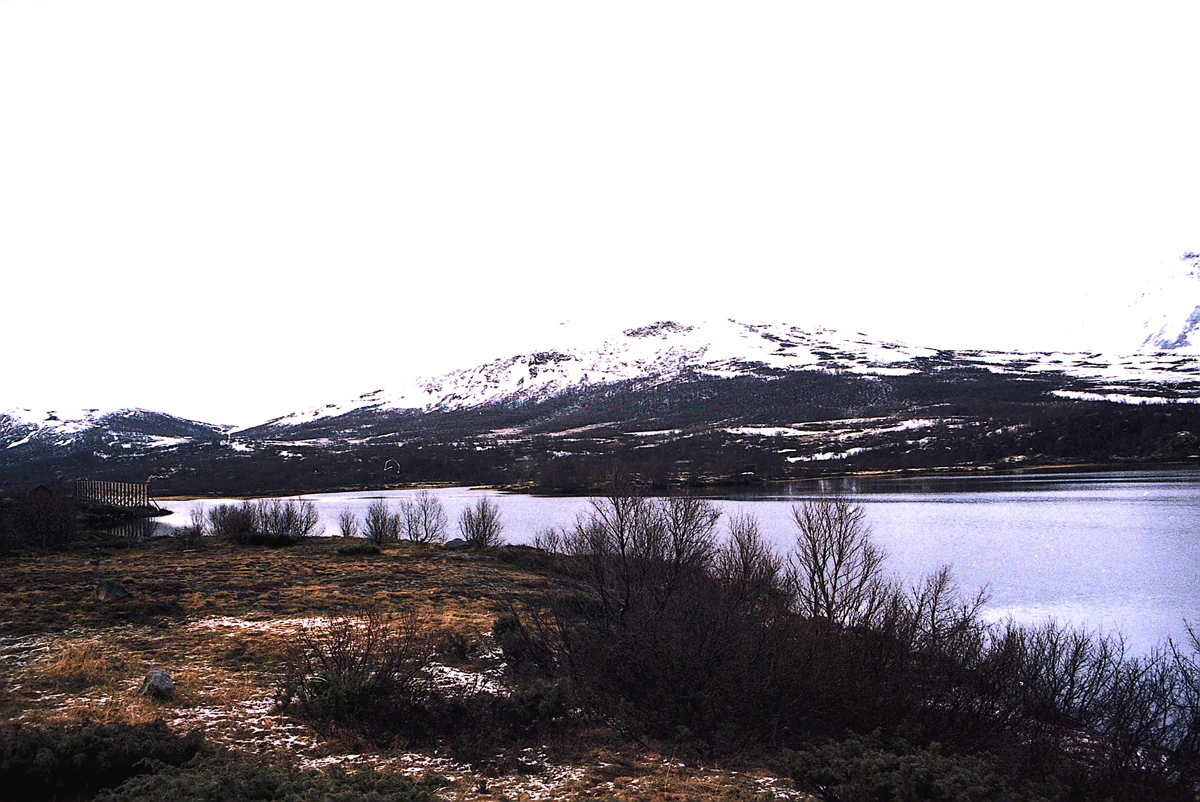
A lake surrounded by sparse vegetation and snow-capped mountains under an overcast sky
Lake in Dovrefjell National Park during late fall, photographed in 1986

Dovrefjell, Sunndalsfjella National Park conservation status and protection priorities

Dovrefjell–Sunndalsfjella holds exceptional conservation significance as one of Norway's premier protected alpine ecosystems. The park's core conservation purpose is the preservation of a large, continuous, and essentially untouched mountain area representing a complete alpine ecosystem with its natural biodiversity. The protection of the wild reindeer population in Snøhetta and Knutshø is particularly crucial, as these animals represent the last wild Fennoscandian reindeer of possible Beringia origin—other wild Norwegian reindeer have interbred with domesticated herds. The conservation framework extends beyond the national park to include adjacent landscape and biotope protected areas, creating a comprehensive regional protection network. The park also preserves important cultural heritage and distinctive geological deposits, while maintaining the landscape morphology of the mountain environment.

Dovrefjell, Sunndalsfjella National Park cultural meaning and human context

The Dovrefjell mountains have long held cultural significance in Norwegian tradition and history. The region has been inhabited and used by local communities for centuries, with traditional outdoor life forming an integral part of the cultural fabric. The park's management approach recognizes this heritage while emphasizing that public access to experience the nature should be through traditional and simple outdoor activities. The surrounding municipalities—Dovre, Lesja, Oppdal, Sunndal, and Molde—maintain strong connections to the mountain landscape, and the park's governance structure deliberately involves local municipal and county representation to ensure regional participation in conservation management.

Top sights and standout views in Dovrefjell, Sunndalsfjella National Park

Dovrefjell–Sunndalsfjella stands as Norway's flagship alpine protected area, combining vast wilderness, unique ecological heritage, and dramatic mountain scenery. The park protects the last wild Fennoscandian reindeer population, provides habitat for species including wolverine, golden eagle, and reintroduced muskox and arctic fox, and preserves ancient plant life with remarkable endemism. The landscape features Norway's iconic Snøhetta peak and the spectacular 156-metre Åmotan waterfall. The connected protected area network spanning over 4,300 km² makes this one of Scandinavia's most comprehensive conservation landscapes, managed locally through the Dovrefjell National Park Board.

Best time to visit Dovrefjell, Sunndalsfjella National Park

The park offers distinct seasonal experiences, with summer providing the most accessible period for hiking and wildlife viewing, while winter offers spectacular cross-country skiing and winter landscapes. The harsh mountain climate means conditions can change rapidly and the area is recommended only for experienced, well-equipped visitors regardless of season. Summer months allow access to the high terrain and increased opportunities to observe wildlife including reindeer and muskox. The long walks between mountain huts, extensive trail-less areas, and unpredictable weather require careful planning and experience.
Park location guide

Geography guide, regional context, and park location map for Dovrefjell, Sunndalsfjella National Park

Dovrefjell, Sunndalsfjella National Park park geography, regions, and map view in Norway
Understand where Dovrefjell, Sunndalsfjella National Park sits in Norway through a broader geographic reading of the surrounding landscape, nearby location context, and its mapped position within the national park landscape.

How Dovrefjell, Sunndalsfjella National Park fits into Norway

Norway, officially the Kingdom of Norway, is a Nordic country in Northern Europe located on the Scandinavian Peninsula. It encompasses mainland Norway, the Arctic islands of Svalbard and Jan Mayen, and maintains dependencies including Bouvet Island and Antarctic claims. The country has a population of about 5.6 million and is bordered by Sweden, Finland, and Russia. Norway is a unitary parliamentary constitutional monarchy with Oslo as its capital and largest city.

Wider geography shaping Dovrefjell, Sunndalsfjella National Park in Norway

Norway occupies the western and northern portions of the Scandinavian Peninsula in Northern Europe. The country shares a long eastern border with Sweden, and borders Finland and Russia to the northeast. Norway has an extensive coastline facing the Skagerrak, North Sea, Norwegian Sea, and Barents Sea. The terrain is predominantly mountainous with numerous fjords along the coastline.

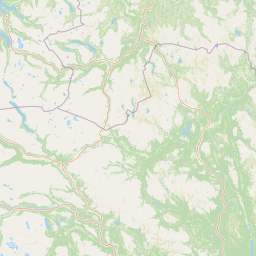
Map view of Dovrefjell, Sunndalsfjella National Park

Use this park location map to pinpoint Dovrefjell, Sunndalsfjella National Park in Norway, understand its exact geographic position, and read its mapped placement within the surrounding landscape more clearly.

Pigeon | © OpenStreetMap contributors

Location context for Dovrefjell, Sunndalsfjella National Park

InnlandetMøre og RomsdalTrøndelag

Visual Guide to Norway's Dovrefjell Mountains, Glacial Features, and Unique Alpine Ecosystems

Dovrefjell–Sunndalsfjella National Park Photos: Explore Alpine Landscapes and Protected Area Scenery
Explore compelling Dovrefjell–Sunndalsfjella National Park images to visualize its rugged alpine terrain, dramatic glacial valleys, and unique mountain ecosystems, offering essential context for this protected area. Observe the distinctive scenery, from the iconic Snøhetta peak to vital wildlife habitats, providing a visual reference for understanding the park's diverse landscapes and conservation character.

Tall waterfall flowing down a steep rocky cliff surrounded by green vegetation and trees.

A muskox with thick brown fur and curved horns lies on grassy, rocky terrain with green shrubs in the background

A panoramic view of a turquoise lake surrounded by rocky mountains with patches of snow under a partly cloudy sky

A male muskox standing in a grassy field with mountains and forests in the background

A lake surrounded by sparse vegetation and snow-capped mountains under an overcast sky

Park atlas

Trace the Alpine Protected Landscapes of Innlandet County and Adjacent Regions

Explore Other National Parks and Protected Areas Near Dovrefjell–Sunndalsfjella
Browse a curated list of national parks and protected areas geographically relevant to Dovrefjell–Sunndalsfjella National Park, encompassing Norway's central mountain ranges. Compare these conservation landscapes to understand their regional context, mapped terrain features, and broader protected status across Innlandet and surrounding Nordic alpine zones.
National parkInnlandet

Dovre National Park: Mapped Alpine Terrain & Protected Reindeer Habitat in Innlandet

Norway's protected mountain plateau landscape and wildlife corridor.

Dovre National Park is a significant protected area in Innlandet, Norway, characterized by its expansive alpine plateau terrain and role as a vital ecological corridor for wild reindeer. This national park offers users an atlas-level view of its mapped natural boundaries, focusing on the unique subarctic mountain landscape and its conservation importance. Understand Dovre National Park's geographic identity and its contribution to a contiguous network of protected lands.

Area
289 km²
Established
2003
IUCN
II
Relief
Mountain
National parkInnlandet

Reinheimen National Park: Norway's Vast Protected Wilderness Landscape and Alpine Geography

Map of protected boundaries and diverse mountain terrain.

Reinheimen National Park is a cornerstone of Norway's protected areas, encompassing a substantial portion of Western Norway's alpine wilderness. This national park protects a dynamic landscape characterized by dramatic western peaks and gentler eastern plateaus, providing critical habitat for wild reindeer and other wildlife. Its extensive mapped boundaries and varied natural terrain offer a rich subject for geographic discovery and atlas exploration, highlighting the ecological significance of well-preserved mountain ecosystems within Innlandet.

Area
1,969 km²
Established
2006
IUCN
II
Relief
Mountain
Watercolor painting of mountain peaks with green valleys and grassy foreground
National parkInnlandet

Rondane National Park: Norway's Premier Alpine Protected Landscape and Historic National Park

Mapped glacial terrain, iconic peaks, and wild reindeer sanctuary.

As Norway's first national park, Rondane offers a profound exploration of a protected alpine environment. Situated in Innlandet county, its 963 square kilometers showcase a landscape sculpted by glaciers, featuring a striking array of ten peaks exceeding 2,000 meters. This page details Rondane National Park's distinct mapped boundaries, dramatic mountain geography, and its ecological significance as a refuge for wild reindeer, making it a cornerstone of Scandinavian natural heritage.

Area
963 km²
Established
1962
IUCN
II
Relief
Mountain
National park

Forollhogna National Park: Norway's Gently Rolling Alpine Protected Landscape Atlas

Explore unique terrain and vital wild reindeer habitat in Central Norway.

MoriAtlas provides structured geographic context for Forollhogna National Park, Norway's nineteenth national park. This area is best known for its distinctively gentle, rolling alpine terrain, a contrast to other Norwegian mountain ranges, and as a critical habitat for wild reindeer. Discover the park's unique landscape character, its role as a protected area, and the ongoing cultural traditions tied to its mountain pastures, all visualized within a comprehensive atlas framework.

Area
1,062 km²
Established
2001
IUCN
II
Watercolor illustration of a mountain range with green hills and a lake in the foreground
National park

Jotunheimen National Park: Norway's Iconic Alpine Protected Landscape and Geographic Core

Explore mapped glacial terrain and alpine geography.

Jotunheimen National Park stands as a monument to Norway's alpine grandeur, protecting over 1,151 square kilometers of spectacular mountainous terrain. This protected area is defined by its dramatic glacial features, including sharp peaks exceeding 1,900 meters, U-shaped valleys, and pristine alpine lakes, making it a significant focus for geographic exploration and mapped landscape study. Delve into the core of Norway's mountain heartland, understanding the mapped boundaries and regional geological context that shape this iconic protected landscape.

Area
1,151 km²
Established
1980
IUCN
II
Relief
Mountain
National parkInnlandet

Breheimen National Park: Protected Glacial Landscapes and Mountain Terrain in Innlandet

Norway's prominent national park featuring active glaciers and alpine geography.

Breheimen National Park represents a significant protected landscape within Norway's Innlandet region, dedicated to conserving its unique glacial formations and dramatic alpine terrain. The park's vast area encompasses active glaciers, soaring peaks, and a notable diversity of natural environments, from lush valleys to barren plateaus. MoriAtlas facilitates a detailed exploration of Breheimen National Park, highlighting its mapped protected boundaries and its integral role in the regional geography and protected areas atlas.

Area
1,671 km²
Established
2009
IUCN
II
Relief
Mountain
National parkInnlandet

Langsua National Park: Protected Mountain Forests and Inland Wilderness in Innlandet, Norway

Discover mapped boundaries and regional geographic context.

Langsua National Park, a designation expanded in 2011, is a prominent protected area in Norway's Innlandet county. This national park encompasses 537.1 square kilometers of diverse mountainous terrain, characterized by extensive mountain forests and inland wilderness habitats. Its creation consolidates fragmented nature reserves into a significant contiguous protected landscape, offering valuable insight into Norway's conservation strategies and the geographic context of its eastern mountain regions.

Area
537.1 km²
Established
2011
IUCN
II
Relief
Mixed relief
National parkVestland

Jostedalsbreen National Park: Europe's Premier Glacial Protected Landscape

Mapped terrain and protected area discovery in Vestland, Norway.

Jostedalsbreen National Park represents a unique geographic entity, safeguarding the largest glacier on the European mainland. This national park, situated in Norway's Vestland region, offers profound insights into glacial landscapes and mountain geography. Users can explore the vast ice mass that dominates the terrain, observe the U-shaped valleys carved by its movement, and understand the geological processes shaping this dynamic environment. The park's protected status highlights its importance for understanding glacial science and preserving a critical component of Norway's natural heritage.

Area
1,310 km²
Established
1991
IUCN
II
Relief
Mountain

Common questions about visiting, size, designation, and location context for Dovrefjell, Sunndalsfjella National Park

Dovrefjell, Sunndalsfjella National Park FAQs for park facts, access, geography, and protected area context
Find quick answers about Dovrefjell, Sunndalsfjella National Park, including protected-area facts, park geography, trail and visitor context, and how the park fits into its surrounding country and regional landscape.
MoriAtlas Explorer

Continue Your Protected Areas Search Across the Global Atlas

Deepen your exploration by continuing the structured search for national parks and protected areas worldwide. Utilize the comprehensive filtering capabilities to compare different conservation landscapes and refine your understanding of global park geography. Discover more about the distribution and characteristics of protected natural areas.

Global natural geography