Why Langsua National Park stands out
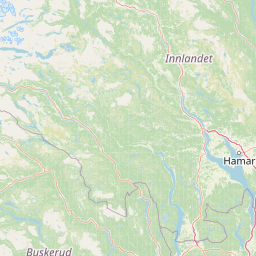
Langsua National Park is known for its extensive mountain forest ecosystems and its role in protecting Norway's inland wilderness areas. The park represents one of the larger contiguous protected landscapes in eastern Norway, connecting multiple nature reserves and landscape protection areas into a unified conservation network. It preserves the ecological character of the mountain regions in what was historically a significant expansion of Norway's national park system, extending protection to forest and mountain habitats that had previously received only fragmented conservation status.
Langsua National Park history and protected-area timeline
Langsua National Park was formally established on 11 March 2011, representing the culmination of efforts to expand conservation protection in Norway's mountain regions. The park was created as a significant extension of the existing Ormtjernkampen National Park, which was established in 1968. This expansion reflected a growing recognition of the ecological importance of mountain forest ecosystems in eastern Norway and the need for more comprehensive protection of these landscapes. The establishment of Langsua as a national park also incorporated surrounding nature reserves and landscape protection areas into a more unified conservation framework, creating a coherent protected landscape spanning multiple municipalities.
Top sights and standout views in Langsua National Park
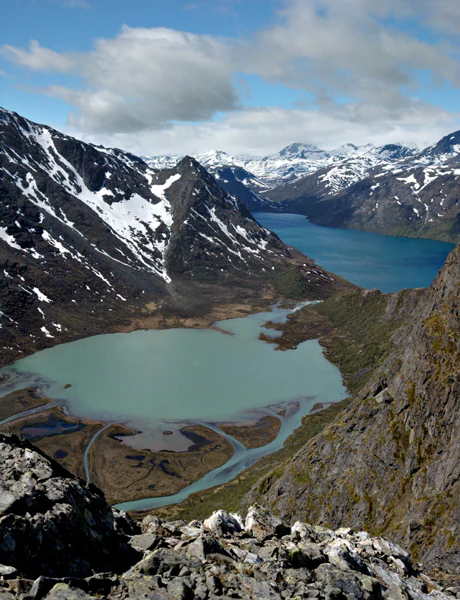
Langsua National Park represents a significant expansion of Norwegian protected-area networks in the mountain forest regions of eastern Norway. The park's creation in 2011 as an extension of the older Ormtjernkampen National Park demonstrates Norway's approach to consolidating fragmented protection into coherent national park designations. The park's location in Innlandet county places it within one of Norway's most extensive contiguous wilderness areas, where forest and mountain ecosystems remain relatively intact. The protection of this landscape supports biodiversity conservation in a region where sustainable management of mountain forests has been an ongoing priority.