Mori Atlas logo
National parkReinheimen National Park

Map the dramatic alpine terrain and vast protected boundaries of this significant Norwegian mountain ecosystem.

Reinheimen National Park: Norway's Expansive Protected Wilderness Landscape in Innlandet

(Reinheimen nasjonalpark)

Reinheimen National Park represents a significant protected landscape in central Norway, spanning 1,969 square kilometers of rugged mountain terrain. Established to preserve one of Western Norway's largest remaining wilderness areas, this national park showcases a dramatic transition from sharply pointed western peaks to gentler eastern plateaus and valleys. Its mapped geography serves as a crucial habitat for wild reindeer and other alpine wildlife, offering a clear example of intact mountain ecosystems for atlas-based exploration.

National ParksNorwayAlpine EnvironmentsMountain WildernessReindeer HabitatInnlandet

Reinheimen National Park

National park

Park overview

Structured park overview, official facts, and landscape profile for Reinheimen National Park

Reinheimen National Park park facts, protected area profile, and essential visitor context
Review the core facts for Reinheimen National Park, including designation, size, terrain, visitor scale, habitats, and operating context in one park-focused overview.

About Reinheimen National Park

Reinheimen National Park occupies a significant position in Norway's protected areas network as one of the largest and most ecologically intact wilderness areas remaining in Western Norway. The park's establishment in 2006 represented a major step in conserving the region's alpine ecosystems, which have historically been subject to pressure from logging, infrastructure development, and other human activities. The continuous protected landscape of 1,969 square kilometers creates ecological corridors that allow wildlife to move freely across the mountain terrain, maintaining genetic connections between populations that might otherwise become isolated.

The park encompasses portions of six municipalities, creating a governance structure that requires coordination among local, regional, and national authorities. The municipalities of Lesja, Skjåk, Vågå, Lom, Fjord, and Rauma all contain portions of the protected area, each bringing different local perspectives and management traditions to the park's administration. This multi-municipal character reflects the historical pattern of human settlement and land use in the region, where communities have long depended on the mountain landscape for grazing, transportation, and resources.

The park's ecological significance extends beyond its borders, serving as a keystone area for biodiversity conservation in the broader Norwegian highlands. The combination of highelevation terrain, diverse habitats, and relatively limited human disturbance has allowed ecological processes to continue with minimal interference, providing valuable reference ecosystems for understanding natural patterns in sub-Arctic alpine environments.

Quick facts and research context for Reinheimen National Park

Reinheimen National Park is located in the mountainous interior of central Norway, straddling the border between Innlandet and Møre og Romsdal counties. The park was established in 2006 and covers 1,969 square kilometers of continuous highland terrain, making it one of the larger national parks in Norway. The landscape is characterized by the Tafjordfjella mountain range and the valleys of the Ottadalen system. Multiple significant rivers including the Rauma, Istra, Lora, and Valldøla have their headwaters within the park boundaries. The park is administered by the Norwegian Directorate for Nature Management and is designated as an IUCN Category II protected area.

Park context

Deeper park guide and search-rich context for Reinheimen National Park

Reinheimen National Park history, landscape, wildlife, and travel context
Explore Reinheimen National Park through its history, landscape character, ecosystems, wildlife, conservation priorities, cultural context, and seasonal travel timing in a structured park guide built for atlas discovery and search intent.

Why Reinheimen National Park stands out

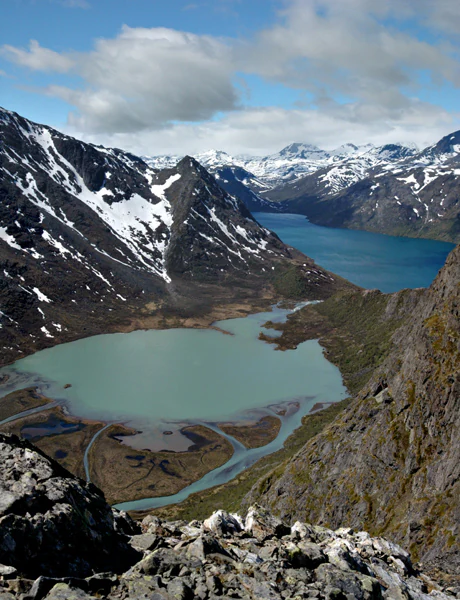
Reinheimen is especially known for its extensive, relatively intact alpine wilderness and populations of wild reindeer that inhabit the northern portions of the park. The park protects one of the few remaining continuous mountain ecosystems in Western Norway, home to species such as wolverines, golden eagles, gyr falcons, and willow ptarmigan. The dramatic contrast between the sharp, rugged peaks of the western park section and the more gentle eastern plateaus and valleys creates a distinctive visual character that distinguishes Reinheimen from other Norwegian mountain parks.
Reinheimen National Park history and protected-area timeline

Reinheimen National Park was established in 2006 through Norwegian legislation aimed at strengthening protection of the country's mountain ecosystems. The park's creation followed decades of advocacy from conservation organizations and growing recognition that the Tafjordfjella mountain region and adjacent reindeer habitats warranted formal national park status. Prior to establishment, the area had varying levels of protection under different designations, but the national park framework provided stronger legal protections and a clearer management mandate.

The establishment of Reinheimen was part of a broader expansion of Norway's national park network during the early 2000s, which also included nearby parks such as Dovrefjell-Sunndalsfjella National Park. This expansion reflected Norway's commitment to conserving representative examples of its diverse landscapes and ecosystems, with particular attention to mountain environments that had received less protection than coastal and forest ecosystems. The park's boundaries were drawn to include both the most ecologically significant portions of the mountain range and the connectivity corridors necessary to maintain viable wildlife populations.

Reinheimen National Park landscape and geographic character

The landscape of Reinheimen National Park presents a dramatic diversity of terrain shaped by glacial processes and ongoing weathering of the Scandinavian mountain range. In the western portions of the park, the terrain is characterized by sharply pointed peaks, knife-edge ridges, and steep-sided valleys carved by ancient glaciers. These dramatic landforms create a landscape of considerable visual impact, with mountains rising abruptly from valley floors and creating the classic alpine scenery that defines much of Norway's highland character. Rapidly flowing rivers descend from these high peaks, carving deep channels through the mountainous terrain.

Moving eastward through the park, the character of the landscape transitions notably to gentler slopes, extensive plateaus, and broader valleys. This eastern section maintains the high elevation characteristic of the park overall but displays a more subdued topographic expression. The rivers in this eastern portion flow more slowly through wider valley bottoms, creating different habitat conditions and visual character. The contrast between these western and eastern landscape types within a single protected area contributes significantly to Reinheimen's ecological and scenic diversity. The highest points in the park exceed 2,000 meters above sea level, placing the terrain firmly in the alpine zone where vegetation is limited to low-growing alpine species and exposed rock dominates the summits.

Reinheimen National Park ecosystems, habitats, and plant life

Reinheimen National Park protects a comprehensive example of Norwegian alpine ecosystems, encompassing the full range of habitats found in the mountain environments of central Southern Norway. The park's elevation range and varied terrain create conditions for diverse plant communities, from valley-bottom birch woodland through coniferous forest zones to alpine meadows and exposed rock communities at the highest elevations. The transition from western to eastern terrain types within the park adds ecological diversity, as the different topography supports distinct vegetation patterns and animal communities.

The park's significance as a wilderness area is reinforced by its role as habitat for species that require large, relatively undisturbed territories. The reindeer populations in the northern Ottadalen valley represent a particularly important conservation value, as these animals depend on extensive home ranges and seasonal migration routes that the park helps to protect. The continued presence of viable populations of large predators including wolverines adds to the ecological complexity of the park, creating a more complete predator-prey system than exists in many other protected areas. The variety of habitats within the park also supports diverse bird communities, with species adapted to different elevation zones and terrain types.

Reinheimen National Park wildlife and species highlights

The wildlife of Reinheimen National Park reflects the park's role as a refuge for species adapted to Norway's mountain environments. Wild reindeer are among the most significant wildlife species in the park, with populations in the northern portion of the Ottadalen valley representing remnants of the large reindeer herds that historically migrated across the Norwegian highlands. These reindeer depend on the extensive habitat within the park boundaries and the connectivity the protected area provides to adjacent lands.

The predator community includes wolverines, a species that requires large territories and remote habitat far from human settlement. Golden eagles and gyr falcons nest in the park's cliffs and open terrain, preying on ptarmigan and other mountain birds and small mammals. Willow ptarmigan, the iconic game bird of the Norwegian mountains, is resident throughout the park, maintaining populations in the willow scrub and alpine meadows that provide food and cover. Together, these species form a recognizable alpine wildlife community that represents the ecological heritage of Norway's mountain regions.

Reinheimen National Park conservation status and protection priorities

Reinheimen National Park serves as a critical conservation area for Western Norway's alpine ecosystems, protecting landscape and biodiversity values that have become increasingly rare in the region. The park's designation as an IUCN Category II protected area reflects its primary purpose of preserving natural landscapes and the ecological processes they support. As one of the largest continuous wilderness areas in Western Norway, the park provides habitat for species that require extensive territories and minimal human disturbance.

The protection of the Tafjordfjella mountain range and the reindeer habitat in Ottadalen addresses conservation priorities identified in Norwegian environmental policy, which recognizes the importance of maintaining representative examples of all major ecosystem types. The park's multi-municipal governance structure requires coordination among different stakeholders, but the national park framework provides clear authority for conservation management. Ongoing challenges include managing the interface between protected areas and surrounding lands, ensuring that wildlife populations can maintain connectivity across the landscape, and addressing the impacts of climate change on alpine ecosystems.

Reinheimen National Park cultural meaning and human context

The landscape of Reinheimen has been shaped by centuries of human use, though the harsh alpine environment has limited permanent settlement within the park boundaries themselves. The surrounding municipalities have historical connections to the mountain landscape through seasonal grazing, hunting, and transportation routes that traverse the high terrain. The valley communities of Lesja, Skjåk, Vågå, Lom, and Rauma have long histories tied to the resources of the surrounding mountains, though the specific cultural heritage values within the park boundaries are less pronounced than in some other Norwegian national parks.

The reindeer populations of the region have cultural significance as well, representing both traditional Sami herding practices and the historical presence of wild reindeer herds that were shared across traditional seasonal ranges. The relationship between wild and semi-domestic reindeer in this region reflects the complex interactions between indigenous herding traditions and wildlife management that characterize many parts of northern and central Norway.

Top sights and standout views in Reinheimen National Park

Reinheimen National Park stands out as one of the most extensive and ecologically intact wilderness areas in Western Norway, protecting a diverse alpine landscape from dramatic western peaks to gentler eastern plateaus. The park's significance is underscored by its populations of wild reindeer, wolverines, golden eagles, and gyr falcons species that depend on large, relatively undisturbed habitats. The dramatic topographical variation within a single protected area creates a remarkably diverse visitor experience, while the park's establishment in 2006 represents relatively recent recognition of the need to conserve these mountain ecosystems.

Best time to visit Reinheimen National Park

The summer months from June through September offer the most accessible conditions for visiting Reinheimen, when snow has melted from the lower trails and mountain huts are open for hikers. July and August typically provide the warmest conditions and longest days, allowing extended exploration of the high terrain. The shoulder seasons of early June and September offer fewer visitors and the possibility of experiencing the park's dramatic mountain scenery in autumn colors, though conditions can be more variable. Winter visits require specialized equipment and experience with alpine winter conditions, as the park receives substantial snowfall and temperatures remain well below freezing. The choice of season depends on visitors' experience level and interests, with summer providing the most accessible introduction to the park's landscapes.
Park location guide

Geography guide, regional context, and park location map for Reinheimen National Park

Reinheimen National Park park geography, regions, and map view in Norway
Understand where Reinheimen National Park sits in Norway through a broader geographic reading of the surrounding landscape, nearby location context, and its mapped position within the national park landscape.

How Reinheimen National Park fits into Norway

Norway, officially the Kingdom of Norway, is a Nordic country in Northern Europe located on the Scandinavian Peninsula. It encompasses mainland Norway, the Arctic islands of Svalbard and Jan Mayen, and maintains dependencies including Bouvet Island and Antarctic claims. The country has a population of about 5.6 million and is bordered by Sweden, Finland, and Russia. Norway is a unitary parliamentary constitutional monarchy with Oslo as its capital and largest city.

Wider geography shaping Reinheimen National Park in Norway

Norway occupies the western and northern portions of the Scandinavian Peninsula in Northern Europe. The country shares a long eastern border with Sweden, and borders Finland and Russia to the northeast. Norway has an extensive coastline facing the Skagerrak, North Sea, Norwegian Sea, and Barents Sea. The terrain is predominantly mountainous with numerous fjords along the coastline.

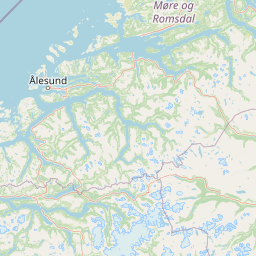
Map view of Reinheimen National Park

Use this park location map to pinpoint Reinheimen National Park in Norway, understand its exact geographic position, and read its mapped placement within the surrounding landscape more clearly.

Pigeon | © OpenStreetMap contributors

Location context for Reinheimen National Park

InnlandetMøre og Romsdal
Park atlas

Compare adjacent mountain wilderness areas and trace their connected alpine ecosystems across the Norwegian highlands.

Discover National Parks and Protected Areas Near Reinheimen National Park, Exploring Norway's Alpine Wilderness
Browse a curated selection of national parks and protected areas geographically close to Reinheimen National Park, extending your exploration of Norway's expansive mountain wilderness and reindeer habitats. Comparing these nearby protected landscapes provides crucial context on diverse alpine ecosystems and highlights interconnected conservation efforts across the Scandinavian mountain range.
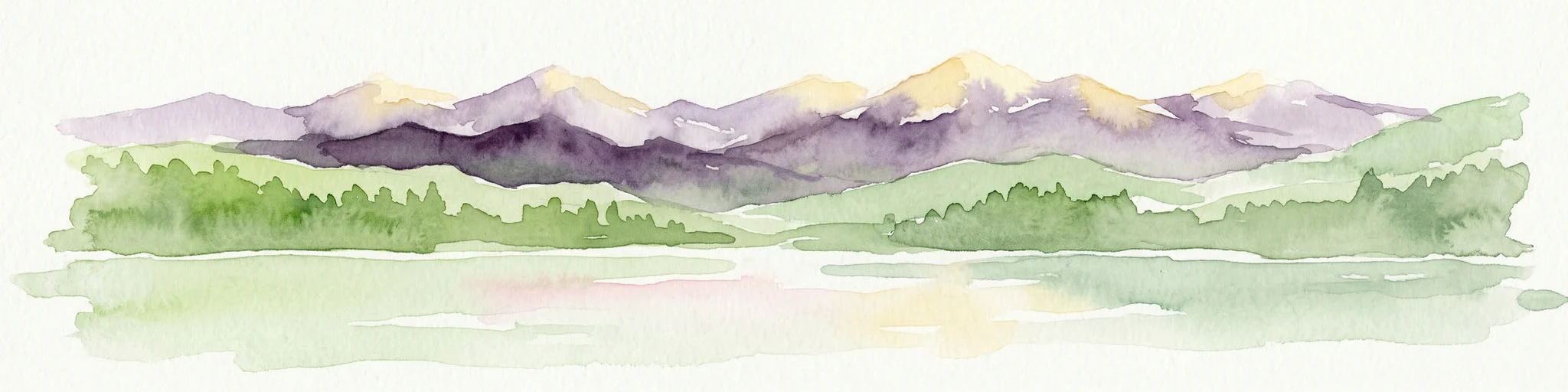
Watercolor painting showing a mountainous landscape with a waterfall, grassy fields, and wildflowers
National parkInnlandet

Dovrefjell, Sunndalsfjella National Park: Mapping Norway's Largest Alpine Protected Landscape

Explore its protected boundaries, mountain terrain, and unique ecological significance.

Dovrefjell, Sunndalsfjella National Park is a cornerstone of Norwegian protected areas, offering an expansive alpine wilderness with dramatic mountain scenery. This page details the park's geographic context, mapped landscape features, and its importance as a refuge for unique wildlife like wild reindeer and muskox. Users can investigate the park's protected boundaries and understand its role within the regional geography of Innlandet, contributing to a structured atlas of Scandinavia's natural heritage.

Area
1,693 km²
Established
2002
IUCN
II
Relief
Mountain
Watercolor illustration of a mountain range with green hills and a lake in the foreground
National park

Jotunheimen National Park: Norway's Iconic Alpine Protected Landscape and Geographic Core

Explore mapped glacial terrain and alpine geography.

Jotunheimen National Park stands as a monument to Norway's alpine grandeur, protecting over 1,151 square kilometers of spectacular mountainous terrain. This protected area is defined by its dramatic glacial features, including sharp peaks exceeding 1,900 meters, U-shaped valleys, and pristine alpine lakes, making it a significant focus for geographic exploration and mapped landscape study. Delve into the core of Norway's mountain heartland, understanding the mapped boundaries and regional geological context that shape this iconic protected landscape.

Area
1,151 km²
Established
1980
IUCN
II
Relief
Mountain
National parkInnlandet

Dovre National Park: Mapped Alpine Terrain & Protected Reindeer Habitat in Innlandet

Norway's protected mountain plateau landscape and wildlife corridor.

Dovre National Park is a significant protected area in Innlandet, Norway, characterized by its expansive alpine plateau terrain and role as a vital ecological corridor for wild reindeer. This national park offers users an atlas-level view of its mapped natural boundaries, focusing on the unique subarctic mountain landscape and its conservation importance. Understand Dovre National Park's geographic identity and its contribution to a contiguous network of protected lands.

Area
289 km²
Established
2003
IUCN
II
Relief
Mountain
National parkInnlandet

Breheimen National Park: Protected Glacial Landscapes and Mountain Terrain in Innlandet

Norway's prominent national park featuring active glaciers and alpine geography.

Breheimen National Park represents a significant protected landscape within Norway's Innlandet region, dedicated to conserving its unique glacial formations and dramatic alpine terrain. The park's vast area encompasses active glaciers, soaring peaks, and a notable diversity of natural environments, from lush valleys to barren plateaus. MoriAtlas facilitates a detailed exploration of Breheimen National Park, highlighting its mapped protected boundaries and its integral role in the regional geography and protected areas atlas.

Area
1,671 km²
Established
2009
IUCN
II
Relief
Mountain
Watercolor painting of mountain peaks with green valleys and grassy foreground
National parkInnlandet

Rondane National Park: Norway's Premier Alpine Protected Landscape and Historic National Park

Mapped glacial terrain, iconic peaks, and wild reindeer sanctuary.

As Norway's first national park, Rondane offers a profound exploration of a protected alpine environment. Situated in Innlandet county, its 963 square kilometers showcase a landscape sculpted by glaciers, featuring a striking array of ten peaks exceeding 2,000 meters. This page details Rondane National Park's distinct mapped boundaries, dramatic mountain geography, and its ecological significance as a refuge for wild reindeer, making it a cornerstone of Scandinavian natural heritage.

Area
963 km²
Established
1962
IUCN
II
Relief
Mountain
National parkVestland

Jostedalsbreen National Park: Europe's Premier Glacial Protected Landscape

Mapped terrain and protected area discovery in Vestland, Norway.

Jostedalsbreen National Park represents a unique geographic entity, safeguarding the largest glacier on the European mainland. This national park, situated in Norway's Vestland region, offers profound insights into glacial landscapes and mountain geography. Users can explore the vast ice mass that dominates the terrain, observe the U-shaped valleys carved by its movement, and understand the geological processes shaping this dynamic environment. The park's protected status highlights its importance for understanding glacial science and preserving a critical component of Norway's natural heritage.

Area
1,310 km²
Established
1991
IUCN
II
Relief
Mountain
National parkInnlandet

Langsua National Park: Protected Mountain Forests and Inland Wilderness in Innlandet, Norway

Discover mapped boundaries and regional geographic context.

Langsua National Park, a designation expanded in 2011, is a prominent protected area in Norway's Innlandet county. This national park encompasses 537.1 square kilometers of diverse mountainous terrain, characterized by extensive mountain forests and inland wilderness habitats. Its creation consolidates fragmented nature reserves into a significant contiguous protected landscape, offering valuable insight into Norway's conservation strategies and the geographic context of its eastern mountain regions.

Area
537.1 km²
Established
2011
IUCN
II
Relief
Mixed relief
National park

Forollhogna National Park: Norway's Gently Rolling Alpine Protected Landscape Atlas

Explore unique terrain and vital wild reindeer habitat in Central Norway.

MoriAtlas provides structured geographic context for Forollhogna National Park, Norway's nineteenth national park. This area is best known for its distinctively gentle, rolling alpine terrain, a contrast to other Norwegian mountain ranges, and as a critical habitat for wild reindeer. Discover the park's unique landscape character, its role as a protected area, and the ongoing cultural traditions tied to its mountain pastures, all visualized within a comprehensive atlas framework.

Area
1,062 km²
Established
2001
IUCN
II

Common questions about visiting, size, designation, and location context for Reinheimen National Park

Reinheimen National Park FAQs for park facts, access, geography, and protected area context
Find quick answers about Reinheimen National Park, including protected-area facts, park geography, trail and visitor context, and how the park fits into its surrounding country and regional landscape.
MoriAtlas Explorer

Continue Your Protected Areas Search Across the Global Atlas

Deepen your exploration by continuing the structured search for national parks and protected areas worldwide. Utilize the comprehensive filtering capabilities to compare different conservation landscapes and refine your understanding of global park geography. Discover more about the distribution and characteristics of protected natural areas.

Global natural geography