Mori Atlas logo
National parkForollhogna National Park

Discover a unique mountain terrain and vital wild reindeer habitat in Central Norway.

Forollhogna National Park: Norway's Distinctive Rolling Alpine Protected Landscape

(Forollhogna nasjonalpark)

Forollhogna National Park represents a crucial protected area within Norway's central mountainous geography. Established to preserve its characteristic gently rolling alpine terrain, this national park offers a unique landscape contrast to the country's more dramatic peaks. The park is a vital habitat for wild reindeer, supporting significant populations of this conservation-important species, and showcases a landscape shaped by centuries of traditional mountain farming, reflecting a deep cultural connection to the natural environment.

Alpine EnvironmentWild ReindeerNorwegian MountainsCultural LandscapeProtected AreaTranshumance

Forollhogna National Park

National park

Park overview

Structured park overview, official facts, and landscape profile for Forollhogna National Park

Forollhogna National Park park facts, protected area profile, and essential visitor context
Review the core facts for Forollhogna National Park, including designation, size, terrain, visitor scale, habitats, and operating context in one park-focused overview.

About Forollhogna National Park

Forollhogna National Park occupies a special place in Norway's protected areas network as an example of gentle alpine terrain that differs from the dramatic, rugged mountain landscapes more commonly associated with Scandinavian nature. The park's landscape is characterized by smooth, rounded mountain slopes that rise gradually from the surrounding valleys, creating an environment that feels accessible and welcoming rather than imposing. This terrain has shaped both the natural ecosystems and the human communities that have lived in this region for centuries. The name Forollhogna derives from Norwegian elements: 'hogn' meaning defender or protector, referring to the mountain's role as a border marker between Trøndelag and Innlandet, and 'Forollen' from the lake at the park's center. The park's establishment in 2001 reflected Norway's commitment to preserving both ecological values and cultural landscapes, and it remains an important area for understanding the relationship between human settlement and mountain ecosystems in central Norway.

Quick facts and research context for Forollhogna National Park

Forollhogna National Park is located in central Norway, straddling the border between Trøndelag and Innlandet counties. The park encompasses approximately 1,062 square kilometers of alpine terrain and was established on 21 December 2001 under the management of the Norwegian Directorate for Nature Management. The park's defining landscape feature is its gently sloping alpine mountains, often referred to as 'the gentle mountains,' which rise from fertile valleys below. The area has a long tradition of seasonal mountain farming, with summer farms still active in many villages surrounding the park.

Park context

Deeper park guide and search-rich context for Forollhogna National Park

Forollhogna National Park history, landscape, wildlife, and travel context
Explore Forollhogna National Park through its history, landscape character, ecosystems, wildlife, conservation priorities, cultural context, and seasonal travel timing in a structured park guide built for atlas discovery and search intent.

Why Forollhogna National Park stands out

Forollhogna National Park is best known for two interrelated features: its distinctive landscape of gently rolling alpine mountains and its significant population of wild reindeer. The gentle, accessible terrain distinguishes this park from many other Norwegian mountain areas, making it ecologically unique. The reindeer herds that roam the park represent an important remnant of Scandinavia's wild reindeer populations, which have declined significantly in recent decades. This combination of gentle topography, ecological importance, and ongoing agricultural traditions creates a landscape of significant cultural and natural value.
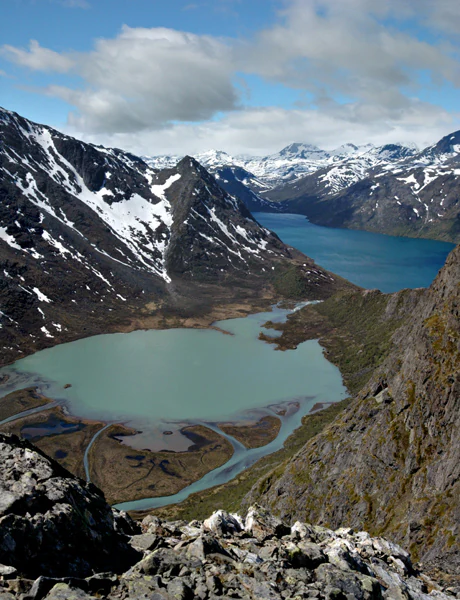
Mountainous landscape with turquoise lake, rocky terrain, snow patches on peaks, and clear blue sky
Panoramic view of Forollhogna National Park featuring a turquoise lake and snow-capped mountain peaks under a partly cloudy sky

Forollhogna National Park history and protected-area timeline

Forollhogna National Park was formally established on 21 December 2001, becoming Norway's nineteenth national park. The designation came as recognition of the area's combination of ecological significance, distinctive landscape character, and ongoing cultural traditions. The park was created through the Norwegian parliament's approval process, under the governance of what is now the Norwegian Directorate for Nature Management. The establishment followed growing recognition that the gentle mountain landscape and its associated ecosystems needed formal protection, while also acknowledging that the region's farming traditions had shaped an important cultural landscape worthy of preservation. The park's creation represented a balance between ecological conservation and recognition of the centuries-old relationship between local communities and the mountain environment.

Forollhogna National Park landscape and geographic character

The landscape of Forollhogna National Park is defined by its gently rolling alpine terrain, a characteristic that gives the area its local nickname of 'the gentle mountains.' Unlike the sharp peaks and dramatic ridges found in many Norwegian mountain regions, the terrain here consists of smooth, flowing slopes that rise gradually from the valley floors. This gentle topography creates an environment where the transition from fertile valley farmland to alpine terrain feels natural and gradual rather than abrupt. The surrounding valleys contain thriving agricultural communities whose farming traditions have shaped the cultural landscape over centuries. Summer mountain farms, some still actively used today, dot the landscape and represent a transhumance tradition that has been practiced in this region for generations.

Forollhogna National Park ecosystems, habitats, and plant life

The park encompasses extensive plant communities adapted to the alpine environment, reflecting the diversity of Norway's mountain ecosystems. The vegetation varies with elevation, from valley grasslands through shrub zones to alpine heaths and moss-lichen communities at higher elevations. The gentle terrain and relatively accessible landscape have allowed plant communities to thrive in ways that might be disrupted in more extreme mountain environments. The ecological character of the park supports a functioning alpine ecosystem that includes not only the visible plant life but also the underlying soil systems, water catchments, and microhabitats that together maintain the area's ecological integrity.

Forollhogna National Park wildlife and species highlights

Wild reindeer represent the most significant wildlife species in Forollhogna National Park, with the park serving as an important range for these iconic animals. The reindeer populations in this area are part of the broader Scandinavian wild reindeer population, which has faced significant pressures from habitat fragmentation and human activity in recent decades. The park provides crucial habitat that allows these herds to maintain their traditional migration patterns and seasonal movements. Beyond reindeer, the alpine environment supports a range of bird species adapted to open mountain terrain, as well as smaller mammals that occupy the various habitat zones within the park.

Forollhogna National Park conservation status and protection priorities

Forollhogna National Park was established specifically to protect the area's ecological values, with wild reindeer conservation being a primary motivation. The park forms part of Norway's network of protected areas that aim to preserve representative examples of the country's natural landscapes and ecosystems. The protection status helps ensure that the reindeer herds can continue their traditional patterns of movement and use across the landscape without the pressures that have reduced wild reindeer populations elsewhere in Scandinavia. Beyond the reindeer-focused conservation goals, the park also protects the broader alpine ecosystem, including plant communities and the cultural landscape that has developed through centuries of traditional farming use.

Forollhogna National Park cultural meaning and human context

The Forollhogna region has been inhabited and used by human communities for centuries, with the landscape reflecting this long relationship between people and place. The practice of transhumance—seasonal movement of livestock to mountain pastures during summer months—remains active in many of the villages surrounding the park. These summer mountain farms, some still operational today, represent a traditional land-use pattern that has shaped both the cultural landscape and the ecological character of the area. The villages within and adjacent to the park maintain connections to the land that extend back generations, creating a cultural context in which natural and cultural values are intertwined.

Top sights and standout views in Forollhogna National Park

Forollhogna National Park offers a distinctive Norwegian mountain experience characterized by accessible alpine terrain, significant wildlife viewing opportunities focused on wild reindeer, and an living cultural landscape where traditional farming practices continue. The gentle mountains provide an unusual contrast to Norway's more dramatic high peaks, creating an environment suitable for visitors seeking to experience Scandinavian alpine nature in a more welcoming setting. The combination of ecological protection, cultural preservation, and landscape character makes this park representative of Norway's approach to balancing conservation with sustainable use of mountain environments.

Best time to visit Forollhogna National Park

The summer months represent the most favorable time to experience Forollhogna National Park, when the alpine terrain is accessible and the traditional mountain farms are active. During this season, visitors can observe the ongoing agricultural traditions that shape the cultural landscape while exploring the park's trails and viewpoints. The warmer months also bring the full expression of the park's plant communities and make wildlife observation more accessible. Winter visits offer a different perspective on the landscape, though conditions are more challenging and access is more limited.
Park location guide

Geography guide, regional context, and park location map for Forollhogna National Park

Forollhogna National Park park geography, regions, and map view in Norway
Understand where Forollhogna National Park sits in Norway through a broader geographic reading of the surrounding landscape, nearby location context, and its mapped position within the national park landscape.

How Forollhogna National Park fits into Norway

Norway, officially the Kingdom of Norway, is a Nordic country in Northern Europe located on the Scandinavian Peninsula. It encompasses mainland Norway, the Arctic islands of Svalbard and Jan Mayen, and maintains dependencies including Bouvet Island and Antarctic claims. The country has a population of about 5.6 million and is bordered by Sweden, Finland, and Russia. Norway is a unitary parliamentary constitutional monarchy with Oslo as its capital and largest city.

Wider geography shaping Forollhogna National Park in Norway

Norway occupies the western and northern portions of the Scandinavian Peninsula in Northern Europe. The country shares a long eastern border with Sweden, and borders Finland and Russia to the northeast. Norway has an extensive coastline facing the Skagerrak, North Sea, Norwegian Sea, and Barents Sea. The terrain is predominantly mountainous with numerous fjords along the coastline.

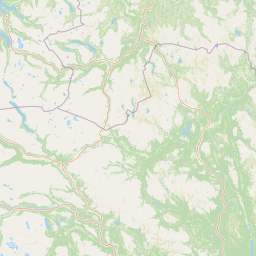
Map view of Forollhogna National Park

Use this park location map to pinpoint Forollhogna National Park in Norway, understand its exact geographic position, and read its mapped placement within the surrounding landscape more clearly.

Pigeon | © OpenStreetMap contributors

Location context for Forollhogna National Park

InnlandetTrøndelag

Explore Visuals of Norway's Distinctive Protected Area, its Gentle Mountains and Wild Reindeer Habitats

Forollhogna National Park Photos, Landscapes, and Alpine Scenery
Visually explore the defining landscapes of Forollhogna National Park, showcasing its unique gently rolling alpine terrain, expansive mountain pastures, and the natural habitats of wild reindeer. These images offer an essential perspective on the park's character, helping to understand its conservation value and distinct environment within Norway's broader protected area network.

Mountainous landscape with turquoise lake, rocky terrain, snow patches on peaks, and clear blue sky

Panoramic alpine landscape with rocky terrain and trail leading to distant mountains under clear sky

Park atlas

Trace the geographic spread of protected landscapes, comparing alpine terrain and wild reindeer habitats near Forollhogna.

Discover Nearby National Parks and Protected Areas Surrounding Forollhogna National Park
After exploring Forollhogna National Park's distinctive gentle alpine terrain, browse a curated list of nearby national parks and protected areas across Central Norway. Compare these mapped conservation landscapes to understand regional ecological connections and diverse protected geographies.
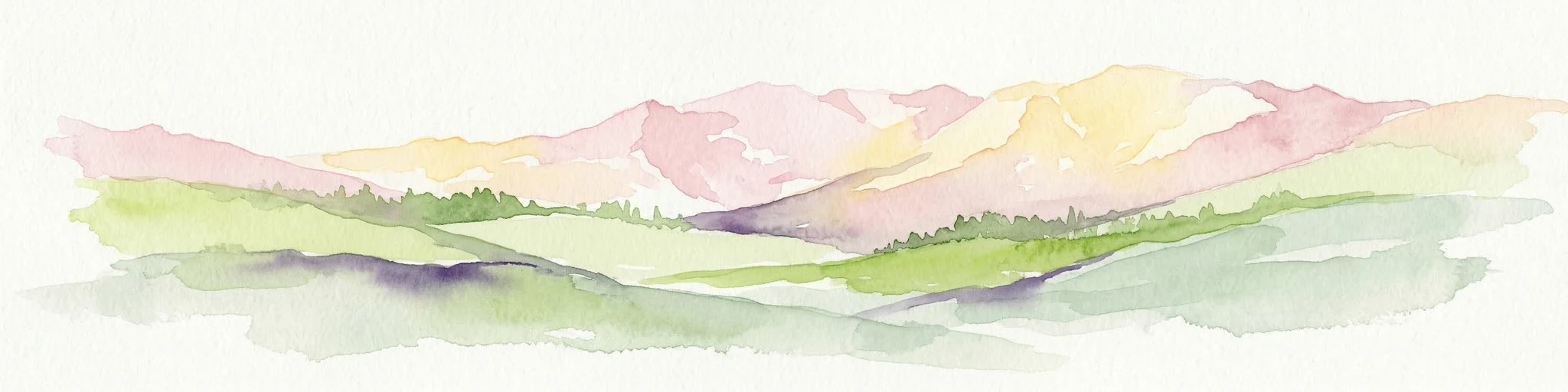
Watercolor illustration of mountains and valleys with green and purple terrain and pink-hued peaks
National parkTrøndelag

Skarvan and Roltdalen National Park: Protected Wilderness and Trøndelag Landscape Atlas

Explore extensive peatlands, alpine terrain, and regional geography.

The Skarvan and Roltdalen National Park detail page offers an atlas-driven exploration of this protected landscape in Norway's Trøndelag region. Discover its vast peatland systems, the intact Roltdalen valley, and its alpine environments. This page provides detailed geographic context and mapped features, highlighting the park's significance within the regional natural heritage.

Area
441.5 km²
Established
2004
IUCN
II
Relief
Mountain
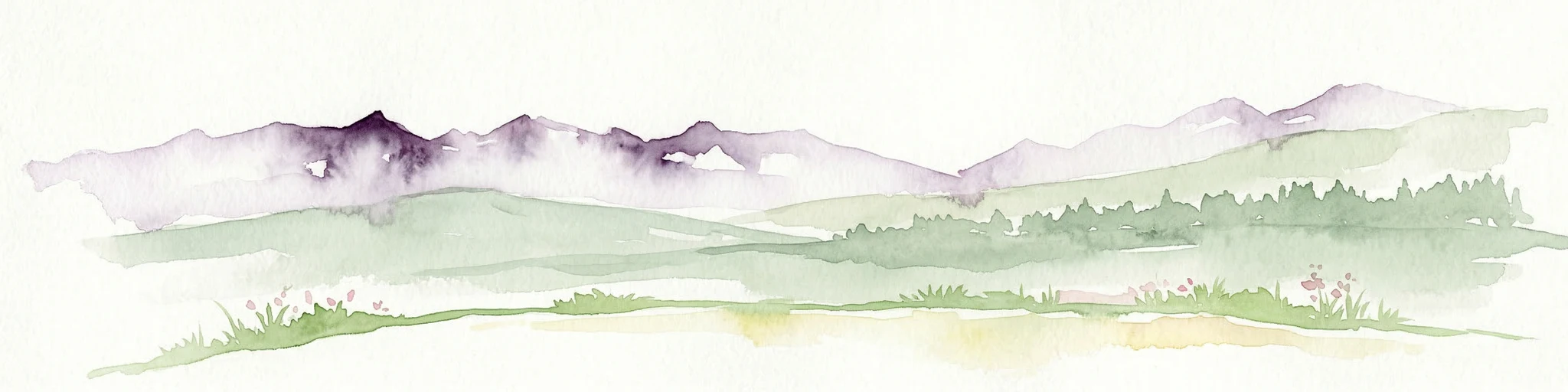
Watercolor painting showing a mountainous landscape with a waterfall, grassy fields, and wildflowers
National parkInnlandet

Dovrefjell, Sunndalsfjella National Park: Mapping Norway's Largest Alpine Protected Landscape

Explore its protected boundaries, mountain terrain, and unique ecological significance.

Dovrefjell, Sunndalsfjella National Park is a cornerstone of Norwegian protected areas, offering an expansive alpine wilderness with dramatic mountain scenery. This page details the park's geographic context, mapped landscape features, and its importance as a refuge for unique wildlife like wild reindeer and muskox. Users can investigate the park's protected boundaries and understand its role within the regional geography of Innlandet, contributing to a structured atlas of Scandinavia's natural heritage.

Area
1,693 km²
Established
2002
IUCN
II
Relief
Mountain
National parkInnlandet

Dovre National Park: Mapped Alpine Terrain & Protected Reindeer Habitat in Innlandet

Norway's protected mountain plateau landscape and wildlife corridor.

Dovre National Park is a significant protected area in Innlandet, Norway, characterized by its expansive alpine plateau terrain and role as a vital ecological corridor for wild reindeer. This national park offers users an atlas-level view of its mapped natural boundaries, focusing on the unique subarctic mountain landscape and its conservation importance. Understand Dovre National Park's geographic identity and its contribution to a contiguous network of protected lands.

Area
289 km²
Established
2003
IUCN
II
Relief
Mountain
National parkInnlandet

Femundsmarka National Park: Exploring Norway's Distinctive Wetland and Boreal Protected Landscape

Mapped boundaries and regional geography in Innlandet.

Femundsmarka National Park in Innlandet, Norway, offers a profound look into a preserved wetland wilderness characterized by vast marshlands, numerous lakes, and scattered boreal forests. As a designated national park, its ecological significance is tied to the surrounding water systems and the unique landscape stretching towards the Swedish border. This entry provides detailed geographic context, mapping information, and an understanding of its protected area status, inviting exploration of its remote boreal terrain and notable wildlife habitats.

Area
573 km²
Established
1971
IUCN
II
Relief
Mixed relief
National parkInnlandet

Gutulia National Park: Protected Southernmost Mountain Birch Forest Landscape Atlas

Explore Norway's unique subarctic forest geography and park boundaries.

Gutulia National Park stands as a key protected area within Norway's Innlandet region, distinguished by its role in preserving the country's southernmost mountain birch forest ecosystem. Covering approximately 23 square kilometers, this national park provides critical insights into subarctic forest ecology at the southern extent of its natural range. MoriAtlas enables detailed exploration of its mapped terrain and geographic context, offering a valuable resource for understanding this significant protected landscape.

Area
23 km²
Established
1968
IUCN
II
Scope
Terrestrial
National parkDalarna County

Töfsingdalen National Park: Ancient Old-Growth Forest in Rugged Terrain

Remote protected landscape within Dalarna County, Sweden.

Töfsingdalen National Park showcases a rare example of an ancient, up-to-500-year-old pine forest thriving in extremely rugged, boulder-strewn valley terrain. This protected area, located in Sweden's Dalarna County, offers a glimpse into a near-wilderness landscape shaped by glacial forces and defined by its remoteness and ecological integrity. Discover the mapped park boundaries and the unique geographic context of this remarkably untouched natural reserve.

Area
16.15 km²
Established
1930
IUCN
II
Relief
Lowland
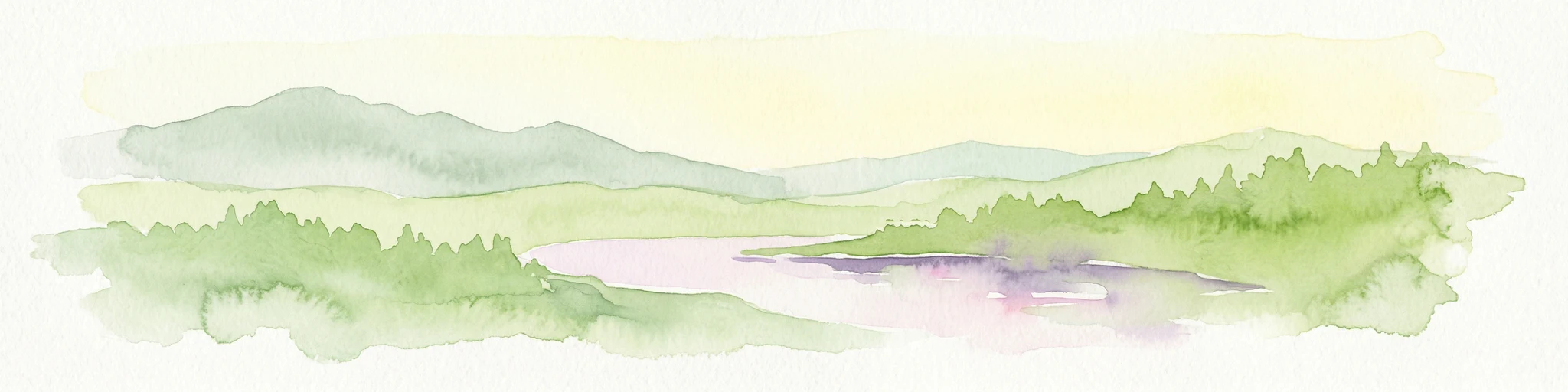
Watercolor painting of mountain peaks with green valleys and grassy foreground
National parkInnlandet

Rondane National Park: Norway's Premier Alpine Protected Landscape and Historic National Park

Mapped glacial terrain, iconic peaks, and wild reindeer sanctuary.

As Norway's first national park, Rondane offers a profound exploration of a protected alpine environment. Situated in Innlandet county, its 963 square kilometers showcase a landscape sculpted by glaciers, featuring a striking array of ten peaks exceeding 2,000 meters. This page details Rondane National Park's distinct mapped boundaries, dramatic mountain geography, and its ecological significance as a refuge for wild reindeer, making it a cornerstone of Scandinavian natural heritage.

Area
963 km²
Established
1962
IUCN
II
Relief
Mountain
National parkInnlandet

Reinheimen National Park: Norway's Vast Protected Wilderness Landscape and Alpine Geography

Map of protected boundaries and diverse mountain terrain.

Reinheimen National Park is a cornerstone of Norway's protected areas, encompassing a substantial portion of Western Norway's alpine wilderness. This national park protects a dynamic landscape characterized by dramatic western peaks and gentler eastern plateaus, providing critical habitat for wild reindeer and other wildlife. Its extensive mapped boundaries and varied natural terrain offer a rich subject for geographic discovery and atlas exploration, highlighting the ecological significance of well-preserved mountain ecosystems within Innlandet.

Area
1,969 km²
Established
2006
IUCN
II
Relief
Mountain

Common questions about visiting, size, designation, and location context for Forollhogna National Park

Forollhogna National Park FAQs for park facts, access, geography, and protected area context
Find quick answers about Forollhogna National Park, including protected-area facts, park geography, trail and visitor context, and how the park fits into its surrounding country and regional landscape.
MoriAtlas Explorer

Continue Your Protected Areas Search Across the Global Atlas

Deepen your exploration by continuing the structured search for national parks and protected areas worldwide. Utilize the comprehensive filtering capabilities to compare different conservation landscapes and refine your understanding of global park geography. Discover more about the distribution and characteristics of protected natural areas.

Global natural geography