Why Skarvan and Roltdalen National Park stands out
Skarvan and Roltdalen is best known for its extensive pristine peatland ecosystems covering over 40% of the park, and for supporting significant populations of alpine-nesting waterfowl including sea ducks such as common scoter, long-tailed duck, and greater scaup. The Roltdalen valley represents the largest roadless mountain valley in southern Trøndelag, while the Skarvan mountains form a prominent ridgeline characteristic of the region's geology. The park also maintains an extensive network of touring trails maintained by Trondhjems Turistforening, connecting to broader trail systems in the Sylan area.
Skarvan and Roltdalen National Park history and protected-area timeline
Skarvan and Roltdalen National Park was officially established in 2004 through Norwegian governmental action to protect a significant mountain and valley landscape in Trøndelag county. The creation of the park reflected a broader Norwegian commitment to preserving representative examples of the country's diverse natural landscapes, with particular attention to areas that had retained their ecological integrity despite historical human activity in the region. The park was designated under IUCN Category II as a national park, reflecting its primary conservation objectives while allowing for sustainable outdoor recreation. The governing body responsible for management is the Norwegian Directorate for Nature Management. The park's establishment followed consideration of the area's combination of natural features—including extensive peatlands and forest systems—and its cultural significance as a traditional mountain landscape in Trøndelag.
Skarvan and Roltdalen National Park landscape and geographic character
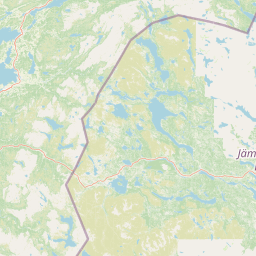
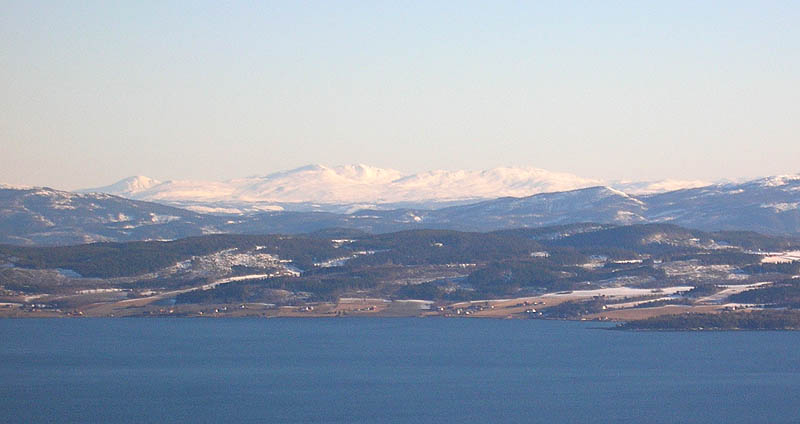
The physical landscape of Skarvan and Roltdalen National Park is characterized by a dramatic elevational gradient that shapes the park's visual and ecological character. The Skarvan mountains form a prominent ridge system stretching from Ruten in the south to Fongen in the north, creating a distinctive backdrop visible from the Trondheimsfjord area. The terrain rises from valley bottoms at lower elevations through forested slopes into alpine zones. The Roltdalen valley is particularly notable as the largest roadless mountain valley in southern Trøndelag, representing an intact valley system that has not been bisected by roads or significant infrastructure. Peatlands dominate the valley floors, with extensive blanket mires and string mires forming a complex wetland matrix that covers over 40% of the park's total area. The landscape transitions from mixed spruce-pine forests in the mellomboreal zone, typically occurring up to approximately 500 meters above sea level, into alpine heath communities above 1,000 meters elevation.
Skarvan and Roltdalen National Park ecosystems, habitats, and plant life
The ecological character of Skarvan and Roltdalen is defined by a complex mosaic of forest types, peatland systems, and alpine habitats that reflect the park's substantial elevational range. The park spans from the mellomboreal zone—Norway's low-boreal vegetation belt—through to alpine heath above 1,000 meters. Spruce forests dominate the lower slopes and valley bottoms, with pine occurring in mixed stands on drier sites. Peatland ecosystems form a defining feature, with blanket mires predominant in the valley bottoms and string mires developing along subtle topographic gradients. On drier slopes, heath communities replace wetland vegetation. The vegetation types within the park vary significantly in their sensitivity to physical disturbance, with bog and lichen heaths proving highly vulnerable to trampling, while grassland communities demonstrate greater resilience. The slow soil formation rates in alpine areas mean that damage to vegetation can require decades to recover, underscoring the importance of careful trail management and visitor infrastructure such as boardwalks on sensitive routes.
Skarvan and Roltdalen National Park wildlife and species highlights
The avian fauna of Skarvan and Roltdalen National Park has been the subject of detailed survey work, revealing a diverse bird community across the park's varied habitats. Avifaunal surveys have recorded 86 species across the park, with particular attention to waterfowl and wetland birds in the extensive peatland systems. The park supports significant breeding populations of sea ducks in its high-altitude tarns and lakes, including common scoter with an estimated 200-300 breeding pairs, long-tailed duck with 40-50 pairs, greater scaup with 15-25 pairs, and velvet scoter with 5-10 pairs. These species favor shallow, fish-free mountain lakes in the eastern alpine belt where invertebrate prey is abundant. Species such as whooper swan, black-throated loon, and Eurasian curlew score highest for sensitivity to human disturbance during the breeding season, reflecting their low tolerance for proximity to human activity at nesting sites. The park's importance as a breeding ground for these species underscores the need for spatial buffers around nesting areas and careful management of trail access.
Skarvan and Roltdalen National Park conservation status and protection priorities
Skarvan and Roltdalen National Park serves as an important conservation area for Trøndelag's mountain and peatland ecosystems, with management strategies focused on balancing visitor access with ecological protection. The extensive peatland systems, covering over 40% of the park, represent a significant conservation resource, and visitor infrastructure has been designed to minimize impacts on these sensitive wetland habitats. Raised boardwalks have been installed on key wetland trails, particularly along the route from Vekta to Prestøyan, to channel foot traffic away from vulnerable mires and lichen heaths. In alpine areas where soil formation is slow, trail alignment follows ridgelines and dry substrates to minimize trampling impacts. Conservation measures also address breeding bird protection, with spatial buffers recommended around sensitive nesting sites—typically 500 meters from raptor nests and 200 meters around waterbird colonies. Seasonal trail management helps ensure that both plant communities and ground-nesting birds can complete their breeding cycles without significant disturbance.
Skarvan and Roltdalen National Park cultural meaning and human context
The Skarvan and Roltdalen area represents a traditional mountain landscape within the Trøndelag region, where human activity has shaped and interacted with the terrain over extended periods. The park's name reflects both the Skarvan mountain range and the Roltdalen valley, linking the protected area to local toponymic traditions. The region has historically supported outdoor recreation and mountain travel, with Trondhjems Turistforening maintaining an extensive network of touring trails that connect Roltdalen to the trail network of the Nord-Trøndelag Tourist Association and extend into the Sylan area. While the park itself was established relatively recently in 2004, the landscape has long served as a destination for hiking, skiing, and other mountain activities that are deeply embedded in Norwegian outdoor culture.
Top sights and standout views in Skarvan and Roltdalen National Park
The park's most distinctive qualities include its extensive pristine peatland systems covering over 40% of the area, the Roltdalen valley as the largest roadless mountain valley in southern Trøndelag, and the significant breeding populations of alpine-nesting sea ducks. The elevational gradient from boreal forest through to alpine heath provides a compact representation of sub-Arctic ecological zones. The Skarvan mountains create a prominent visual landmark visible from the Trondheimsfjord, while the trail network maintained by Trondhjems Turistforening connects the park to broader regional trail systems. The combination of ecological integrity, representative landscape character, and established recreational infrastructure makes the park a significant conservation and outdoor recreation resource in central Norway.
Best time to visit Skarvan and Roltdalen National Park
The character of Skar and Roltdalen changes substantially with the seasons, offering different experiences throughout the year. Summer months bring the most accessible trail conditions, with the alpine areas becoming walkable and the wetland ecosystems in full seasonal display. The breeding bird season peaks in late spring and early summer, making this an optimal time for wildlife observation though visitors should respect buffer zones around sensitive nesting sites. Autumn offers the opportunity to experience the peatland landscapes in their autumn coloration and provides conditions for mushroom foraging in the forest zones. Winter transforms the park into a skiing destination, though the alpine areas require appropriate experience and equipment for winter mountain travel.