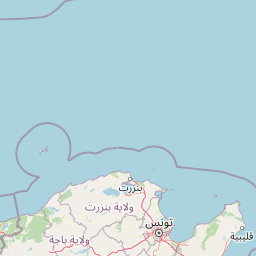
Why El Feidja National Park stands out
El Feidja is best known for its population of Barbary stag, one of the last surviving herds of this iconic deer species in North Africa. The park also stands out for its dense forest landscapes, which are increasingly rare in Tunisia, and for the presence of natural springs and small lakes that create unique wetland habitats within the mountain environment. The combination of forest protection, wildlife conservation, and archaeological remnants gives the park a distinctive character as a multi-dimensional protected area.
El Feidja National Park history and protected-area timeline
El Feidja National Park was officially established on 9 June 1990, representing a deliberate effort by the Tunisian government to protect the remaining forest ecosystems of the northwest region. The creation of the park came during a period of increased environmental awareness in Tunisia and responded to growing concerns about deforestation and habitat loss affecting species such as the Barbary stag. Since its establishment, the park has served as both a conservation area and an emerging destination for eco-tourism, offering guided tours and trekking opportunities that allow visitors to experience the park's natural environments while generating economic benefits for the surrounding region.
El Feidja National Park landscape and geographic character
The landscape of El Feidja National Park features a prominent mountain forest environment that contrasts sharply with the more arid terrain found in much of Tunisia. The park's terrain includes forested slopes rising from the lower valleys, rocky mountain ridges, and areas where natural springs emerge to form small lakes and marshy zones. The vegetation is dominated by forest species adapted to the more humid conditions of this northwestern region, creating a green corridor that stands in visual contrast to the surrounding landscapes. The water features within the park, including natural springs and seasonal lakes, add further visual and ecological diversity to the terrain.
El Feidja National Park ecosystems, habitats, and plant life
The ecological character of El Feidja is defined by its forest ecosystem, which represents one of the most significant remaining wooded areas in northern Tunisia. The park's location in the northwest receives higher rainfall than much of the country, supporting vegetation types that are uncommon in the Tunisian context. The combination of forest cover, mountain elevation zones, and wetland areas created by natural springs produces a mosaic of habitats within the park boundaries. This habitat diversity supports both plant and animal species that are characteristic of North African mountain environments, including several endemic species that are found in few other locations.
El Feidja National Park wildlife and species highlights
El Feidja National Park is notable for its population of Barbary stag, a deer species that once ranged widely across North Africa but now survives in only a few isolated populations. The park contains one of the last remaining herds of this species, making it critically important for the survival of the Barbary stag. Other notable mammals found in the park include the African golden wolf and the Barbary boar, both of which are present in the park's diverse habitats. The forest and wetland environments also support diverse bird species, contributing to the park's significance as a biodiversity refuge in the region.
El Feidja National Park conservation status and protection priorities
The park is classified as IUCN Category II, reflecting its primary designation as a national park focused on ecosystem protection and sustainable use. The protection of the Barbary stag population represents a particularly important conservation priority, as this species has been eliminated from most of its historic range. The park's forest ecosystems also serve important functions in soil protection, water cycle maintenance, and climate regulation for the surrounding region. The combination of wildlife protection, forest conservation, and sustainable tourism development positions El Feidja as a model for integrated conservation in Tunisia.
El Feidja National Park cultural meaning and human context
The area within and surrounding El Feidja National Park holds archaeological significance, with remnants of ancient civilizations found within the park boundaries. These archaeological remains provide evidence of human presence in the mountain forests of northwestern Tunisia over extended historical periods. The presence of ancient settlements and cultural artifacts adds a historical dimension to the park's value, connecting the natural landscape to the broader human history of the region.
Top sights and standout views in El Feidja National Park
The park's defining highlights include one of North Africa's last Barbary stag populations, dense forest environments that are rare in Tunisia, natural springs and lakes creating wetland habitats, mountain trails offering scenic trekking opportunities, and archaeological sites revealing ancient human presence. The combination of wildlife viewing, forest exploration, and historical discovery provides visitors with a varied experience that distinguishes El Feidja from more simply nature-focused protected areas.
Best time to visit El Feidja National Park
The optimal time to visit El Feidja National Park is during the spring and autumn months when temperatures are moderate and the forest environment is at its most pleasant for outdoor activities. Spring brings renewed vegetation and is often a good season for wildlife observation, while autumn offers comfortable conditions for trekking and exploration. The summer months can bring higher temperatures that make extensive hiking more challenging, though the forest shade provides some relief. Winter visits are possible but conditions may be cooler, and some trails may have reduced accessibility.