Why Fulufjellet National Park stands out
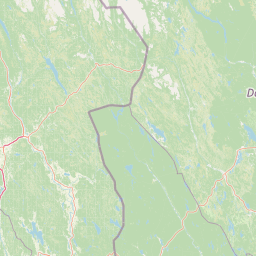
Fulufjellet National Park is known for its relatively untouched boreal forest landscapes and its role as a cross-border protected area with Sweden. The park protects one of the more intact forest regions in eastern Norway, with clean water bodies, peat bogs, and diverse forest types representing the boreal ecosystem. Its proximity to and connection with the Swedish Fulufjället National Park creates a larger transboundary conservation unit that helps protect migrating wildlife and ecological processes that cross the international boundary.
Fulufjellet National Park history and protected-area timeline
Fulufjellet National Park was established on April 24, 2012, making it one of the more recent additions to Norway's national park system. The park's creation followed a lengthy process of evaluation and advocacy by conservation organizations and local stakeholders who recognized the ecological value of this forest landscape. The establishment represented a continuation of Norway's approach of creating national parks in areas that represent the country's diverse natural environments.
Prior to national park designation, the area had been subject to varying degrees of protection and management through other designations. The process of creating the park involved coordination between Norwegian authorities and consideration of the existing Swedish protected area across the border. The formal establishment brought the area under the management framework of the Norwegian Directorate for Nature Management, which oversees Norway's national parks.
The establishment of Fulufjellet National Park contributed to Norway's international conservation commitments and helped complete the network of protected areas in the boreal forest zone of southern Norway. The park's creation was part of broader efforts to protect old-growth forests and intact natural landscapes that had become increasingly scarce in the face of historical forestry expansion in the region.
Fulufjellet National Park landscape and geographic character
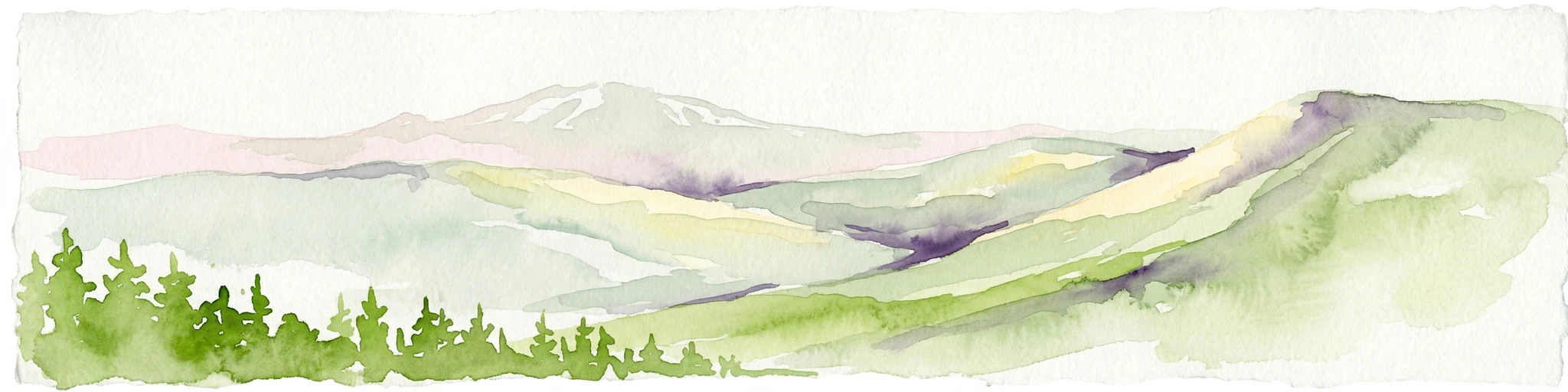
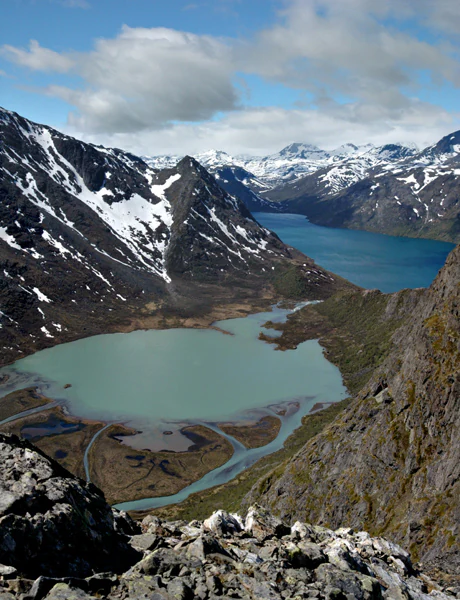
The landscape of Fulufjellet National Park is characterized by gently rolling hills typical of the boreal forest region in southeastern Norway. The terrain rises to moderate elevations without reaching the dramatic alpine peaks found in higher mountain areas of Norway. This softened topography reflects the region's position at the edge of the Scandinavian mountain range and the erosional effects of glacial activity during the last ice age.
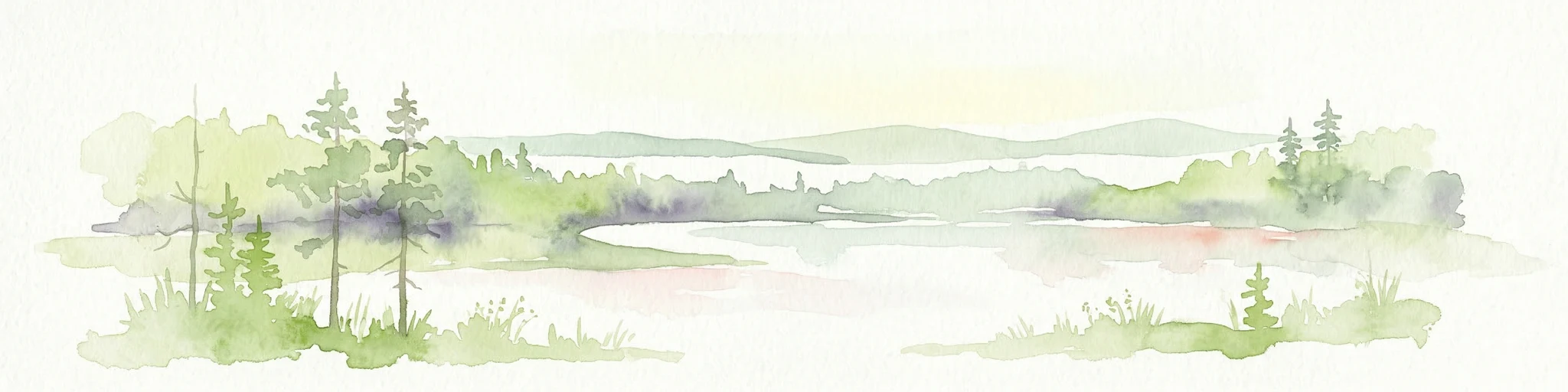
Forested hills dominate the visual character of the park, with dense conifer forest covering the majority of the terrain. The forest canopy is predominantly composed of Norway spruce in the lower and wetter areas, with Scots pine dominating ridge tops and drier sites. Between the forest stands, numerous small lakes and ponds dot the landscape, many of which formed in depressions left by glacial retreat. These water bodies range from tiny ponds to more substantial lakes of several hectares.
Peat bogs and wetlands are significant landscape features throughout the park, adding diversity to the otherwise continuous forest cover. These wetland areas often occupy the flatter terrain between hills and are characterized by sphagnum mosses, cotton grass, and stunted pine vegetation. The combination of forest, lakes, and wetlands creates a varied landscape that provides different habitats for wildlife and visual interest for visitors. The eastern parts of the park follow the international border with Sweden, maintaining the rolling forest character across the boundary.
Fulufjellet National Park ecosystems, habitats, and plant life
Fulufjellet National Park protects representative boreal forest ecosystems that are characteristic of southeastern Norway's interior landscapes. The park's vegetation reflects the southern boreal forest zone, where Norway spruce and Scots pine form the primary forest types. These conifer forests are adapted to the continental climate with cold winters and relatively warm summers that characterize this part of Scandinavia.
The forest within the park exhibits varying ages and structures, including areas of old-growth forest where trees have reached significant ages and sizes. These older forest areas are particularly valuable for biodiversity, providing dead wood habitats for fungi, invertebrates, and cavity-nesting birds. The mixture of forest age classes creates a diverse habitat structure that supports a range of species dependent on different forest conditions.
The numerous lakes and wetlands within the park add significant ecological diversity to the forested landscape. These water bodies support aquatic plants, amphibians, waterfowl, and insects. The peat bogs represent unique wetland ecosystems with specialized flora adapted to acidic, nutrient-poor conditions. The combination of forest and wetland habitats within a relatively compact protected area creates ecological richness that distinguishes Fulufjellet from more uniform forest landscapes.
Fulufjellet National Park wildlife and species highlights
The wildlife of Fulufjellet National Park reflects the boreal forest ecosystem typical of this region of Scandinavia. The mature conifer forests provide habitat for a range of bird species associated with old-growth forest, including various woodpeckers, owls, and thrushes. The dead and dying trees found in less disturbed forest areas are particularly important for cavity-nesting species that require tree hollows for breeding.
The wetland areas within the park attract waterfowl including various duck species and common snipe. These areas also support populations of amphibians such as frogs and newts that breed in the shallow, still waters of lakes and ponds. The diverse habitat structure, combining forest, wetlands, and water bodies, supports a broader range of species than would be found in more uniform terrain.
Larger mammals present in the region include moose (elk), roe deer, and occasionally red deer, which use the forest for cover and browse on vegetation. The transboundary connection with Sweden's protected area facilitates wildlife movement across the international border, allowing species to migrate and maintain genetic connectivity between populations. The forest and wetland habitats also support small mammals including various rodents and shrews that form the base of the food web for predators.
Fulufjellet National Park conservation status and protection priorities
Fulufjellet National Park was established to protect intact boreal forest ecosystems in southeastern Norway, representing a recognition that this landscape had significant ecological value warranting the highest level of national protection. The park protects clean water systems, diverse forest habitats, and the natural biodiversity that exists in this relatively unmodified landscape. The designation ensures that these ecological values will be maintained into the future.
The park's connection to Sweden's Fulufjället National Park creates a transboundary conservation unit that protects ecological processes at a landscape scale. This cross-border approach recognizes that wildlife populations and ecological systems do not respect international boundaries, and protecting connected areas together provides greater conservation benefit than isolated protected areas. The Norwegian park contributes to the broader network of protected areas in the boreal forest biome across Scandinavia.
The protection of old-growth forest elements within the park is particularly significant, as such forests have been extensively reduced by historical forestry across Norway. The park preserves ecological processes that cannot function in actively managed forest, including natural disturbance dynamics, dead wood accumulation, and the development of complex forest structures over time. This protection contributes to biodiversity conservation in a region where most forest land has been subject to commercial forestry.
Fulufjellet National Park cultural meaning and human context
Fulufjellet National Park is situated in Trysil Municipality, a region with a long history of forestry and outdoor recreation. The local landscape has been shaped by centuries of human activity, including traditional forest management and seasonal land use. Trysil is also known as a winter sports destination, with ski facilities drawing visitors to the region during the snow season.
The area's location along the Norway-Sweden border has given it historical significance as a border region, with connections to trade routes and regional interactions between the two countries. The proximity to the Swedish park creates a modern transboundary relationship focused on conservation cooperation. The park's name reflects the Norwegian spelling of the landscape feature that extends across the border, with the Swedish side using the variant "Fulufjället."
While the park itself does not contain significant cultural heritage sites, the surrounding region maintains connections to traditional outdoor life and forest culture that are part of local identity. The establishment of the national park coexists with ongoing forestry and recreation in the broader region, representing a balance between conservation and sustainable use of natural resources.
Top sights and standout views in Fulufjellet National Park
Fulufjellet National Park offers protected boreal forest landscapes in a transboundary setting with Sweden, creating one of the larger connected forest protected areas in Scandinavia. The park's network of lakes, peat bogs, and wetlands adds ecological diversity to the forest-covered terrain. Visitors to the park experience relatively pristine nature with minimal development, wandering through forests that have been protected from intensive forestry. The cross-border connection with the Swedish park demonstrates international conservation cooperation protecting shared ecological heritage.
Best time to visit Fulufjellet National Park
Fulufjellet National Park can be visited throughout the year, with each season offering a different experience of the boreal forest landscape. Summer months bring long days, green forest canopy, and active wildlife around the lakes and wetlands. The warm season is ideal for hiking and exploring the trail network within the park. Autumn brings color to the forest as the understory vegetation turns gold and red, and this season can be excellent for mushroom gathering and experiencing the changing landscape.
Winter transforms the park into a snow-covered wilderness, with the conifer forest heavy with snow and ice. This season appeals to those interested in cross-country skiing and winter trekking, though the cold temperatures require appropriate preparation. The park'snorthern latitude means winter days are short, while summer days are long, affecting the available time for outdoor activities. The shoulder seasons of spring and fall offer fewer visitors and the opportunity to experience the park in quieter conditions, though weather can be changeable.