Why Gaume Natural Park stands out
Gaume Natural Park is best known as Wallonia's largest protected area and a model for integrated regional conservation that balances natural preservation with community development. The park is recognized for its role in preserving the cultural identity of Gaume, a region that maintains distinct traditions and landscape characteristics within Belgium. It serves as a bridge between ecological protection and sustainable rural development, helping to maintain the viability of small villages and agricultural communities while safeguarding natural treasures. The park also stands out for its network of walking trails that traverse the diverse landscapes of southern Belgium.
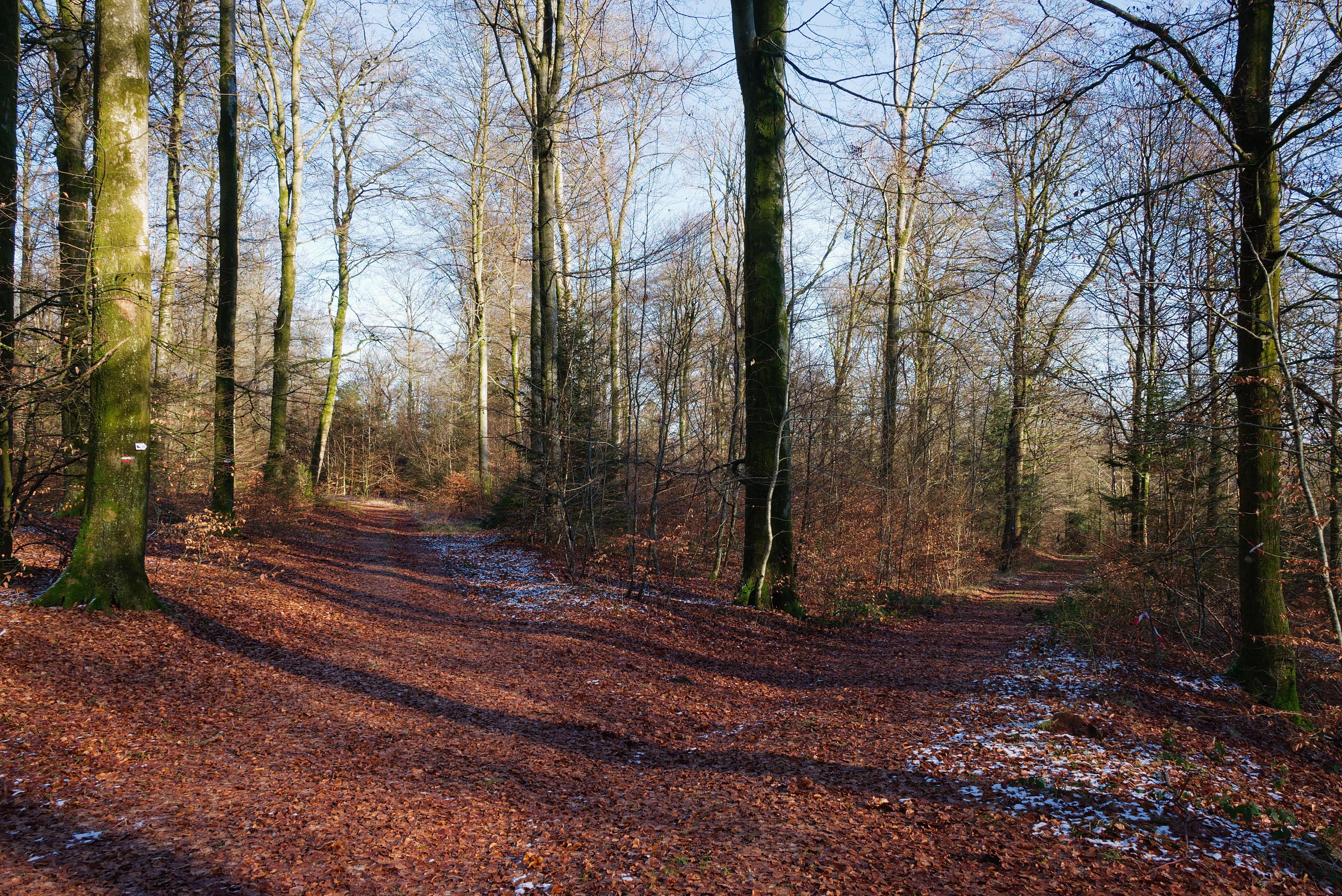
Gaume Natural Park history and protected-area timeline
Gaume Natural Park was officially created on 18 December 2014 when the Walloon government granted it the status of a natural park. The establishment followed recognition that the Gaume region possessed both significant natural assets and a distinctive cultural identity that warranted coordinated protection and promotion. The decision to designate this large territory as a natural park reflected a growing understanding in Wallonia that effective conservation required approaches that integrated ecological concerns with regional development goals. The park's formation involved collaboration among the nine municipalities that comprise its territory, each contributing to the shared vision of preserving Gaume's character while creating sustainable opportunities for local populations. This institutional framework built upon earlier regional conservation efforts while expanding the scope of protection to encompass the broader landscape character and community wellbeing of the region.
Gaume Natural Park landscape and geographic character
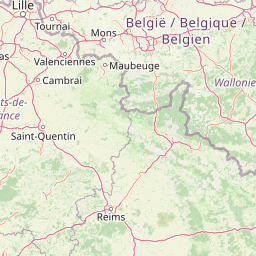
The landscape of Gaume Natural Park encompasses the rolling hills and varied terrain that characterize the southern Belgian region of Gaume. The territory sits in the Province of Luxembourg, Belgium's southernmost province, where the topography becomes more pronounced than in the northern parts of the country. The area features extensive forested zones, agricultural lands cultivated in both valleys and upland areas, and numerous small watercourses that drain the terrain. Traditional villages scattered throughout the park maintain the agricultural character of the landscape, with buildings and land use patterns that reflect centuries of rural occupation. The combination of forest cover, farmland, and settlement creates a mosaic landscape typical of rural Wallonia but with distinctive qualities that set Gaume apart from surrounding regions.
Gaume Natural Park ecosystems, habitats, and plant life
The natural character of Gaume Natural Park reflects the geographic position of Gaume at the ecological transition between different regional influences. The forests within the park contain species compositions that reflect both the Atlantic and continental influences on Belgian ecology. The varied terrain supports diverse habitats ranging from woodland to open farmland, meadows, and riparian zones along streams. The park's large area and municipal composition mean that it encompasses significant ecological diversity within a single protected framework. The conservation approach recognizes that maintaining this natural diversity depends on sustained management of the agricultural matrix that surrounds and connects the more natural areas, making the park an integrated conservation model rather than a strict preservation zone.
Gaume Natural Park conservation status and protection priorities
Gaume Natural Park represents an integrated conservation model that seeks to balance ecological protection with sustainable regional development in Wallonia. The park's conservation significance lies not only in protecting specific natural areas but in maintaining the broader landscape character and ecological processes that define Gaume. By encompassing multiple municipalities and large territories of mixed land use, the park provides a framework for coordinated conservation that extends beyond isolated protected sites. The approach emphasizes that long-term preservation of natural values depends on maintaining viable rural communities and sustainable land management practices throughout the region. This model reflects evolving understanding that effective conservation in populated European landscapes requires integrating human activities and environmental goals rather than separating them.
Gaume Natural Park cultural meaning and human context
Gaume Natural Park is deeply intertwined with the cultural identity of the Gaume region, which maintains a distinctive character within Belgium. The park's objectives explicitly include valuing the local identity, natural resources, and human heritage of this southern region. Gaume has historically maintained cultural traditions and linguistic characteristics that distinguish it from other parts of Belgium, and the park designation reflects a commitment to preserving this regional identity. The protection framework aims to support social cohesion and quality of life in the villages that comprise the park, recognizing that cultural preservation and ecological conservation are complementary goals. The park works to help young people remain in Gaume by supporting employment opportunities that utilize regional knowledge and resources, reinforcing the connection between community wellbeing and landscape stewardship.
Top sights and standout views in Gaume Natural Park
Gaume Natural Park stands as Wallonia's largest protected area and a pioneering example of integrated regional conservation in Belgium. The park's extensive trail network provides access to the distinctive landscapes of Gaume, allowing visitors to explore forests, farmland, and traditional villages. Its governance model brings together nine municipalities in a collaborative framework that addresses both conservation and development objectives. The park serves as a living landscape where ecological preservation works alongside maintained agricultural activity and community vitality. As a relatively recent establishment from 2014, it represents contemporary approaches to protected area management that recognize the interdependence of natural and cultural values in European rural landscapes.
Best time to visit Gaume Natural Park
Gaume Natural Park can be explored throughout the year, with each season offering different qualities for visitors. The spring and summer months provide ideal conditions for walking the extensive trail network, with longer daylight hours and landscapes in full vegetative growth. Autumn offers another appealing season when forest colors transform the appearance of the wooded areas. Winter, while less conducive to extensive walking, reveals the underlying structure of the landscape and the character of the villages. The park's design for year-round outdoor activity means that visitors can experience the changing character of Gaume across seasons, though the specific timing of visits may depend on whether visitors prefer active trail exploration or a more contemplative experience of the landscape.