Why Hohes Venn, Eifel Nature Park stands out
The park is best known for its extensive raised bog complexes and heathland habitats that represent some of the most intact wetland ecosystems in western Central Europe. The High Fens plateau supports one of the largest contiguous areas of peatland in Belgium and forms a critical watershed divide between the Meuse and Rhine river basins. The nature park also preserves substantial old-growth beech and oak forests on its slopes, hosting populations of rare woodland birds and specialist bog species. The transboundary character and the integration of former military training grounds into the protected area have created unusual ecological niches and wilderness corridors.
Hohes Venn, Eifel Nature Park history and protected-area timeline
The nature park was established through cooperative agreements between Belgian and German authorities recognizing the shared ecological value of the border highland region. The High Fens area had long served as a collective grazing and resource extraction landscape, with peat cutting, charcoal production, and transhumant grazing shaping the ecology for centuries. The designation of the transboundary nature park reflected growing awareness in the late twentieth century of the need to manage shared ecosystems holistically rather than through separate national frameworks. Significant additions to the protected area resulted from the transfer of former military training grounds to conservation management, creating ecological corridors that had been absent during the period of military use.
Hohes Venn, Eifel Nature Park landscape and geographic character
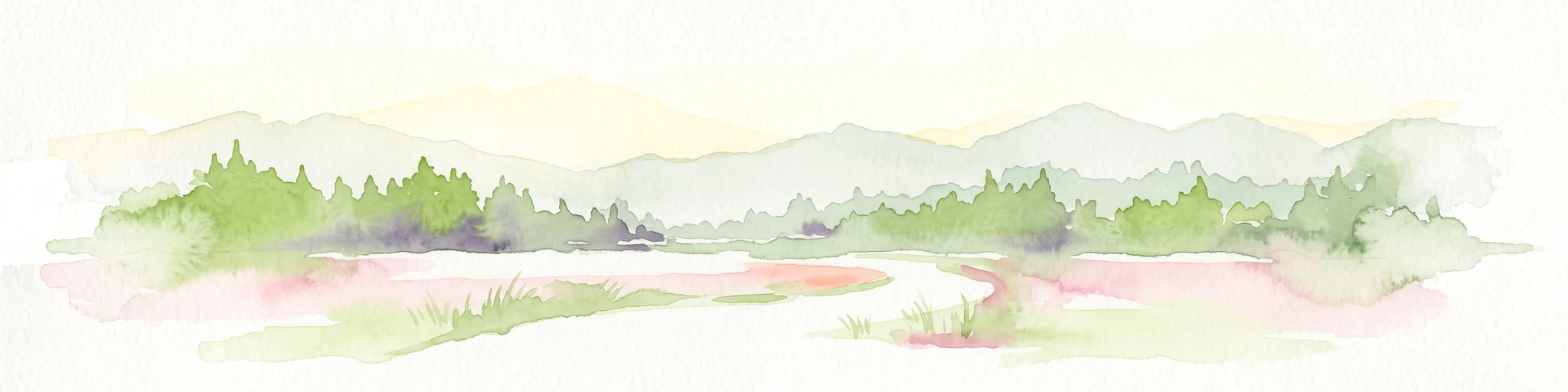
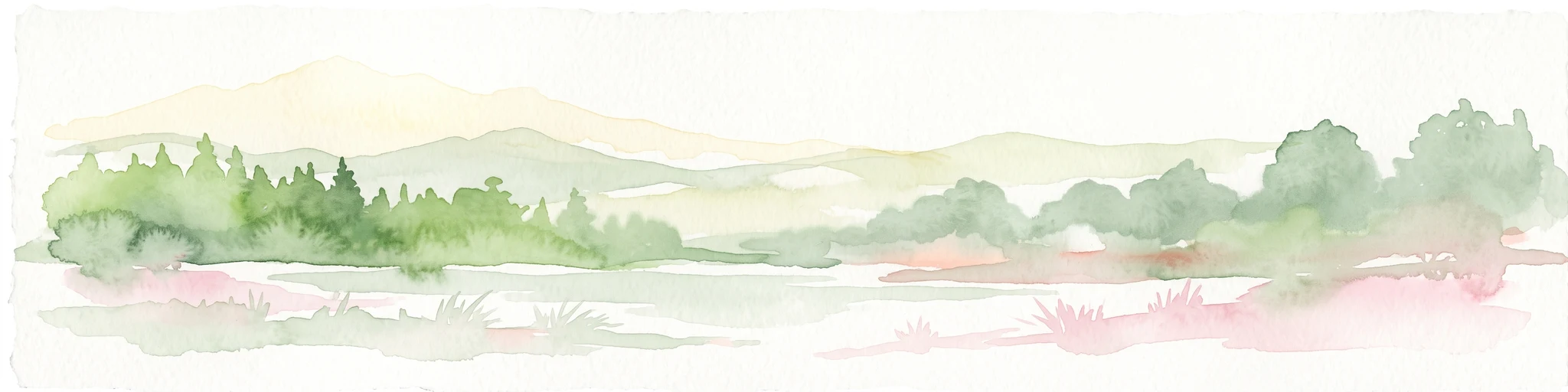
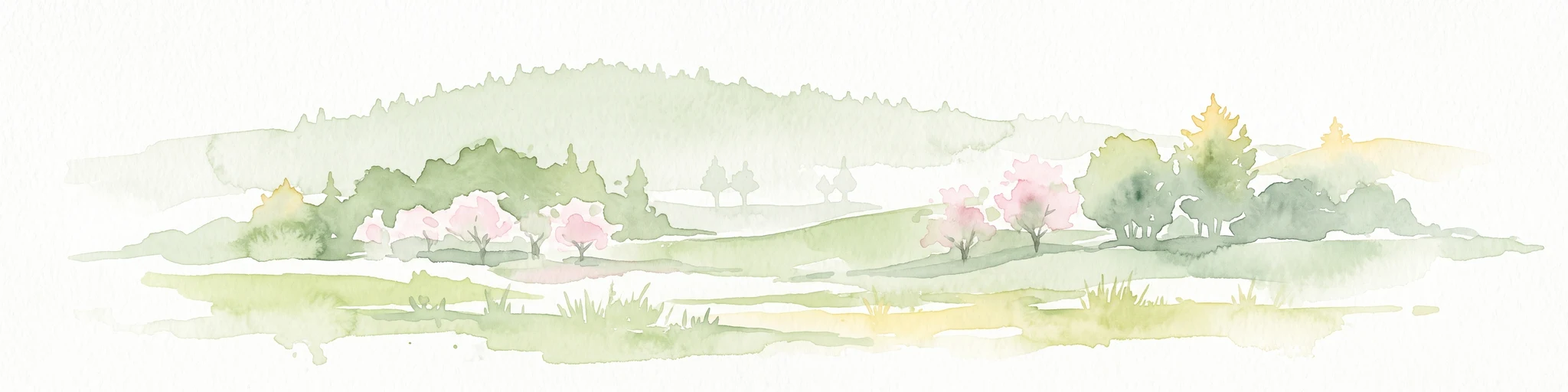
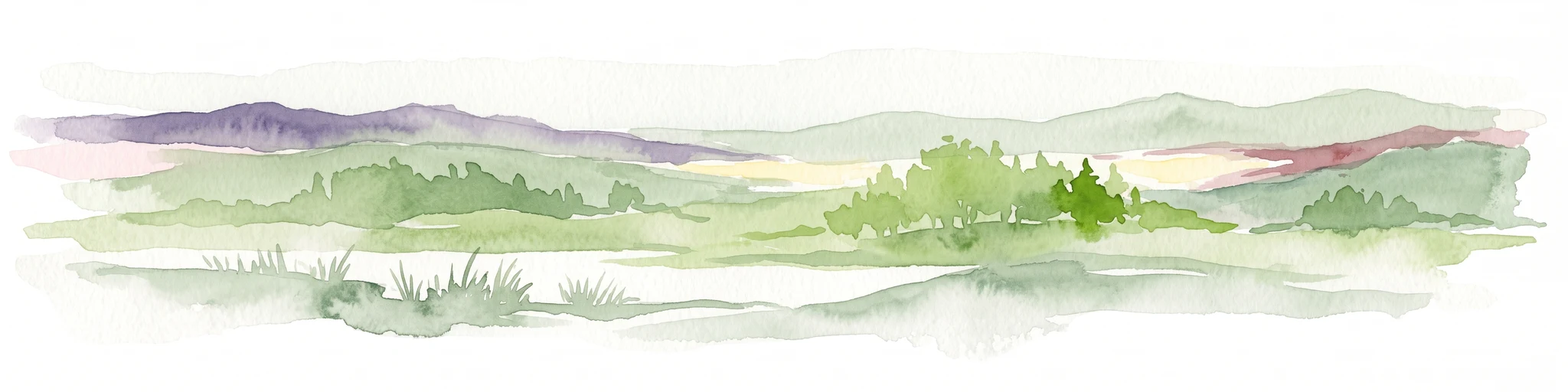
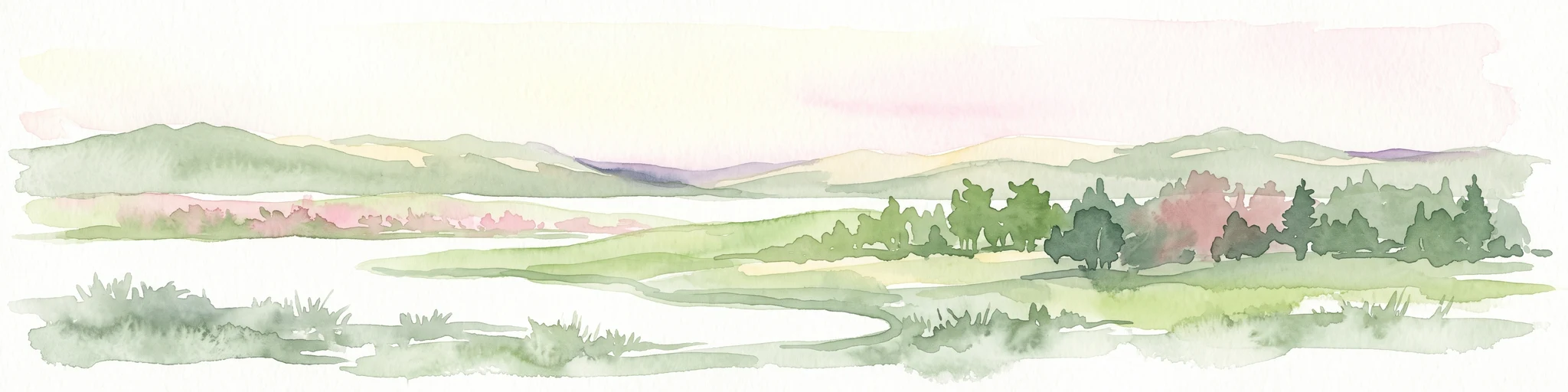
The landscape of Hohes Venn – Eifel Nature Park is defined by its highland character and the contrast between the open, windswept peat bogs of the plateau tops and the steep, forested valleys that dissect the surrounding slopes. The plateau surfaces are dominated by flat or gently undulating terrain with extensive areas of peat soil, peat cut-over sections, and heath communities. The valley sides are typically steep and forested, with streams cutting through narrow gorges before emerging into wider valley bottoms. The geomorphology reflects glacial and periglacial processes that modified the older bedrock, creating the characteristic asymmetric ridges and irregular basins that define the highland topography.
Hohes Venn, Eifel Nature Park ecosystems, habitats, and plant life
The nature park supports a complex of interlinked habitats that represent some of the most important peatland ecosystems in western Central Europe. The raised bogs of the High Fens are characterized by specialized vegetation communities including sphagnum mosses, cottongrass, cross-leaved heath, and in places, scattered dwarf pine. The surrounding heathlands add to the habitat diversity with heather, bilberry, and western gorse creating a distinctive purple-flowered tapestry in late summer. The forests, though extensively managed in the past, include remnants of old-growth beech forest on north-facing slopes and oak-birch woodlands on the drier ridges. The combination of high altitude, high precipitation, and acid soils creates conditions favoring a distinctive set of species adapted to cool, wet, oligotrophic environments.
Hohes Venn, Eifel Nature Park wildlife and species highlights
The wildlife of the park reflects its position as a relatively intact wilderness corridor in a densely populated European landscape. The peat bogs and heath support specialized bird species including the Eurasian curlew, golden plover, and in appropriate habitats, the very rare black grouse. Raptor species including buzzard, goshawk, and honey buzzard hunt over the open heath and forest edges. The streams and seeps of the valley bottoms support populations of European brook lamprey and brown trout in clean, well-oxygenated waters. The forest areas provide breeding habitat for wood warbler, pied flycatcher, and other migratory songbirds that have declined in more intensively managed landscapes. The larger mammals include red deer, roe deer, and wild boar, with occasional observations of the elusive pine marten and polecat.
Hohes Venn, Eifel Nature Park conservation status and protection priorities
The transboundary nature park designation reflects recognition that the High Fens ecosystem functions as an integrated unit regardless of the international boundary. Conservation efforts have focused on restoring degraded peat extraction areas, re-establishing natural hydrology in drained sections, and expanding the connectivity between isolated habitat patches. The high conservation value of the area has led to designation of core zones under both Belgian and German protected area frameworks, with the transboundary cooperation enabling coordinated management of populations that move across the international boundary. The peat soils store significant quantities of carbon, making the bog restoration efforts also relevant to climate change mitigation objectives.
Hohes Venn, Eifel Nature Park cultural meaning and human context
The High Fens region has historically been a peripheral borderland characterized by small-scale agriculture, peat extraction for fuel, and seasonal grazing by transhumant herders from the lower valleys. The border region saw limited permanent settlement due to the harsh climate and poor soils, but the area was crossed by ancient trade routes linking the Meuse and Rhine valleys. The establishment of the nature park has altered the relationship between local communities and the landscape, shifting from resource extraction to conservation-based tourism and ecological stewardship. The cultural heritage of the region includes traditional farmsteads, former peat-cutting settlements, and historic boundary markers that reflect the long history of the Belgian-German border in this area.
Top sights and standout views in Hohes Venn, Eifel Nature Park
The park's transboundary designation and its extensive peatland complexes make it one of the most significant conservation areas in western Central Europe. The combination of bog, heath, and old-growth forest habitats in a relatively compact area provides exceptional opportunities for ecological study and nature observation. The cooperative management framework between Belgium and Germany has enabled conservation at a landscape scale that would be impossible within a single national framework. The restoration of former military training areas has added ecological value and created wilderness corridors that enhance the overall connectivity of the protected area network in the region.
Best time to visit Hohes Venn, Eifel Nature Park
The park can be visited throughout the year, with each season offering distinct character. Late spring and early summer bring the peak flowering of heath and the best conditions for bird observation, particularly for species associated with open heath and bog habitats. Autumn offers atmospheric conditions over the peat bogs, with morning mists and the golden-brown colors of the heather and graminoids. Winter can bring significant snow to the high plateau, creating a quite different landscape character, though some trails may be difficult to access. The shoulder seasons of spring and autumn generally provide the most comfortable conditions for walking and the most reliable wildlife observation opportunities.