Why Jebel Serj National Park stands out
Jebel Serj National Park is known for its mountain landscape that rises from the central Tunisian plains, creating a protected area of notable topographic character in a region dominated by flatter semi-arid terrain. The park protects the distinctive Djebel Serj massif, which provides ecological refuge in a transitional zone between Tunisia's more vegetated north and its arid south. As a relatively new national park established in 2010, it represents Tunisia's commitment to expanding protected area coverage to include representative examples of its diverse mountain ecosystems.
Jebel Serj National Park history and protected-area timeline
Jebel Serj National Park was officially established on March 29, 2010, making it one of the younger additions to Tunisia's national park system. The creation of this protected area reflected Tunisia's ongoing efforts to expand coverage of representative ecosystems across the country. At the time of its establishment, the park covered approximately 6.64 square miles, a relatively compact territory focused on the Djebel Serj mountain formation.
The decision to protect this particular mountain area recognized the ecological and landscape value of the Djebel Serj massif within the broader context of central Tunisia's natural environment. The park was created through administrative action by the Tunisian government, with management responsibilities assigned to the Ministry of Agriculture. This institutional framework placed the park within the country's broader system of natural resource management and conservation.
Jebel Serj National Park landscape and geographic character
The landscape of Jebel Serj National Park is defined by the Djebel Serj mountain formation, which rises from the surrounding plains of central Tunisia to create a distinctive topographical feature in the region. The mountain terrain encompasses rocky slopes, steep terrain, and elevated areas that contrast sharply with the flatter agricultural and semi-natural lands extending from the park's boundaries. This mountainous character provides the park with visual and ecological identity within the broader semi-arid landscape of the Tunisian interior.
The terrain within the park includes varied topography from the mountain flanks to higher elevation areas, creating a landscape of geological and scenic interest. The rock formations and exposed surfaces of the Djebel Serj massif contribute to the visual character of the protected area, while the elevation differences create conditions that support varied plant communities across relatively short distances.
Jebel Serj National Park ecosystems, habitats, and plant life
The natural character of Jebel Serj National Park reflects its position in a transitional ecological zone between the Mediterranean-influenced north of Tunisia and the Saharan-influenced south. The mountain environment supports plant communities adapted to the semi-arid conditions of central Tunisia while benefiting from the slightly increased moisture and cooler temperatures associated with higher elevations. This combination creates habitat conditions that support biodiversity values greater than what the surrounding plains can provide.
The protected area serves as an ecological refuge for species that require the more varied conditions found in mountain terrain, including plant species that persist in the microhabitats created by the topography. The park contributes to the broader conservation network in Tunisia by protecting representative examples of mountain ecosystem types in a region where such habitats are limited in extent.
Jebel Serj National Park wildlife and species highlights
The wildlife of Jebel Serj National Park includes species adapted to the semi-arid mountain environment of central Tunisia. The protected area provides habitat for various bird species that utilize the rocky terrain and surrounding vegetation, as well as small mammals that find shelter in the varied topography. The mountain formation creates microhabitats that support different wildlife communities than those found in the surrounding plains, making the park significant for maintaining biodiversity in the region.
The rocky outcrops and varied terrain within the park offer breeding and foraging opportunities for species that require the specific conditions provided by mountain environments. While the park's size is modest, its protected status ensures that these wildlife communities are buffered from some of the pressures that affect unprotected areas in central Tunisia.
Jebel Serj National Park conservation status and protection priorities
Jebel Serj National Park represents Tunisia's conservation commitment to protecting mountain ecosystems in the country's central region. The establishment of the park in 2010 contributed to the national goal of preserving representative examples of Tunisia's diverse natural environments. The protected area safeguards the Djebel Serj mountain formation and the ecological communities it supports, ensuring that this distinctive landscape element remains protected from potentially damaging land uses.
The park's position in a transition zone between different ecological regions gives it particular conservation significance, as it protects habitats that might otherwise be lost to agricultural conversion or overgrazing. By maintaining this protected area within Tunisia's national park system, the country preserves biodiversity values and landscape character that are limited in distribution across the nation.
Jebel Serj National Park cultural meaning and human context
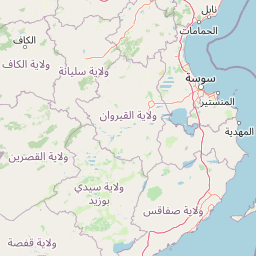
The area surrounding Jebel Serj National Park is part of central Tunisia's rural landscape, where agricultural activity and traditional land uses have shaped the environment over generations. The mountain of Djebel Serj has local significance as a prominent landscape feature visible from surrounding communities. The park's location between the Siliana and Kairouan governorates places it in a region with cultural heritage extending from both agricultural and transhumant traditions.
The local communities in the vicinity of the park maintain connections to the land through agriculture and pastoral activities that have historically shaped the surrounding landscape. The establishment of the protected area works within this cultural context, seeking to balance conservation objectives with the ongoing use of natural resources in the broader region.
Top sights and standout views in Jebel Serj National Park
Jebel Serj National Park protects a distinctive mountain landscape in central Tunisia that stands apart from the surrounding semi-arid plains. The Djebel Serj massif provides the core of the protected area, creating topographic and ecological diversity within a region where such relief is limited. The park's establishment in 2010 reflects Tunisia's continuing efforts to develop a comprehensive protected area network. As a relatively new national park, it represents ongoing conservation investment in preserving representative examples of Tunisia's natural diversity. The mountain terrain offers scenic and ecological values that distinguish this protected area within the central Tunisian landscape.
Best time to visit Jebel Serj National Park
The best time to visit Jebel Serj National Park would typically be during the cooler months from late autumn through early spring, when temperatures in central Tunisia are more moderate for outdoor exploration. The summer months can bring very hot conditions in this semi-arid region, making visits less comfortable and potentially limiting wildlife activity. Winter may offer pleasant day temperatures though nights can be cold at higher elevations within the park.