Why John Forrest National Park stands out
John Forrest National Park is best known as the first national park in Western Australia and for its accessible jarrah forest landscapes on the Darling Scarp. The park features prominent waterfalls including National Park Falls and Hovea Falls, which are defining scenic features of the area. The heritage railway infrastructure, particularly the Swan View Tunnel, represents a unique historical dimension that distinguishes this park from other Western Australian protected areas. The combination of natural forest, rocky escarpment scenery, and historical railway heritage creates a park with multiple layers of appeal for visitors interested in both nature and history.
John Forrest National Park history and protected-area timeline
The land that now comprises John Forrest National Park was first reserved for conservation and recreation as early as 1898, two years before it was officially proclaimed as Greenmount National Park in November 1900. The name remained somewhat ambiguous in the early decades, with the area frequently simply referred to as National Park through the 1930s. The current name honoring Sir John Forrest was not adopted until 1947, commemorating the first Premier of Western Australia who was instrumental in the early governance and development of the state. The park was bisected during the 1890s by the Eastern Railway, with the line passing through what became known as the National Park railway line. The Swan View Tunnel was constructed as part of this railway alignment, and the line remained operational until 1966 when the route through the park was closed in favor of the new Avon Valley line. During the Great Depression of the 1930s, relief employment programs funded the construction of various infrastructure features near the main park buildings, several of which have since been restored. The railway station at National Park was built in 1936, replacing Hovea as the nearest stop, and the area became a popular excursion destination for Perth residents during the railway's operational years. After the railway ceased functioning, the formation was converted to the Railway Reserves Heritage Trail, with the section through the park now known as the John Forrest Heritage Trail.
John Forrest National Park landscape and geographic character
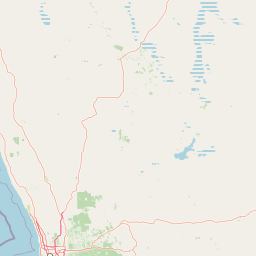
The park occupies the western slopes of the Darling Scarp, a major geological feature that rises approximately 300 meters above the Swan Coastal Plain. The terrain is characterized by rolling hills covered in jarrah-marri forest, interspersed with granite outcrops and laterite ridges. The park's waterways flow westward toward the coastal plain, creating several seasonal waterfalls that are most impressive during the winter months from May to September. National Park Falls and Hovea Falls are the most prominent waterfall features, dropping over the granite cliffs of the scarp. The park contains several creek systems including Christmas Tree Creek and Jane Brook, which drain the forested catchment and contribute to the scenic water features. The western boundary offers panoramic views across the Perth metropolitan region, while the higher eastern sections of the park provide views toward the Avon Valley and the interior Wheatbelt. The combination of forest canopy, rocky exposed granite, and water features creates a distinctive landscape that is recognizably Western Australian jarrah forest.
John Forrest National Park ecosystems, habitats, and plant life
John Forrest National Park protects one of the last remaining substantial areas of jarrah forest in close proximity to the Perth metropolitan area. The dominant tree species is jarrah (Eucalyptus marginata), a iconic Western Australian hardwood that once covered extensive areas of the state's southwest. Marri (Corymbia calophylla) is a common associate species, and the understory contains a diverse array of native shrubs and grasses adapted to the nutrient-poor laterite soils. The park's flora is particularly notable for its wildflower display during the spring months, with various species of banksia, grevillea, and grass-trees producing цветущие displays along the forest tracks and roads. The park's location on the Darling Scarp places it at an ecological transition zone, with elements from both the southwest forest region and the more arid Wheatbelt to the east. The seasonal waterways and forest structure provide habitat for a range of native species, though the park has experienced significant environmental pressures from drought, disease, and introduced species.
John Forrest National Park wildlife and species highlights
The park supports populations of larger marsupials including Western Grey Kangaroos that are commonly observed grazing in open areas, particularly during dusk and dawn. However, smaller marsupial populations have suffered significant decline due to predation by introduced foxes, feral cats, and domestic dogs. The jarrah forest environment provides habitat for various bird species including cockatoos, parrots, and honeyeaters that are characteristic of the southwest Australian forests. The waterways and creek lines attract waterbirds and provide drinking habitat for forest-dwelling species. The park's location along the Darling Scarp places it within a migration corridor for some bird species moving between the coast and interior regions. The granite outcrops and hollows provide shelter for reptiles and small mammals, though comprehensive species surveys are not prominently featured in available documentation.
John Forrest National Park conservation status and protection priorities
John Forrest National Park represents the oldest protected area in Western Australia and serves as a living reminder of early conservation efforts in the state. The park protects significant jarrah forest ecosystem that has been impacted by several environmental challenges including drought stress and Phytophthora cinnamomi dieback, a soil-borne pathogen that affects native plants. Introduced species including foxes, feral cats, and dogs pose ongoing threats to native wildlife, particularly smaller marsupials. Weed invasion at park boundaries threatens the integrity of native vegetation communities. The park experienced significant bushfire damage in the 1990s and early 2000s, with a deliberately lit fire in November 2010 affecting substantial areas including part of the Eagle's View trail. Management efforts focus on maintaining visitor access, protecting key natural and cultural values, and addressing the various environmental pressures through targeted intervention where feasible. The park is managed by the Department of Biodiversity, Conservation and Attractions and is listed on the Western Australia Heritage Register, acknowledging its combined natural and cultural significance.
John Forrest National Park cultural meaning and human context
The park contains significant cultural heritage value beyond its natural features. The former Eastern Railway alignment, particularly the Swan View Tunnel, represents important colonial-era infrastructure development and the historical relationship between Western Australia and railway transportation. The John Forrest Heritage Trail now follows the former railway corridor, allowing visitors to walk or cycle through the tunnel and along the old formation. The park was a popular excursion destination for Perth residents during the railway era from the 1890s through the 1960s, with the National Park railway station providing access to the natural environment. The John Forrest Tavern, opened in 1978 within the park, served as a landmark venue for community events and gatherings until its closure in 2022. The park's establishment as the first national park in Western Australia reflects early recognition of the need to protect natural landscapes for public enjoyment and future generations.
Top sights and standout views in John Forrest National Park
John Forrest National Park combines natural scenery, historical heritage, and accessibility in a package unique among Western Australian protected areas. The waterfalls, particularly National Park Falls and Hovea Falls, offer dramatic scenery during the wet season and represent the park's most photographed features. The Swan View Tunnel provides a tangible connection to the region's railway history and offers a distinctive walking experience through the 300-meter-long tunnel. The panoramic views from the western edge of the park across the Perth metropolitan area provide a striking contrast between the urban and natural environments. The extensive network of walking trails, ranging from short family-friendly loops to longer challenging traverses, allows visitors to experience the jarrah forest at various intensities. The wildflower display during spring transforms the forest understory with color and represents a seasonal attraction for nature enthusiasts.
Best time to visit John Forrest National Park
The park can be visited year-round, though certain seasons offer distinctly different experiences. Winter and early spring from May through October typically provide the most impressive waterfall displays as seasonal rainfall fills the creeks and streams that feed the falls. Spring also brings the wildflower season, with the jarrah forest understory producing a varied display of native flowers including banksias, grevilleas, and orchids. Summer and autumn offer warmer conditions suitable for walking, though some trails may be closed during high fire danger periods, particularly from December through March. The cooler months from May to August provide comfortable temperatures for longer walks, though rainfall can make some tracks slippery. Kangaroos are most easily observed during the early morning and late afternoon hours regardless of season, and the park's proximity to Perth makes it suitable for day visits throughout the year.