Why Kaeng Tana National Park stands out
Kaeng Tana National Park is best known for its dramatic riverine landscape featuring the largest rapids on the Mun River and the prominent Don Tana island. The rapids contain a massive sandstone boulder that divides the river into two streams, a striking geological feature visible to visitors. The park also preserves significant archaeological remains, including a stone inscription and Lingam base from the 7th-8th century now housed in the Ubon Ratchathani National Museum. The combination of river scenery, riparian forest habitats, and cultural heritage makes this park distinctive among Thailand's northeastern protected areas.
Kaeng Tana National Park history and protected-area timeline
Kaeng Tana National Park was officially established on 13 July 1981, making it one of the later additions to Thailand's national park system during the expansion of protected areas in the latter half of the twentieth century. The establishment of the park reflected growing recognition of the ecological and scenic value of Thailand's northeastern river landscapes. Prior to formal protection, the area around the Kaeng Tana rapids and Don Tana had long served as a navigation point and fishing ground for local communities. Archaeological discoveries within the park boundaries, particularly the stone inscription and Lingam base from the 7th-8th century found at Tham Phra cave, indicate that the area held cultural and spiritual significance for earlier civilizations. The Thai name "Tana" is believed to derive from "Mana" in local usage, reflecting the historical perception of the rapids as dangerous. The park's management falls under the jurisdiction of Thailand's National Park, Wildlife and Plant Conservation Department, which administers protected areas throughout the kingdom.
Kaeng Tana National Park landscape and geographic character
The terrain of Kaeng Tana National Park consists primarily of highland and plateau landscapes with undulating hills. The elevation ranges from approximately 200 meters in the valley areas to 543 meters at Ban Tad peak, the highest point within the park. The Mun River bisects the protected area, creating the distinctive Kaeng Tana rapids, which represent the largest rapid system on the river. At the center of the rapids, a massive sandstone boulder splits the river into two distinct channels. The Don Tana island rises in the middle of the river, measuring approximately 450 meters in width and 700 meters in length. The park's terrain also includes cliff formations along the Mun River, particularly along the Namtok Rak Sai Nature Trail, where visitors can observe various geological features. The landscape supports a mosaic of forest types, with deciduous forest dominating the upland areas and dry evergreen forest concentrated along stream corridors and in the Don Tana area.
Kaeng Tana National Park ecosystems, habitats, and plant life
Kaeng Tana National Park protects important forest ecosystems typical of northeastern Thailand'sxeric landscape. The predominant forest type is deciduous dipterocarp forest, characterized by species such as Shorea obtusa, Shorea siamensis, and Dipterocarpus obtusifollus, which dominate the drier upland areas. This forest type covers approximately 84 percent of the park's total area. Dry evergreen forest occurs in more restricted locations, particularly along major streams and around the Don Tana area, where moisture conditions support species like Eugenia cumini, Pterocarpus macrocarpus, and Xylia kerrii. The park also contains areas of grassland and bamboo growth. The river systems support distinctive riparian habitats, with the confluence of the Mun and Mekong Rivers creating productive aquatic environments. The park sits within Thailand's monsoon climate zone, experiencing three distinct seasons: a warm season from February to May, a cool dry season from October to January, and a rainy season from June to September. Average temperatures range from 18-22 degrees Celsius in the cool season to 30-35 degrees during the warm period.
Kaeng Tana National Park wildlife and species highlights
The wildlife community of Kaeng Tana National Park reflects the diverse habitats provided by its forest and riverine environments. Mammal species present in the park include wild pigs, barking deer, various civet species, macaques, and gibbons. The eastern portions of the park, particularly around the Ban Tad mountain range, support populations of larger mammals including deer, wild boars, and small carnivores. The avian fauna is notably diverse, with surveys documenting 48 bird species within the park boundaries. Notable bird species include the red-backed hawk, great barbet, brown hawk-owl, swallows, warblers, flycatchers, and sunbirds. The river systems are exceptionally rich in fish biodiversity, with 139 fish species recorded across 23 families. The fish community includes representatives of the carp family (68 species), catfish families, and specialized species such as the Mekong pangasiid and other locally endemic forms. Reptiles including monitors, geckoes, pythons, and cobras are also present in the park.
Kaeng Tana National Park conservation status and protection priorities
Kaeng Tana National Park represents an important protected area for the conservation of northeastern Thailand's deciduous forest ecosystems and riverine biodiversity. As an IUCN Category II protected area, the park is managed primarily for ecosystem conservation while allowing for sustainable recreation and environmental education. The park protects significant populations of fish species in the Mun and Mekong River systems, which are vital for maintaining genetic diversity and supporting local fishing communities. The riparian forests along the river corridors serve as important corridors for wildlife movement and provide habitat for species dependent on water resources. The archaeological resources, including the 7th-8th century stone inscription, add cultural heritage value to the park's conservation mandate. Management focuses on balancing visitor access with habitat protection, particularly around the sensitive rapids and island ecosystems.
Kaeng Tana National Park cultural meaning and human context
The area surrounding Kaeng Tana National Park holds significance in local tradition and historical memory. The name "Tana" derives from "Mana," reflecting the historical perception of the rapids as dangerous waters where travelers and fishermen frequently met with accidents. The park area has been associated with traditional riverine activities including fishing and navigation along the Mun River, which has served as a transportation corridor between Thailand and Laos. Archaeological discoveries at Tham Phra cave, including a stone inscription and Lingam base from the 7th-8th century, indicate that the area held religious and spiritual significance for earlier Khmer-influenced civilizations. These artifacts are now preserved in the Ubon Ratchathani National Museum. The local communities in Khong Chiam and Sirindhorn Districts maintain connections to the landscape through traditional land use practices and ongoing cultural associations with the river.
Top sights and standout views in Kaeng Tana National Park
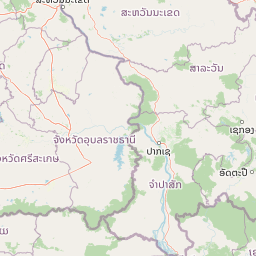
Kaeng Tana National Park offers several distinctive attractions that set it apart among Thailand's protected areas. The Kaeng Tana rapids represent the largest rapid system on the Mun River, with a massive sandstone boulder dividing the flow into two channels and creating a dramatic natural feature. Don Tana island in the middle of the river provides a unique island landscape within a major river system. The Namtok Rak Sai Nature Trail follows the cliff line along the Mun River for one kilometer, passing through lush vegetation including lichens, mosses, and ferns. The Tham Phra archaeological site contains evidence of ancient religious use dating to the 7th-8th century. Namtok Tat Ton waterfall provides another natural attraction accessible from Highway 2173. The park's location at the confluence of the Mun and Mekong Rivers positions it at an important ecological and geographical junction.
Best time to visit Kaeng Tana National Park
The optimal time to visit Kaeng Tana National Park is during the late rainy season, from approximately September to November, when weather conditions are most comfortable for outdoor exploration. During this period, temperatures range from 25 to 30 degrees Celsius, and the rainfall creates lush vegetation throughout the park. The landscapes are refreshed by seasonal rains, and many plant species come into flower, enhancing the scenic appeal of trails and viewpoints. The cool season from October through January offers pleasant temperatures between 18 and 22 degrees Celsius, though conditions are drier. The warm season from February to May can bring temperatures up to 35 degrees, which may limit outdoor activities. The rainy season from June to September brings frequent downpours but also ensures the waterfalls are flowing at their fullest.