
Mori Atlas logo
National parkKazdağı National Park

Discover the mapped geography and diverse terrain of this significant national park in Turkey's Aegean region.

Kazdağı National Park: Turkey's Premier Protected Mountain Landscape and Ecosystem Atlas

Kazdağı National Park represents a vital protected landscape within Turkey's Aegean region, centered around the prominent Mount Ida. This national park protects a rich tapestry of diverse ecosystems, from dense subalpine forests climbing its slopes to exposed rocky terrain and alpine meadows near its summit. As a key watershed area and habitat, Kazdağı National Park's mapped boundaries encompass a significant mountain ecosystem, offering a clear point of reference for understanding the natural geography and protected land distribution in western Turkey.

National ParkMountain Protected AreaForest EcosystemAlpine EnvironmentTurkeyAegean Region

Kazdağı National Park

National park

Park overview

Structured park overview, official facts, and landscape profile for Kazdağı National Park

Kazdağı National Park park facts, protected area profile, and essential visitor context
Review the core facts for Kazdağı National Park, including designation, size, terrain, visitor scale, habitats, and operating context in one park-focused overview.

About Kazdağı National Park

Kazdağı National Park protects the eponymous Mount Ida, a major mountain mass in western Turkey that rises prominently above the surrounding Aegean landscape. The protected area encompasses the mountain's upper slopes, summit areas, and the transitional forest zones that blanket its lower reaches. This mountain has long served as a landmark for the region, visible from the Aegean coast and serving as a natural boundary between the inland plateau and the coastal lowlands. The park's establishment reflects Turkey's commitment to preserving its significant mountain ecosystems and the biodiversity they support. The area provides important ecological services beyond conservation, including watershed protection and soil stabilization on the steep mountain slopes.

Quick facts and research context for Kazdağı National Park

Kazdağı National Park is situated in western Turkey's Balıkesir Province, protecting the iconic Mount Ida peak and its surrounding slopes. The park encompasses both subalpine forest zones and higher-elevation alpine terrain, creating a vertically diverse ecosystem. It serves as a critical watershed for the region, feeding streams and rivers that support surrounding agricultural lands. The area's conservation status reflects its importance as one of the remaining relatively intact mountain forest ecosystems in the Aegean region.

Park context

Deeper park guide and search-rich context for Kazdağı National Park

Kazdağı National Park history, landscape, wildlife, and travel context
Explore Kazdağı National Park through its history, landscape character, ecosystems, wildlife, conservation priorities, cultural context, and seasonal travel timing in a structured park guide built for atlas discovery and search intent.

Why Kazdağı National Park stands out

Kazdağı is best known for its impressive mountain landscape, where dense forests give way to rocky alpine summits and panoramic vistas across the Aegean region. The park protects one of Turkey's most significant subalpine forest ecosystems, with diverse conifer and deciduous species. Its elevation gradient creates distinct ecological zones, from valley forests to open alpine meadows. The mountain also holds historical significance as the classical Mount Ida, mentioned in ancient Greek mythology and literature.
Kazdağı National Park history and protected-area timeline

The establishment of Kazdağı National Park reflects Turkey's broader efforts in the latter half of the twentieth century to designate and protect representative natural areas across the country. The park was formally established to safeguard the mountain's distinctive ecosystems and landscapes from development pressures and unsustainable resource use. Prior to national park designation, the area had already received various forms of protective recognition due to its ecological significance and cultural importance.

Kazdağı National Park landscape and geographic character

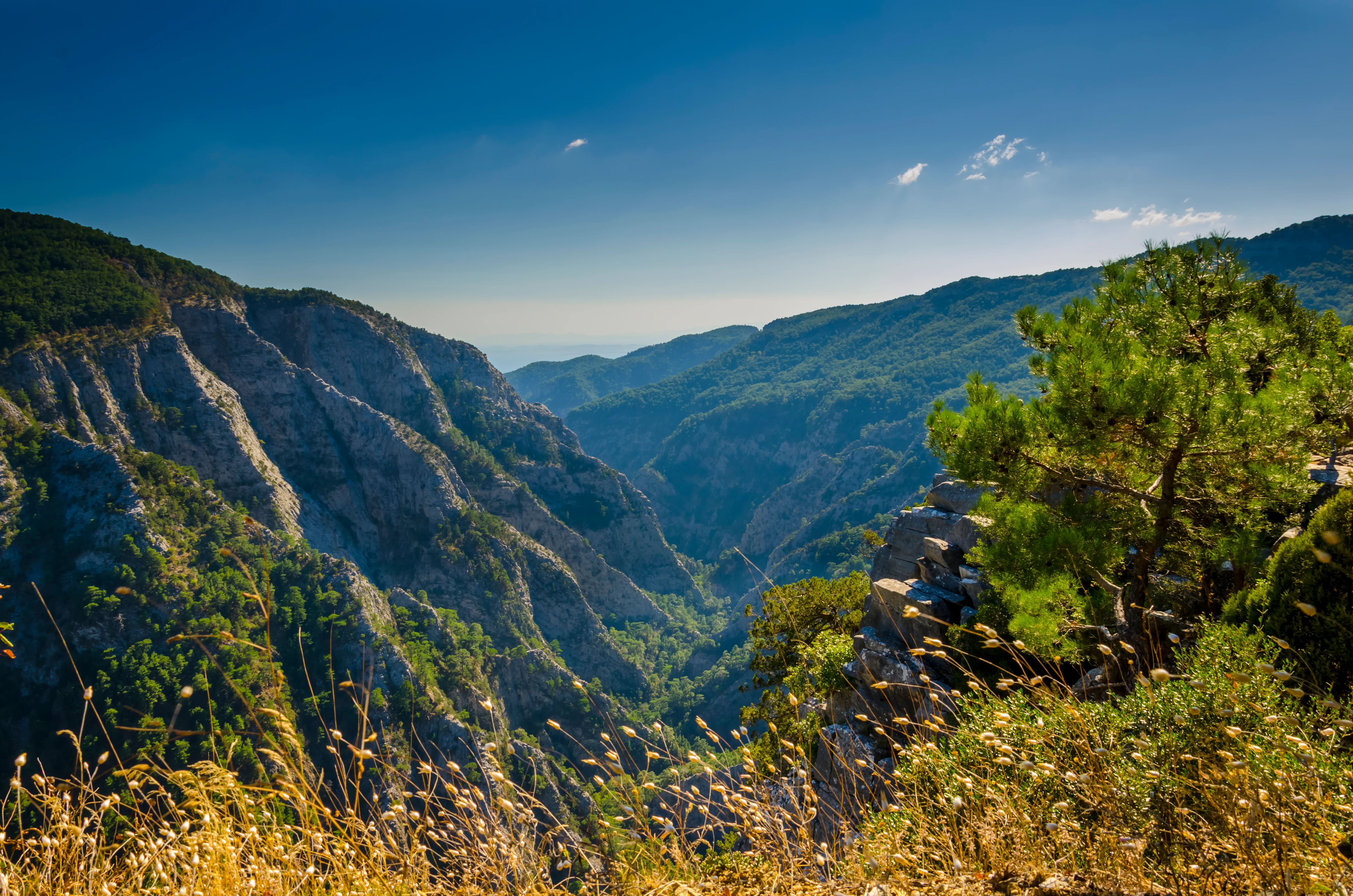
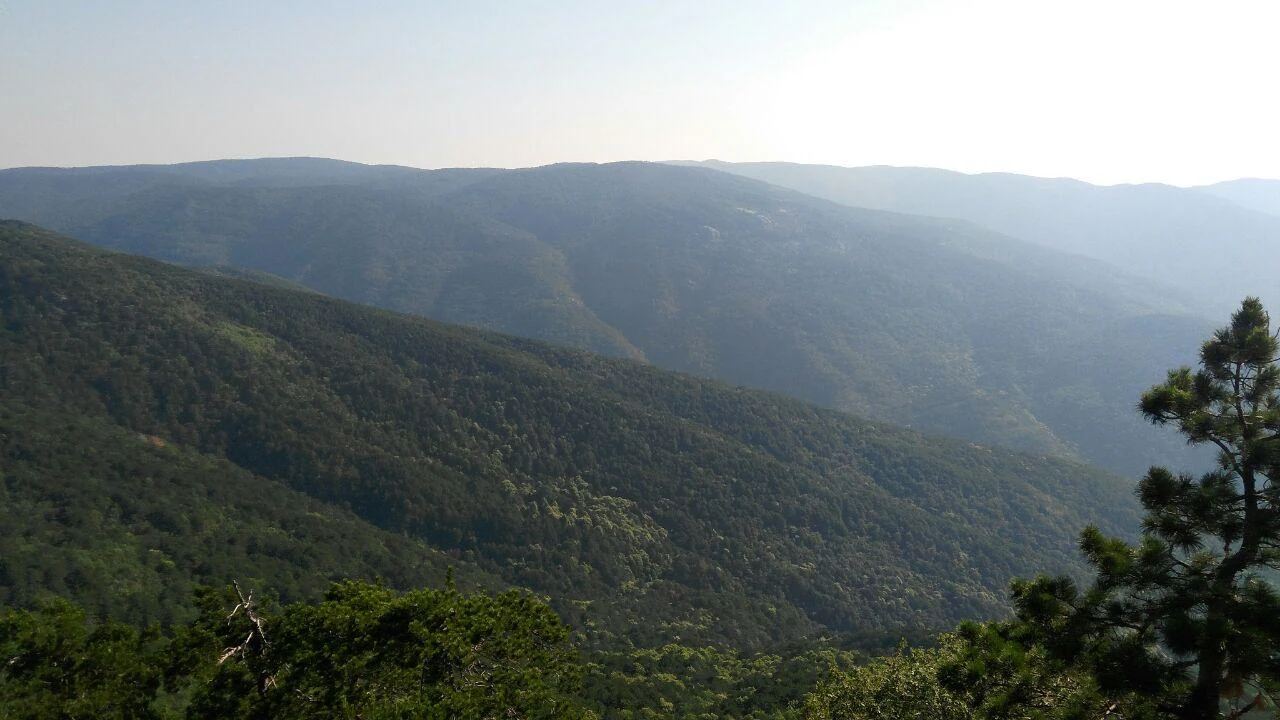
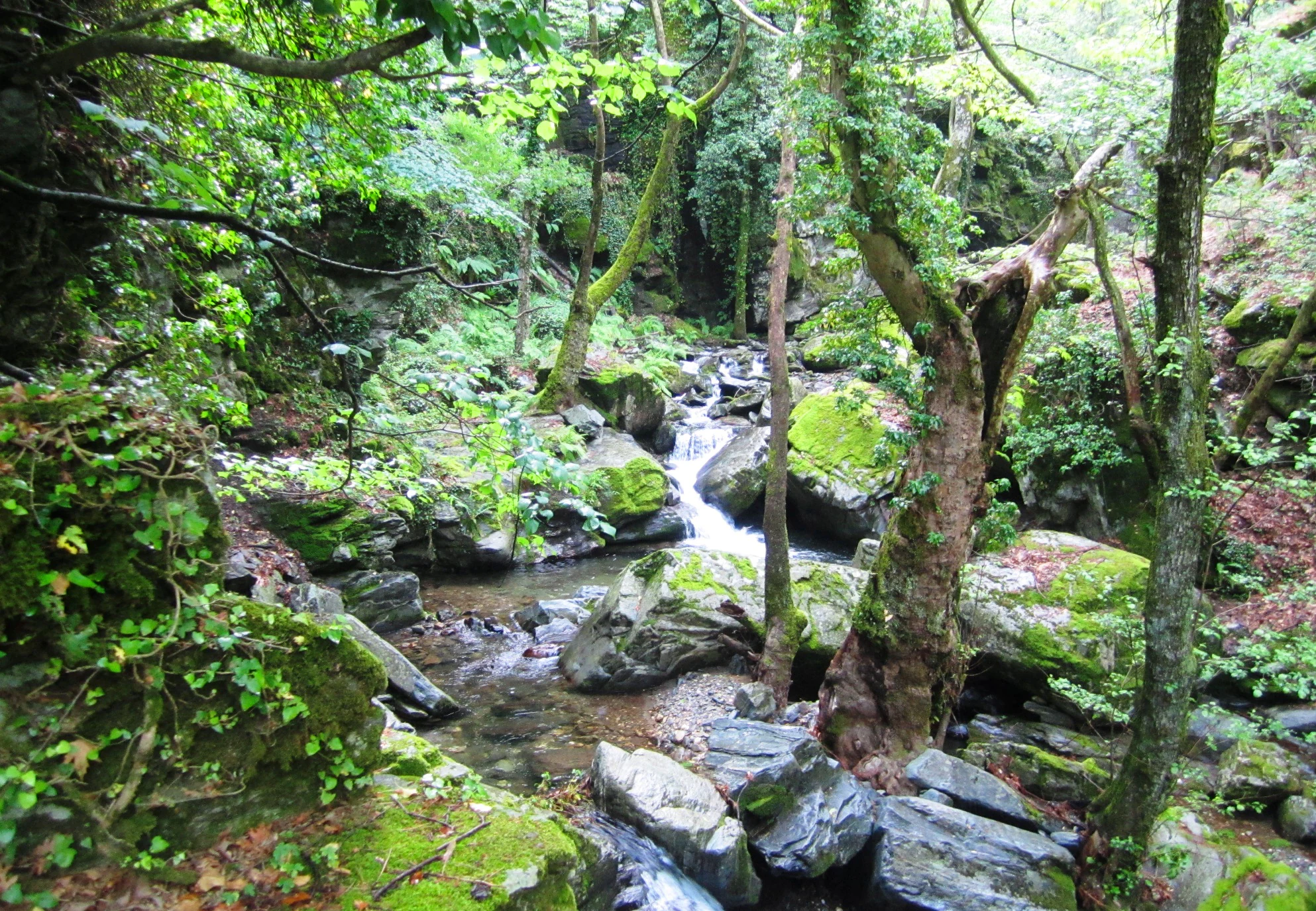
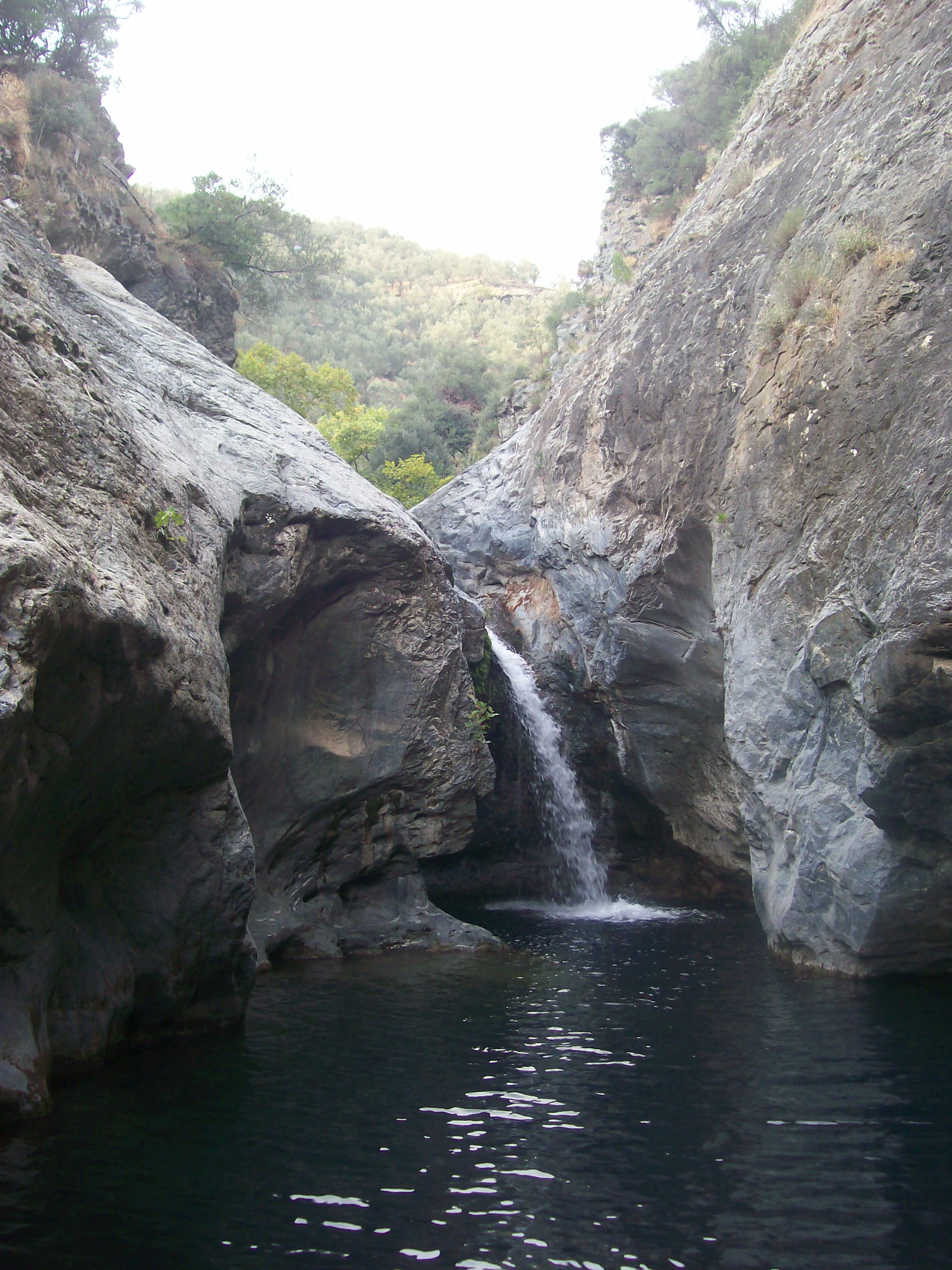
Mount Ida presents a dramatic mountain landscape characterized by steep, often rocky slopes that rise from the surrounding terrain. The mountain's geology creates a distinctive silhouette against the sky, with exposed rock formations and scree fields visible on higher slopes. The lower and middle elevations are covered in forest, while the summit zones transition to alpine vegetation or open rocky terrain. The landscape supports numerous seasonal streams that cascade down the mountain flanks, feeding into larger river systems in the valleys below.
Kazdağı National Park ecosystems, habitats, and plant life

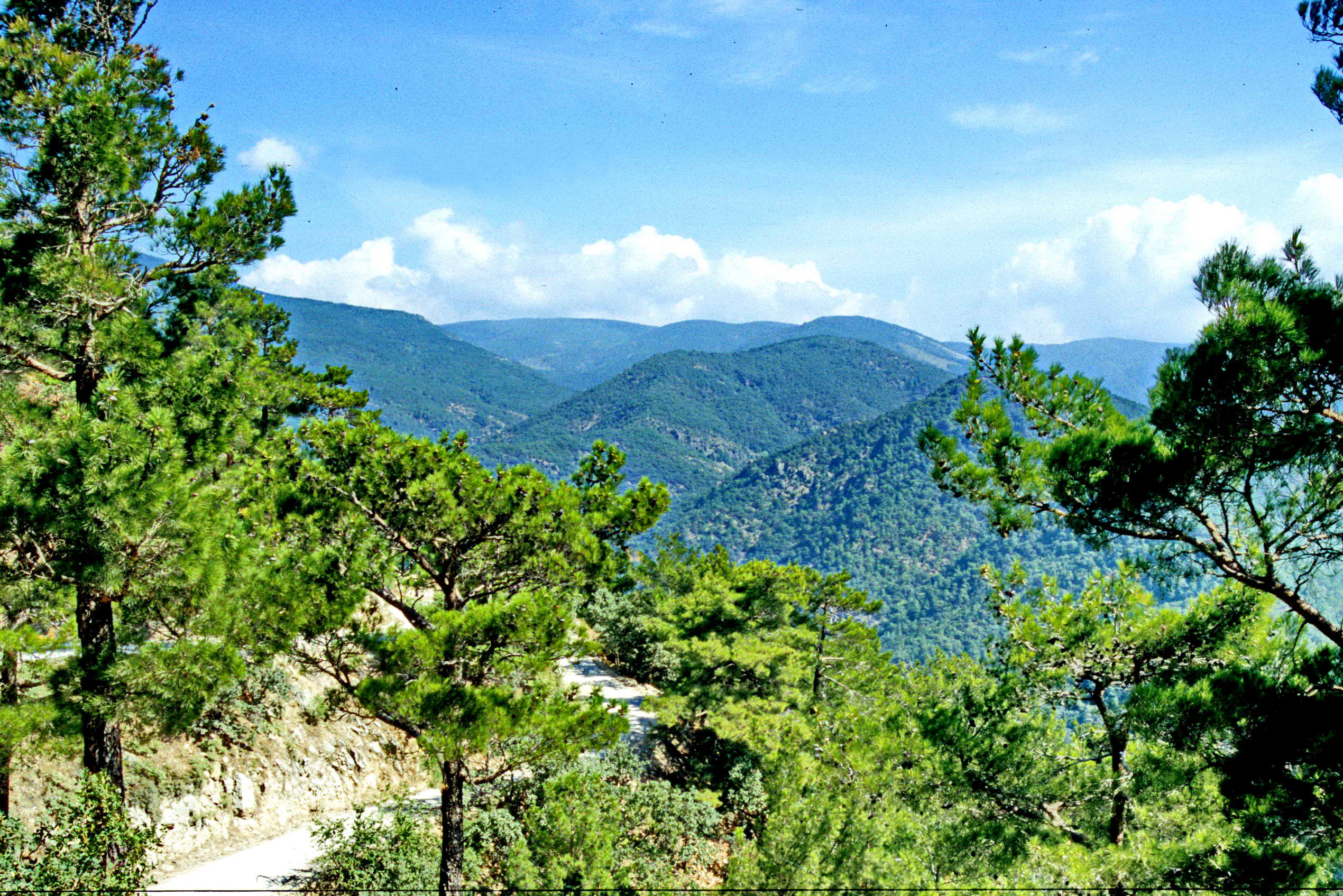
The park encompasses a vertically stratified ecosystem, with distinct vegetation zones corresponding to elevation. The lower slopes support mixed deciduous and coniferous forests, while higher elevations feature subalpine conditions with more open forest and meadow vegetation. This diversity of habitats supports a range of plant species adapted to different ecological conditions. The mountain also serves as an important watershed, capturing precipitation and releasing it gradually through springs and streams that benefit the broader region.
Kazdağı National Park wildlife and species highlights

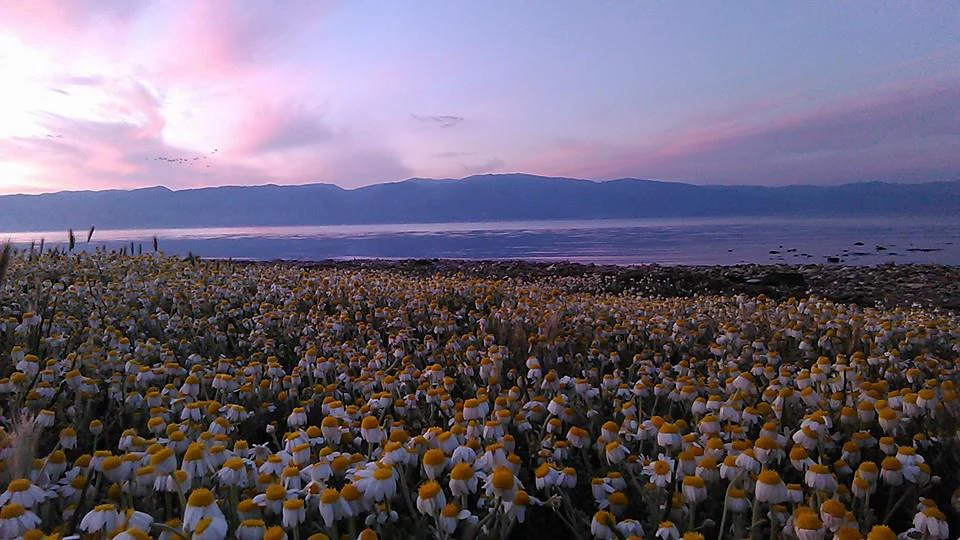
The forests and alpine zones of Kazdağı provide habitat for a variety of wildlife species adapted to mountain environments. The diverse vegetation structure supports both forest-dwelling species and those that utilize the more open alpine areas. The region's position at the crossroads of different biogeographic zones contributes to species diversity.
Kazdağı National Park conservation status and protection priorities

Kazdağı National Park represents an important conservation priority for Turkey, protecting one of the significant remaining mountain forest ecosystems in the Aegean region. The park's designation helps ensure the preservation of both the biological values of the mountain and the ecosystem services it provides, including water regulation and soil protection. Protecting this area also contributes to maintaining landscape connectivity in a region where development has reduced natural habitat extent.

Kazdağı National Park cultural meaning and human context

Mount Idle has held significance in regional culture and literature for centuries, appearing in classical Greek mythology and historical accounts as the mountain from which the gods observed the battles below. The local name Kazdağı and the older name Mount Ida both reflect the mountain's enduring presence in regional identity and cultural memory.
Top sights and standout views in Kazdağı National Park

The park offers visitors the opportunity to experience a relatively untouched mountain ecosystem with visible ecological zonation from forest to alpine terrain. The summit of Mount Ida provides expansive views across the Aegean region, connecting the landscape to both mythological history and contemporary conservation. The combination of ecological significance, cultural resonance, and scenic beauty makes Kazdağı one of Turkey's notable protected mountain areas.
Best time to visit Kazdağı National Park

The summer months through early autumn typically offer the most favorable conditions for exploring Kazdağı, when weather is generally stable and the alpine meadows are accessible. Spring brings fresh vegetation and flowing streams but may have more changeable weather. Winter conditions on the mountain can be harsh, with snow cover limiting access to higher elevations.

Park location guide

Geography guide, regional context, and park location map for Kazdağı National Park

Kazdağı National Park park geography, regions, and map view in Turkey
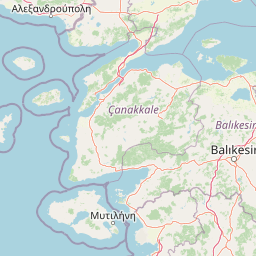
Understand where Kazdağı National Park sits in Turkey through a broader geographic reading of the surrounding landscape, nearby location context, and its mapped position within the national park landscape.

How Kazdağı National Park fits into Turkey

Turkey, officially the Republic of Türkiye, is a transcontinental country located mainly in Anatolia (West Asia) with a smaller portion in East Thrace (Southeast Europe). It borders the Black Sea to the north, several countries to the east and south, and the Aegean Sea and European countries to the west. The country has a population of over 86 million and operates as a secular, Muslim-majority presidential republic with Ankara as capital and Istanbul as its largest city.

Wider geography shaping Kazdağı National Park in Turkey

Turkey is a transcontinental country with the majority of its territory (about 97%) located in Anatolia (West Asia) and a smaller portion called East Thrace in Southeast Europe. It borders the Black Sea to the north, Georgia, Armenia, Azerbaijan, and Iran to the east, Iraq and Syria to the south, and the Mediterranean Sea to the southwest. To the west, Turkey borders the Aegean Sea, Greece, and Bulgaria. The terrain includes mountains, plateaus, and coastal plains, with the Taurus Mountains running along the southern coast.

Common questions about visiting, size, designation, and location context for Kazdağı National Park

Kazdağı National Park FAQs for park facts, access, geography, and protected area context
Find quick answers about Kazdağı National Park, including protected-area facts, park geography, trail and visitor context, and how the park fits into its surrounding country and regional landscape.
MoriAtlas Explorer

Continue Your Protected Areas Search Across the Global Atlas

Deepen your exploration by continuing the structured search for national parks and protected areas worldwide. Utilize the comprehensive filtering capabilities to compare different conservation landscapes and refine your understanding of global park geography. Discover more about the distribution and characteristics of protected natural areas.

Global natural geography