Why Lake Gala National Park stands out
Lake Gala National Park is best known as a premier birdwatching destination in Turkey, hosting over 160 bird species within its wetland and lake habitats. The park's significance is underscored by its position within the Maritsa Delta Wetland, a Ramsar-designated site of international importance. The area serves as a critical habitat for both resident and migratory birds, with seasonal movements bringing diverse species throughout the year. The dramatic arrival of nearly ten thousand flamingos in 2018 to overwinter at the lake highlighted the park's growing role as a wintering ground for rare waterfowl. The combination of shallow lakes, reed beds, and adjacent forests creates a diverse mosaic of habitats that supports one of Turkey's most significant wetland bird communities.
Lake Gala National Park history and protected-area timeline
The protection journey of Lake Gala began in 1991 when approximately 2,369 hectares were declared a nature reserve, recognizing the area's ecological significance even at that early stage. However, by the early 2000s, the ecological integrity of the lakes faced mounting threats from multiple directions. Biologists from Trakya University in Edirne conducted research that revealed alarming levels of pollution from agricultural pesticides and fertilizers entering the water system. Additionally, uncontrolled fishing activities and systematic bird poaching had reached what researchers described as "massacre" levels, severely impacting both fish populations and bird communities. In 2002, these biologists formally petitioned authorities to upgrade the protected area to national park status to provide stronger legal mechanisms for conservation. Their advocacy proved successful, and in 2005 the protected area was expanded to 6,090 hectares and officially designated as Lake Gala National Park through a Cabinet decision published in the Official Gazette. The establishment represented not only a conservation milestone for Turkey but also a recognition of the Maritsa Delta's international significance as a Ramsar wetland site.
Lake Gala National Park landscape and geographic character
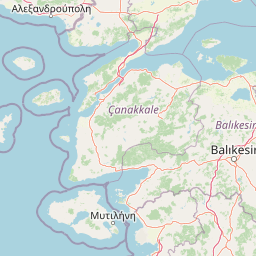
The physical landscape of Lake Gala National Park centers on a complex of shallow lakes and wetlands within the Maritsa Delta, a low-lying coastal area where the Maritsa River approaches the Aegean Sea. The two primary lakes—Pamuklu and Küçük Gala—form the core of the park's hydrological system, surrounded by extensive reed beds and marshy zones that create a characteristic wetland scenery. The terrain is predominantly flat, typical of delta environments, with elevation changes being minimal across the wetland complex. Beyond the aquatic zones, the park includes forested areas covering approximately 3,000 hectares, providing a different habitat character and contributing to the overall ecological diversity of the protected area. The proximity to the Aegean coast influences the region's climate and creates conditions favorable for the development of rich wetland ecosystems. The delta landscape supports a dynamic interface between freshwater and brackish water environments, depending on seasonal conditions and water flow patterns.
Lake Gala National Park ecosystems, habitats, and plant life
The ecological character of Lake Gala National Park is defined by its wetland-dominated environment, where shallow lakes, marshes, and reed beds combine to create one of Turkey's most important wetland habitats. The park encompasses approximately 3,090 hectares of open water and wetland areas alongside roughly 3,000 hectares of forested land, forming a diverse mosaic of complementary ecosystems. This habitat heterogeneity supports extraordinary biodiversity, particularly for avian species. The Maritsa Delta Wetland, within which the park is situated, has been designated as a Ramsar site of international importance, meeting three criteria for classification as an A-class Ramsar site. The wetland provides critical ecological functions including water filtration, flood regulation, and carbon sequestration, while serving as a vital staging and wintering area for migratory birds traversing the Mediterranean flyway. The combination of permanent open water, seasonal flooding, and dense vegetation creates optimal conditions for nesting, feeding, and resting for countless bird species throughout the year.
Lake Gala National Park wildlife and species highlights
Lake Gala National Park supports an exceptional bird community, with approximately 45,000 individual birds counted within the park's boundaries and 163 bird species documented through surveys. The avifauna includes a balanced mix of resident species, winter visitors, and summer migrants, with 46 species year-round inhabitants, 27 winter migratory species, and 90 species that arrive during the summer months. Among the most notable residents are the Dalmatian pelican, glossy ibis, and pygmy cormorant, all species of significant conservation concern in Europe and beyond. The fish community of the two lakes includes 16 genera, with species of high economic importance such as European eel, zander, common carp, and northern pike supporting both ecological and livelihoods functions. The 2018 arrival of nearly ten thousand flamingos marked an unprecedented wintering event at the lake, demonstrating the park's evolving role in supporting rare species. Other waterfowl regularly present include various duck species, geese, and trumpeter swans, contributing to the park's status as a birdwatching destination of national significance.
Lake Gala National Park conservation status and protection priorities
Lake Gala National Park represents an important conservation achievement in Turkey's efforts to protect its wetland heritage. The elevation from nature reserve to national park status in 2005 provided enhanced legal protection and resources for managing the threats that had concerned conservation scientists in the preceding years. The park's inclusion within the Maritsa Delta Wetland Ramsar site designation underscores its international significance within the global network of protected wetlands. The Ramsar classification recognizes that the delta meets several criteria for wetland of international importance, particularly as a habitat for waterbird populations. The conservation challenges facing the park—agricultural pollution, overfishing, and poaching—remain active concerns requiring ongoing management attention. The transition to national park status has enabled more comprehensive approaches to addressing these threats while balancing the needs of local communities who depend on the delta's resources. The park's establishment also reflects growing recognition in Turkey of the ecological and economic value that healthy wetland ecosystems provide.
Lake Gala National Park cultural meaning and human context
Lake Gala National Park sits within the Maritsa Delta, an area with deep historical connections to human settlement and agricultural activity in Turkish Thrace. The towns of Enez and İpsala, which frame the park's boundaries, represent centers of long-established communities whose livelihoods have been intertwined with the delta's resources. The region's location near the border with Greece gives it strategic significance, while its fertile soils have supported agriculture for generations. The wetlands have traditionally provided fishing opportunities and other natural resources for local populations, though these activities have sometimes conflicted with conservation objectives. The delta's position along major migratory flyways has connected the region to broader ecological networks spanning continents, linking the local environment to global patterns of bird movement and ecosystem function.
Top sights and standout views in Lake Gala National Park
Lake Gala National Park stands out as one of Turkey's most significant wetland protected areas, combining substantial bird biodiversity with a strategic location in the Maritsa Delta. The park's Ramsar designation places it within an international network of wetlands of importance, while its location in Turkey's European region makes it accessible for visitors from Istanbul and surrounding areas. The dramatic seasonal movements of birds—flamingos arriving to overwinter, thousands of migrants passing through during spring and autumn—create dynamic wildlife viewing opportunities. The coexistence of wetland and forest habitats within a relatively compact area offers ecological diversity that supports numerous species. The park's relatively recent establishment in 2005 reflects ongoing conservation development in Turkey's protected areas system, with active management addressing the legacy challenges of pollution and overexploitation that prompted the upgrade from nature reserve status.
Best time to visit Lake Gala National Park
The optimal times for experiencing Lake Gala National Park's wildlife are during the spring and autumn migration seasons, when the greatest diversity of bird species can be observed. April and May bring the spring passage, with numerous summer migrants arriving and the park's resident species becoming more active during the breeding season. September and October offer the autumn migration, when departing birds provide another window into the park's avifauna. For those interested in observing the largest concentrations of waterfowl, the winter months can be rewarding, as demonstrated by the exceptional arrival of flamingos in February 2018. The summer months support breeding activity among resident species, though some water levels may decrease during this period. The park's accessible location in Edirne Province makes it a realistic day trip from Istanbul or a stopping point for those exploring Turkey's European Thracian region.