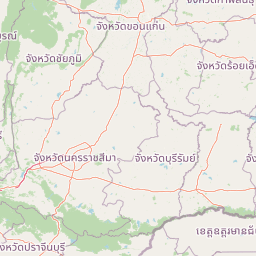
Why Khao Yai National Park stands out
Khao Yai National Park is renowned for its extensive old-growth evergreen forests, dramatic waterfalls including Haew Suwat, and its role as a critical tiger conservation landscape in Southeast Asia. The park represents one of the last remaining large-scale tropical forest ecosystems in mainland Thailand and serves as a vital ecological corridor connecting northern and southern forest complexes. Its significance is amplified by the 2016-2017 camera trap documentation of 18 tigers, including cubs, representing the first confirmed tiger presence in the park since 2002. The park also protects significant populations of Asian elephants, gibbons, and dhole wild dogs, making it a flagship for large-mammal conservation in the region.
Khao Yai National Park history and protected-area timeline
Khao Yai National Park was officially established on 18 September 1962 through royal proclamation published in the Government Gazette, becoming Thailand's inaugural national park. The park was named after the defunct tambon of Khao Yai, embedding local administrative heritage into its identity. Conservation pioneer Boonsong Lekagul was instrumental in advocating for the park's protection, recognizing the ecological value of the Dong Phaya Yen forest ecosystem before official establishment. In 1984, the park received ASEAN Heritage Park designation, acknowledging its regional significance within Southeast Asia's protected area network. The 2005 UNESCO World Heritage inscription elevated Khao Yai's global recognition, incorporating it into the Dong Phayayen–Khao Yai Forest Complex alongside adjacent protected areas. Contemporary challenges include managing visitor impacts, with annual attendance exceeding 1.5 million people, addressing illegal development within park boundaries, and combating unauthorized logging operations that threaten forest integrity.
Khao Yai National Park landscape and geographic character
The terrain of Khao Yai National Park features the prominent Dong Phaya Yen mountain range, characterized by steep ridges, deep valleys, and numerous perennial streams that have carved distinctive waterfalls throughout the landscape. Khao Rom stands as the park's highest summit at 1,351 meters, with its distinctive spiral form earning it the local name Khao Laem, meaning Spiky Mountain. The park's forest composition transitions from semi-evergreen forest in lower elevations through mixed deciduous zones to evergreen forest at higher altitudes, creating a complex ecological tapestry. Haew Suwat waterfall represents one of the most iconic landscapes within the park, where cascade waters drop through dense forest canopy. The Nong Pak Chee grassland area provides an unusual open habitat within the predominantly forested reserve, supporting different ecological communities. Hiking to major peaks requires substantial time, with ascents to Khao Rom requiring at least seven hours of walking and rope-assisted climbing near the summit.
Khao Yai National Park ecosystems, habitats, and plant life
Khao Yai National Park protects one of the most ecologically significant tropical forest ecosystems in mainland Southeast Asia. The park's forest types include semi-evergreen dipterocarp forest in lower elevations, mixed deciduous forest, and upper evergreen forest dominated by tall trees exceeding 45 meters in height with emergents rising above the canopy. These forests support extraordinary biodiversity, with the park serving as a critical corridor for species movement between northern and southern Thai forest complexes. The watershed function of these forests provides essential water resources for downstream communities and maintains hydrological cycles critical to regional ecology. The park's designation as part of the Dong Phayayen–Khao Yai World Heritage Site recognizes the forest ecosystem's outstanding universal value and its role in maintaining ecological processes essential for biodiversity persistence.
Khao Yai National Park wildlife and species highlights
The mammalian fauna of Khao Yai includes significant populations of large ungulates and carnivores that define the park's ecological character. Asian elephants traverse the forests in herds, while gibbons make their presence known through characteristic calls that echo through the canopy. Pig-tailed macaques, muntjacs, and sambar deer represent common ungulate species throughout the park's diverse habitats. Notable carnivore presence includes dhole wild dogs that hunt cooperatively in packs, along with occasional sun bear and Asian black bear sightings. The tiger population represents a particularly significant conservation achievement, with camera traps documenting 18 individuals including cubs in 2016-2017, the first confirmed tiger records since 2002. This tiger population restoration demonstrates the park's potential as a functioning large-mammal landscape when protection measures are effectively implemented. Smaller mammals include barking deer, porcupine, civet, and golden jackal, contributing to the park's overall mammalian diversity.
Khao Yai National Park conservation status and protection priorities
Khao Yai National Park occupies a critical position in Thailand's conservation strategy as the nation's first protected area and a model for subsequent national park establishment. Its ASEAN Heritage Park and UNESCO World Heritage designations reflect international recognition of its outstanding ecological value within Southeast Asia. The park's tiger population recovery demonstrates the effectiveness of sustained conservation investment, with the 2016-2017 camera trap confirmation of breeding activity representing a milestone for large carnivore conservation in Thailand. However, the park faces significant contemporary challenges including encroachment from illegal residential development, unauthorized logging operations, and the environmental impacts of high-volume visitation exceeding 1.5 million annual visitors. Management strategies have included innovative approaches such as mailing litter back to visitors who leave trash, addressing the substantial waste burden of over 23 tonnes generated during peak holiday periods. The challenge of acquiring additional land for wildlife conservation becomes increasingly difficult as surrounding areas develop, highlighting the tension between conservation goals and regional economic development pressures.
Khao Yai National Park cultural meaning and human context
While Khao Yai National Park is primarily valued for its ecological significance, the park exists within a landscape shaped by historical human activity in the broader Dong Phaya Yen region. The park's name derives from the former tambon administrative unit of Khao Yai, reflecting local geographic naming traditions. The surrounding communities in Nakhon Ratchasima Province maintain traditional relationships with the forested landscape, though the protected area designation has necessarily modified land-use patterns. The park's establishment in 1962 represented a modern conservation approach that sometimes conflicted with traditional practices, establishing a new paradigm for Thai wilderness preservation that prioritized ecological integrity over historical land-use patterns. The regional context includes nearby communities that have developed tourism-oriented economies serving the park's visitors, creating both economic opportunities and conservation pressures.
Top sights and standout views in Khao Yai National Park
Khao Yai National Park offers visitors access to some of Thailand's most impressive natural landscapes, including the iconic Haew Suwat waterfall featured in popular media. The opportunity to observe wild tigers, documented by camera trap studies confirming a resident population including cubs, represents a unique wildlife experience within Thailand's protected area network. The challenging hike to Khao Rom's summit rewards visitors with panoramic views from the park's highest point, though the seven-hour trek requires appropriate preparation. The cool season from November to February provides optimal conditions for hiking and wildlife observation, with clear skies and comfortable temperatures. The park's status as Thailand's first national park and a UNESCO World Heritage Site provides historical and cultural significance beyond its ecological value, making it a destination of national importance.
Best time to visit Khao Yai National Park
The optimal time to experience Khao Yai National Park is during the cool season from November through February, when daytime temperatures average around 22°C and nighttime temperatures drop to approximately 10°C, creating comfortable conditions for hiking and wildlife observation. Clear skies during this period provide excellent visibility for landscape photography and forest exploration. The rainy season from May to October transforms the landscape with lush vegetation and full-flowing streams, though heavy precipitation can restrict trail accessibility and create challenging conditions for visitors. The hot season in March and April brings higher temperatures ranging from 20-30°C, with reduced visibility in the forests as haze accumulates. For wildlife viewing, the dry season concentrations of animals around water sources can improve sighting opportunities, though the cool season provides the most pleasant overall experience for extended outdoor activities.