
Why Lake Abant National Park stands out
Lake Abant National Park is best known for its pristine volcanic crater lake set amid dense forests in the Western Black Sea highlands. The lake's exceptional clarity allows visibility to its depths, while the surrounding slopes harbor rare endemic species including the Abant Crocus, a flower found nowhere else in the world. The park's combination of alpine lake scenery, rich forest ecosystems, and proximity to major Turkish cities makes it a distinctive destination within Turkey's national park system. The presence of endangered and vulnerable species such as the Abant Trout and several protected butterfly species further distinguishes the park's ecological importance.
Lake Abant National Park history and protected-area timeline
Lake Abant and its surrounding area were first protected as a natural park in 1988, establishing formal conservation over the lake and adjacent forest landscape. This initial protected status recognized the area's natural values and began providing institutional management for the region. After more than three decades of protection under the natural park designation, the site was elevated to national park status on 10 June 2022, becoming the 48th national park in Turkey. This upgrade reflected both the enduring ecological significance of the area and the evolution of Turkey's protected area system toward stronger conservation frameworks. The transition to national park status brought the area under the authority of the Directorate-General of Nature Protection and National Parks at the Ministry of Agriculture and Forestry, aligning its management with Turkey's premier conservation sites.
Lake Abant National Park landscape and geographic character
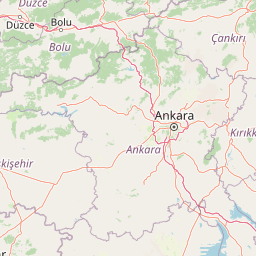
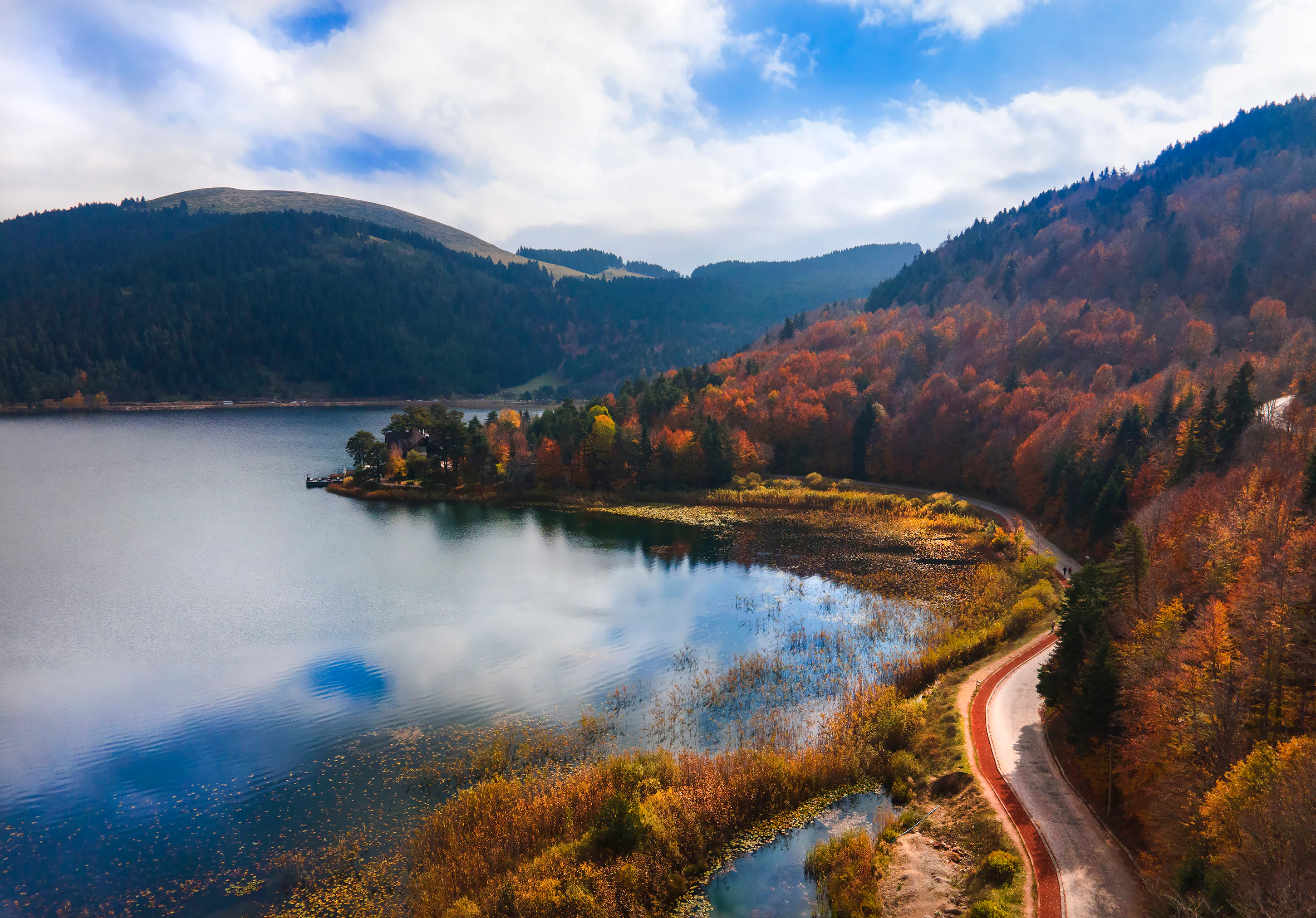
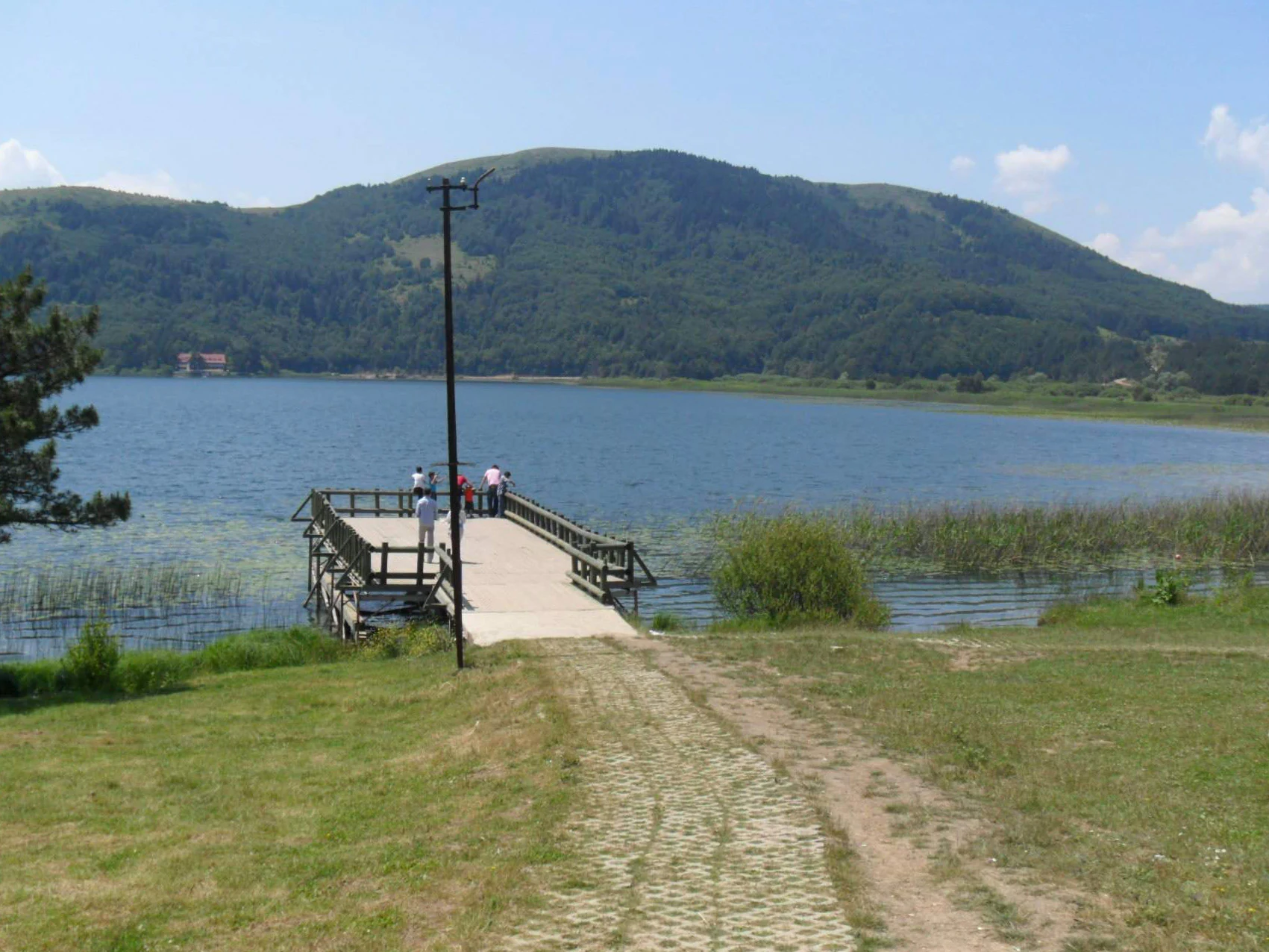
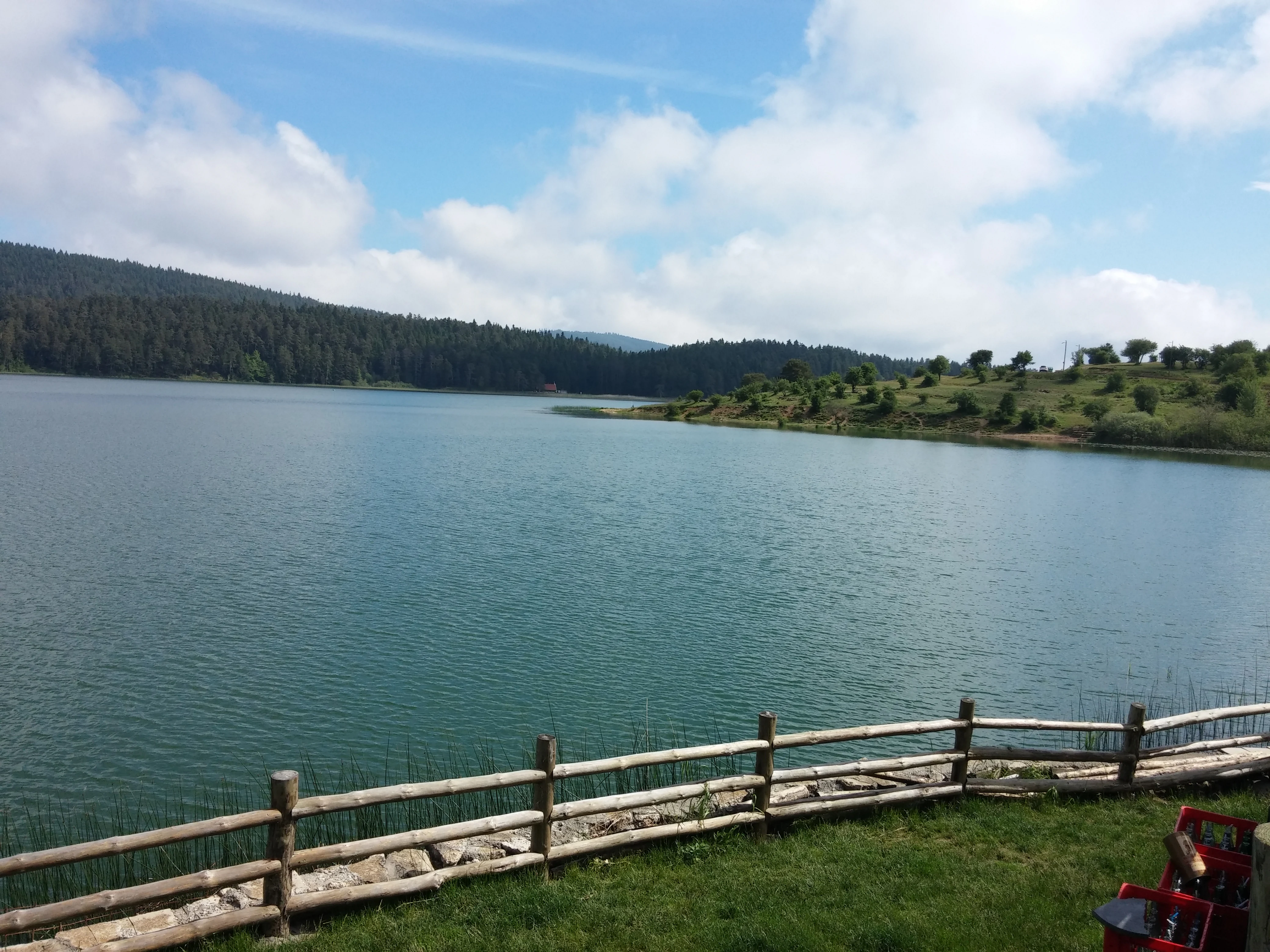
The landscape of Lake Abant National Park is defined by its volcanic crater lake set within a bowl of forested mountain slopes. The lake occupies a valley formed through tectonic activity along the North Anatolian Fault zone, with surrounding hills rising to elevations between 1,400 and 1,700 meters. The highest point within the park reaches 1,794 meters at Erenler Peak, while the lake surface sits at approximately 1,328 meters. The lake's catchment includes the Abant and Keremali mountain ranges, with water exiting via Abant Stream to join Bolu Stream. The terrain around the lake features rolling hillsides covered in dense forest, with the lake itself known for exceptional water clarity that allows views of the lake bed. During winter months, the lake freezes completely from the shores inward due to rapid temperature drops, creating a distinctive seasonal transformation of the landscape.
Lake Abant National Park ecosystems, habitats, and plant life
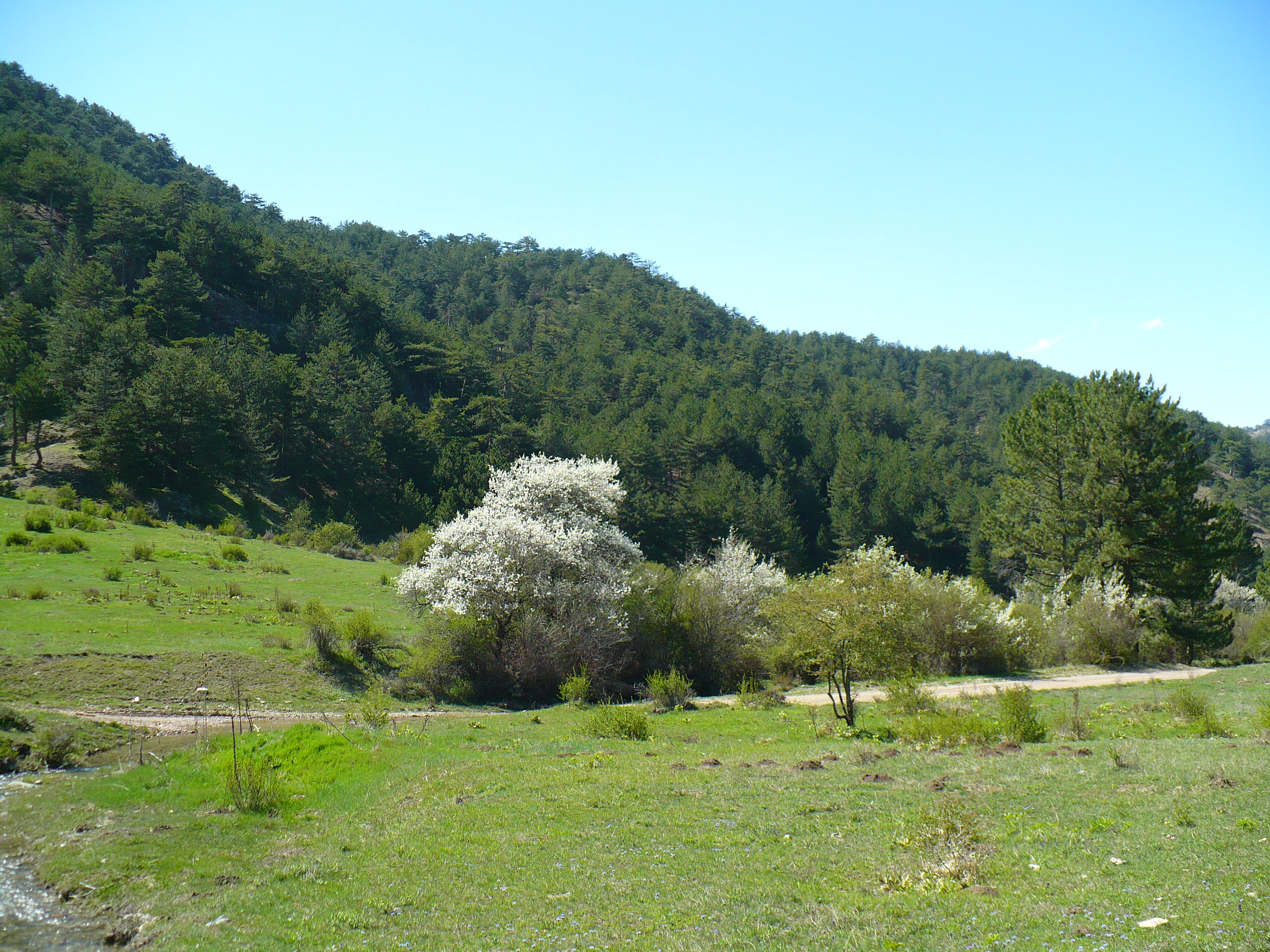
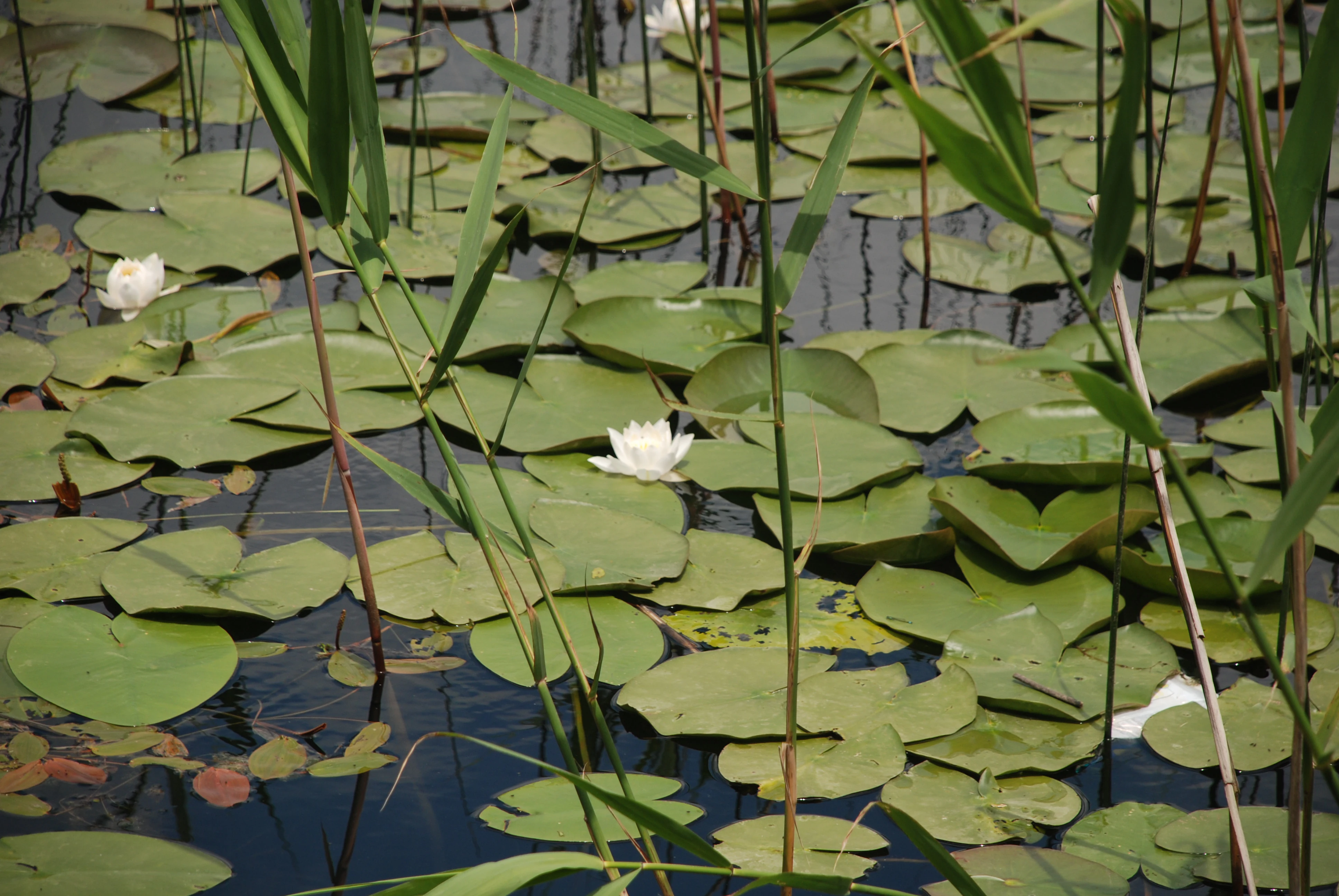
The national park supports diverse forest ecosystems characteristic of the Western Black Sea region. The vegetation includes mixed forests of Oriental Beech and Nordmann Fir, accompanied by Scots Pine and Common Boxwood. The park contains several endemic plant species, including Ornithogalum pascheanum and Poa asiae-minoris which grow only within this area, as well as the Abant Crocus found on slopes surrounding the lake. The lake supports various aquatic plants and water lilies in its shallower areas. The surrounding forests contain a rich understory of shrubs and herbs including rhododendron, tamarisk, hazelnut, hawthorn, holly, rosehip, fern, blackberry, strawberry, and diverse grasses. This combination of forest types and specialized habitats creates a botanically significant protected area within Turkey.
Lake Abant National Park wildlife and species highlights
Lake Abant National Park supports several endemic species found nowhere else in the world. The lake and surrounding waters harbor the Abant Trout, a subspecies specifically adapted to these waters, as well as the Little Scalloped Salamander. The Abant Hazel Mouse represents an endemic subspecies of the common dormouse. Otters can be observed along the lakeshore, while the surrounding forests contain populations of fox, jackal, wolf, bear, wild boar, deer, roe deer, rabbit, squirrel, and weasel. The park is particularly rich in birdlife, with water birds including wild goose, wild duck, heron, coot, and cormorant present around the lake, while raptors such as hawk, falcon, black vulture, golden eagle, and eagle owl hunt in the skies above. Songbirds including lark, jackdaw, woodpecker, blackbird, nightingale, finch, and goldfinch inhabit the forest and shoreline areas. The park also supports protected butterfly species and other invertebrates.
Lake Abant National Park conservation status and protection priorities
The elevation of Lake Abant to national park status in 2022 reflects its recognized conservation significance within Turkey's protected areas network. The park protects several endemic species of conservation concern, including the Abant Trout listed as vulnerable, and the Abant Hazel Mouse representing a distinct subspecies. The diverse habitats within the park, from lake to forest to alpine meadows, support species ranging from aquatic organisms to large mammals, creating a relatively complete ecosystem. The presence of multiple protected bird species and butterflies, including several listed as endangered or vulnerable, demonstrates the park's importance for biodiversity conservation. The site's protection also preserves the scenic and ecological values of a representative sample of Western Black Sea highland landscapes.
Lake Abant National Park cultural meaning and human context
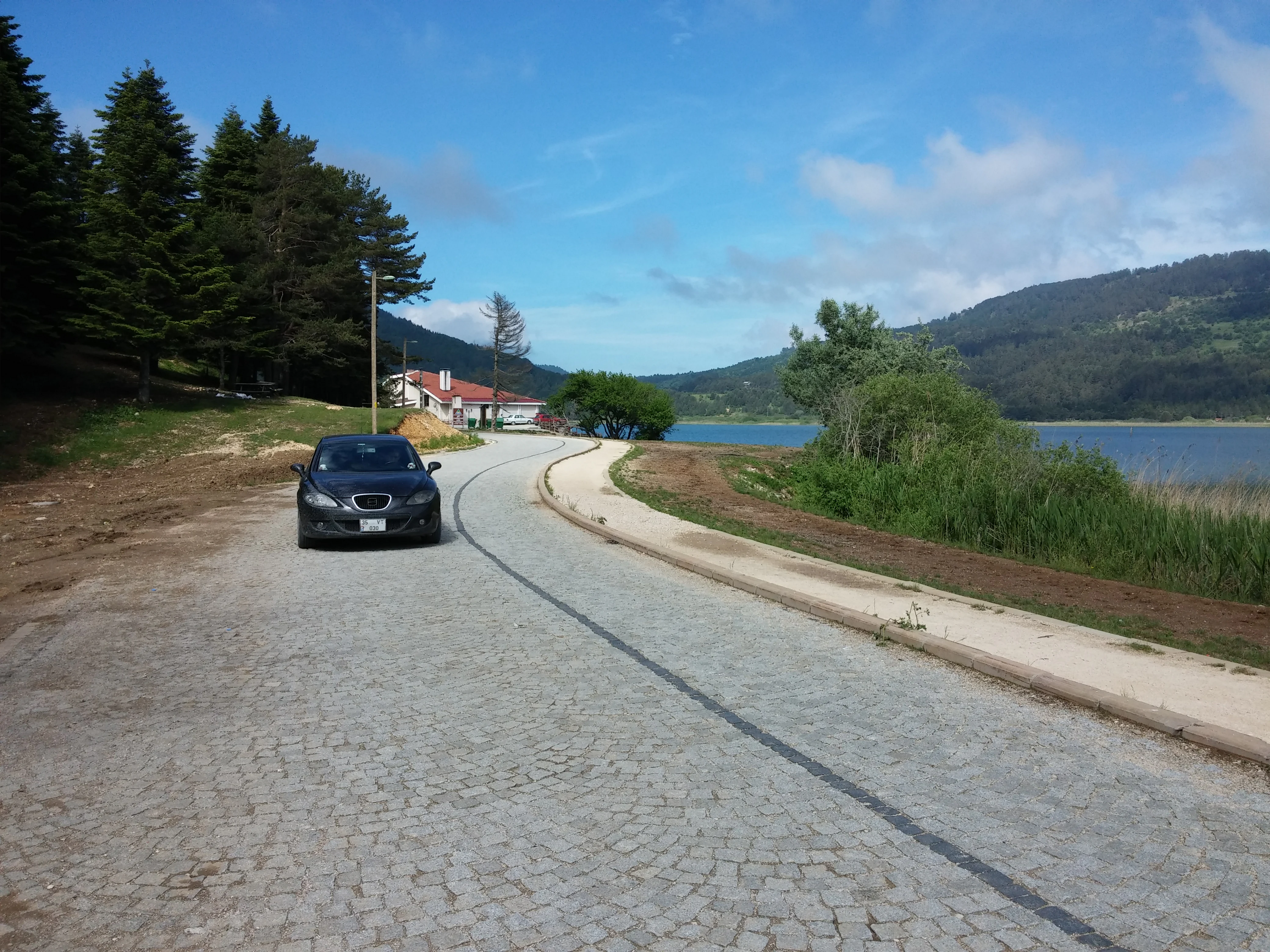
Lake Abant holds significance within the regional identity of Bolu Province and serves as a well-known destination for Turkish visitors seeking mountain recreation. The area around the lake has been developed with visitor facilities including hotels, restaurants, and camping areas, creating a long-established tourism tradition in the region. The lakeside setting has historically served as an area for recreation, relaxation, and outdoor activities, with local utilization of wild foods including hawthorn, blackberry, rosehip, strawberry, and mushrooms. The park also contains fish and deer breeding stations where trout are released into the lake and deer are raised before release into the wild, reflecting integrated approaches to conservation and resource management.
Top sights and standout views in Lake Abant National Park
Lake Abant National Park's defining highlight is its crystal-clear volcanic crater lake set amid dense forest at alpine elevation, creating a scenic mountain landscape unique within Turkey's national park system. The endemic Abant Crocus flowers in spring add distinctive color to the surrounding slopes, while the presence of species like otters, golden eagles, and the endemic trout create wildlife viewing opportunities. The park's accessibility from both Ankara and Istanbul, combined with developed visitor infrastructure including accommodation and activities ranging from hiking to paragliding, makes it a popular destination. The combination of natural beauty, ecological significance, and practical visitor amenities distinguishes this high-altitude lake destination.
Best time to visit Lake Abant National Park
Lake Abant National Park can be visited throughout the year, with each season offering a different experience. Spring and summer bring mild temperatures ideal for hiking, outdoor activities, and viewing the lake's clear waters and surrounding flora in bloom, including the Abant Crocus in spring. Autumn offers colorful forest scenery as deciduous trees change color. Winter transforms the landscape dramatically as the lake freezes completely and snow covers the surrounding hills, creating a stark alpine atmosphere popular with visitors seeking winter scenery. The park's proximity to major cities makes it suitable for both day trips and longer stays, though visitors should be aware that winter conditions may affect accessibility and facilities.