
Why Lena Pillars stands out
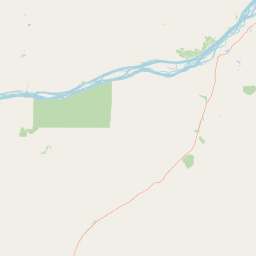
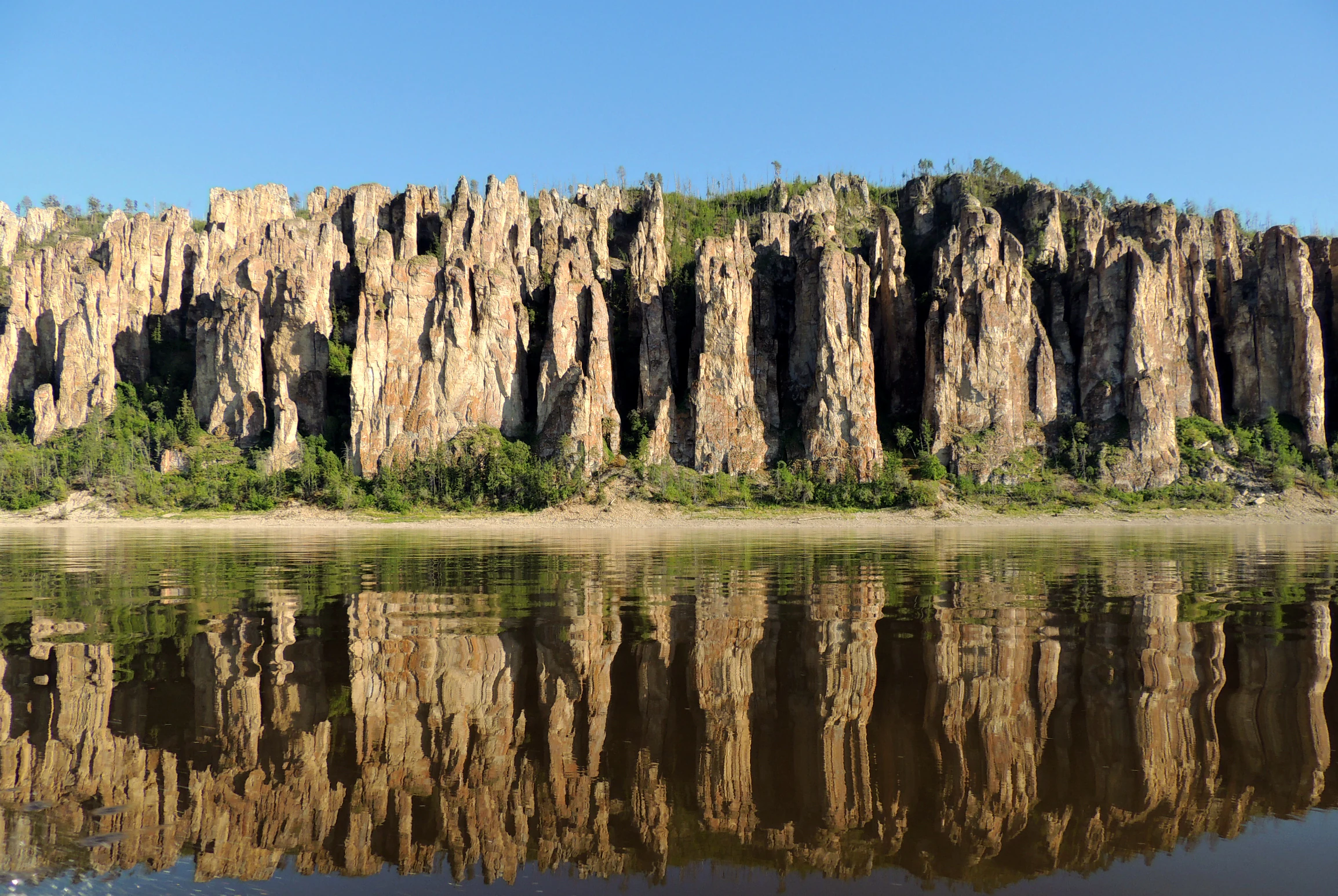
Lena Pillars is best known for its extraordinary geological formation of vertical rock columns that line the Lena River valley, representing ancient seabed deposits that have been exposed through millennia of erosion. The pillars are exceptional for their height, their density along the riverbank, and their Cambrian age, making them a natural monument to Earth's deep geological past. The site is also renowned as a UNESCO World Heritage property and as one of the most remote and inaccessible natural wonders in Russia.
Lena Pillars history and protected-area timeline
The geological history of Lena Pillars stretches back to the Cambrian period, when marine sediments were deposited in basins that covered this part of what is now Siberia. The formation of the visible pillars is a relatively recent phenomenon in geological terms, occurring over the past few million years as the Lena River cut its valley and exposed these ancient rock layers to erosion. The nature park was established to protect this outstanding natural site, leading to its inscription on the UNESCO World Heritage List in 2012. An extension was approved in 2015, expanding the protected area to its current extent. The park management works to balance conservation of the geological heritage with sustainable tourism, though the site's remoteness naturally limits visitor numbers.
Lena Pillars landscape and geographic character
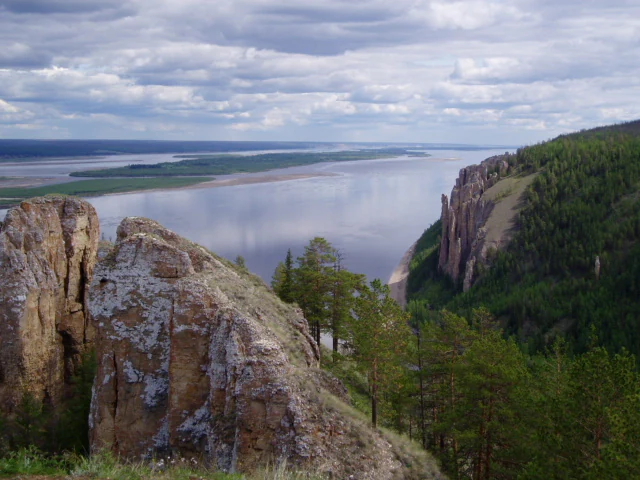
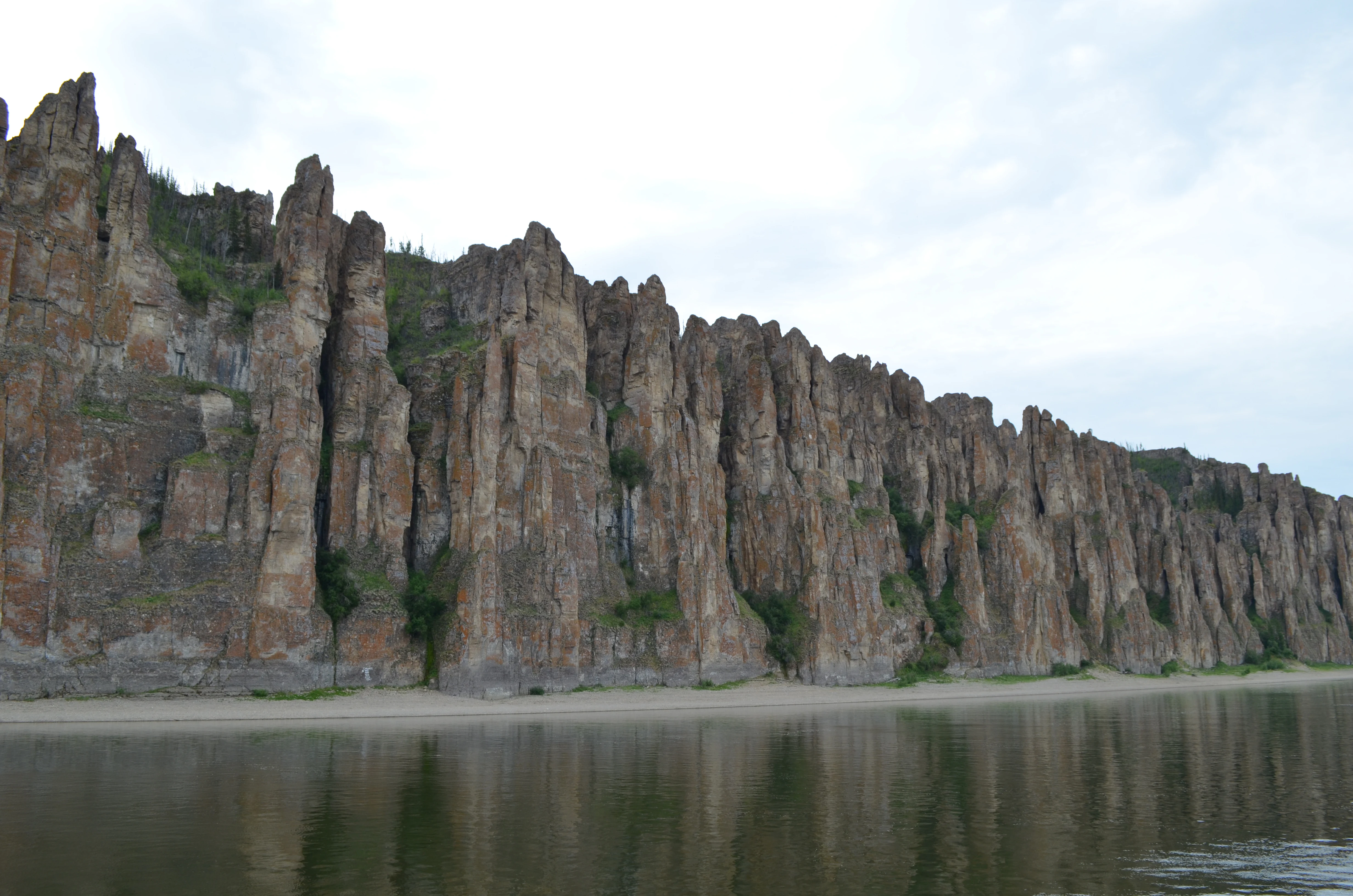
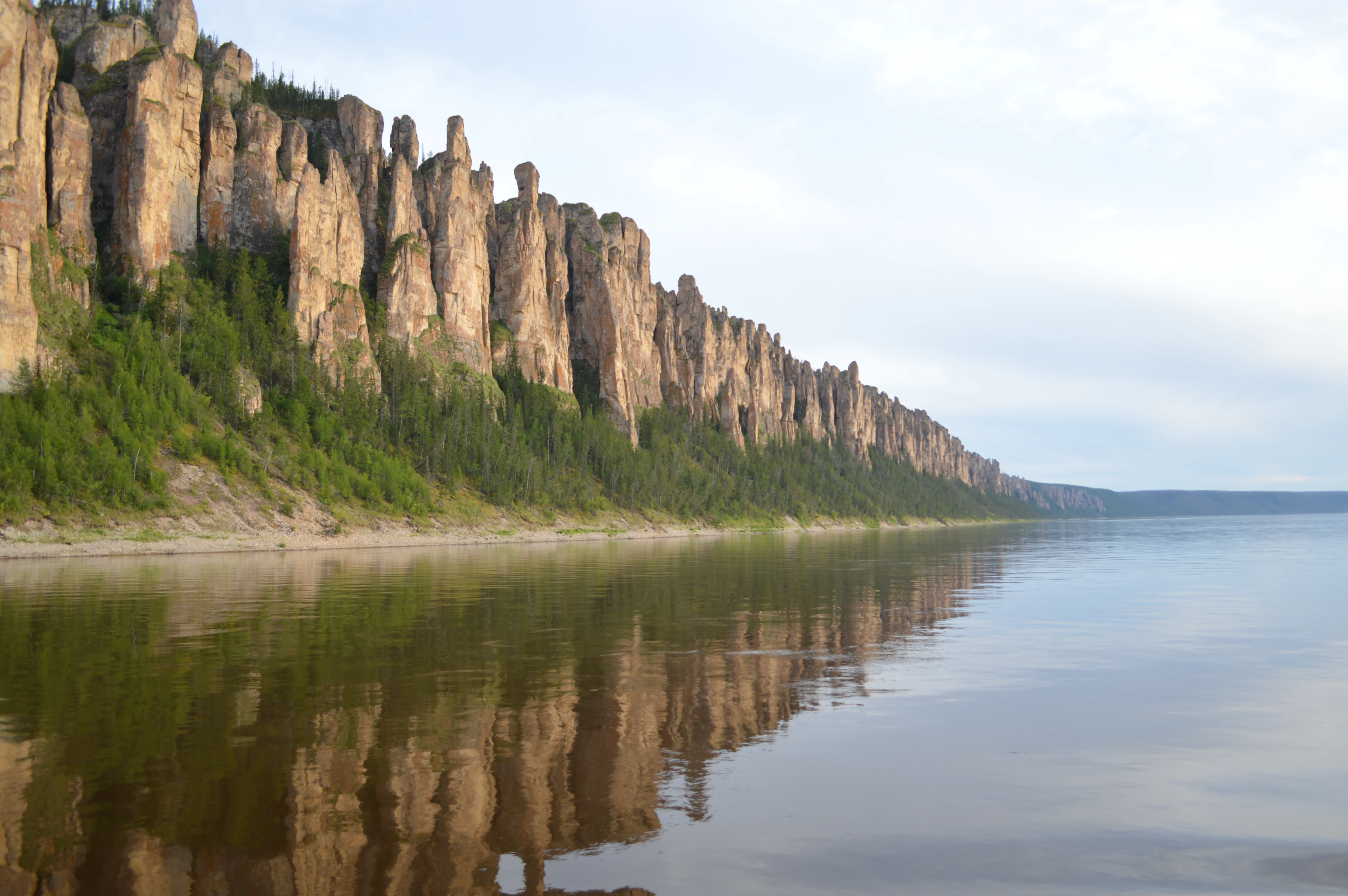
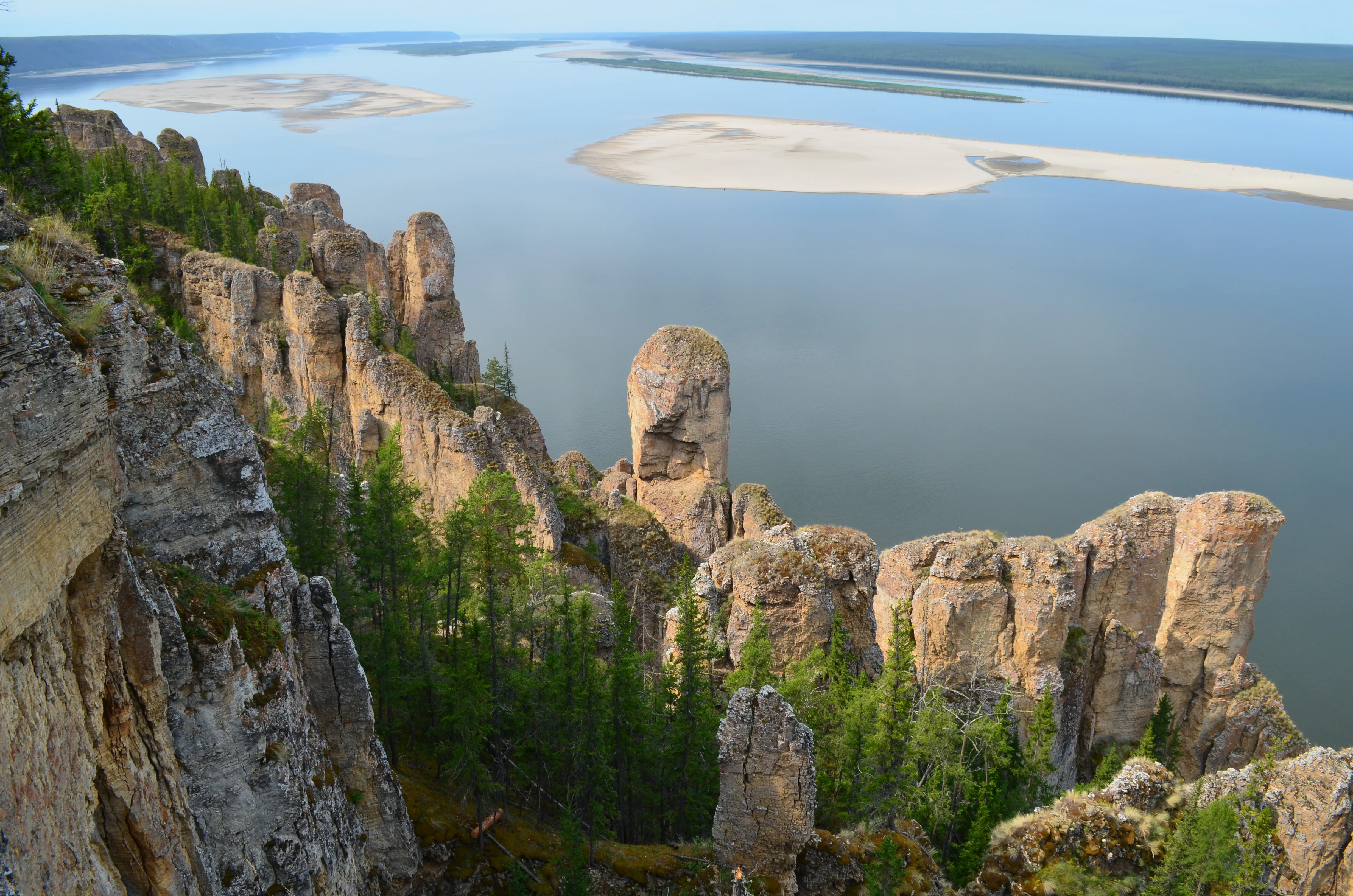
The landscape of Lena Pillars is dominated by the towering vertical rock formations that give the area its name. These pillars, rising 150 to 300 metres above the Lena River, are composed of alternating layers of limestone, marlstone, dolomite, and slate that create a distinctive banded appearance. The pillars are most spectacular where they rise directly from the riverbank, their weathered surfaces displaying the effects of centuries of exposure to Siberia's extreme climate. Between the pillar clusters, the terrain slopes more gently toward the river, and the surrounding landscape consists of the typical Siberian taiga forest and wetlands. The Lena River itself is a major waterway, and views from the river reveal the pillars at their most impressive, with the rock faces catching the light in ways that highlight their vertical geometry.
Lena Pillars ecosystems, habitats, and plant life
The natural environment of Lena Pillars reflects the harsh continental climate of central Siberia. The region experiences extreme temperature variations between long, brutally cold winters and short but warm summers. The vegetation around the pillars consists mainly of coniferous taiga forest, with species adapted to the cold continental conditions. The river corridor supports wetlands and floodplain ecosystems that provide habitat for various bird species and smaller mammals. While the primary value of the site is geological rather than ecological, the combination of the ancient rock formations with the living taiga landscape creates a visually compelling natural setting.
Lena Pillars wildlife and species highlights
The wildlife in the Lena Pillars region is characteristic of the Siberian taiga, with species adapted to the extreme continental climate. The river and surrounding wetlands provide habitat for waterfowl and migratory birds, particularly during the brief summer breeding season. Small mammals including squirrels, hares, and various rodent species inhabit the forested areas surrounding the pillars. The remote and relatively undisturbed nature of the region means that wildlife viewing opportunities exist, though the harsh climate limits the active season for observation. The primary wildlife interest lies in the birdlife along the river corridor and in the possibility of spotting larger mammals such as moose in the surrounding forest.
Lena Pillars conservation status and protection priorities
Lena Pillars Nature Park holds UNESCO World Heritage status, recognised under natural criterion (viii) for its outstanding geological significance. The site represents an exceptional record of Cambrian marine environments and the geological processes that have shaped the Earth's surface over hundreds of millions of years. Protection of the pillars involves managing both the rock formations themselves and the surrounding landscape to maintain the natural character of the area. The extreme climate and remote location provide natural protection, but park management addresses threats from potential erosion damage, visitor impact, and any resource extraction pressures.
Lena Pillars cultural meaning and human context
The Lena Pillars area lies within the traditional territory of the Sakha people, an Turkic-speaking ethnic group who have inhabited this region of Siberia for centuries. The Yakut language name for the pillars, Ölüöne Turūk Khayalara, reflects the cultural significance of these landmarks to local communities. The region around Yakutsk has been inhabited since ancient times, with archaeological evidence of human presence in the Lena River valley predating the formation of the visible pillars. The landscape holds cultural meaning for the indigenous Sakha, and the pillars themselves appear in local traditions and stories.
Top sights and standout views in Lena Pillars
The most spectacular highlight of Lena Pillars is the sheer scale and drama of the rock formations rising from the Lena River, particularly when viewed from a river cruise vessel. The Cambrian age of the rocks, at approximately 500 million years, makes this one of the most ancient visible geological records in any protected landscape. The extreme continental climate creates dramatic seasonal contrasts, with winter ice on the river and summer temperatures supporting active visitor exploration. The UNESCO World Heritage status reflects the global significance of this Siberian landmark.
Best time to visit Lena Pillars
The best time to visit Lena Pillars is during the short Siberian summer, typically from June through August, when temperatures are relatively warm and the river is navigable. Summer offers the most accessible conditions for river cruises and hiking, though visitors should be prepared for the possibility of warm temperatures during the day and cool nights. Winter visits are theoretically possible but present extreme challenges due to temperatures that can fall below minus 50 degrees Celsius and limited daylight. The river cruise season coincides with the ice-free period, making summer the practical choice for most visitors.