Mori Atlas logo
National parkMu Ko Chang National Park

Explore the mapped boundaries and regional geographic context of this key Thai protected area.

Mu Ko Chang National Park: Thailand's Protected Landscape and National Park Geography

Mu Ko Chang National Park represents a distinct protected landscape within the atlas of Thailand. As a national park, its mapped boundaries define a significant natural area, offering a focal point for understanding the regional geography and protected land distribution in Southeast Asia. This page provides detailed insight into the park's geographic identity and its contribution to Thailand's conservation landscape.

marine national parkcoral reefsisland archipelagotropical islandsThai national parkscoastal ecosystems
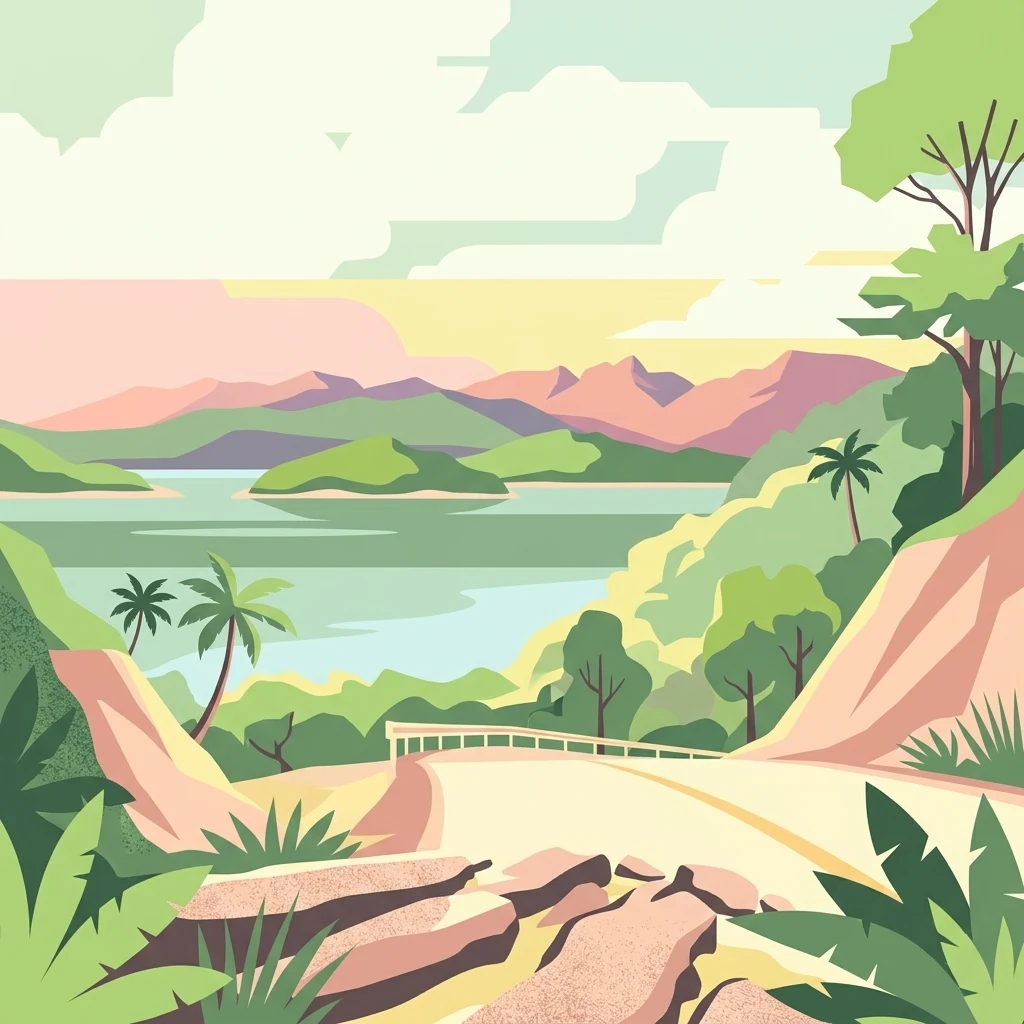
Stylized illustration showing palm trees, a winding road, a bridge, mountains, and a body of water

Mu Ko Chang National Park

National park

Park overview

Structured park overview, official facts, and landscape profile for Mu Ko Chang National Park

Mu Ko Chang National Park park facts, protected area profile, and essential visitor context
Review the core facts for Mu Ko Chang National Park, including designation, size, terrain, visitor scale, habitats, and operating context in one park-focused overview.

About Mu Ko Chang National Park

Mu Ko Chang National Park represents one of Thailand's most significant marine protected areas, encompassing a diverse archipelago in the eastern Gulf of Thailand. The park's territory spans both terrestrial and marine environments, protecting not only the islands themselves but also the surrounding waters that contain critical coral reef habitats. Ko Chang, the park's flagship island, features a landscape dominated by steep, forested mountains rising from the coastline, with the highest peak at approximately 744 meters. The park's marine component comprises approximately 70 percent of its total area, reflecting its primary identity as a coastal and maritime conservation zone.

Quick facts and research context for Mu Ko Chang National Park

Mu Ko Chang National Park covers 650 km² of marine and terrestrial territory in eastern Thailand, including 52 islands distributed across Ko Chang District and parts of Ko Kood District. The park was officially designated as Thailand's 45th national park in 1982, with approximately 70 percent of its total area being water. Ko Chang, the park's largest island, reaches elevations of approximately 744 meters at Khao Salak Phet and features rugged terrain with steep cliffs and dense forest cover. The park receives approximately 249,895 visitors annually and is administered by Thailand's Department of National Park, Wildlife and Plant Conservation.

Park context

Deeper park guide and search-rich context for Mu Ko Chang National Park

Mu Ko Chang National Park history, landscape, wildlife, and travel context
Explore Mu Ko Chang National Park through its history, landscape character, ecosystems, wildlife, conservation priorities, cultural context, and seasonal travel timing in a structured park guide built for atlas discovery and search intent.

Why Mu Ko Chang National Park stands out

Mu Ko Chang National Park is renowned for its exceptional marine biodiversity and extensive coral reef systems. The waters surrounding the archipelago support healthy coral formations, particularly around islands such as Koh Wai and the Koh Rang archipelago. The park is celebrated for its diverse terrestrial and marine fauna, including oceanic whitetip sharks, hawksbill sea turtles, and reticulated pythons. On land, the island's montane rainforests harbor significant populations of great hornbills and other endemic bird species, while the coastal areas feature mangrove ecosystems and scenic beaches along the eastern shoreline.
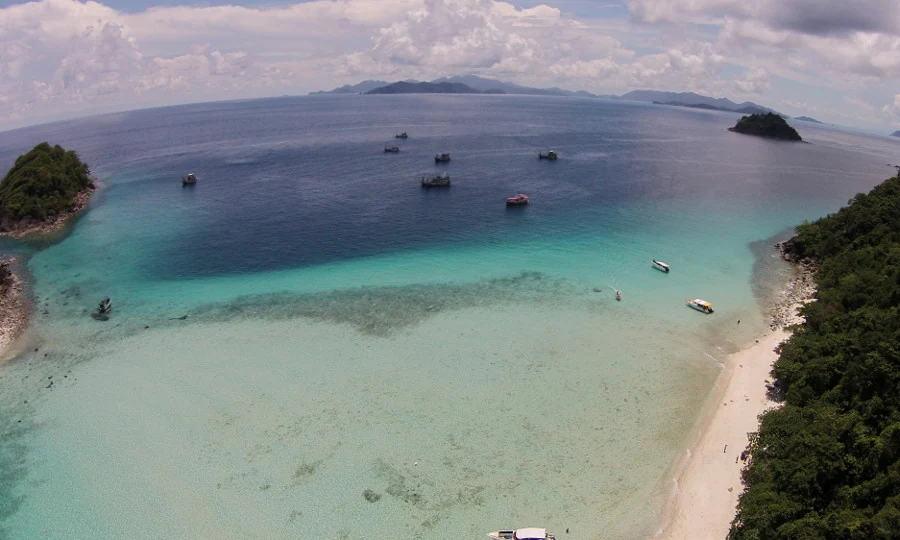
Aerial view showing turquoise water, multiple islands, boats, and a sandy beach in Mu Ko Chang National Park
Aerial view of Mu Ko Chang National Park's turquoise waters, islands, and sandy beach

Mu Ko Chang National Park history and protected-area timeline

The establishment of Mu Ko Chang National Park traces back to early conservation efforts in Thailand. Initial surveys of the area began in 1967 when officials from Trat Province explored the Than Mayom waterfall located on Ko Chang. These preliminary investigations led the Forestry Department to consider designating the area as a forest park. In 1973, the department approved in principle the creation of the Than Mayom Waterfall Forest Park, and subsequent surveys were conducted in subsequent years to gather additional data.

Mu Ko Chang National Park landscape and geographic character

The park's physical landscape is characterized by dramatic mountainous terrain on the main island of Ko Chang, with steep forested slopes descending to the coastline. The island features a central mountain chain with the highest peak at Khao Salak Phet, reaching approximately 744 meters above sea level. The terrain includes complex rock formations, cliff faces, and numerous seasonal streams that create waterfalls throughout the island. The coastal areas feature sandy beaches, rocky headlands, and sheltered bays along the eastern shore. The surrounding marine environment includes coral reefs, seagrass beds, and underwater topography that supports the park's marine ecosystems.
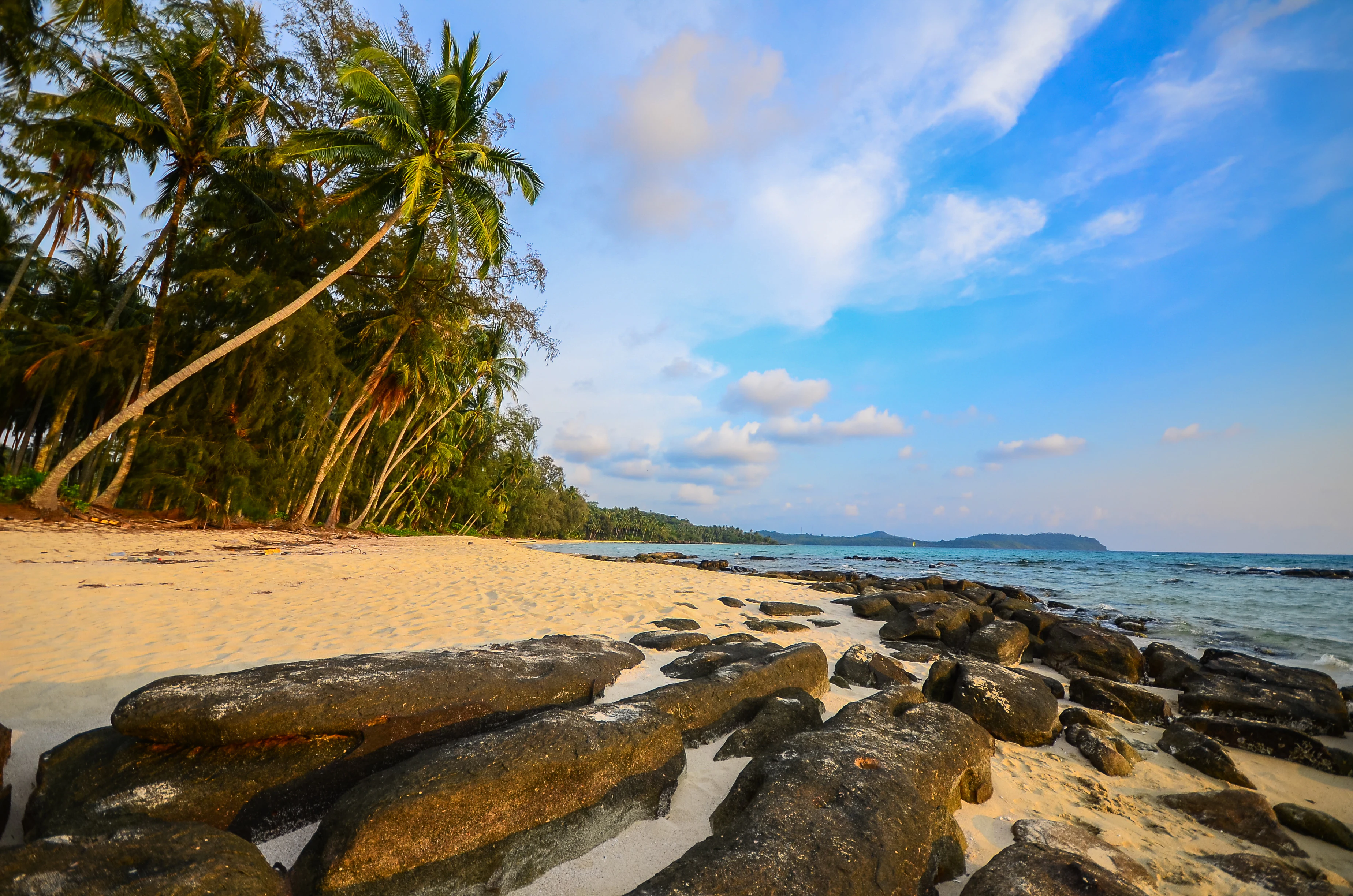
Sandy beach with large rocks, palm trees on the left, and ocean view under a partly cloudy sky.
Palm trees line a sandy beach with large rocks and calm waters under a bright blue sky.

Mu Ko Chang National Park ecosystems, habitats, and plant life

Mu Ko Chang National Park supports remarkable ecological diversity across both terrestrial and marine habitats. The terrestrial environment is dominated by moist evergreen forest and semi-evergreen forest in the higher elevations, while coastal areas contain beach forests, mangrove swamps, and peat swamp forests. The park's vegetation includes important tree species such as Dipterocarpus spp., Hopea odorata, and various members of the Dipterocarpaceae family. Marine habitats feature extensive coral reef systems that support high biodiversity, particularly around Koh Wai and the Koh Rang archipelago. The park's water areas receive significant rainfall averaging approximately 4,700 millimeters annually, with a tropical monsoon climate providing distinct wet and dry seasons.

Mu Ko Chang National Park wildlife and species highlights

The park supports a rich array of wildlife both in its marine and terrestrial zones. Marine species include oceanic whitetip shark and whitetip reef shark, while sea turtles such as the hawksbill turtle inhabit the coastal waters. The reptile population includes king cobras, reticulated pythons, and Asian water monitors. Terrestrial mammals present on the islands include barking deer, small Indian civets, squirrels, and stump-tailed macaques. The avifauna is particularly diverse, featuring species such as the red-headed trogon, blue-winged pitta, hooded pitta, great hornbill, wreathed hornbill, and oriental pied hornbill. The pink skunk clownfish inhabits the coral reef environments surrounding the islands.

Mu Ko Chang National Park conservation status and protection priorities

Mu Ko Chang National Park holds significant conservation value as a marine protected area and as a buffer zone for sustainable tourism. The park has been designated as a special area for sustainable tourism by Thailand's designated area for sustainable tourism agency since 2004. The coral reef systems within the park boundaries represent critical marine habitats that require protection from development pressures and unsustainable fishing practices. The park's forest ecosystems provide important watershed functions, with numerous streams originating in the montane areas and feeding waterfalls that are popular visitor destinations.

Mu Ko Chang National Park cultural meaning and human context

Ko Chang Island historically served as a sheltered harbor for maritime vessels躲避 monsoon storms and as a source of freshwater and provisions, particularly at the Salak Phet Bay area. The island gained recognition as a known haven for pirates, Chinese Hokkien sailors, and Vietnamese refugees in historical periods. Prior to its designation as a national park, the island contained no permanent settlements, though eight villages now exist on the island. The waters around Ko Chang hold historical naval significance, where Thai warships engaged French vessels during the Indochina campaign in January 1941, an event commemorated in Thai naval history.

Top sights and standout views in Mu Ko Chang National Park

Mu Ko Chang National Park offers visitors access to pristine island landscapes, coral reef snorkeling and diving, and forested mountain trails. The park headquarters is located on the eastern side of Ko Chang near the Than Mayom waterfall, with three additional ranger stations positioned around the island at Khlong Son, Khlong Plu waterfall, and Salak Phet Village. The surrounding islands, particularly Koh Wai and the Koh Rang archipelago, feature some of the most well-preserved coral reefs in the region. The park's combination of mountainous interior, coastal beaches, marine environments, and historical significance makes it a comprehensive destination for nature-based tourism in eastern Thailand.

Best time to visit Mu Ko Chang National Park

The optimal period to visit Mu Ko Chang National Park falls during the cool dry season from November through February, when temperatures are moderate and rainfall is minimal. The southwest monsoon brings the wet season from May through October, with annual precipitation averaging around 4,700 millimeters. The summer season from March to April brings higher temperatures and humidity, with average temperatures around 27 degrees Celsius. The timing of visits may be influenced by the park's marine conditions, as visibility for snorkeling and diving tends to be better during the dry season months when seas are calmer.
Park location guide

Geography guide, regional context, and park location map for Mu Ko Chang National Park

Mu Ko Chang National Park park geography, regions, and map view in Thailand
Understand where Mu Ko Chang National Park sits in Thailand through a broader geographic reading of the surrounding landscape, nearby location context, and its mapped position within the national park landscape.

How Mu Ko Chang National Park fits into Thailand

Thailand is a Southeast Asian nation formerly called Siam, located in mainland Southeast Asia. It operates as a unitary parliamentary constitutional monarchy under King Vajiralongkorn. The country borders Myanmar, Laos, Cambodia, and Malaysia, with maritime boundaries involving Vietnam, Indonesia, and India. Thailand has a population of nearly 66 million and covers approximately 513,120 km². Historically, the Sukhothai Kingdom marks the beginning of Thai history, followed by the powerful Ayutthaya Kingdom.

Wider geography shaping Mu Ko Chang National Park in Thailand

Thailand occupies mainland Southeast Asia with borders to Myanmar (west/northwest), Laos (east/northeast), Cambodia (southeast), and Malaysia (south). The country has coastline along the Gulf of Thailand to the southeast and the Andaman Sea to the southwest. The territory covers approximately 513,120 km².

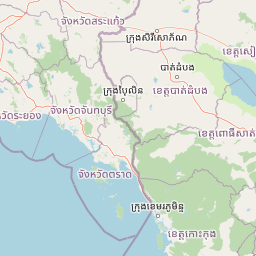
Map view of Mu Ko Chang National Park

Use this park location map to pinpoint Mu Ko Chang National Park in Thailand, understand its exact geographic position, and read its mapped placement within the surrounding landscape more clearly.

Pigeon | © OpenStreetMap contributors

Location context for Mu Ko Chang National Park

Ko Chang DistrictTrat Province

Trace the protected landscapes of Mu Ko Chang National Park through striking imagery, revealing its dramatic island terrain and vibrant marine ecosystems.

Mu Ko Chang National Park Landscapes: A Visual Atlas of Thailand's Island and Coral Reef Environments
Explore visual insights into the physical geography and protected character of Mu Ko Chang National Park through a curated gallery. These images provide a deeper understanding of its island archipelago, montane rainforests, diverse coastal ecosystems, and renowned coral reef systems within the Gulf of Thailand.

Aerial view showing turquoise water, multiple islands, boats, and a sandy beach in Mu Ko Chang National Park

Paved road curves along hillside overlooking a body of water with mountains in the background, surrounded by lush vegetation and rocky terrain

Sandy beach with large rocks, palm trees on the left, and ocean view under a partly cloudy sky.

Park atlas

Compare national parks and protected landscapes across Thailand's eastern seaboard and Gulf of Thailand islands.

Explore More Thai National Parks and Coastal Protected Areas Beyond Mu Ko Chang National Park
Browse other national parks and protected areas within Thailand's eastern coastal region and the Gulf of Thailand archipelago, extending your exploration beyond Mu Ko Chang National Park. Compare geographic features, conservation efforts, and unique marine or island ecosystems to deepen your understanding of regional protected landscapes.
National parkChanthaburi Province

Namtok Phlio National Park: A Protected Landscape in Chanthaburi Province

Explore National Park geography and mapped boundaries.

Namtok Phlio National Park, designated as a national park, offers a distinct geographic focus within Chanthaburi Province. This entry supports structured exploration of its protected landscape identity, mapped terrain, and regional context. Understand its place within the broader atlas of Thailand's conservation areas through detailed geographic information designed for discovery.

Area
135 km²
Established
1975
IUCN
II
Visitors
671.4K annual
National parkThailand

Khao Khitchakut National Park: Protected Area Geography and Mapped Boundaries in Thailand

Explore the natural landscape and park map context.

Khao Khitchakut National Park is a protected national park in Thailand, offering specific geographic context for atlas exploration. This entry details the park's mapped boundaries and its role within the regional landscape. Understand the protected area's physical geography and its place within Thailand's mapped conservation network. It's a key point for exploring the natural terrain and protected lands.

Area
59 km²
Established
1977
IUCN
II
Visitors
1.2M annual
National parkCambodia

Central Cardamom Mountains National Park: Cambodia's Premier Protected Rainforest Landscape

Explore Extensive Rainforest, Diverse Habitats, and Mountain Terrain

Central Cardamom Mountains National Park is Cambodia's largest protected area, a testament to significant rainforest conservation efforts. This national park spans approximately 4,010 square kilometers, showcasing a dynamic mountainous landscape with diverse ecological zones from coastal areas to peaks over 1,500 meters. Discover the geographic distribution of its protected boundaries and the rich tapestry of habitats that define this vital Southeast Asian natural reserve, offering deep context for atlas-based exploration.

Area
4,010.65 km²
Established
1999
IUCN
II
Relief
Mountain
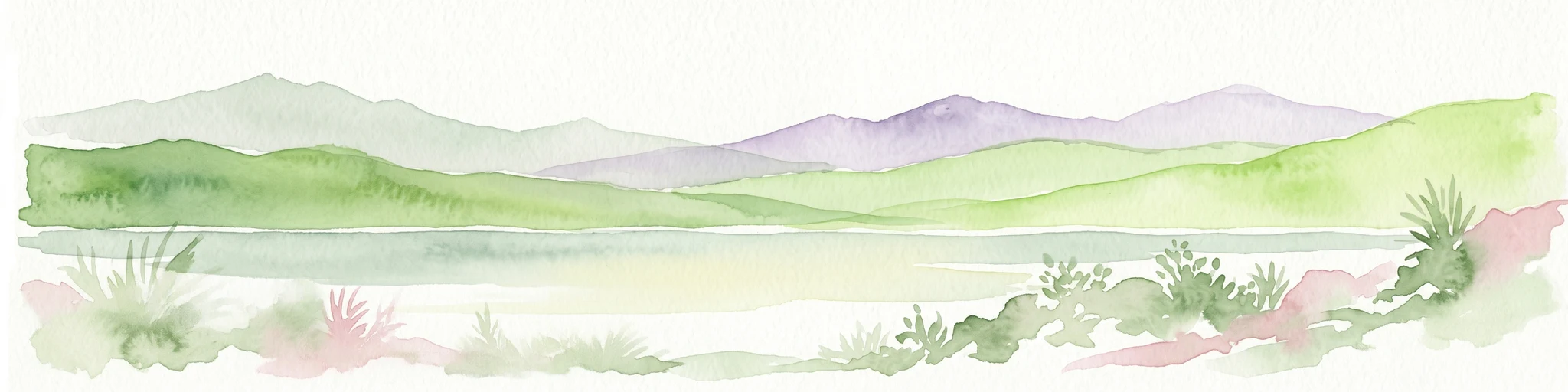
Watercolor painting showing green hills, purple mountains, and a calm water body with sparse vegetation
National parkRayong Province

Khao Laem Ya, Mu Ko Samet National Park: Marine National Park and Protected Island Geography

Coastal terrain and archipelago mapped within Rayong Province.

Delve into Khao Laem Ya, Mu Ko Samet National Park, a significant marine protected area located in Rayong Province, Thailand. This atlas entry highlights the park's archipelago of islands, including Ko Samet, its mainland coastal features like Khao Laem Ya, and the surrounding Gulf of Thailand waters. Understand the park's role in coastal conservation, its mapped marine environments, and its unique blend of terrestrial and aquatic protected landscapes for geographic discovery.

Area
131 km²
Established
1981
IUCN
II
Visitors
1.6M annual
National parkRayong Province

Khao Chamao, Khao Wong National Park: Protected Area Atlas and Mountain Landscape Context

Rayong Province's vital national park with mapped terrain and waterfalls.

Delve into the geography of Khao Chamao, Khao Wong National Park, a designated national park in Thailand's Rayong Province, forming a western extension of the Cardamom Mountains. This page provides detailed mapped context for its protected boundaries, forested hills, and prominent peaks, highlighting its importance as a habitat and an atlas entry for understanding regional landscapes. Explore the park's terrain and its role in conservation.

Area
84 km²
Established
1975
IUCN
II
Visitors
218.4K annual
National parkCambodia

Botum Sakor National Park: Cambodia's Largest National Park and Coastal Wilderness

Explore its mapped geography and protected landscape features.

Botum Sakor National Park represents Cambodia's largest national park, offering a unique protected landscape where the Cardamom Mountains meet the Gulf of Thailand. The park's diverse geography includes extensive evergreen forests, grasslands, and significant coastal wetland ecosystems, such as mangrove and freshwater swamp forests. Examining its mapped boundaries reveals a critical area for biodiversity and regional ecological context within Southeast Asia's protected lands.

Area
1,825.85 km²
Established
1993
IUCN
II
Relief
Lowland
National parkKoh Kong province

Southern Cardamom National Park: A Vital Protected Landscape in Koh Kong Province

Explore its mapped boundaries and conservation significance.

Southern Cardamom National Park is a crucial protected area in southwestern Cambodia, encompassing a significant portion of the Cardamom Mountains. This national park serves as a vital atlas point for understanding the regional geography and conservation efforts in Southeast Asia. Its expansive territory is dedicated to safeguarding critical habitats and supporting ambitious wildlife programs, making it a cornerstone of landscape-level conservation and a key element in mapping the protected areas of the region.

Area
4,103.92 km²
Established
2016
IUCN
II
Relief
Mountain
National parkKampong Speu Province

Kirirom National Park: Cambodia's Pioneering Protected Mountain Landscape

Explore its mapped terrain and regional geography in Kampong Speu Province

Kirirom National Park stands as Cambodia's foundational national park, safeguarding a significant portion of the eastern Cardamom Mountains. This protected landscape is defined by its elevated terrain and mountain forest ecosystems, offering a distinct geographic character within Kampong Speu Province. Its atlas-style exploration reveals the mapped boundaries and regional context of this pioneering conservation area, providing insight into Cambodia's commitment to preserving its natural heritage.

Area
283.75 km²
Established
1993
IUCN
II
Relief
Mixed relief

Common questions about visiting, size, designation, and location context for Mu Ko Chang National Park

Mu Ko Chang National Park FAQs for park facts, access, geography, and protected area context
Find quick answers about Mu Ko Chang National Park, including protected-area facts, park geography, trail and visitor context, and how the park fits into its surrounding country and regional landscape.
MoriAtlas Explorer

Continue Your Protected Areas Search Across the Global Atlas

Deepen your exploration by continuing the structured search for national parks and protected areas worldwide. Utilize the comprehensive filtering capabilities to compare different conservation landscapes and refine your understanding of global park geography. Discover more about the distribution and characteristics of protected natural areas.

Global natural geography