Why Khao Khitchakut National Park stands out
Khao Khitchakut is best known for two distinct qualities: its natural landscapes of forested mountains and waterfalls, and its sacred Buddhist site at Khao Phra Bat peak containing a revered Buddha footprint. The park's Krathing Falls, a 13-level waterfall system fed by the Chanthaburi River, is a major attraction for visitors. The mountain peak also features distinctive rock formations attributed with shapes resembling a pagoda, a monk's alms bowl, a turtle, and an elephant. During the Magha Puja holiday, large numbers of Thai Buddhists make pilgrimages to the Buddha footprint site, making this one of the country's more significant religious natural landmarks.
Khao Khitchakut National Park history and protected-area timeline
Khao Khitchakut National Park was officially designated as Thailand's 14th national park on 4 May 1977, marking a significant milestone in the country's early conservation efforts. The establishment of the park reflected Thailand's growing commitment to preserving its natural landscapes and biodiversity during the late 1970s, a period when the nation was systematically developing its national park system. The park was created to protect the forest ecosystems of the Soi Dao Mountains and the unique religious site at Khao Phra Bat. Management responsibilities fall to Thailand's Department of National Parks, Wildlife and Plant Conservation, which oversees both the ecological preservation and visitor services for the property. The park's designation also helped establish a connected protected zone alongside the adjacent Khao Soi Dao Wildlife Sanctuary, creating a larger conservation landscape in the region.
Khao Khitchakut National Park landscape and geographic character
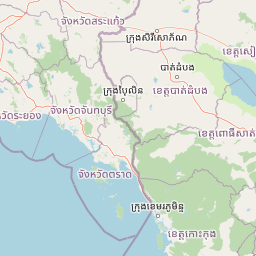
The terrain of Khao Khitchakut National Park is characterized by mountainous forest landscapes within the Soi Dao Mountains. The park's highest point reaches 1,085 metres at Khao Phra Bat peak, which dominates the western portion of the protected area. The mountainous terrain features steep slopes and ridgelines typical of the Cardamom Mountains system, with valleys and drainage channels cutting through the forest. The Chanthaburi River and its tributaries flow through the park, feeding the waterfall systems that are among the park's most notable features. The Krathing waterfall system descends through 13 distinct levels, with nature trails intersecting the cascade at various points, creating a scenic and accessible attraction for visitors. Additional waterfalls include Changsay and Klong Piboon, further adding to the park's water-related landscape features. The combination of forested mountain slopes, prominent peaks, and waterfall systems creates a visually diverse landscape within the relatively small park boundary.
Khao Khitchakut National Park ecosystems, habitats, and plant life
The park's forest ecosystems represent significant ecological value within Thailand's eastern region. The vegetation includes several valuable timber species such as Dalbergia cochinchinensis, Pterocarpus macrocarpus, Afzelia xylocarpa, Dipterocarpus tuberculatus, Xylia xylocarpa, and Lagerstroemia calyculata. These species represent the typical composition of lowland and hill dipterocarp forests found throughout the Cardamom Mountains region. The forest coverage provides critical habitat for diverse wildlife species and contributes to watershed protection for the Chanthaburi River basin. The park's position within the broader Cardamom Mountains ecosystem connects it to one of Southeast Asia's most significant remaining forest areas, making it part of a larger ecological network that supports substantial biodiversity. The protected status helps preserve these forest communities from logging and conversion pressures that have affected much of the surrounding lowland areas.
Khao Khitchakut National Park wildlife and species highlights
Khao Khitchakut National Park supports several notable mammal species within its forest habitats. Large mammals present in the park include gaur, Asiatic black bear, sambar deer, and serow, representing some of the region's more significant terrestrial megafauna. Wild elephant herds have also been recorded within the park, though their movements likely extend between protected areas. Smaller mammal species include the northern red muntjac, which is commonly encountered in forest edge areas. The bird diversity includes species such as the Asian koel, blue-winged pitta, hooded pitta, and Oriental magpie-robin, representing both resident and potentially migratory species. The combination of forest habitats at varying elevations supports this diversity of wildlife, though the park's relatively small size means that larger species may move between the protected area and adjacent habitats including the Khao Soi Dao Wildlife Sanctuary.
Khao Khitchakut National Park conservation status and protection priorities
Khao Khitchakut National Park contributes to Thailand's conservation framework as an IUCN Category II protected area, representing national park status that emphasizes both ecosystem protection and sustainable recreation. The park forms part of a larger conservation landscape when combined with the adjacent Khao Soi Dao Wildlife Sanctuary, creating a more extensive protected zone that supports wildlife movement and ecological processes. The protected status helps preserve the forest ecosystems of the Soi Dao Mountains, which represent a significant remnant of the original forest cover that once dominated eastern Thailand. The protection of the Buddha footprint site also provides an additional layer of cultural preservation, as the religious significance ensures ongoing stewardship by local communities. The park's relatively small size presents both challenges and opportunities, requiring careful management to balance visitor use with ecological preservation.
Khao Khitchakut National Park cultural meaning and human context
Khao Khitchakut holds profound significance within Thai Buddhist tradition due to the presence of a sacred Buddha footprint at Khao Phra Bat peak. This religious site is one of the few natural Buddha footprint locations in Thailand and attracts significant pilgrimages, particularly during the Magha Puja holiday in February or March. The pilgrimage tradition connects the natural landscape with spiritual practice, making the park a place where ecological and cultural values intersect. The rock formations at Khao Phra Bat peak have also acquired traditional attributions, with local interpretation assigning the shapes of a pagoda, a monk's alms bowl, a turtle, and an elephant to various rock features. This cultural layer adds depth to the park's identity beyond its purely ecological significance, reflecting how natural landscapes in Thailand have historically been incorporated into religious and spiritual practice.
Top sights and standout views in Khao Khitchakut National Park
Khao Khitchakut National Park offers visitors a combination of natural and cultural attractions within a relatively accessible mountain setting. The Buddha footprint site at Khao Phra Bat peak represents the park's most significant cultural feature, drawing Buddhist pilgrims and curious visitors alike. Krathing Falls, with its 13-level cascade system, provides a scenic natural attraction that can be explored via nature trails that intersect the waterfall at multiple points. The mountain trails leading to Khao Phra Bat reward hikers with both panoramic views and the opportunity to visit the sacred footprint site, while the surrounding forest areas offer chances to observe wildlife and experience the park's ecological character. The park's proximity to Chanthaburi town makes it a feasible day-trip destination while still providing a meaningful natural retreat.
Best time to visit Khao Khitchakut National Park
The optimal time to visit Khao Khitchakut National Park coincides with the cool dry season from November through February, when temperatures are more comfortable for hiking and the forest environment is typically less humid. However, the park holds particular significance during the Magha Puja holiday, typically falling in February or March, when thousands of Buddhist pilgrims ascend to the Buddha footprint site at Khao Phra Bat. Visitors seeking a quieter experience may prefer to avoid this major pilgrimage period, while those interested in witnessing the traditional ceremonies may plan their visit accordingly. The wet season from May to October brings increased rainfall that can affect trail conditions and accessibility, though the waterfalls typically flow more strongly during and after the rainy period.