Why Mu Ko Phetra National Park stands out
Mu Ko Phetra is best known for its extensive marine ecosystem protection spanning a chain of approximately 30 islands in the Strait of Malacca. The park is particularly recognized for its rich coral reef formations that surround many of the islands, providing habitat for diverse marine life. Several islands function as significant marine turtle nesting sites, with beaches serving as protected egg-laying locations. The park's limestone island formations, especially the dramatic castle-like rocks on Ko Khao Yai and the oddly shaped cliffs of Ko Phetra, are visually striking features. The swiftlet nest harvesting tradition on certain islands represents a unique cultural and economic practice, with nests collected from high cliff caves and valued in the bird's nest trade.
Mu Ko Phetra National Park history and protected-area timeline
Mu Ko Phetra National Park was established on December 31, 1984, becoming the 49th national park in Thailand and the 14th marine national park within the country's protected area system. The establishment reflected Thailand's growing commitment to marine conservation during the 1980s, a period when the country began expanding its network of marine protected areas to safeguard coastal and offshore ecosystems. The park's creation recognized the ecological significance of the island chain and surrounding marine environment in the Strait of Malacca, an area with substantial biodiversity and traditional fishing use. Since its designation, the park has operated under the management of Thailand's Department of National Parks, Wildlife and Plant Conservation, which oversees protection, visitor management, and conservation programs. The park has maintained its marine focus while also addressing the terrestrial components of the islands, including the limestone formations, beaches, and cave systems that support specialized species. The tradition of bird nest collection from island cliffs predates the park's establishment and continues under concession arrangements, representing a historical use pattern that has been integrated into the park's management framework.
Mu Ko Phetra National Park landscape and geographic character
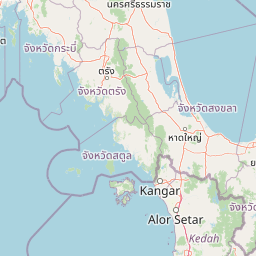
The landscape of Mu Ko Phetra National Park is defined by its marine environment and island formations, with limestone geology creating the most distinctive visual features. The islands scattered across the park display characteristic steep limestone cliffs that rise abruptly from the sea, often topped with vegetation and containing cave systems in their upper reaches. Most islands feature relatively small beaches due to the steep nature of the coastline, though several support more substantial sandy areas. The two largest islands, Ko Phetra and Ko Khao Yai, showcase the park's most dramatic terrain. Ko Phetra is noted for its oddly shaped cliffs that give the island a distinctive profile, while Ko Khao Yai features castle-like limestone formations and the sheltered Ao Kam Poo bay with its freshwater input from a waterfall and stream. The park includes the mainland Rawai Beach, a 3.5-kilometer stretch on the Trang Province coast that serves as a popular camping location and provides visitor access to the island park. The underwater landscape features extensive coral reef formations in the shallow waters surrounding many islands, creating a contrasting marine terrain to the rugged above-water limestone scenery.
Mu Ko Phetra National Park ecosystems, habitats, and plant life
The nature of Mu Ko Phetra centers on its marine ecosystems, which constitute the overwhelming majority of the park's protected area. The open water environments support diverse pelagic and reef-associated species, while the coral reef systems around islands provide critical habitat for numerous fish species, invertebrates, and other marine organisms. The park's islands support terrestrial vegetation adapted to the limestone terrain, with vegetation zones ranging from beach strand vegetation through coastal scrub to forest on the higher slopes of larger islands. The cave systems within island cliffs support specialized fauna adapted to dark environments, with swiftlets being the most notable inhabitants due to their economically valuable nests. The marine turtle nesting beaches represent a particularly significant ecological feature, as these sites support the continuation of turtle populations in the region. The mix of island types within the park, from bare rock outcrops to larger forested islands, creates habitat diversity that supports different species assemblages across the archipelago.
Mu Ko Phetra National Park wildlife and species highlights
Wildlife in Mu Ko Phetra National Park spans both marine and terrestrial environments, with marine turtles being among the most significant faunal components. Several islands within the park serve as nesting sites where female turtles come ashore to deposit eggs in the sandy beaches, particularly on the shores of Ao Kam Poo bay on Ko Khao Yai. The surrounding waters support marine turtles as well as diverse fish communities associated with the coral reef systems. Birdlife includes the swiftlets that nest in the high caves of island cliffs, with certain islands having been placed under concession for decades to harvest the valuable bird nests. These nest collection activities require specialized access and are managed through permitting systems. The islands support various bird species adapted to coastal and island environments, while the surrounding waters attract seabirds and migratory species. The terrestrial wildlife on larger islands includes species adapted to limestone forest habitats, though the park's wildlife focus emphasizes the marine environment given the predominantly oceanic character of the protected area.
Mu Ko Phetra National Park conservation status and protection priorities
Mu Ko Phetra National Park serves as an important marine conservation area protecting reef systems, island ecosystems, and critical marine turtle nesting sites in Thailand's southern waters. The park's designation reflects recognition that the archipelago and its surrounding marine environment contain ecological values requiring formal protection. The coral reefs around multiple islands represent biodiversity hotspots that benefit from the protected status, which limits potentially damaging activities within park boundaries. Marine turtle nesting beaches receive protection that helps ensure the continued survival of turtle populations in the Strait of Malacca region. However, the park faces ongoing conservation challenges from proposed development in the surrounding area, particularly the Pak Bara deepwater seaport project. Increased maritime traffic and coastal development associated with such infrastructure could impact water quality, marine habitats, and the overall ecological integrity that the park was established to protect. The park's management must balance conservation objectives with sustainable visitation and traditional uses that have historical roots in the local marine environment.
Mu Ko Phetra National Park cultural meaning and human context
The cultural context of Mu Ko Phetra National Park reflects the maritime traditions of both Thai and Malay communities in the southern peninsula region. The park's name originates from Malay, with "Phetra" derived from "Pulau Petra" meaning the island of Petra, indicating the historical Malay influence on the area's toponymy. Several islands have both Thai and Malay names, reflecting the cultural overlap between the two communities in this border region near the provincial boundary between Trang and Satun. The bird nest collection tradition represents a historical economic activity that predates park establishment and continues under concession arrangements, with collectors accessing high cliff caves to harvest swiftlet nests that are highly valued in regional markets. Islands have historically served as temporary refuges for fishermen during the fishing season, a traditional use pattern that continues today. The park's islands are not permanently inhabited, but the surrounding waters and coastlines support communities whose livelihoods are intertwined with the marine environment that the park protects.
Top sights and standout views in Mu Ko Phetra National Park
Mu Ko Phetra National Park offers distinctive marine and island experiences within a protected framework. The park's approximately 30 islands provide diverse exploration opportunities, from the dramatic limestone cliffs of Ko Khao Yai to the nesting turtle beaches of Ao Kam Poo bay. Coral reef diving and snorkeling around islands such as Ko Phetra and Ko Bulon reveal underwater environments protected from more intensive use. The park's status as a marine national park distinguishes it from Thailand's more numerous mountain and forest parks, offering a different conservation and recreation paradigm centered on island and marine environments. The swiftlet nest concession islands represent a unique aspect, though access for nest collection is controlled and not generally available to regular visitors. The mainland Rawai Beach provides accessible coastal recreation and camping opportunities for visitors preferring to experience the park from the mainland rather than island-hopping.
Best time to visit Mu Ko Phetra National Park
Mu Ko Phetra National Park can be visited throughout the year, though the optimal period generally corresponds to the dry season from November through April when conditions are most favorable for marine activities and island exploration. During these months, sea conditions tend to be calmer and visibility for diving and snorkeling around coral reefs is typically better than during the wet season. The monsoon season from May through October brings increased rainfall and sometimes rougher sea conditions that may affect boat access to more remote islands and reduce underwater visibility. However, the park remains accessible year-round, and the wet season may offer different experiences for visitors seeking fewer crowds. Water temperature remains warm throughout the year given the tropical location, allowing for comfortable marine activities in any season. Visitors interested in marine turtle nesting should be aware that nesting occurs at different times depending on species, with peak periods varying across the year.