Why Nandur Madhameshwar Bird Sanctuary stands out
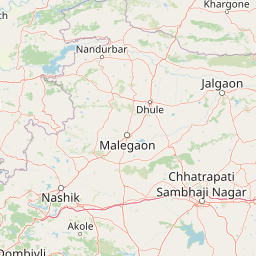
Nandur Madhameshwar is best known for being a large, accessible birding wetland along the Godavari River in Maharashtra, supporting large flocks of migratory and resident waterbirds. The sanctuary's reputation as the Bharatpur of Maharashtra rests on its mix of open water, marshes and wooded islands, which together attract a wide variety of herons, ducks, raptors and waders. It is also recognized as Maharashtra's first Ramsar Wetland of International Importance, a designation that reflects the site's importance not only for birds but also for the broader riverine ecosystem developed around the dam-weir structure on the Godavari.
Nandur Madhameshwar Bird Sanctuary landscape and geographic character
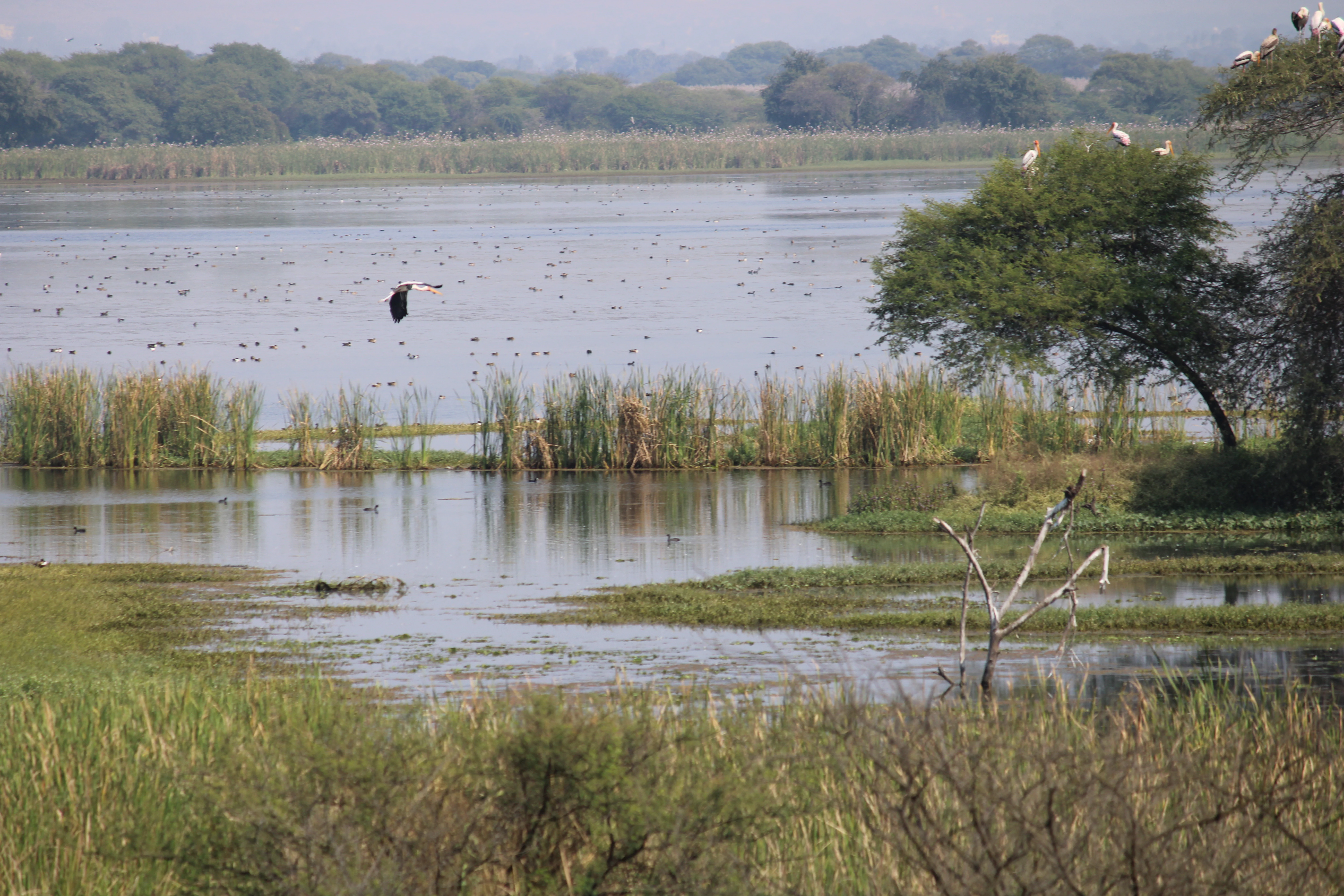
The landscape of Nandur Madhameshwar is shaped by the interaction between the Godavari River and the weir structure near the sanctuary. Instead of a single large lake, the area consists of a network of shallow waterbodies, marshy edges, partially submerged fields and low islands of vegetation, all of which vary in size and depth with the seasonal flow of the river. The result is a patchwork wetland rather than a uniform reservoir.
Surrounding and interspersed among the waterbodies are stretches of scrub, grassland and planted woodland, with tree-lined banks and elevated patches providing drier habitat in contrast to the open water. This combination of open water, marshy margins, scrub and groves gives the landscape a layered character, with edges and transitions that are particularly important for wading birds, herons and species that prefer partially vegetated shallows.
Nandur Madhameshwar Bird Sanctuary ecosystems, habitats, and plant life
The sanctuary's ecological identity centers on a freshwater wetland system created and sustained by the modified flow of the Godavari. Aquatic vegetation thrives in the shallow waters, while a variety of tree species grow along the banks, on islands and on slightly higher ground, producing a mixed habitat of aquatic, wetland and terrestrial vegetation.
Reported plant species include Babul, Tamarind, Neem, Jamun, Vilayati, Maharukh, Pangara, Mango and Eucalyptus, along with various aquatic plant species found in the waterbodies themselves. This blend of native and planted species contributes to a heterogeneous habitat structure, where clumps of trees interrupt open water patches and damp margins are interspersed with grassy areas. Such variety in habitat types is central to the sanctuary's ability to support a wide range of bird species across seasons.
Nandur Madhameshwar Bird Sanctuary wildlife and species highlights
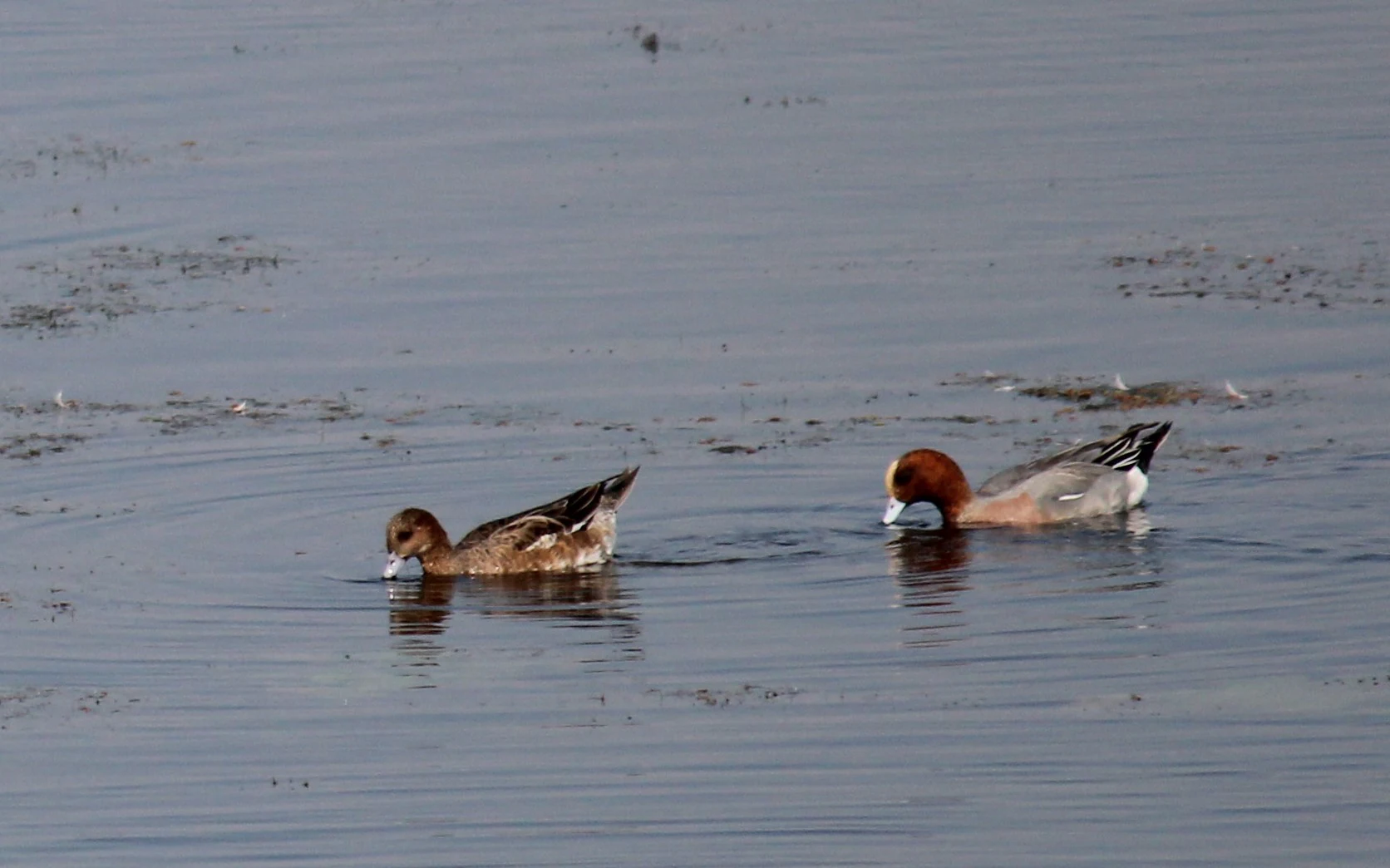
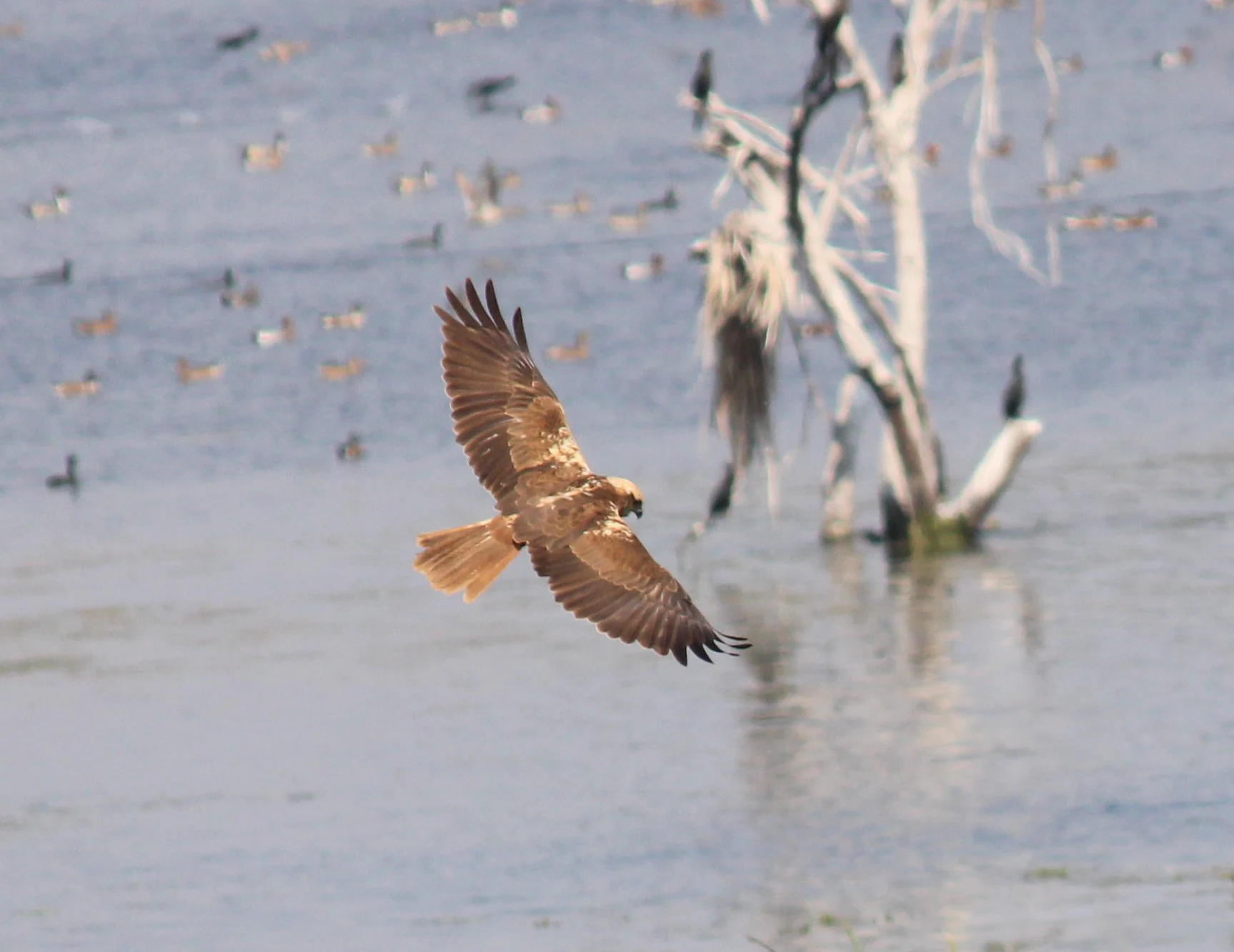
Nandur Madhameshwar is fundamentally a bird sanctuary, and its wildlife profile is dominated by waterbirds and associated species. The combination of open water, marshy shallows and tree cover supports a mix of waders, swimmers and raptors, with marsh harriers and Eurasian wigeons among the species visually associated with the site.
The sanctuary functions as a refuge for resident species as well as a seasonal destination for migratory birds, which arrive in large numbers during the winter months when the wetlands hold more water and food resources. Beyond birds, the mosaic of aquatic and terrestrial habitats also supports a broader community of wetland-dependent fauna typical of Indian riverine environments, although the sanctuary's identity and visitor emphasis are strongly oriented toward birdlife.
Nandur Madhameshwar Bird Sanctuary conservation status and protection priorities
Nandur Madhameshwar has formal recognition as a protected area at both national and international levels. It was established as a sanctuary in 1986 and is classified under IUCN Category IV, indicating a focus on managing habitat and specific species rather than on strict wilderness protection.
In 2020, the site was designated as the Nandur Madhameshwar Ramsar Wetland, becoming Maharashtra's first Ramsar site. This Ramsar designation marks the sanctuary as a Wetland of International Importance under the Ramsar Convention, placing it within a global framework for wetland conservation. The sanctuary's conservation value lies in its role as a modified but functioning riverine wetland that sustains significant bird populations and exemplifies how engineered river structures can, with adequate management, generate ecologically valuable habitat.
Top sights and standout views in Nandur Madhameshwar Bird Sanctuary
The sanctuary's main highlights revolve around its identity as a flagship birding destination in Maharashtra and the state's entry point into the international Ramsar network of important wetlands. Its bird-rich waterbodies, set within a working rural landscape, give it a distinctive feel that sets it apart from either remote forested reserves or purely natural lakes.
The combination of accessible location, large size for an inland wetland sanctuary, and formal Ramsar recognition makes Nandur Madhameshwar a key reference point in discussions about wetland conservation in the Godavari basin and in Maharashtra more broadly.
Best time to visit Nandur Madhameshwar Bird Sanctuary
As a wetland-dependent bird sanctuary, Nandur Madhameshwar is typically at its most rewarding when water levels are favorable for waterbirds and migratory species, generally during the cooler months in Maharashtra when many northern migrants are present. Outside this peak season, the area still functions as a productive wetland but may offer different bird activity patterns.
Seasonal visit timing is closely tied to both rainfall and bird migration cycles on the Deccan plateau. Wetland condition and bird activity can fluctuate with the monsoon's influence on the Godavari's flow and the sanctuary's water levels.