Why Nevado Tres Cruces National Park stands out
The park is most renowned for its populations of Andean flamingos, which reside year-round at Laguna Santa Rosa, one of the few locations where these distinctive birds maintain permanent populations rather than seasonal visits. The high-altitude salt flat of Salar de Maricunga, lying at 3,700 meters and spanning 8,300 hectares, provides a dramatic backdrop of white mineral crust against the brown Andean foothills. The proximity to Ojos del Salado, the world's highest volcano and Chile's highest peak at 6,893 meters, adds geological significance to the park's setting.
Nevado Tres Cruces National Park history and protected-area timeline
The park was officially established on December 2, 1996, when Chile designated this high-altitude wetland complex as a national park. The creation of the protected area reflected growing recognition of the ecological importance of Andean wetland systems and the need to preserve the unique habitats supporting populations of Andean flamingos and other specialist species. The Ramsar Convention designation as a Wetland of International Importance followed shortly after the park's establishment, formalizing the site's global conservation significance. Prior to national park status, the lagoons and surrounding areas had been recognized for their ecological value, but the formal protected area designation enabled more comprehensive management and conservation enforcement. The park's creation also reflected Chile's broader commitment to protecting its high-altitude environments, which had gained increased attention during the late 20th century as understanding of their ecological fragility and biodiversity importance grew.
Nevado Tres Cruces National Park landscape and geographic character
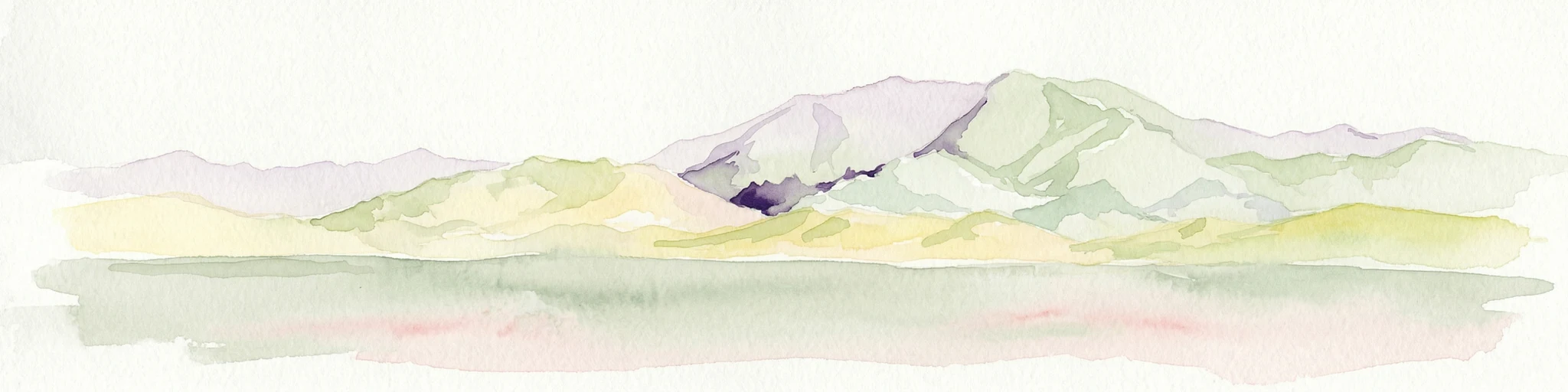
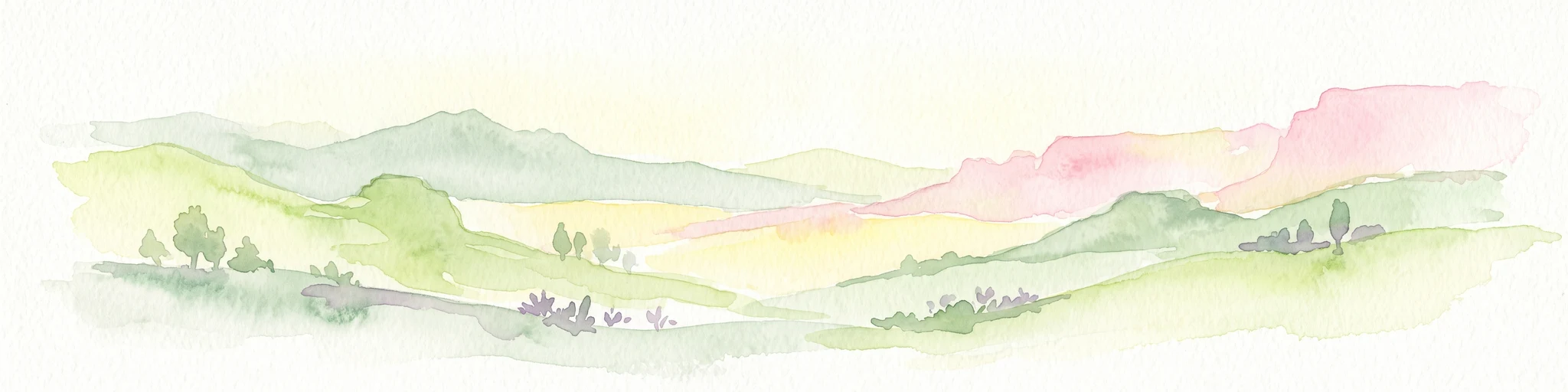
The park's landscape is defined by three primary geographic elements that create a striking ensemble of high-altitude terrain. The Salar de Maricunga occupies the northern portion of the park, a vast salt flat spanning 8,300 hectares at 3,700 meters elevation, its white mineral surface creating a stark contrast against the surrounding brown Andean foothills and distant volcanic peaks. Laguna Santa Rosa lies just south of the salt flat, a lagoon whose shallow waters support dense populations of Andean flamingos and provide critical habitat in this otherwise water-scarce region. Laguna del Negro Francisco, situated further south at 4,126 meters elevation, sits enclosed by Andean foothills with views toward the imposing Copiapó volcano in the distance. The entire park lies within the Andes mountain range, a region of active volcanism and dramatic topography where the world's highest volcano, Ojos del Salado, rises nearby at 6,893 meters. The landscape lacks significant tree cover, instead featuring the sparse grasses and cushion plants typical of high-altitude Andean steppe.
Nevado Tres Cruces National Park ecosystems, habitats, and plant life
The ecological character of Nevado Tres Cruces National Park centers on its high-altitude wetland systems, which represent rare islands of productivity in the arid Andean environment. The park lies at the northern extent of the Southern Andean steppe, a biome characterized by cold temperatures, intense solar radiation, and limited precipitation. These wetlands, despite their small total area compared to the surrounding desert, support remarkably concentrated biodiversity and serve as critical refuges for specialist species. The lagoons maintain year-round water availability through glacial melt and groundwater inputs, creating stable habitats that support permanent populations of species unable to survive elsewhere in the region. The salt flat ecosystem hosts unique extremophile organisms adapted to the hypersaline conditions, while the surrounding steppe supports drought-resistant vegetation communities adapted to the harsh conditions.
Nevado Tres Cruces National Park wildlife and species highlights
The park's most celebrated wildlife residents are the Andean flamingos that populate Laguna Santa Rosa year-round, making this one of the few locations in the species' range where permanent residency occurs rather than seasonal visitation. These distinctive pink birds wade in the shallow lagoon waters, filtering food from the alkaline water and creating one of the park's most iconic visual scenes. Vicuñas, the wild relatives of llamas adapted to high-altitude environments, roam the park's grasslands and foothills in reasonable numbers, their graceful silhouettes a common sight against the brown steppe. The lagoons support additional waterbird species, and the protected status of the area has allowed wildlife populations to maintain viable numbers in this challenging environment. The combination of Ramsar recognition and national park protection has helped ensure these species have secure habitat within the park's boundaries.
Nevado Tres Cruces National Park conservation status and protection priorities
Nevado Tres Cruces National Park represents one of the most important high-altitude wetland conservation areas in South America, a status reinforced by its designation as a Wetland of International Importance under the Ramsar Convention. The dual lagoon system of Santa Rosa and Negro Francisco provides critical habitat for waterbird populations, particularly the Andean flamingo, whose reliance on these sites makes the park essential for the species' long-term survival in Chile. The protected area also preserves a representative sample of the Southern Andean steppe ecosystem, ensuring that the unique flora and fauna of this high-altitude environment have secure habitat. The Ramsar listing specifically recognizes the lagoons as wetlands of international significance, acknowledging their role in supporting migratory bird populations and their exceptional ecological value within the broader Andean landscape.
Nevado Tres Cruces National Park cultural meaning and human context
The park exists within a region that has been inhabited for centuries by indigenous communities practicing traditional pastoral activities, though the extreme altitude and aridity limit human settlement within the protected area itself. The name Nevado Tres Cruces, meaning Snowy Three Crosses in Spanish, references both the permanent snow cover on the mountain and a traditional reference to the three peaks that form its summit. The high-altitude salt flat and lagoon systems have historically been used by local communities for limited grazing of llamas and alpacas, activities that continue in surrounding areas outside the core protected zones. The park's infrastructure, including the CONAF refuges, represents the primary human presence in the area, providing access for researchers, conservation workers, and seasonal visitors during the park's operating period from October through April.
Top sights and standout views in Nevado Tres Cruces National Park
The turquoise waters of Laguna Santa Rosa against white salt crust, dotted with pink Andean flamingos, constitute the park's most memorable visual experience. The proximity of Ojos del Salado, the world's highest volcano visible from the salt flat, provides a dramatic geological backdrop that emphasizes the extreme elevation and volcanic activity shaping the landscape. The stark silence and vast emptiness of the Salar de Maricunga, where the only movement may be vicuñas on distant hillsides, offers an immersive experience of high-altitude wilderness. The elevated vantage points throughout the park provide sweeping views across interconnected wetland basins, salt flats, and volcanic peaks, revealing the ecological complexity of this Andean corner.
Best time to visit Nevado Tres Cruces National Park
The park operates seasonally from October through April, corresponding to the warmer months in the southern hemisphere when conditions are most suitable for visitor access. During this period, snowmelt provides water to the lagoons and the surrounding landscape exhibits the maximum vegetation growth achievable in this high-altitude environment. Summer months bring the clearest skies and most stable weather, though afternoon thunderstorms can occur. The shoulder months of October and April offer fewer visitors while still providing acceptable conditions for exploring the park's trails and viewpoints. Winter closure protects the park during the colder months when temperatures drop dramatically and access becomes impractical.