Why Nowendoc National Park stands out
Nowendoc National Park is best known for its spectacular sandstone canyon scenery, particularly Callaghans Canyon, which features dramatic cliff faces and seasonal waterfalls plunging into deep pools. The park protects one of the most intact eucalypt forest ecosystems remaining on the Northern Tablelands, with tall forests of Sydney blue gum, new England stringybark, and narrow-leaved ironbark dominating the ridgelines. The Myall Creek valley supports a remarkable diversity of habitats, transitioning from dry sclerophyll forest on the exposed slopes to lush subtropical rainforest in the protected gorges where ancient cycads and tree ferns thrive. The Barnard River headwaters that flow through the park contain several significant waterfalls accessible to bushwalkers who venture beyond the basic camping area, making this park a destination for experienced hikers seeking remote wilderness experiences.
Nowendoc National Park history and protected-area timeline
The lands now protected within Nowendoc National Park have a human history extending back thousands of years, though the precise Indigenous connections to this particular area are not extensively documented in available sources. European exploration of the Northern Tablelands began in the early nineteenth century, with pastoral settlers establishing runs across the region throughout the 1830s and 1840s. The Nowendoc area remained relatively remote due to its rugged terrain and difficult access, limiting intensive agricultural development compared to other parts of the tablelands. The land that became the national park remained in various private ownerships for much of the twentieth century, with timber getting and limited grazing occurring in different periods. Recognition of the area's conservation significance grew during the 1970s and 1980s as awareness of the importance of protecting remaining old-growth forests and wilderness areas increased across Australia. The park was finally declared in 1999, creating a formal protected area that preserved both the natural values and the increasingly appreciated scenic qualities of this mountainous terrain. The NSW National Parks and Wildlife Service assumed management responsibility, implementing protection measures while allowing controlled public access to the area's wilderness values.
Nowendoc National Park landscape and geographic character
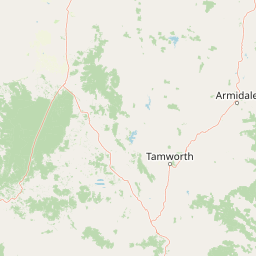
The physical landscape of Nowendoc National Park is defined by its position on the western edge of the Northern Tablelands, where the plateau gives way dramatically to the steep slopes descending toward the Manning River catchment below. The terrain is dominated by rugged sandstone escarpments and ridges, with elevation differences of several hundred metres between the creek valleys and the surrounding hilltops. The park contains several deep canyons carved by water through the sandstone, with Callaghans Canyon being the most prominent and visually spectacular of these geological features. Vertical cliff faces rise above narrow gorge floors, creating microclimates that support moisture-loving plant communities in contrast to the surrounding dry forests. Creeks including Myall Creek and Callaghans Creek have cut deep channels through the landscape, their courses marked by cascades and waterfalls that flow more strongly during the wetter months. The forest canopy is dominated by various eucalypt species that give the landscape its characteristic appearance, with the trees growing tall and straight on the better soils of the slopes and valleys. Outcrops of exposed sandstone add visual interest throughout the park, particularly in the canyon areas where erosion has revealed the layered geological character of the terrain.
Nowendoc National Park ecosystems, habitats, and plant life
The ecological character of Nowendoc National Park reflects its position at the junction of several distinct biogeographic regions, creating a mosaic of habitats within a relatively compact area. The dominant eucalypt forests cover the slopes and ridgelines, dominated by species adapted to the seasonal climate and periodic fire that characterizes the tablelands. These tall open forests support a complex web of native wildlife, from arboreal mammals like greater gliders and koalas to diverse birdlife including cockatoos, rosellas, and honeyeaters. The creek valleys contain a fundamentally different ecological community, where increased moisture and protection from wind support subtropical rainforest elements. Ancient plant lineages such as cycads and tree ferns occur in these sheltered gorges, representing remnants of vegetation types that were more widespread during wetter periods of Australia's geological history. The headwater streams of the Barnard River system contain their own aquatic ecology, with native fish and invertebrate species adapted to the clear, cool, seasonal flows. The combination of forest types, the presence of flowing water, and the varied topography creates a surprisingly biodiverse environment considering the park's relatively modest size.
Nowendoc National Park wildlife and species highlights
The wildlife of Nowendoc National Park is characteristic of the Northern Tablelands eucalypt forests, though the varied habitat types support a range of species from different ecological groups. The tall eucalypt forests provide essential habitat for koalas, which persist in significant numbers in some areas of the park despite the pressures that have reduced populations elsewhere in Australia. Greater gliders, also arboreal marsupials, are present in the older forest stands, using their large gliding membranes to move between trees in the canopy. Birdlife is particularly diverse, with sulphur-crested cockatoos, gang-gang cockatoos, and various rosella species among the more commonly observed parrots. Australian king-parrots and eastern rosellas add splashes of colour to the forest environment, while lyrebirds scratch through the leaf litter on the forest floor. Reptiles including various skink species and occasionally snakes are present in the drier forest areas, while amphibians favour the creek environments where moisture is more constant. The streams themselves support native fish species adapted to the cool, clear waters of the tablelands, completing an ecosystem that ranges from the forest canopy down to the aquatic environment of the headwater creeks.
Nowendoc National Park conservation status and protection priorities
Nowendoc National Park contributes significantly to the conservation of Northern Tablelands ecosystems, protecting one of the relatively few remaining areas of intact forest in a region that has been extensively modified by pastoral and agricultural development. The park preserves both the upland eucalypt forests and the restricted rainforest communities that occur in the protected gorges, representing habitat types that have declined substantially across their former range. Protection of the Barnard River headwaters is particularly important, as these streams feed into broader river systems downstream, making the park's conservation role extend beyond its boundaries to encompass catchment-scale ecological function. The isolated nature of the park and the challenging access have actually benefited conservation outcomes by limiting the pressure from heavy visitor use that affects more accessible protected areas. Management focuses on maintaining the natural values while allowing appropriate low-impact recreational use, with particular attention to managing fire to protect both life and property while maintaining the ecological role of fire in the eucalypt forest ecosystem.
Nowendoc National Park cultural meaning and human context
The cultural context of Nowendoc National Park includes both Indigenous heritage and the more recent pastoral history that shaped the European settlement of the Northern Tablelands. The traditional lands of the Birrip people extended across this area of New South Wales, though specific connections to the Nowendoc landscape are not extensively documented in available sources. European settlement brought pastoral runs to the tablelands from the 1830s onward, with the rugged terrain around Nowendoc remaining less intensively developed than more accessible neighbouring areas. Remnants of early European use may exist in the park, though the focus of heritage management is primarily on preserving natural values rather than built heritage. The small community of Nowendoc itself, located near the park's eastern boundary, provides a limited service centre for visitors, though most supplies would be obtained in larger towns like Walcha or further afield. The relationship between the local community and the national park continues to evolve as the park becomes better known and visitor numbers gradually increase.
Top sights and standout views in Nowendoc National Park
Nowendoc National Park offers several standout features that distinguish it from other protected areas on the Northern Tablelands. Callaghans Canyon provides the park's most dramatic scenery, with its sheer sandstone walls and seasonal waterfalls creating a spectacular natural display that rewards visitors who make the effort to reach it. The Myall Creek Campground offers a genuine back-to-basics camping experience in tall eucalypt forest, appealing to those who prefer minimal infrastructure and self-sufficient outdoor recreation. The network of walking tracks through the park leads to hidden waterfalls and scenic lookouts that remain relatively unknown compared to more famous national parks, preserving a sense of discovery for adventurous visitors. The combination of eucalypt forest and subtropical rainforest in close proximity demonstrates remarkable ecological diversity within a small area, with the transition between these distinct vegetation types visible along watercourses. Four-wheel drive enthusiasts find the park's challenging access part of its appeal, with the remote Wrights Hut area offering a more rugged experience for those with appropriate vehicles and skills.
Best time to visit Nowendoc National Park
The optimal time to visit Nowendoc National Park depends on what visitors hope to experience, though the cooler months from late autumn through winter into early spring generally offer the most comfortable conditions for exploring the park. Winter brings crisp, clear days with minimal rainfall in most years, making the walking tracks more accessible and the forest scenery particularly attractive as morning mist fills the valleys. The waterfall flows are heavily dependent on recent rainfall, so visiting after good seasonal falls will produce the most impressive displays at Callaghans Canyon and other cascades throughout the park. Summer months can bring hot conditions on the exposed ridgelines, though the forest valleys offer some protection from extreme temperatures. The park is accessible year-round, though wet weather can make the gravel roads treacherous and may close the more remote sections. Visitors should be aware that the camping facilities are basic and that the park receives relatively few visitors compared to more famous destinations, meaning that the experience is genuinely wilderness-oriented rather than developed tourism.