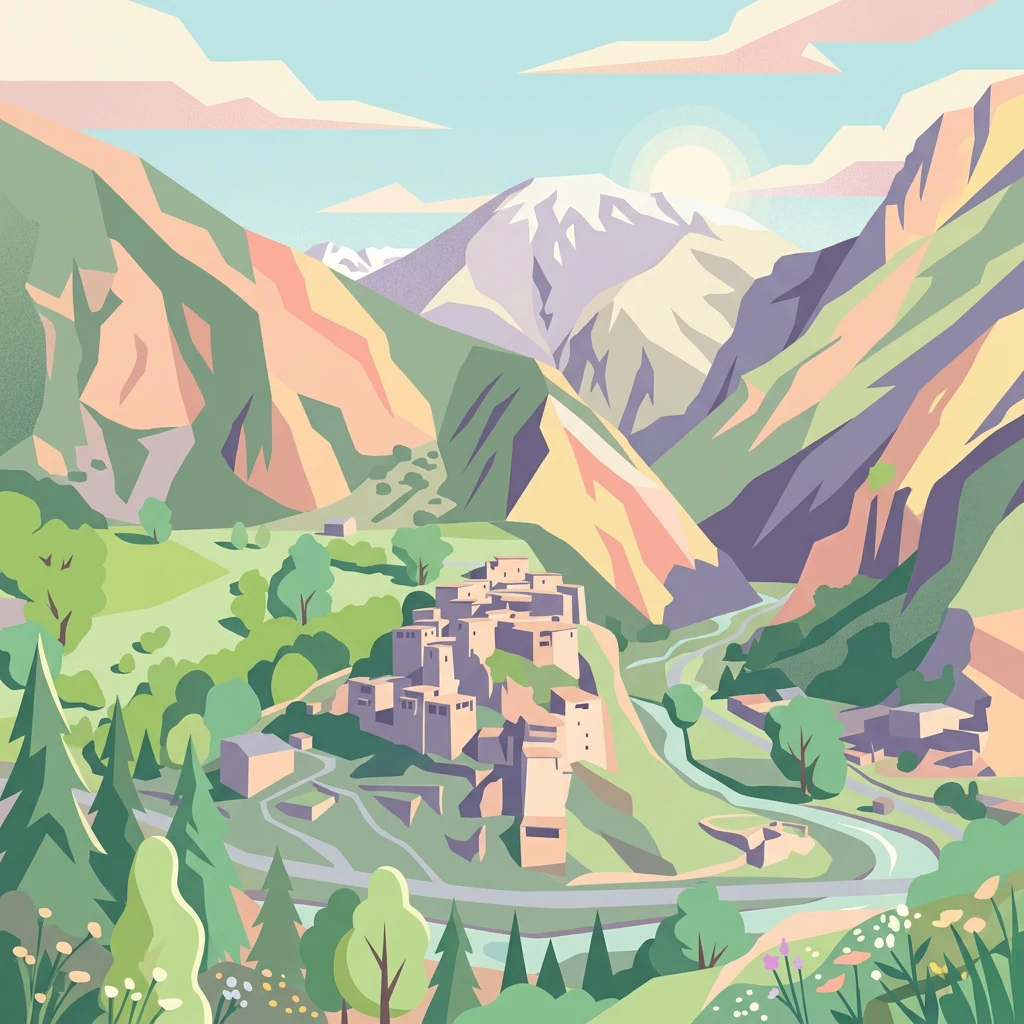

Why Pshav-Khevsureti National Park stands out
Pshav-Khevsureti National Park is best known as a critical stronghold for the Persian leopard in the Caucasus region. The park protects significant populations of East Caucasian tur, a mountain ungulate endemic to the Greater Caucasus, as well as Bezoar goat, chamois, brown bear, and European lynx. The park also encompasses the cultural landscape of Khevsureti, with its chain of historic tower villages that once defended this strategically important mountain corridor between the northern Caucasus and the valleys of central Georgia.
Pshav-Khevsureti National Park history and protected-area timeline
Pshav-Khevsureti National Park was established in 2014 as part of Georgia's expanding network of protected areas. The creation of the park was directly supported by the World Wide Fund for Nature, reflecting international recognition of the area's conservation significance, particularly for populations of Persian leopard and other threatened species. The establishment came during a period of systematic expansion of Georgia's protected area network, which has sought to protect the country's remarkable biodiversity while promoting sustainable development in mountain communities. The park encompasses the traditional territory of the Khevsureti people, a highland community with a distinctive cultural identity shaped by centuries of mountain living, defensive architecture, and transhumance practices.
Pshav-Khevsureti National Park landscape and geographic character
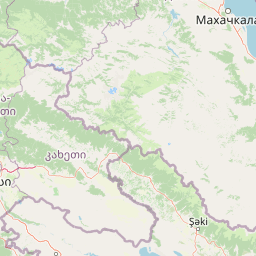
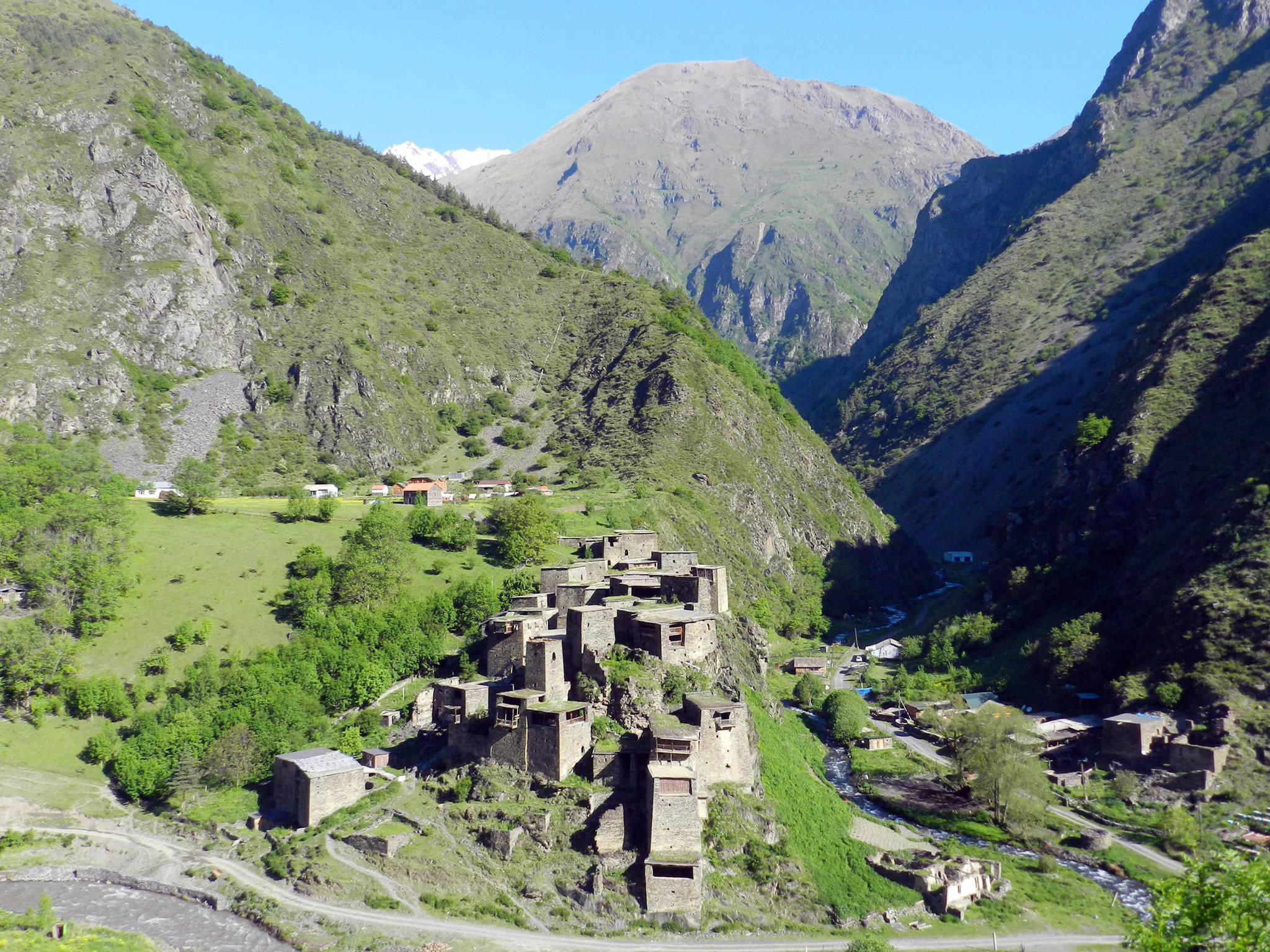
The landscape of Pshav-Khevsureti National Park is characterized by dramatic mountain terrain typical of the Greater Caucasus. Deep river valleys carve through the protected area, with the Asa, Aragvi, and Pshavi Aragvi rivers creating corridors of forested slopes and meadowlands between steep ridgelines. The terrain rises from approximately 1,300 meters above sea level in the valley bottoms to exceed 3,000 meters in the alpine zones, encompassing a range of habitats from deciduous and mixed forests through subalpine meadows to rocky alpine terrain. The Khevsureti region is known for its distinctive landscape character, shaped by both natural processes and centuries of human presence through village settlements, agricultural terraces, and the famous tower architecture that dots the mountain slopes.
Pshav-Khevsureti National Park ecosystems, habitats, and plant life
The natural environment of Pshav-Khevsureti National Park supports remarkable biodiversity within the Caucasus biodiversity hotspot. The protected area spans multiple ecological zones, creating diverse habitats that support both widespread species and regional endemics. The forests of the lower slopes feature deciduous species typical of the eastern Caucasus, transitioning through subalpine zones to alpine meadows at higher elevations. The river systems provide aquatic habitats and create riparian corridors through the mountainous terrain. The park's elevation range and variety of aspect positions create microclimatic conditions that support diverse plant communities across the protected territory.
Pshav-Khevsureti National Park wildlife and species highlights
Pshav-Khevsureti National Park is home to an impressive array of large mammals, several of which are of particular conservation concern. The park serves as a crucial area for conservation of the Persian leopard, one of the rarest large cats in the region and listed as endangered across its range. The East Caucasian tur, a mountain goat-antelope endemic to the Greater Caucasus, inhabits the rocky alpine zones in significant numbers. The Bezoar goat, another mountain ungulate, is found throughout the park's steep terrain. Additional species include brown bear, European lynx, Caspian red deer, and chamois, making this one of the most wildlife-rich protected areas in the Caucasus region.
Pshav-Khevsureti National Park conservation status and protection priorities
Pshav-Khevsureti National Park plays a vital role in conservation of the Caucasus region's most threatened species and ecosystems. The protection of leopard habitat is particularly significant, as the park forms part of a network of protected areas that support the remnant population of this iconic big cat in the region. Conservation of East Caucasian tur and Bezoar goat populations protects endemic species with ranges limited to the Greater Caucasus. The park's management approach divides the territory into strict protection and traditional use zones, balancing conservation objectives with sustainable practices that have shaped the landscape over generations.
Pshav-Khevsureti National Park cultural meaning and human context
The park encompasses the cultural landscape of Khevsureti, a historic highland region of eastern Georgia known for its distinctive medieval tower villages. The village of Shatili represents the most famous example of this architectural tradition, with its cluster of defensive towers and stone houses built into the steep mountainside. The Khevsureti region was historically important as a mountain corridor connecting the northern Caucasus plains to the valleys of central Georgia, and the tower villages served defensive purposes against incursions from the north. Traditional practices including seasonal transhumance between village settlements and highland pastures continue to shape the cultural landscape within and adjacent to the protected area.
Top sights and standout views in Pshav-Khevsureti National Park
Pshav-Khevsureti National Park combines exceptional wildlife conservation significance with outstanding mountain scenery and cultural heritage. The presence of Persian leopard and East Caucasian tur makes this one of the most important protected areas in the Caucasus for large mammal conservation. The historic Khevsureti tower villages, particularly Shatili, represent a unique cultural landscape rarely found elsewhere in the region. The park offers a wilderness experience in relatively untouched mountain terrain, with opportunities to explore river valleys, forested slopes, and alpine zones within a single protected area.
Best time to visit Pshav-Khevsureti National Park
The summer months from June through September offer the most accessible period for visiting Pshav-Khevsureti National Park, when mountain trails are open and weather conditions are generally favorable for exploration. Spring and early summer bring lush vegetation to the valley floors and lower slopes, while autumn offers golden colors in the forests and generally stable weather. Winter access is limited due to snow and cold conditions in the high terrain, though the park's higher elevation areas experience significant snowfall that shapes the local ecology and traditional land-use patterns.