
Mori Atlas logo
National parkSkuleskogen National Park

Discover the rugged terrain, deep crevasses, and rising landforms of this Swedish national park.

Skuleskogen National Park: A Mapped Protected Landscape of Post-Glacial Rebound

Skuleskogen National Park represents a significant protected area within Sweden's High Coast, renowned for its active post-glacial rebound and unique geological formations. This atlas-focused entry provides an in-depth look at the park's rugged terrain, characterized by steep rocky peaks, dramatic fracture valleys, and coastal landscapes shaped by land uplift. Understand the geographic context of Skuleskogen National Park, exploring its mapped boundaries and the remarkable natural processes that continue to define its evolving topography.

National ParkSwedenHigh CoastBoreal ForestCoastal LandscapePost-Glacial Rebound
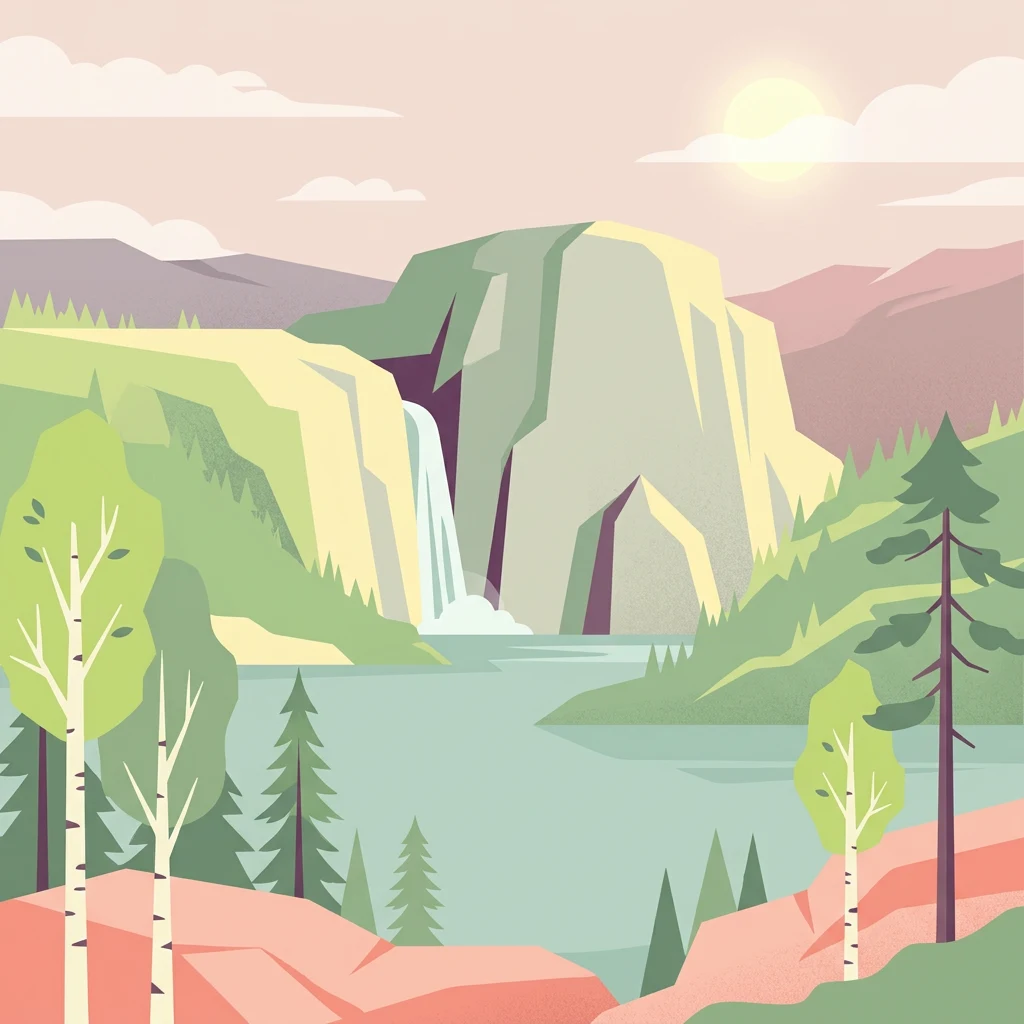
Illustration showing a waterfall flowing from a rocky cliff into a lake, surrounded by green pine and birch trees under a bright sky with scattered clouds

Skuleskogen National Park

National park

Park overview

Structured park overview, official facts, and landscape profile for Skuleskogen National Park

Skuleskogen National Park park facts, protected area profile, and essential visitor context
Review the core facts for Skuleskogen National Park, including designation, size, terrain, visitor scale, habitats, and operating context in one park-focused overview.

About Skuleskogen National Park

Skuleskogen National Park protects a remarkable coastal landscape in northern Sweden where geological processes remain visibly active. The park forms the eastern portion of the Forest of Skule, a region that has long served as a boundary between northern and southern cultural zones. The terrain is characterized by what Swedish geographers call a sprickdalslandskap—a joint valley landscape carved by the erosion of faults and fissures in the ancient bedrock. Granite of Nordingrå forms the primary substrate, with diabase intrusions creating more fertile pockets that support unusual plant communities. The park's location along the Baltic Sea places it at the intersection of terrestrial and marine environments, where the rebounding land is actively transforming former islands into peninsulas and isolating coastal bays into freshwater lagoons. This dynamic landscape, combined with the recovering old-growth forest and rich cultural heritage dating to the Bronze Age, makes Skuleskogen a window into both geological time and ecological succession.

Quick facts and research context for Skuleskogen National Park

Skuleskogen National Park is located in Ångermanland, Västernorrland County, in northern Sweden, approximately 27 kilometers south of Örnsköldsvik and 40 kilometers north of Kramfors. The park spans 3,062 hectares along the Baltic Sea coast, with about 282 hectares being maritime. It is part of the High Coast (Höga kusten) UNESCO World Heritage Site and features a subarctic climate with approximately 700 millimeters of annual precipitation and around 175 days of snow cover. The park contains several deep crevasses, the most impressive being Slåttdalskrevan at 40 meters depth, and numerous Bronze Age funerary cairns dating back thousands of years.

Park context

Deeper park guide and search-rich context for Skuleskogen National Park

Skuleskogen National Park history, landscape, wildlife, and travel context
Explore Skuleskogen National Park through its history, landscape character, ecosystems, wildlife, conservation priorities, cultural context, and seasonal travel timing in a structured park guide built for atlas discovery and search intent.

Why Skuleskogen National Park stands out

Skuleskogen is best known for its dramatic post-glacial rebound landscape and the spectacular crevasse of Slåttdalskrevan, a 40-meter-deep fissure carved into granite and diabase bedrock. The park sits at the heart of the High Coast, one of the world's finest natural laboratories for studying isostatic land uplift following the last Ice Age. The park's symbol is the lichen Dolichousnea longissima (formerly Usnea longissima), an endangered species that inspired the park's protection. The combination of steep rocky peaks rising directly from the sea, ancient Bronze Age burial cairns, and recovered old-growth forest creates a distinctive coastal wilderness that is uniquely Scandinavian.
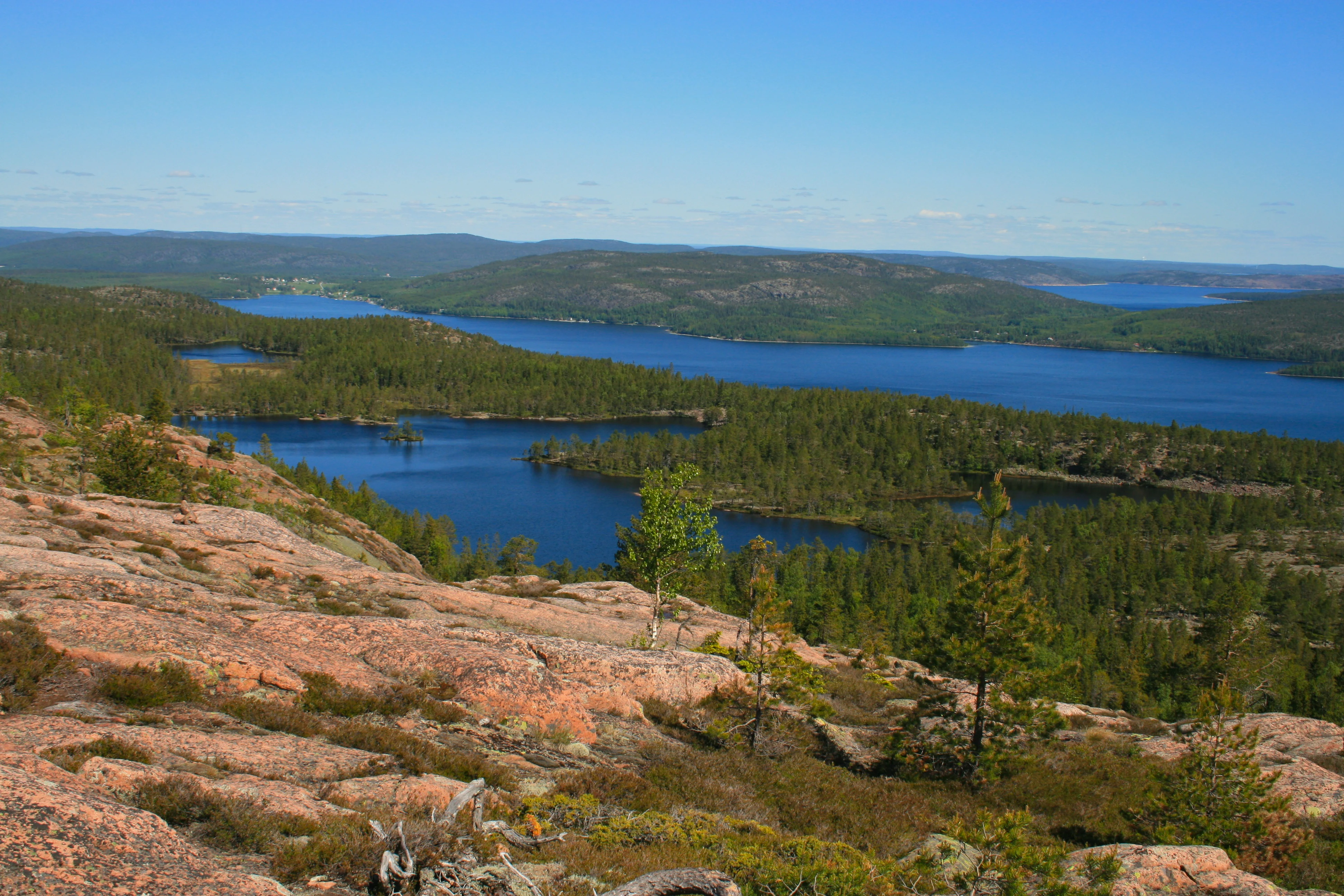
Panoramic landscape view with rocky terrain, blue lakes, and forested hills under a clear blue sky
Panoramic view from Slåttdalsberget showing Tärnättvatten lake and surrounding landscape in Skuleskogen National Park

Skuleskogen National Park history and protected-area timeline

Human activity in the Skuleskogen area dates to the Bronze Age, when funerary cairns were constructed along the ancient coastline—28 such cairns remain visible within the park today, positioned 35 to 40 meters above current sea level. The forest served as a traditional summer pasture for centuries, with four seasonal settlements including Näskebodarna, which remained active until World War II. The area functioned as a travel corridor, with the Kustlandsvägen trail passing through the forest as a main route northward through Sweden. The Sami people used the area for reindeer winter pasture until 1919. Intensive logging began in the mid-19th century, with sawmills and steam mills established near the forest, but exploitation ceased around the turn of the 20th century allowing regeneration. Environmental surveys in the 1960s identified the area's exceptional natural value, leading to protected status as a nature reserve in 1979 and full national park designation in 1984. The park was included in the Natura 2000 network in 1996 and became part of the UNESCO World Heritage High Coast site in 2000, with further expansion in 2009.

Skuleskogen National Park landscape and geographic character

The landscape of Skuleskogen is defined by its position in the High Coast, a region of exceptional topographic roughness along the Baltic Sea. The terrain consists of steep rocky ridges and peaks separated by deep fracture valleys and crevasses, with the highest point Slåttdalsberget reaching 280 meters above sea level. The granite bedrock of the Nordingrå massif, approximately 1.5 billion years old, creates a distinctive red-toned landscape that erodes into dramatic rock formations. The park features several notable crevasses including Slåttdalskrevan—40 meters deep, 200 meters long, and 8 meters wide—and Trollporten, where a fallen rock rests across a narrow passage creating a natural arch. The coastline is rugged and rocky, with small islands, bays, and the emerging peninsulas of Tärnättholmarna demonstrating the ongoing post-glacial rebound. About 36 percent of the park consists of bare rock with sparse vegetation, while stream-cut valleys and wetlands occupy lower areas.
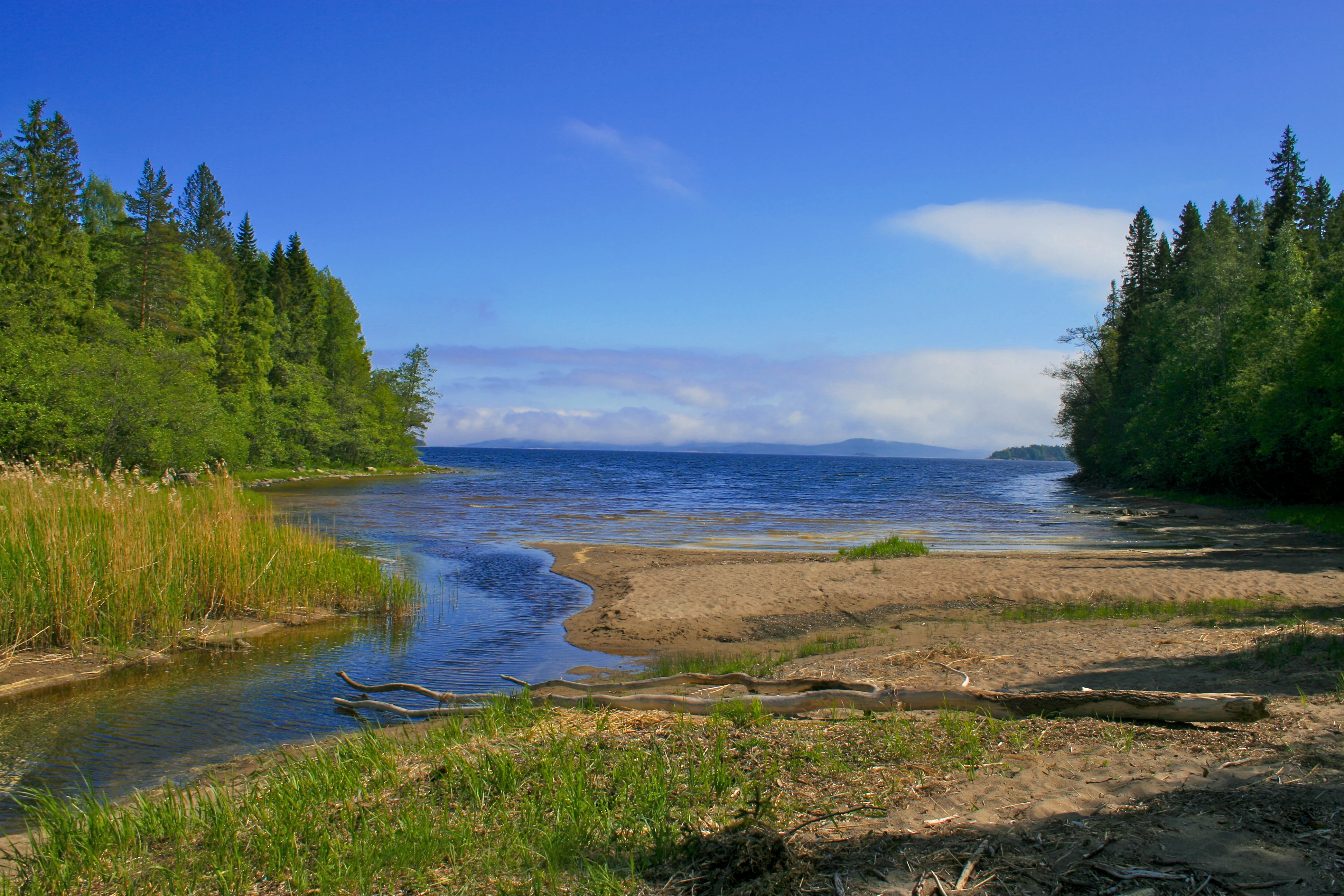
A coastal bay with shallow water channels, sandy shore, and dense forest under a clear blue sky
Salsviken bay, a former canal closed by post-glacial rebound, within Skuleskogen National Park

Skuleskogen National Park ecosystems, habitats, and plant life

Skuleskogen lies at the northern limit for several deciduous tree species, creating unusual botanical conditions. The park supports a boreal coniferous forest typical of the Scandinavian and Russian taiga, dominated by Norway spruce with Scots pine on rockier ground. However, specific microclimates created by south-facing cliffs called Sydväxtberg support southern plant species including little-leaf linden, common hazel, guelder-rose, and Norway maple—relicts of a warmer era that survive in these favorable conditions. Deciduous forest covers only about 1.4 percent of the park, with coniferous forest dominating. The forest has been recovering for over a century since intensive logging ceased, developing characteristics of old-growth forest with some pines reaching 500 years of age. Wetlands, including fens covering 125 hectares, add ecological diversity, while the park's position supports specialized lichen communities including the endangered Dolichousnea longissima, the park's official symbol.
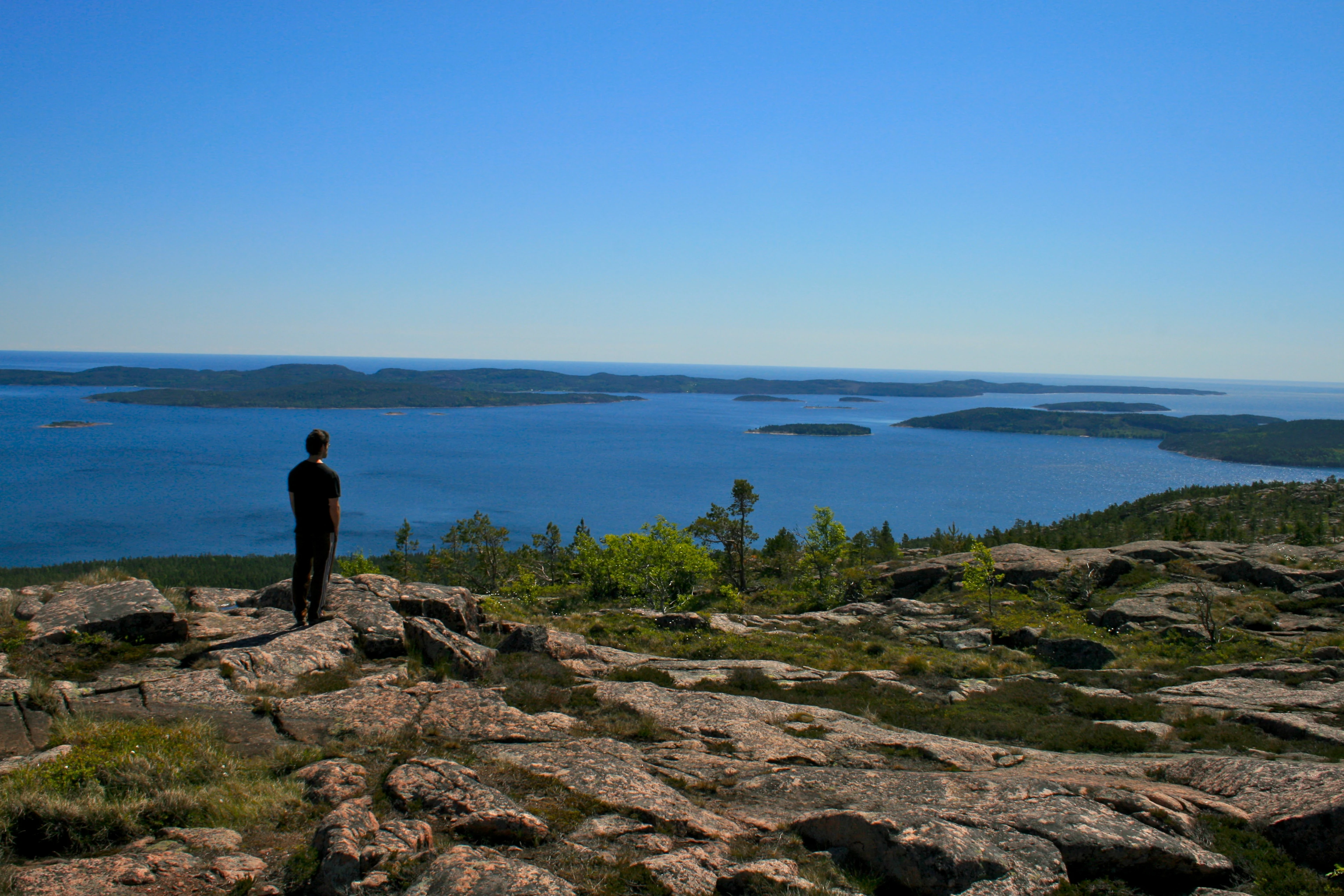
A person standing on a rocky hilltop overlooking a large body of water with distant islands under a clear blue sky.
Person standing on rocky outcrop overlooking the Baltic Sea with distant islands.

Skuleskogen National Park wildlife and species highlights

The park supports characteristic northern Swedish mammal species including Eurasian lynx and brown bear, both considered endangered in Sweden. Red fox, European badger, European pine marten, moose, Eurasian beaver, grey seal, and muskrat are also present. The lynx population in the region faces pressure from habitat fragmentation caused by roads including European route E4, as these wide-ranging predators require territories extending well beyond the park boundaries. Bird diversity is notable, with endangered species including Siberian jay, three-toed woodpecker, red-throated loon, European honey buzzard, rough-legged buzzard, greenish warbler, red-breasted flycatcher, red-backed shrike, spotted nutcracker, common rosefinch, and ortolan bunting. The park also supports significant populations of grey-headed woodpecker, common crane, grey heron, Eurasian wren, Eurasian wryneck, and hazel grouse. Lakes and streams contain European perch and brown trout, while the Baltic Sea supports Atlantic herring, northern pike, and trout.
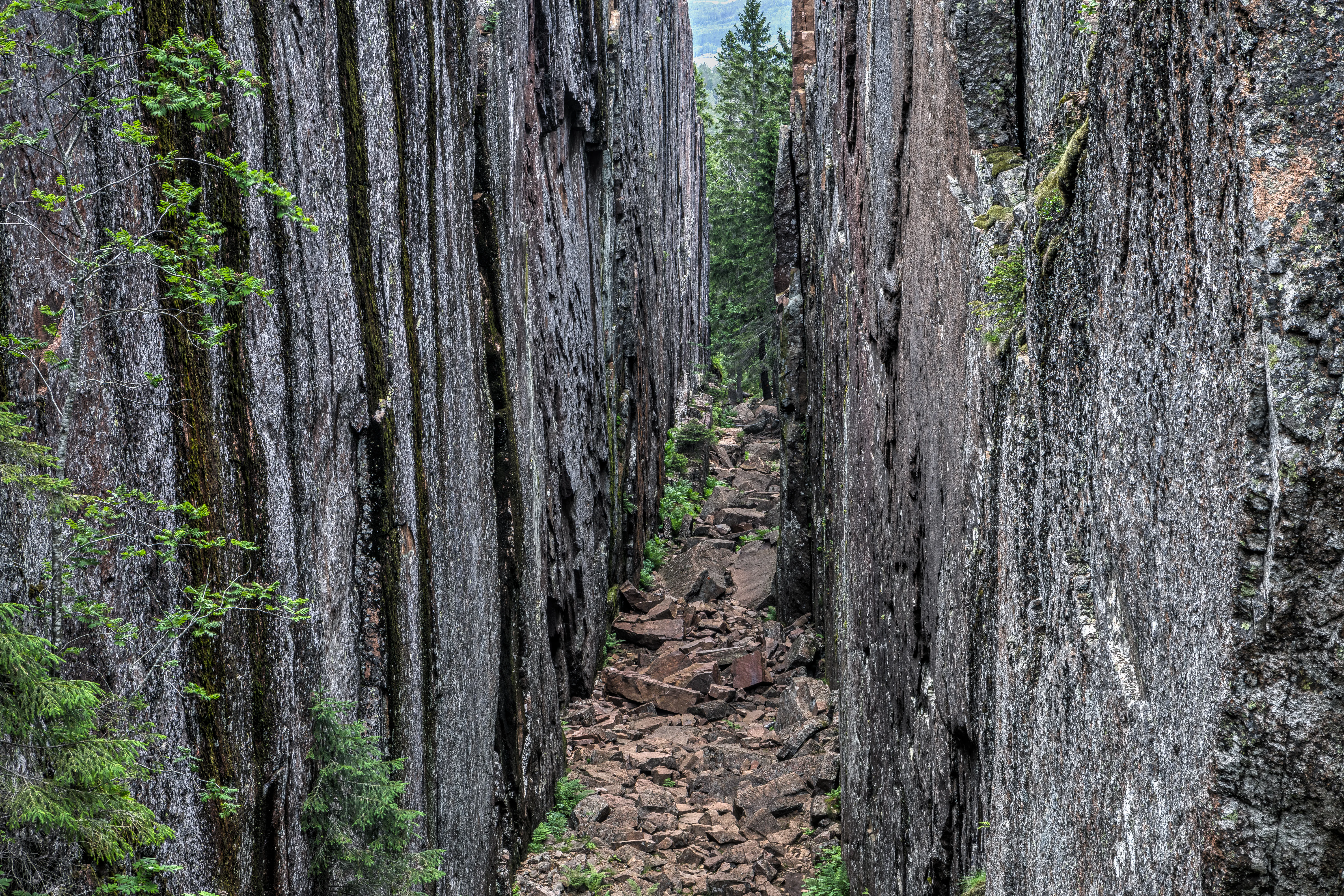
Tall vertical rock walls forming a narrow crevasse with a stone path leading through, surrounded by patches of green vegetation
Narrow rock crevasse with steep vertical walls and stone path within Skuleskogen National Park

Skuleskogen National Park conservation status and protection priorities

Skuleskogen was protected as a national park primarily to preserve its outstanding geological and ecological values within the High Coast World Heritage Site. The park exemplifies post-glacial rebound processes and hosts unique lichen communities including Dolichousnea longissima, the discovery of which prompted the 1991 park expansion. The protected area is managed through a zoned system: 65 percent as Zone I low-activity preservation areas, the eastern third as Zone II for tourism infrastructure, and 150 hectares as Zone III at park entrances. The High Coast's inclusion on the UNESCO World Heritage List in 2000, later expanded with the Finnish Kvarken archipelago in 2006, recognizes this as one of Earth's premier locations for observing isostatic land uplift following glaciation. The forest's recovery from 19th-century logging demonstrates natural regeneration potential, though species like lynx require landscape-scale conservation beyond park boundaries.

Skuleskogen National Park cultural meaning and human context

The Forest of Skule has deep cultural significance as a traditional boundary between regions and as a setting in Swedish literature. The name Skuleskogen derives from the forest itself, with toponymic debate about whether it originated from Skuleberget mountain or the village of Skule, though both may derive from an older, possibly禁忌 name. Legend associates the area with brigands who used the cave Skulegrottan as a hideout, and the novelist Kerstin Ekman immortalized these stories in her book "Rövarna i Skuleskogen" (The Brigands of the Forest of Skule). The park contains Bronze Age burial monuments reflecting ancient maritime navigation and settlement patterns along what was once the coastline. The forest historically served as common pasture land under royal oversight, with seasonal transhumance practices continuing into the 20th century.
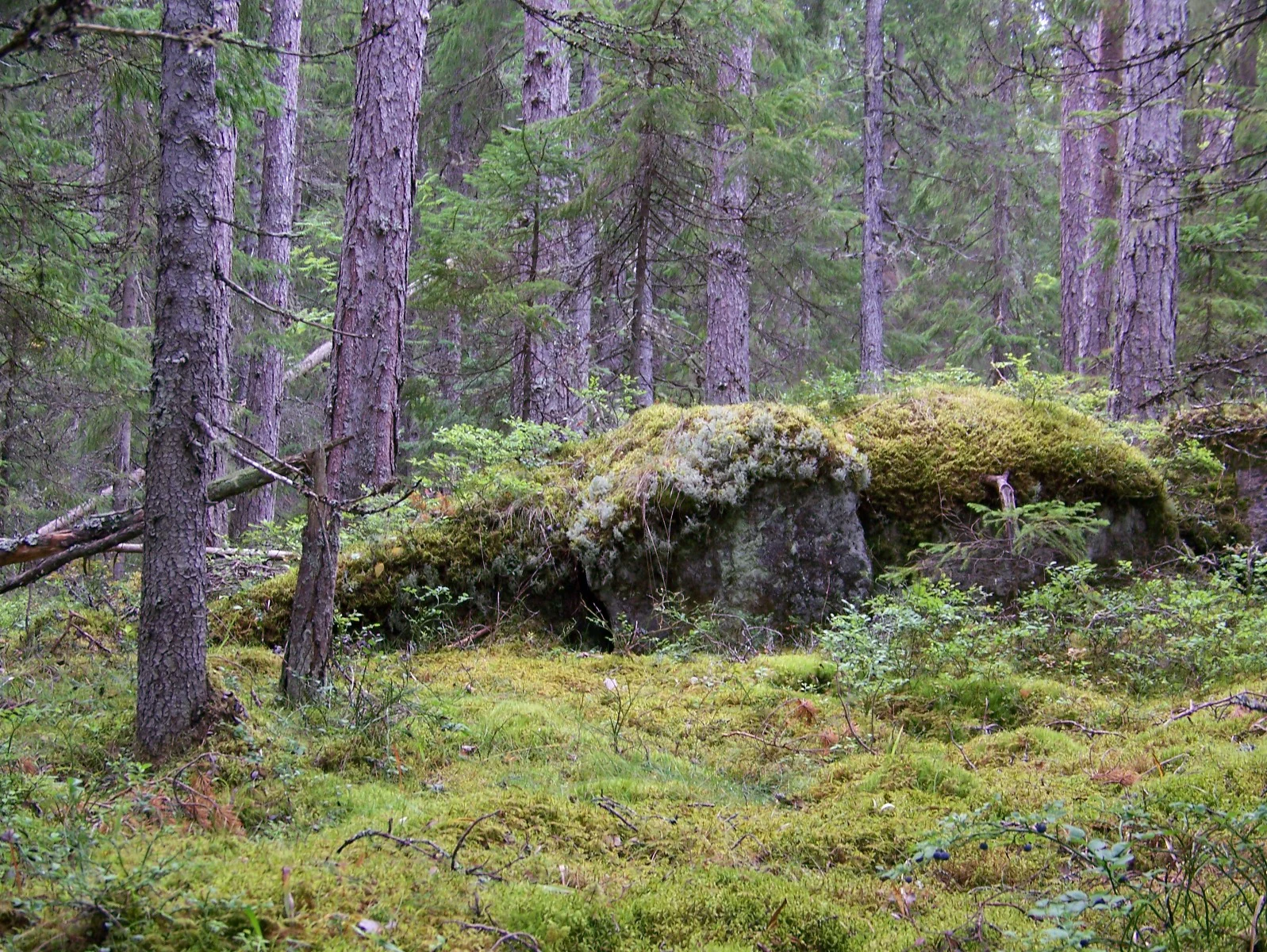
Moss-covered rock with surrounding pine trees and green moss in a forest.
Moss-covered rock surrounded by tall pine trees in Skuleskogen National Park.

Top sights and standout views in Skuleskogen National Park

Skuleskogen offers visitors access to one of the High Coast's most dramatic landscapes through approximately 40 kilometers of hiking trails. The Slåttdalskrevan crevasse and views from Slåttdalsberget over the archipelago rank as the park's most spectacular attractions. The Höga Kustenleden long-distance trail traverses the park, and five backcountry shelters allow overnight stays. Bronze Age funerary cairns provide tangible connections to prehistoric times, while the recovering old-growth forest showcases natural regeneration. The park receives approximately 20,000 visitors annually who come to experience this dynamic landscape where geological processes remain visibly active and where the land continues to rise from the sea.
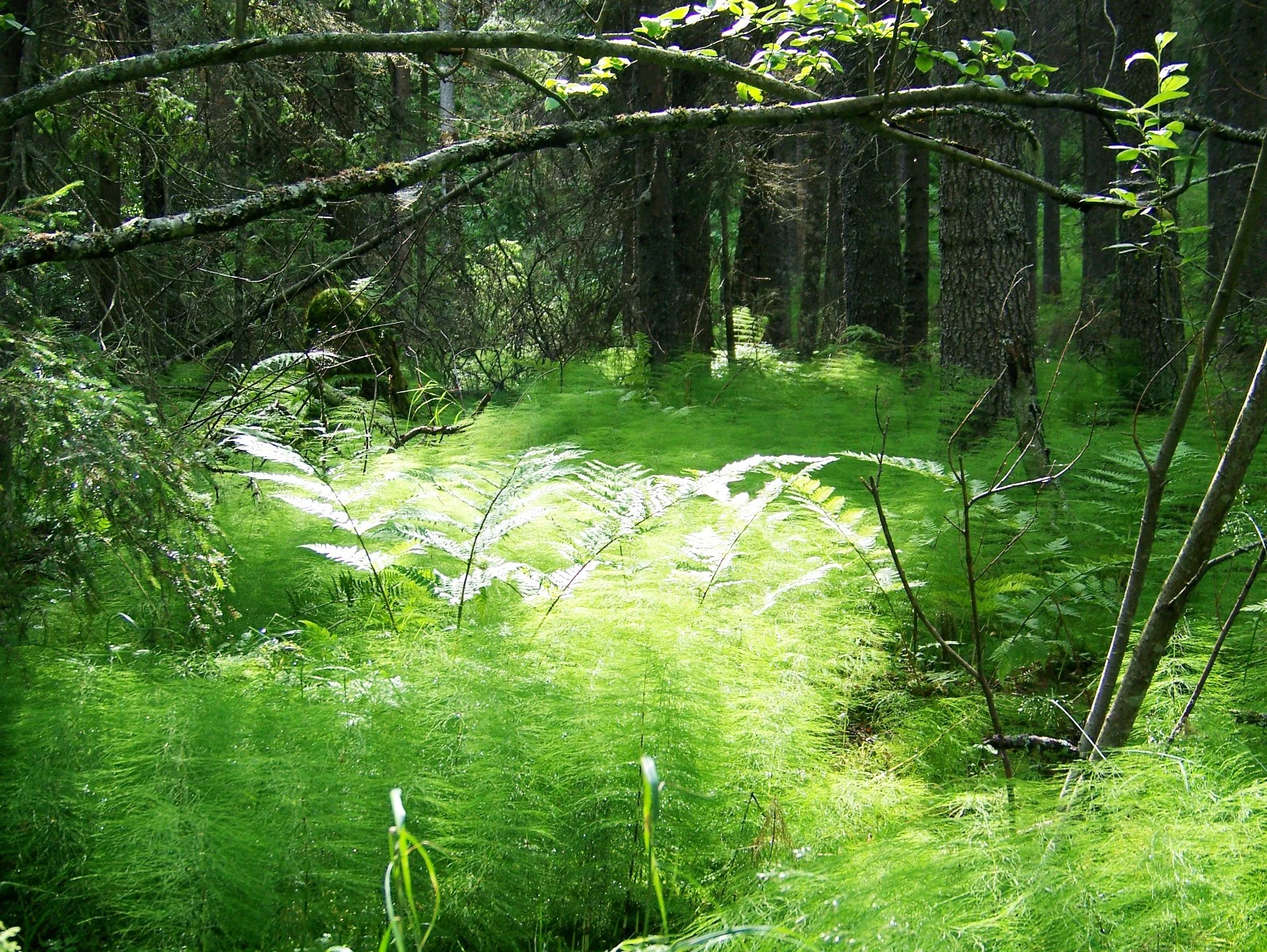
Dense green horsetail plants growing in a forest, with sunlight filtering through tree branches and canopy.
Sunlight filtering through forest canopy onto dense horsetail vegetation in Skuleskogen National Park.

Best time to visit Skuleskogen National Park

The subarctic climate offers distinct seasonal experiences. Summer provides the best hiking conditions with long daylight hours and accessible trails, though early summer can be cool due to maritime influence. Autumn brings milder temperatures and colorful forest scenes. Winter transforms the landscape with snow cover and offers skiing opportunities, though the park's coastal position creates variable snow conditions. Spring is the driest season and can experience drought stress on vegetation. The park is accessible year-round, with the main north entrance near European route E4 providing convenient access.
Park location guide

Geography guide, regional context, and park location map for Skuleskogen National Park

Skuleskogen National Park park geography, regions, and map view in Sweden
Understand where Skuleskogen National Park sits in Sweden through a broader geographic reading of the surrounding landscape, nearby location context, and its mapped position within the national park landscape.

How Skuleskogen National Park fits into Sweden

Sweden, formally the Kingdom of Sweden, is a highly developed Nordic country on the Scandinavian Peninsula in Northern Europe. With a population of 10.6 million and an area of 450,295 km², it is the largest Nordic country by both area and population. Sweden is a constitutional monarchy with Stockholm as its capital and largest city, known for its advanced economy, social welfare system, and membership in the European Union and NATO.

Wider geography shaping Skuleskogen National Park in Sweden

Sweden occupies the eastern portion of the Scandinavian Peninsula in Northern Europe. It borders Norway to the west and north, Finland to the east, and shares a maritime border with Denmark to the southwest across the Øresund. The country has an extensive coastline along the Baltic Sea and Gulf of Bothnia, dotted with thousands of islands. The terrain varies from mountainous regions in the northwest to low-lying coastal areas and inland lakes in the south and central parts.

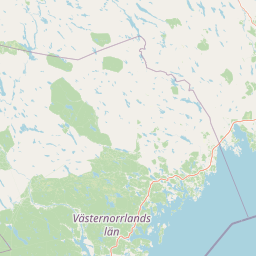
Map view of Skuleskogen National Park

Use this park location map to pinpoint Skuleskogen National Park in Sweden, understand its exact geographic position, and read its mapped placement within the surrounding landscape more clearly.

Pigeon | © OpenStreetMap contributors

Location context for Skuleskogen National Park

Västernorrland County

Visually trace the park's dramatic post-glacial rebound landforms, boreal forest habitats, and rugged High Coast scenery.

Skuleskogen National Park Photos: Visual Guide to Its Unique Coastal Landscapes and Terrain
Explore photography of Skuleskogen National Park, offering detailed views of its unique High Coast landscape, including dramatic rocky peaks, deep crevasses, and ancient boreal forests. Gain a visual understanding of the protected area's significant geological features and diverse ecosystems, essential for comprehending its regional context and conservation value.

Panoramic landscape view with rocky terrain, blue lakes, and forested hills under a clear blue sky

A Eurasian lynx with distinctive ear tufts and spotted fur lying on the ground in a forested area

A coastal bay with shallow water channels, sandy shore, and dense forest under a clear blue sky

A person standing on a rocky hilltop overlooking a large body of water with distant islands under a clear blue sky.

Tall vertical rock walls forming a narrow crevasse with a stone path leading through, surrounded by patches of green vegetation

Several red wooden cabins surrounded by green grass and tall pine trees under a clear blue sky

Moss-covered rock with surrounding pine trees and green moss in a forest.

Dense green horsetail plants growing in a forest, with sunlight filtering through tree branches and canopy.

Rocky hillside covered with dense forest and scattered boulders under clear blue sky

Stone cairn surrounded by tall pine trees and grassy ground in a forested area

A large rocky mountain with a modern visitor center building and flagpoles in the foreground, surrounded by dense forest

Stone corridor formed by large moss-covered rocks with ferns and a rocky path leading through

Panoramic view of Tärnättholmarna islets surrounded by blue water with dense green forest in the foreground under a clear blue sky

Panoramic view of the Baltic Sea with ice floes, distant islands, and a forested foreground under a clear blue sky

Wide expanse of stone rubble stretching toward a forested backdrop with tall pine trees under an overcast sky

A narrow rocky crevasse with a dirt path flanked by steep rock walls and vegetation

Park atlas

Trace the regional spread of protected areas, comparing landscapes and conservation efforts near Skuleskogen National Park.

Explore Other National Parks and Protected Landscapes Near Skuleskogen National Park
After exploring Skuleskogen National Park, continue your discovery by browsing other national parks and protected areas in the High Coast region and surrounding Swedish geography. Comparing these diverse conservation landscapes provides valuable insights into the distinct post-glacial rebound geology and boreal ecosystems of northern Europe.
National parkVästerbotten County

Björnlandet National Park: Ancient Pine Forest & Dramatic Protected Landscape in Västerbotten County

Explore mapped boreal terrain and protected area boundaries.

Björnlandet National Park preserves an exceptional example of Sweden's ancient boreal forest, with pines exceeding 450 years in age. The protected landscape is dramatically shaped by steep ravines, cliff faces, and extensive boulder fields, showcasing the raw power of natural processes and fire history. This national park offers a unique opportunity for atlas-style exploration of its mapped terrain and geographic context within Västerbotten County.

Area
11 km²
Established
1991
IUCN
II
Relief
Mixed relief
National parkFinland

Lauhanvuori National Park: Finland's Protected Landscape and Geographic Identity

Mapped protected area within Finland's regional geography.

Delve into the protected landscape of Lauhanvuori National Park, a key national park in Finland. This atlas-focused entry details its geographic setting and mapped boundaries, offering structured insight into its protected area status and natural terrain. Understand how Lauhanvuori National Park contributes to Finland's broader conservation geography and landscape context.

Area
53 km²
Established
1982
IUCN
II
Visitors
21.7K annual
Watercolor illustration of a lake surrounded by trees and distant hills with a soft sky
National parkGävleborg County

Hamra National Park: Ancient Forests, Mires, and Protected Landscape in Gävleborg County

Discover pristine Swedish nature and mapped park boundaries.

Hamra National Park in Gävleborg County, Sweden, protects an extraordinary natural landscape. At its heart lies a distinct moraine hill adorned with some of central Sweden's oldest coniferous trees, some reaching 400 years. Surrounding this ancient forest is a vast, unbroken expanse of mire and wetland, a landscape preserved from drainage and modification. This park offers a profound insight into pristine ecosystems and geographic context, making it a key destination for atlas exploration of protected natural areas.

Area
13.83 km²
Established
1909
IUCN
II
Relief
Lowland
National parkTrøndelag

Lierne National Park: A Protected Mountain and Wetland Wilderness in Trøndelag

Explore mapped boundaries, alpine terrain, and Scandinavian wilderness.

Lierne National Park is a prime example of Norway's protected mountain and wetland landscapes, situated in the Trøndelag region. This national park offers a detailed study of terrain shaped by glacial activity, featuring high peaks and expansive peat bogs. Its role in preserving habitats for large carnivores and the Arctic fox adds ecological depth to its geographic profile, providing valuable context for atlas-based discovery of protected areas.

Area
333 km²
Established
2004
IUCN
II
Relief
Mountain
National park

Sonfjället National Park: Mapped Alpine Terrain and Protected Landscape in Sweden

Explore the glacial geography and subalpine transition zones.

Sonfjället National Park is a key protected area in central Sweden, offering a unique glimpse into an alpine environment shaped by glacial forces. The park's landscape is characterized by the prominent Sånfjället mountain, steep glacial valleys, mires, and small lakes, showcasing raw, natural terrain. As a southern outpost for subalpine ecosystems, it presents a distinct ecological transition zone valuable for geographic discovery and understanding protected nature.

National parkSouthwest Finland

Bothnian Sea National Park: Southwest Finland's Coastal Protected Landscape

Mapped geography and regional protected area context.

Bothnian Sea National Park stands as a significant protected landscape situated within the extensive island formations of Southwest Finland's Archipelago Sea. This page provides an atlas-focused view of the national park, detailing its geographic spread, mapped boundaries, and its place within the regional context of Varsinais-Suomi. Understand the protected area's unique coastal identity and its contribution to the mapped natural terrain of southern Finland, facilitating structured discovery and geographic exploration.

Area
917 km²
Established
2011
IUCN
II
Visitors
79.4K annual
National parkTrøndelag

Blåfjella, Skjækerfjella National Park: Norway's Extensive Protected Wilderness Landscape Atlas

Mapped natural terrain and protected area boundaries in Trøndelag.

Blåfjella, Skjækerfjella National Park stands as a paramount example of Norway's commitment to preserving vast, untouched natural areas. This protected landscape in Trøndelag features expansive mountain plains, glacial valleys, and important wetland habitats, making it a significant area for understanding regional geography and biodiversity. As one of the country's largest national parks, it offers unique insights into the ecological history of spruce migration and serves as a vital sanctuary for large predators. MoriAtlas provides structured map data and geographic context to explore the protected boundaries and diverse terrain of this remarkable wilderness.

Area
1,924 km²
Established
2004
IUCN
II
Relief
Mixed relief
Watercolor painting of a lake surrounded by trees with a colorful sky.
National parkFinland

Seitseminen National Park: Ancient Boreal Forests and Vast Mire Systems in Finland

Explore mapped terrain and protected wilderness landscapes.

Seitseminen National Park represents a significant protected area in western Finland, characterized by classic boreal forest ecosystems interspersed with extensive mire and bog landscapes. The park's geography includes the notable Seitsemisharju esker, contributing to its diverse terrain. As a sanctuary for ancient forests, including the historic Multiharju primeval forest, Seitseminen offers a unique focus for understanding Finnish protected wilderness and its mapped geographic features within the Nordic context.

Area
45.5 km²
Established
1982
IUCN
II
Visitors
42.3K annual

Common questions about visiting, size, designation, and location context for Skuleskogen National Park

Skuleskogen National Park FAQs for park facts, access, geography, and protected area context
Find quick answers about Skuleskogen National Park, including protected-area facts, park geography, trail and visitor context, and how the park fits into its surrounding country and regional landscape.
MoriAtlas Explorer

Continue Your Protected Areas Search Across the Global Atlas

Deepen your exploration by continuing the structured search for national parks and protected areas worldwide. Utilize the comprehensive filtering capabilities to compare different conservation landscapes and refine your understanding of global park geography. Discover more about the distribution and characteristics of protected natural areas.

Global natural geography