Mori Atlas logo
National parkLierne National Park

Discover the mapped boundaries and unique terrain of this vital Scandinavian wilderness area.

Lierne National Park: Protected Mountain and Wetland Landscape in Trøndelag, Norway

Lierne National Park represents a significant protected landscape in Norway's Trøndelag region, characterized by its remote mountain terrain and extensive wetland systems. Established to preserve this distinctive Scandinavian wilderness, the park showcases numerous peaks exceeding 1,000 meters and vast swamps, offering a unique geographic context for exploration. Its remote location along the Swedish border positions it within a broader network of protected lands, making it a key entity for understanding regional geography and conservation landscapes.

mountain parkswetland ecosystemslarge carnivoresArctic fox habitatborder parksboreal forests

Lierne National Park

National park

Park overview

Structured park overview, official facts, and landscape profile for Lierne National Park

Lierne National Park park facts, protected area profile, and essential visitor context
Review the core facts for Lierne National Park, including designation, size, terrain, visitor scale, habitats, and operating context in one park-focused overview.

About Lierne National Park

Lierne National Park represents one of Norway's more recent protected area designations, established in 2004 to safeguard a mountainous landscape of significant ecological value in the country's eastern border region. The park occupies a relatively remote position within Trøndelag county, situated along the boundary with Sweden where the mountainous terrain forms part of the Scandinavian mountain range system.

The park's terrain is dominated by a large mountainous region characterized by numerous peaks exceeding 1,000 meters above sea level. The highest point, Hestkjøltopp, reaches 1,390 meters, while the park also includes notable plateaus such as one at approximately 790 meters elevation. These mountains formed during the last ice age, and the landscape retains the glacial contours that shape its character today. Between the mountain ridges and peaks, the terrain gives way to extensive wetland areas featuring large peat bogs, swamps, and open woodlands that create a diverse habitat mosaic.

The ecological significance of Lierne extends beyond its scenic mountain landscapes. The park supports viable populations of several species that represent conservation priorities in Norway and Europe more broadly. The presence of lynx, wolverines, and bears places this area within the network of Norwegian mountain habitats that support the country's large carnivore populations. The occurrence of the Arctic fox, a species that has faced significant decline across its historic range, gives the park particular importance for Arctic biodiversity conservation.

Quick facts and research context for Lierne National Park

Lierne National Park covers 333 square kilometers in Lierne Municipality, Trøndelag county, eastern Norway. The park was established by royal resolution on December 17, 2004, and is managed by the Norwegian Directorate for Nature Management. The highest peak is Hestkjøltopp at 1,390 meters, with many summits exceeding 1,000 meters. The park lies about 12 kilometers southeast of Sandvika village and 6 kilometers northeast of Mebygda, along the border with Sweden.

Park context

Deeper park guide and search-rich context for Lierne National Park

Lierne National Park history, landscape, wildlife, and travel context
Explore Lierne National Park through its history, landscape character, ecosystems, wildlife, conservation priorities, cultural context, and seasonal travel timing in a structured park guide built for atlas discovery and search intent.

Why Lierne National Park stands out

Lierne National Park is best known for its populations of large carnivores including lynx, wolverines, and bears that inhabit the mountainous terrain. The park also provides critical habitat for the rare Arctic fox, a species of conservation concern in Norway. The combination of high-altitude plateaus, extensive wetlands with large swamps, and open woodlands creates a distinctive Scandinavian mountain landscape that supports both boreal and Arctic species assemblages.

Lierne National Park history and protected-area timeline

Lierne National Park was established on December 17, 2004, through a royal resolution by the Norwegian government. The creation of this protected area reflected a growing recognition of the ecological significance of Norway's eastern mountain regions and the need to preserve contiguous habitats that support both large carnivores and Arctic wildlife species.

The establishment of the park in 2004 came during a period when Norway was expanding its network of national parks and protected areas. The decision to designate this mountainous border region as a national park acknowledged both the area's natural values and the challenges of maintaining ecological connectivity across the Norwegian-Swedish border. The park was placed under the management of the Norwegian Directorate for Nature Management, the agency responsible for overseeing Norway's protected area network.

Prior to national park designation, the area had been subject to various forms of land use and management. The transition to full national park protection reflected evolving conservation priorities and a desire to maintain the region's wilderness character for future generations.

Lierne National Park landscape and geographic character

The landscape of Lierne National Park is defined by its mountainous terrain shaped during the last glacial period. The park encompasses a highland area with numerous peaks rising above 1,000 meters, creating a dramatic mountain landscape characteristic of eastern Norway's border regions. The highest summit, Hestkjøltopp, reaches 1,390 meters and offers views across the surrounding mountain terrain.

Between the mountain ridges and peaks, the landscape transitions into extensive wetland systems. Large swamps and peat bogs dominate the lower elevations and valley floors, interspersed with open woodlands that create a more subtle forest cover than found in lower-elevation Norwegian forests. The combination of bare mountain terrain, wetland basins, and sparse forest creates a characteristic northern Scandinavian landscape mosaic.

The plateau regions within the park, including areas at approximately 790 meters above sea level, represent important landscape features that provide broad, open terrain contrasting with the steeper mountain slopes. These elevated plateaus offer expansive views and represent areas where the harsh alpine environment supports only limited vegetation cover.

Lierne National Park ecosystems, habitats, and plant life

The ecological character of Lierne National Park reflects its position in northern Norway's mountain environment. The park's habitats include extensive wetlands, open woodlands, and alpine terrain that together support a diverse assemblage of species adapted to boreal and Arctic conditions.

Wetland areas constitute a significant portion of the park's habitat, with large swamps and peat bogs creating important ecological zones. These wetlands support characteristic bog vegetation and provide habitat for waterfowl and species associated with wet, acidic soils. The open woodland areas, characterized by birch and conifer species typical of northern Norway, provide transitional habitat between the more open wetlands and the higher mountain terrain.

The mountain environments of the park support species adapted to harsh alpine conditions, while the larger carnivores that inhabit the area require extensive territories spanning both the forested lower elevations and the more open high ground. This ecological diversity, combining lowland wetlands with alpine zones within a relatively compact protected area, gives Lierne its distinctive natural character.

Lierne National Park wildlife and species highlights

Lierne National Park is notable for its populations of large carnivores that inhabit the mountainous terrain. Lynx, wolverines, and bears all occur within the park, representing the trio of large predators that are characteristic of Norway's wilderness areas. These species require extensive habitats and the presence of all three indicates a healthy, functioning ecosystem with adequate prey populations and connectivity to surrounding landscapes.

The Arctic fox represents a particularly significant species occurrence within the park. This small carnivore, once widespread across Norway's mountain regions, has suffered significant population declines and now occurs in only a limited number of locations. The presence of Arctic fox in Lierne reflects the park's importance for Arctic biodiversity and provides hope for the species' continued survival in Norway.

Wildfowl and other bird species also inhabit the park's wetlands and mountain areas, adding to the avifauna diversity. The combination of water-rich wetland habitats and productive mountain terrain supports bird populations characteristic of northern Scandinavian mountain environments.

Lierne National Park conservation status and protection priorities

Lierne National Park plays an important role in Norway's conservation network, protecting a mountain landscape that supports both boreal and Arctic species of conservation concern. The park's significance for large carnivore populations places it within the broader Scandinavian conservation context, where maintaining connectivity between protected areas is essential for viable predator populations.

The presence of Arctic fox elevates the park's conservation importance, as this species has been the focus of specific conservation attention across its Nordic range. Protecting the remaining populations and their habitats is considered essential for the species' long-term survival in Norway. The park's wetlands also contribute to broader conservation objectives by preserving peatland ecosystems that store carbon and provide ecosystem services beyond their biodiversity value.

The establishment of the park in 2004 reflected Norway's commitment to expanding its protected area network to encompass representative examples of the country's diverse landscapes. By protecting this border-region mountain landscape, Norway has ensured that the ecological values of Lierne will be maintained for future generations.

Top sights and standout views in Lierne National Park

Lierne National Park offers visitors access to a remote Scandinavian mountain landscape with significant wildlife value. The park's combination of high peaks, extensive wetlands, and populations of large carnivores makes it distinctive among Norway's protected areas. Hiking to viewpoints such as Hestkjøltopp provides access to panoramic mountain scenery, while the wetland areas offer different landscape character and wildlife observation opportunities. The park's position along the border with Sweden places it within a transnational landscape of connected wilderness areas.

The opportunity to experience a landscape where lynx, wolverines, and bears occur provides a wilderness experience that is increasingly rare in populated Europe. While seeing these elusive species requires patience and luck, their presence shapes the character of the landscape and the ecological processes that operate within it. The Arctic fox adds a special element of conservation significance that gives the park relevance beyond its immediate Norwegian context.

Best time to visit Lierne National Park

The summer months from June through August offer the most accessible conditions for exploring Lierne National Park, with snow-free trails and relatively mild temperatures at lower elevations. This period provides the best opportunity for hiking and wildlife observation, though high-elevation areas may still retain snow patches. The long daylight hours of Scandinavian summer allow extended time for exploration.

Winter visits offer a very different experience, with the park's mountain landscape transformed by snow and ice. The harsh winter conditions require appropriate equipment and experience with winter travel, but the snow-covered terrain and possibility of wildlife tracks can provide rewarding experiences for prepared visitors. The Arctic fox is most likely to be observed during the colder months when its white winter coat provides camouflage.
Park location guide

Geography guide, regional context, and park location map for Lierne National Park

Lierne National Park park geography, regions, and map view in Norway
Understand where Lierne National Park sits in Norway through a broader geographic reading of the surrounding landscape, nearby location context, and its mapped position within the national park landscape.

How Lierne National Park fits into Norway

Norway, officially the Kingdom of Norway, is a Nordic country in Northern Europe located on the Scandinavian Peninsula. It encompasses mainland Norway, the Arctic islands of Svalbard and Jan Mayen, and maintains dependencies including Bouvet Island and Antarctic claims. The country has a population of about 5.6 million and is bordered by Sweden, Finland, and Russia. Norway is a unitary parliamentary constitutional monarchy with Oslo as its capital and largest city.

Wider geography shaping Lierne National Park in Norway

Norway occupies the western and northern portions of the Scandinavian Peninsula in Northern Europe. The country shares a long eastern border with Sweden, and borders Finland and Russia to the northeast. Norway has an extensive coastline facing the Skagerrak, North Sea, Norwegian Sea, and Barents Sea. The terrain is predominantly mountainous with numerous fjords along the coastline.

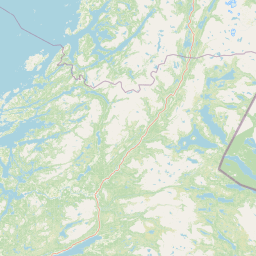
Map view of Lierne National Park

Use this park location map to pinpoint Lierne National Park in Norway, understand its exact geographic position, and read its mapped placement within the surrounding landscape more clearly.

Pigeon | © OpenStreetMap contributors

Location context for Lierne National Park

Trøndelag
Park atlas

Explore the regional context of Lierne National Park, comparing nearby protected areas and connected Scandinavian mountain wilderness.

Discover More National Parks and Protected Areas Near Lierne National Park
Browse a curated list of protected areas geographically near Lierne National Park, including other national parks and conserved landscapes throughout Norway's Trøndelag county and its eastern border region. Compare their diverse mountain terrain, extensive wetland ecosystems, and important large carnivore habitats to gain a broader understanding of Scandinavian conservation geography.
National parkTrøndelag

Blåfjella, Skjækerfjella National Park: Norway's Extensive Protected Wilderness Landscape Atlas

Mapped natural terrain and protected area boundaries in Trøndelag.

Blåfjella, Skjækerfjella National Park stands as a paramount example of Norway's commitment to preserving vast, untouched natural areas. This protected landscape in Trøndelag features expansive mountain plains, glacial valleys, and important wetland habitats, making it a significant area for understanding regional geography and biodiversity. As one of the country's largest national parks, it offers unique insights into the ecological history of spruce migration and serves as a vital sanctuary for large predators. MoriAtlas provides structured map data and geographic context to explore the protected boundaries and diverse terrain of this remarkable wilderness.

Area
1,924 km²
Established
2004
IUCN
II
Relief
Mixed relief
National parkNordland

Børgefjell National Park: Explore Norway's Extensive Undeveloped Wilderness and Alpine Terrain

Mapped protected landscape in Nordland, known for granite peaks and arctic fox.

Børgefjell National Park offers a rare glimpse into Norway's most secluded and undeveloped mountain wilderness, spanning dramatic granite peaks and expansive marshlands. This protected landscape in Nordland provides a rich subject for atlas-based discovery, highlighting its unique geological formations, vital habitats for species like the arctic fox and wolverine, and extensive network of lakes and rivers. Navigate its geographic context and understand the protected boundaries of this significant natural area.

Area
1,447 km²
Established
1963
IUCN
II
Relief
Mountain
Watercolor painting of mountains, a river, and trees under a pink and yellow sky
National parkNordland

Lomsdal, Visten National Park: Mapped Protected Landscape and Karst Geology in Nordland

Explore the protected geography of northern Norway's unique terrain.

Delve into the protected world of Lomsdal, Visten National Park, a key national park within Norway's Nordland county. This area is celebrated for its extraordinary geological formations, including significant karst features like caves, subterranean rivers, and natural arches, set against a backdrop of dramatic fjords and rugged mountain landscapes. The park’s diverse ecosystems, from valley woodlands to alpine environments, offer rich context for understanding regional geography and the mapped distribution of protected natural areas in Scandinavia. Discover the unique characteristics that define this significant conservation landscape.

Area
1,102 km²
Established
2009
IUCN
II
Watercolor illustration of mountains and valleys with green and purple terrain and pink-hued peaks
National parkTrøndelag

Skarvan and Roltdalen National Park: Protected Wilderness and Trøndelag Landscape Atlas

Explore extensive peatlands, alpine terrain, and regional geography.

The Skarvan and Roltdalen National Park detail page offers an atlas-driven exploration of this protected landscape in Norway's Trøndelag region. Discover its vast peatland systems, the intact Roltdalen valley, and its alpine environments. This page provides detailed geographic context and mapped features, highlighting the park's significance within the regional natural heritage.

Area
441.5 km²
Established
2004
IUCN
II
Relief
Mountain
National parkVästerbotten County

Björnlandet National Park: Ancient Pine Forest & Dramatic Protected Landscape in Västerbotten County

Explore mapped boreal terrain and protected area boundaries.

Björnlandet National Park preserves an exceptional example of Sweden's ancient boreal forest, with pines exceeding 450 years in age. The protected landscape is dramatically shaped by steep ravines, cliff faces, and extensive boulder fields, showcasing the raw power of natural processes and fire history. This national park offers a unique opportunity for atlas-style exploration of its mapped terrain and geographic context within Västerbotten County.

Area
11 km²
Established
1991
IUCN
II
Relief
Mixed relief
National park

Sonfjället National Park: Mapped Alpine Terrain and Protected Landscape in Sweden

Explore the glacial geography and subalpine transition zones.

Sonfjället National Park is a key protected area in central Sweden, offering a unique glimpse into an alpine environment shaped by glacial forces. The park's landscape is characterized by the prominent Sånfjället mountain, steep glacial valleys, mires, and small lakes, showcasing raw, natural terrain. As a southern outpost for subalpine ecosystems, it presents a distinct ecological transition zone valuable for geographic discovery and understanding protected nature.

National park

Forollhogna National Park: Norway's Gently Rolling Alpine Protected Landscape Atlas

Explore unique terrain and vital wild reindeer habitat in Central Norway.

MoriAtlas provides structured geographic context for Forollhogna National Park, Norway's nineteenth national park. This area is best known for its distinctively gentle, rolling alpine terrain, a contrast to other Norwegian mountain ranges, and as a critical habitat for wild reindeer. Discover the park's unique landscape character, its role as a protected area, and the ongoing cultural traditions tied to its mountain pastures, all visualized within a comprehensive atlas framework.

Area
1,062 km²
Established
2001
IUCN
II
National parkInnlandet

Femundsmarka National Park: Exploring Norway's Distinctive Wetland and Boreal Protected Landscape

Mapped boundaries and regional geography in Innlandet.

Femundsmarka National Park in Innlandet, Norway, offers a profound look into a preserved wetland wilderness characterized by vast marshlands, numerous lakes, and scattered boreal forests. As a designated national park, its ecological significance is tied to the surrounding water systems and the unique landscape stretching towards the Swedish border. This entry provides detailed geographic context, mapping information, and an understanding of its protected area status, inviting exploration of its remote boreal terrain and notable wildlife habitats.

Area
573 km²
Established
1971
IUCN
II
Relief
Mixed relief

Common questions about visiting, size, designation, and location context for Lierne National Park

Lierne National Park FAQs for park facts, access, geography, and protected area context
Find quick answers about Lierne National Park, including protected-area facts, park geography, trail and visitor context, and how the park fits into its surrounding country and regional landscape.
MoriAtlas Explorer

Continue Your Protected Areas Search Across the Global Atlas

Deepen your exploration by continuing the structured search for national parks and protected areas worldwide. Utilize the comprehensive filtering capabilities to compare different conservation landscapes and refine your understanding of global park geography. Discover more about the distribution and characteristics of protected natural areas.

Global natural geography