Why Lierne National Park stands out
Lierne National Park is best known for its populations of large carnivores including lynx, wolverines, and bears that inhabit the mountainous terrain. The park also provides critical habitat for the rare Arctic fox, a species of conservation concern in Norway. The combination of high-altitude plateaus, extensive wetlands with large swamps, and open woodlands creates a distinctive Scandinavian mountain landscape that supports both boreal and Arctic species assemblages.
Lierne National Park history and protected-area timeline
Lierne National Park was established on December 17, 2004, through a royal resolution by the Norwegian government. The creation of this protected area reflected a growing recognition of the ecological significance of Norway's eastern mountain regions and the need to preserve contiguous habitats that support both large carnivores and Arctic wildlife species.
The establishment of the park in 2004 came during a period when Norway was expanding its network of national parks and protected areas. The decision to designate this mountainous border region as a national park acknowledged both the area's natural values and the challenges of maintaining ecological connectivity across the Norwegian-Swedish border. The park was placed under the management of the Norwegian Directorate for Nature Management, the agency responsible for overseeing Norway's protected area network.
Prior to national park designation, the area had been subject to various forms of land use and management. The transition to full national park protection reflected evolving conservation priorities and a desire to maintain the region's wilderness character for future generations.
Lierne National Park landscape and geographic character
The landscape of Lierne National Park is defined by its mountainous terrain shaped during the last glacial period. The park encompasses a highland area with numerous peaks rising above 1,000 meters, creating a dramatic mountain landscape characteristic of eastern Norway's border regions. The highest summit, Hestkjøltopp, reaches 1,390 meters and offers views across the surrounding mountain terrain.
Between the mountain ridges and peaks, the landscape transitions into extensive wetland systems. Large swamps and peat bogs dominate the lower elevations and valley floors, interspersed with open woodlands that create a more subtle forest cover than found in lower-elevation Norwegian forests. The combination of bare mountain terrain, wetland basins, and sparse forest creates a characteristic northern Scandinavian landscape mosaic.
The plateau regions within the park, including areas at approximately 790 meters above sea level, represent important landscape features that provide broad, open terrain contrasting with the steeper mountain slopes. These elevated plateaus offer expansive views and represent areas where the harsh alpine environment supports only limited vegetation cover.
Lierne National Park ecosystems, habitats, and plant life
The ecological character of Lierne National Park reflects its position in northern Norway's mountain environment. The park's habitats include extensive wetlands, open woodlands, and alpine terrain that together support a diverse assemblage of species adapted to boreal and Arctic conditions.
Wetland areas constitute a significant portion of the park's habitat, with large swamps and peat bogs creating important ecological zones. These wetlands support characteristic bog vegetation and provide habitat for waterfowl and species associated with wet, acidic soils. The open woodland areas, characterized by birch and conifer species typical of northern Norway, provide transitional habitat between the more open wetlands and the higher mountain terrain.
The mountain environments of the park support species adapted to harsh alpine conditions, while the larger carnivores that inhabit the area require extensive territories spanning both the forested lower elevations and the more open high ground. This ecological diversity, combining lowland wetlands with alpine zones within a relatively compact protected area, gives Lierne its distinctive natural character.
Lierne National Park wildlife and species highlights
Lierne National Park is notable for its populations of large carnivores that inhabit the mountainous terrain. Lynx, wolverines, and bears all occur within the park, representing the trio of large predators that are characteristic of Norway's wilderness areas. These species require extensive habitats and the presence of all three indicates a healthy, functioning ecosystem with adequate prey populations and connectivity to surrounding landscapes.
The Arctic fox represents a particularly significant species occurrence within the park. This small carnivore, once widespread across Norway's mountain regions, has suffered significant population declines and now occurs in only a limited number of locations. The presence of Arctic fox in Lierne reflects the park's importance for Arctic biodiversity and provides hope for the species' continued survival in Norway.
Wildfowl and other bird species also inhabit the park's wetlands and mountain areas, adding to the avifauna diversity. The combination of water-rich wetland habitats and productive mountain terrain supports bird populations characteristic of northern Scandinavian mountain environments.
Lierne National Park conservation status and protection priorities
Lierne National Park plays an important role in Norway's conservation network, protecting a mountain landscape that supports both boreal and Arctic species of conservation concern. The park's significance for large carnivore populations places it within the broader Scandinavian conservation context, where maintaining connectivity between protected areas is essential for viable predator populations.
The presence of Arctic fox elevates the park's conservation importance, as this species has been the focus of specific conservation attention across its Nordic range. Protecting the remaining populations and their habitats is considered essential for the species' long-term survival in Norway. The park's wetlands also contribute to broader conservation objectives by preserving peatland ecosystems that store carbon and provide ecosystem services beyond their biodiversity value.
The establishment of the park in 2004 reflected Norway's commitment to expanding its protected area network to encompass representative examples of the country's diverse landscapes. By protecting this border-region mountain landscape, Norway has ensured that the ecological values of Lierne will be maintained for future generations.
Top sights and standout views in Lierne National Park
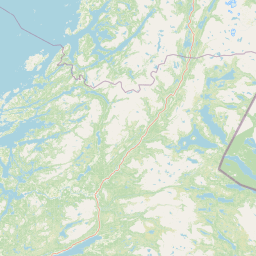
Lierne National Park offers visitors access to a remote Scandinavian mountain landscape with significant wildlife value. The park's combination of high peaks, extensive wetlands, and populations of large carnivores makes it distinctive among Norway's protected areas. Hiking to viewpoints such as Hestkjøltopp provides access to panoramic mountain scenery, while the wetland areas offer different landscape character and wildlife observation opportunities. The park's position along the border with Sweden places it within a transnational landscape of connected wilderness areas.
The opportunity to experience a landscape where lynx, wolverines, and bears occur provides a wilderness experience that is increasingly rare in populated Europe. While seeing these elusive species requires patience and luck, their presence shapes the character of the landscape and the ecological processes that operate within it. The Arctic fox adds a special element of conservation significance that gives the park relevance beyond its immediate Norwegian context.
Best time to visit Lierne National Park
The summer months from June through August offer the most accessible conditions for exploring Lierne National Park, with snow-free trails and relatively mild temperatures at lower elevations. This period provides the best opportunity for hiking and wildlife observation, though high-elevation areas may still retain snow patches. The long daylight hours of Scandinavian summer allow extended time for exploration.
Winter visits offer a very different experience, with the park's mountain landscape transformed by snow and ice. The harsh winter conditions require appropriate equipment and experience with winter travel, but the snow-covered terrain and possibility of wildlife tracks can provide rewarding experiences for prepared visitors. The Arctic fox is most likely to be observed during the colder months when its white winter coat provides camouflage.