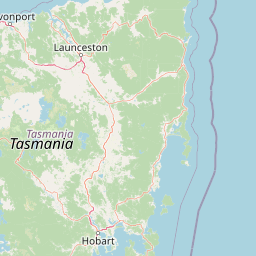
Why Tasman National Park stands out
Tasman National Park is best known for its extraordinary dolerite cliff formations. The columnar joints at Cape Pillar and Tasman Island create sheer walls rising 300 meters above sea level, ranking among the highest sea cliffs globally. The park protects three endemic Euphrasia species and the rare Cape Pillar Sheoak, a shrub found only within the park's boundaries. The dramatic coastal geology features natural arches, sea caves, and rock stacks including Tasmans Arch, Cathedral Rock, and the Totem Pole. The Three Capes Track, a 46-kilometer multi-day hiking route opened in 2015, traverses the park's most spectacular coastal terrain.
Tasman National Park history and protected-area timeline
European interest in the Tasman Peninsula dates to the early nineteenth century, with whaling operations active in the 1830s and 1840s along the park's coastlines. The area's strategic significance led to military installations during the colonial period, and the dramatic dolerite cliffs at Cape Raoul bear scars from Royal Navy gunnery practice by warships of the Australia Station during the late 1800s. Tasman Island received a lighthouse in 1906, built to guide vessels through the hazardous waters of the southern coast; the lighthouse and accompanying weather station became unmanned in 1977 and now stand as historical features within the park. Formal protection came relatively late, with the park proclaimed under the Regional Forest Agreement on 30 April 1999, recognizing both the geological significance and ecological value of the peninsula's remaining natural landscapes. The development of the Three Capes Track in the early 2010s represented a significant investment in park infrastructure, with the 46-kilometer route opening in December 2015 after decades of advocacy by the Hobart Walkers Club, whose members first proposed the track in the 1960s.
Tasman National Park landscape and geographic character
The landscape of Tasman National Park is dominated by the dramatic presence of Jurassic dolerite, an igneous rock intrusion that forms the backbone of the Tasman and Forestier Peninsulas. At Cape Pillar and Tasman Island, this dolerite weathers into spectacular columnar formations creating cliffs that reach 300 meters above sea level, among the highest in the world. The coastline features a succession of sea caves, blowholes, and natural arches formed by wave action, including Tasmans Arch, a dramatic limestone formation extending from the cliff face, and Devils Kitchen, a collapsed sea cave. The park's interior features rolling terrain with exposed granite and dolerite peaks, transitioning from coastal heath and scrubland at lower elevations to wet sclerophyll forest in the valleys and subalpine vegetation on the higher ground. The Lanterns, three small islands off the coast, add to the coastal diversity, while the Totem Pole, Cathedral Rock, and Candlestick represent iconic sea stacks that punctuate the marine horizon.
Tasman National Park ecosystems, habitats, and plant life
The vegetation of Tasman National Park reflects the park's position in the cool temperate climate zone of southeastern Tasmania. Coastal heath dominates the exposed cliff tops and headlands, characterized by diverse shrubs including Banksia, Epacris, and Leptospermum species. The wet sclerophyll forests in the deeper valleys support tall eucalyptus trees, while the park's significance is amplified by the presence of endemic plant species found nowhere else. Three species of Euphrasia, a semi-parasitic herbaceous plant commonly known as eyebright, occur exclusively within the park's boundaries. The Cape Pillar Sheoak, a distinctive shrub or small tree, is restricted to the Cape Pillar area and Tasman Island, representing a narrow endemic of significant conservation concern. Marine ecosystems around the park's coastline support giant kelp forests, though these face threats from climate change with local extinction recorded at Eaglehawk Neck since 2016.
Tasman National Park wildlife and species highlights
The marine and coastal environments of Tasman National Park support diverse wildlife populations. Australian fur seals breed and rest along the coastline, utilizing the rocky shores and islands for haul-out sites. Little penguins, the world's smallest penguin species, nest along the foreshore areas, with colonies established in coastal crevices and vegetation zones above the beach. The park forms a core component of the South-east Tasmania Important Bird Area, recognized by BirdLife International for its significance in conserving woodland bird communities. The endangered swift parrot, a species endemic to southeastern Australia and Tasmania, inhabits the park's forested areas, as does the forty-spotted pardalote, one of Australia's rarest birds, found primarily in Tasmania's dry sclerophyll forests. These bird species depend on the park's mixed vegetation communities for foraging and nesting habitat.
Tasman National Park conservation status and protection priorities
Tasman National Park plays a critical role in protecting Tasmania's southeastern coastal ecosystems and geological heritage. The park's designation as an IUCN Category II protected area recognizes its significance as a national park managing landscape-scale conservation. The protection of endemic plant species, particularly the three Euphrasia species and Cape Pillar Sheoak, represents a key conservation priority given their extremely restricted distributions. The Important Bird Area designation underscores the park's international significance for threatened bird species, particularly the swift parrot and forty-spotted pardalote. Climate change poses emerging challenges, with warming waters already causing the local extinction of giant kelp forests and raising concerns about the long-term viability of cool temperate species adapted to the current climate regime.
Tasman National Park cultural meaning and human context
The Tasman Peninsula has a rich human history that predates formal protected area status. Aboriginal communities have connections to this landscape over thousands of years, though documented historical accounts focus primarily on the colonial period. The dramatic coastline served as a resource for early colonial industries, with whaling operations in the mid-nineteenth century exploiting the marine resources of the coastal waters. The establishment of the Port Arthur penal settlement on the adjacent peninsula in the 1830s brought increased human activity to the region, though the steeper, more rugged terrain of what is now Tasman National Park remained relatively isolated. The Tasman Island Lighthouse represents the most visible historical infrastructure within the park, a reminder of the maritime significance of this treacherous coastline.
Top sights and standout views in Tasman National Park
Tasman National Park offers some of Tasmania's most dramatic coastal scenery, centered on the towering dolerite cliffs of Cape Pillar and the remarkable columnar rock formations that define the landscape. The Three Capes Track provides immersive access to this terrain, allowing hikers to traverse from Port Arthur to Fortescue Bay through the park's most spectacular environments. Geological features including Tasmans Arch, Devils Kitchen, and the succession of sea stacks along the coast showcase the ongoing processes shaping this landscape. The park's endemic plant species, particularly the Cape Pillar Sheoak and the three Euphrasia species, represent botanical treasures found nowhere else on Earth. Coastal wildlife viewing opportunities include Australian fur seals hauled out on rocky shores and little penguin colonies nesting in the foreshore areas.
Best time to visit Tasman National Park
The cool temperate climate of Tasmania's southeastern coast offers distinct seasonal experiences for visitors to Tasman National Park. Summer months from December through February bring the warmest conditions and longest daylight hours, making this the most popular time for hiking the Three Capes Track and exploring the coastal features. Autumn and spring offer milder conditions with fewer visitors, though weather can be more variable with increased rainfall. Winter brings cold temperatures and shorter days, but the dramatic storm-washed coastline takes on a particularly powerful character during this season. The park is accessible year-round, though trail conditions and visibility vary with the seasons.